


 О нас
О нас
The Lion Throne of Kano
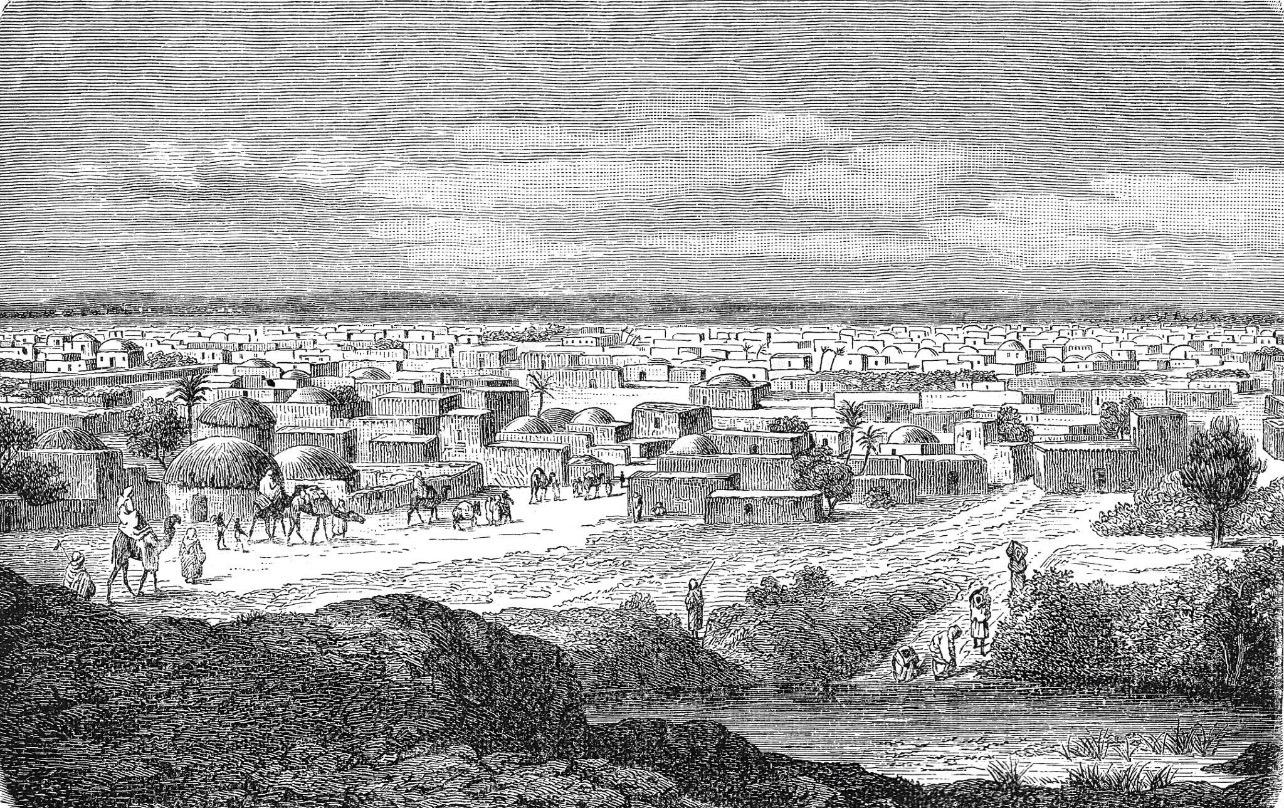
Sarki Kano
In the heart of the ancient savannah, where the winds carried stories across the sands and the sun painted the earth gold, there stood a city that refused to be forgotten. Kano was not just a place, it was a spirit, a living memory of power, trade, culture, and kingship. And at the center of it all stood the Sarki Kano, the King of Kano, whose name echoed across generations like a drumbeat that never fades.
Long before modern Nigeria took shape, Kano was already a thriving center of civilization. Traders came from distant lands carrying salt, leather, gold, and stories. The city walls rose like a promise of strength, enclosing a people who understood both survival and greatness. But every great city needs a figure who embodies its soul. That figure was the Sarki Kano.
The story of the Sarki Kano is not the story of one man alone, but of a lineage, a throne, and a legacy. Yet among the many kings who sat upon that sacred seat, some names burned brighter than others. One such name was Muhammad Rumfa, a ruler whose reign transformed Kano into a kingdom that others looked up to.
Muhammad Rumfa did not begin as a legend. He was born into royalty, yes, but royalty alone does not create greatness. From a young age, he observed, listened, and learned. He watched how power moved, how people responded, and how decisions shaped the fate of a kingdom. He understood that being Sarki Kano was not about wearing a crown, but about carrying the weight of a people’s destiny.
When he finally ascended the throne, the city stood at a crossroads. Kano was already important, but it needed vision. It needed a leader who could see beyond the present and build for the future. Rumfa became that leader.
He began by strengthening the foundations of governance. Laws were not just spoken, they were enforced. Justice was not just promised, it was delivered. The people began to trust their king, not out of fear, but out of respect. And that respect became the first pillar of his legacy.
But Rumfa understood something deeper. A kingdom is not only built by laws, it is built by identity. He introduced reforms that shaped the culture of Kano in lasting ways. He elevated Islamic scholarship, inviting learned men into the city. Mosques and schools became centers of knowledge, and Kano transformed into a place where faith and intellect walked hand in hand.
Trade flourished under his reign. The markets of Kano became louder, richer, and more vibrant. Caravans arrived more frequently, bringing goods from North Africa and beyond. Leatherworks, textiles, and dye pits turned Kano into an economic powerhouse. The famous indigo dye pits of Kano became a symbol of craftsmanship that spread far beyond the city walls.
Yet, for all his achievements, Rumfa knew that power must be protected. He strengthened the city’s defenses, ensuring that Kano could stand against threats. The ancient walls were reinforced, and the city became not just prosperous, but secure.
But what truly made the Sarki Kano a legend was not just what he built, but how he ruled. There are rulers who dominate and rulers who inspire. Rumfa inspired. He walked among his people, listened to their concerns, and made decisions that reflected both wisdom and compassion.
Stories were told of how he disguised himself at times to understand the lives of ordinary citizens. Whether those stories are fact or legend matters little. What matters is that people believed them. And belief is the seed from which legends grow.
The Durbar festival, with its majestic horsemen and colorful displays, became more than a celebration. It became a symbol of unity, of strength, and of identity. Under the Sarki Kano, traditions were not just preserved, they were elevated.
But every legend is tested. There were moments of tension, challenges that threatened stability. Rivalries, external pressures, and the constant burden of leadership weighed heavily. Yet the Sarki Kano endured. He adapted, negotiated, and stood firm when needed.
As years passed, his name spread beyond Kano. Travelers spoke of a king who ruled with both strength and wisdom. Scholars mentioned Kano as a center of learning. Traders praised its markets. And warriors respected its defenses.
When Muhammad Rumfa eventually passed on, he left behind more than a throne. He left behind a standard. Every Sarki Kano who came after him was measured against his legacy. Some rose to the challenge, others struggled, but none could ignore the path he had set.
The legend of the Sarki Kano continued through generations. Each ruler added a chapter, but the foundation remained. The throne was not just a seat of power, it was a symbol of responsibility.
Even in modern times, the title Sarki Kano carries weight. It connects the present to the past, reminding people of a time when leadership shaped the destiny of a great city. The palace still stands, the traditions still live, and the stories are still told.
What makes the Sarki Kano a legend is not just the achievements of one ruler, but the continuity of greatness. It is the idea that leadership can shape culture, economy, and identity. It is the belief that a king can be both powerful and just.
Legends are not born, they are built. They are carved from decisions, strengthened by challenges, and remembered through stories. The Sarki Kano became a legend because he represented more than himself. He represented a people, a history, and a future.
And so, when the drums beat in Kano and the horsemen ride in the Durbar, they are not just celebrating a festival. They are honoring a legacy. A legacy of kings who ruled with vision, of a city that refused to fade, and of a throne that turned men into legends.
The story of the Sarki Kano is the story of Kano itself. A story of resilience, of growth, of identity. A story that continues to be written, even today.

Категории
Больше
Ric Hassani Ric Hassani did not burst into the Nigerian music industry with loud street anthems or viral controversy. He arrived softly, like a calm breeze in a noisy room. In an era dominated by high tempo Afrobeats and club bangers, Ric chose love songs. He chose vulnerability. He chose depth. His journey is not just about music. It is about patience, identity, culture, and the...
Gloria Oluruntobi Biography Gloria Oloruntobi, popularly known as Maraji, is a Nigerian comedian, actress, and social media influencer who rose to fame through her creative and humorous online skits. She became one of the early female comedians in Nigeria to gain massive popularity on social media, especially on Instagram. Early Life and Background Gloria Oloruntobi was born on February 6,...
Neo Akpofure Neo Akpofure is a Nigerian reality television personality, model, entrepreneur, and entertainer. He became widely known after participating in Big Brother Naija. Early Life and Background Neo whose full name is Emuobonuvie “Neo” Akpofure was born on August 1, 1994, in Delta State, Nigeria. He grew up in Warri, a city known for producing many entertainers and...
PART 2 THE CHILD WHO NEVER SLEPT My mother says I was a strange baby. I didn’t cry when I was born. I didn’t scream or gasp like other children. I just opened my eyes and stared at the ceiling, calm… curious… as if I was remembering something. The nurses were uncomfortable around me. One of them whispered, “This child is too alert.” My mother smiled...
A public rift between Elon Musk and U.S. President Donald Trump has intensified, with the billionaire tech mogul now openly supporting calls for Trump’s impeachment over a controversial federal budget bill. The clash, which has rapidly spread across social media and major news outlets, revolves around what Musk describes as a "pork-filled" spending bill and Trump’s alleged political...

