Σχετικά
The Queen of Daura and the Serpent of Destiny
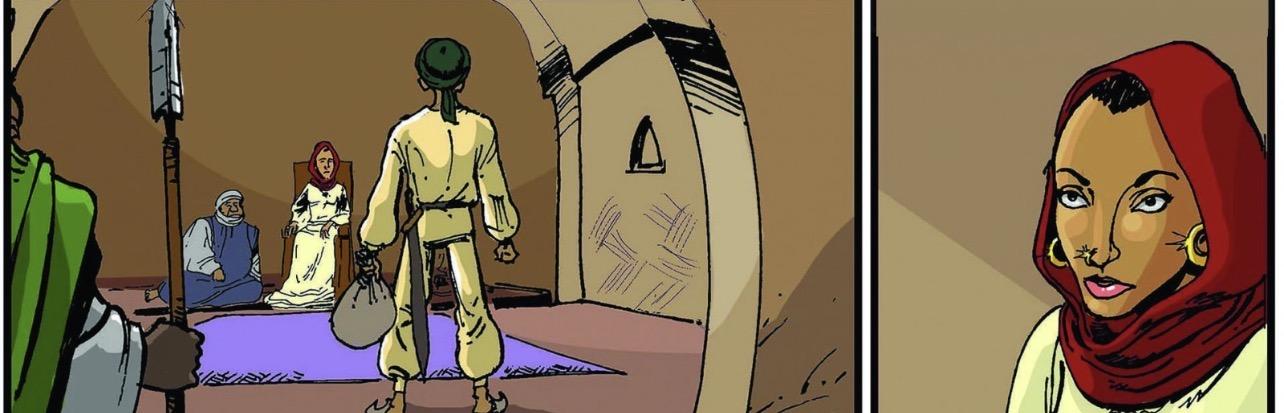
Queen of Daura
In the dry winds of the northern lands, where the sands whisper stories older than memory itself, there stood a city called Daura. It was not the largest kingdom, nor the richest, but it was one wrapped in mystery, guarded by both tradition and fear. At the heart of its legend was a queen whose name echoed through generations like a sacred drumbeat. She was Queen Daurama, the ruler whose story would shape the identity of a people and carve her name into the deep fabric of history.
Daura was a land blessed with fertile soil hidden beneath its arid surface. Its people were strong, proud, and bound by customs that had survived centuries. But there was one shadow that loomed over them all, a serpent said to dwell in the sacred well known as Kusugu. This serpent was no ordinary creature. It was believed to be ancient, powerful, and merciless. It guarded the water, the very source of life, and demanded a heavy price.
Only once a week were the people allowed to fetch water, and even then, it was done under strict rituals and fear. No one dared challenge the serpent. No one questioned its rule. Over time, fear became tradition, and tradition became law.
Queen Daurama ruled over this land with wisdom and strength. She was not a weak leader, nor was she easily swayed by fear. Yet even she, with all her power, could not defy the serpent. It was a force older than her throne, older than her ancestors. Her duty was to protect her people, but she also carried the burden of maintaining peace, even if it meant allowing the serpent’s rule to continue.
Still, in the quiet moments of the night, when the palace walls held only her thoughts, she questioned it. Was this truly the destiny of her people? To live in fear of a creature that claimed dominion over their most basic need?
Time passed, and the story of Daura spread beyond its borders. Travelers spoke of a land where a serpent ruled water, and a queen ruled men. It was a tale that stirred both curiosity and disbelief.
One day, a stranger arrived.
He was not like the others who had come and gone. His name was Bayajidda, a man of courage and quiet confidence. Some said he came from distant lands, fleeing war. Others believed he was sent by fate itself. Whatever the truth, his arrival would mark a turning point in the history of Daura.
When Bayajidda heard of the serpent, he did not laugh or dismiss it. Instead, he listened carefully. He studied the fear in the eyes of the people, the silence in their voices when they spoke of the well. And then he made a decision that no one before him had dared to make.
He would face the serpent.
The night he chose was one cloaked in darkness. The moon hid behind the clouds, and the air was thick with anticipation. Armed with nothing but a sword and his courage, Bayajidda approached the Kusugu well.
The city slept, unaware of what was about to unfold.
As he stood before the well, the ground seemed to tremble. The serpent emerged, massive and terrifying, its eyes glowing like embers in the dark. It hissed with a sound that echoed like thunder, a warning to any who dared challenge it.
But Bayajidda did not retreat.
The battle that followed was fierce and relentless. Steel clashed against scale, and the night was filled with the sounds of struggle. The serpent was powerful, but it had grown used to fear, not resistance. Bayajidda fought with determination, each strike fueled by the hope of freeing an entire people.
At last, with one final blow, the serpent fell.
The silence that followed was unlike anything Daura had ever known. It was not the silence of fear, but the silence of something new. Freedom.
By morning, the news had spread like wildfire. The serpent was dead. The well was free.
The people gathered, their faces a mixture of disbelief and joy. For the first time, they could approach the water without fear. For the first time, they could drink freely.
Queen Daurama herself came to see the truth.
She stood before the well, her eyes fixed on the lifeless body of the serpent. In that moment, she understood that history had changed. Not by her hand, but by the courage of a stranger.
Yet she was not a queen who let pride cloud her judgment. She recognized greatness when she saw it.
In honor of his bravery, and in keeping with the traditions of her people, Queen Daurama offered Bayajidda her hand in marriage. It was not just a reward, but a union that symbolized a new beginning for Daura.
From their union came a child, a son who would carry forward a legacy greater than either of them alone. This child would become the father of the Hausa states, the origin of kingdoms that would shape the region for generations.
Queen Daurama’s story did not end with the serpent.
She became more than a ruler. She became a symbol of transition, a bridge between the old ways and the new. Her willingness to accept change, to embrace a new path for her people, was what truly made her a legend.
Many rulers cling to power, refusing to let go of traditions even when they harm their people. But Queen Daurama understood that true leadership is not about control, but about growth.
She allowed a new chapter to begin.
Under her reign, Daura transformed. The fear that once defined the city was replaced with strength and unity. The people no longer whispered about the serpent. Instead, they spoke of courage, of change, of the day their destiny shifted.
And at the center of it all was a queen who had the wisdom to see beyond fear.
Generations passed, and the story of Queen Daurama was told and retold. It became more than history. It became legend.
Children grew up hearing of the queen who ruled a land bound by fear, and the stranger who broke its chains. They learned that courage can come from unexpected places, and that true greatness lies not just in power, but in the ability to embrace change.
Even today, the city of Daura stands as a reminder of that story. The Kusugu well still exists, not as a place of fear, but as a symbol of freedom. It is a place where history lives, where the past and present meet.
Queen Daurama remains one of the most important figures in Hausa history. Not because she fought the serpent, but because she understood what its fall meant. She recognized the moment when history shifted, and she chose to stand on the side of progress.
That is what made her a legend.
She was not just a queen of her time. She became a queen of all time.
Her story teaches that leadership is not about resisting change, but about guiding it. That even in a world bound by fear, one moment of courage can rewrite destiny.
And that sometimes, the greatest legends are not those who swing the sword, but those who open the door to a new future.

Κατηγορίες
Διαβάζω περισσότερα
Patience Ozokwor Patience Ozokwor, popularly known as Mama G, is one of Nigeria’s most respected and recognizable actresses. Born on September 14, 1958, in Ngwo, Enugu State, she grew up in a modest Igbo family where discipline, culture, and strong moral values shaped her early life. From a young age, Patience displayed a lively personality. She was dramatic, expressive, and naturally...

EPISODE 4: VACATION LAUGHTER, A SILENT PAIN, AND THE ROAD HOME After settling in Funtua, life slowly became sweet again. The stress of the journey faded, and we began to truly enjoy our vacation. The air felt different calmer. Every morning came with greetings from neighbors, children playing freely, and laughter echoing around the compound. My granny was happy, moving from house to house,...

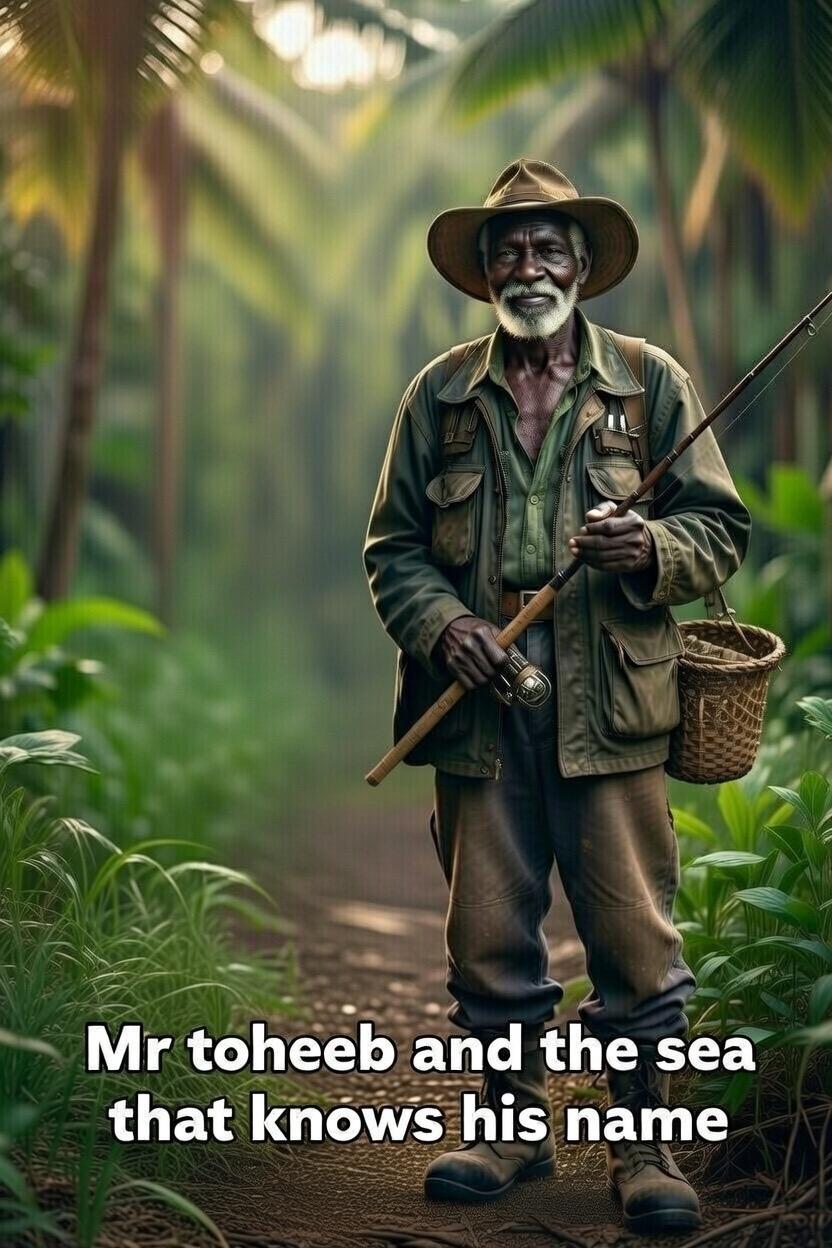
Mr. Toheeb had been a fisherman since boyhood, rising before dawn to cast his nets while the village slept. The villagers often whispered about his uncanny luck—no matter the season, no matter the storm, his boat always returned full. What they did not know was that the sea knew him. Years ago, when a violent storm nearly swallowed his small canoe, Mr. Toheeb had shouted not for...
Everyone in Ajegunle knew Mama Ireti as the woman who never cried. Even when life bent her like a tired broomstick, her eyes stayed dry. She sold roasted corn by the roadside, waking before dawn and returning home long after darkness swallowed the streets. Her hands were always burnt, her wrapper always faded, but her back remained straight. People admired her strength, but no one knew...
Richard Mofe-Damijo Richard Mofe-Damijo, popularly known as RMD, is one of Nigeria’s most respected actors and public figures. With a career spanning over three decades, he has become a symbol of excellence, longevity, and charisma in Nollywood. Beyond acting, he has also served in public office and remains a role model to many aspiring entertainers. Age and Early Life Richard...