Environ
The Living Language of African Totems and Symbols
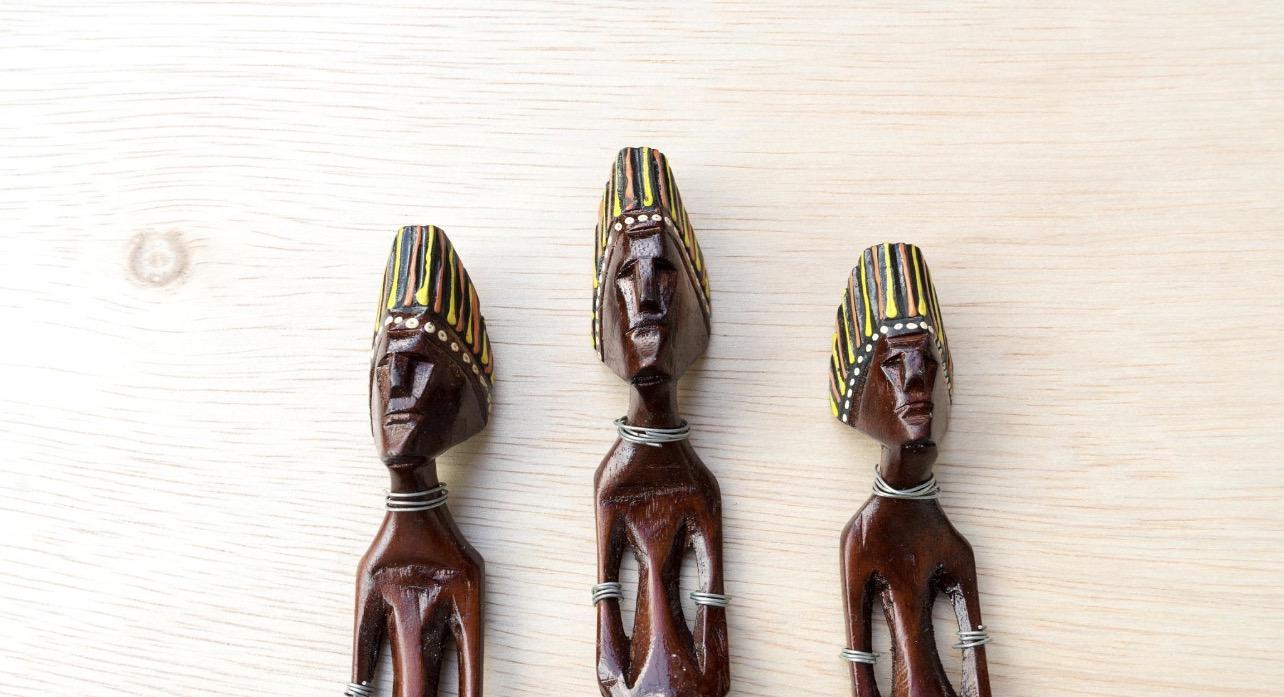
African Totems
The Language That Speaks Without Words
Long before books, smartphones, and modern alphabets, the people of Africa had a powerful way of communicating wisdom, identity, and history. They used symbols and totems. These were not just decorations carved on wood or drawn on cloth. They were living messages passed from generation to generation.
Across the continent, from the forests of West Africa to the plains of East Africa and the kingdoms of Southern Africa, symbols told stories. A single mark carved on a doorpost could represent bravery. A pattern on a piece of cloth could carry the memory of ancestors. A carved animal standing outside a village could symbolize protection and belonging.
African societies understood something deeply important about life. Not everything must be spoken. Some truths are better shown through signs that everyone in the community understands.
In this way, symbols became the silent language of African civilization.
Totems and the Identity of a People
Totems are sacred symbols, often represented by animals, plants, or natural elements. In many African cultures, a totem represents a family, clan, or entire community.
For example, a clan might identify with the lion. This does not mean they worship the lion. Instead, the lion represents qualities they admire courage, leadership, and protection. Members of the clan believe they share a spiritual connection with that animal.
In some traditions, people are forbidden to harm or eat their clan’s totem animal. The reason is simple. The totem is seen as a relative, a guardian that watches over the people.
Among many communities in Southern Africa, clan names are directly tied to totems. Someone may proudly say their people belong to the elephant clan or the leopard clan. When two strangers meet, asking about a totem can quickly reveal whether they share ancestral ties.
Through totems, identity becomes more than a name. It becomes a connection to nature, ancestry, and community.
Symbols That Carry Wisdom
Africa is rich with symbolic systems, and one of the most famous comes from the Akan people of Ghana. Their symbolic tradition, known as Adinkra, contains visual signs that represent philosophical ideas and moral teachings.
Each symbol carries a message.
One symbol represents unity. Another represents patience. Another reminds people that wisdom is greater than wealth.
These symbols appear on cloth, pottery, buildings, and even jewelry. When people wear these designs, they are not just wearing fashion. They are wearing meaning.
An elder might choose a cloth with a symbol that represents leadership during a community gathering. A bride may wear symbols of love and harmony during her wedding.
In this way, symbols become everyday teachers.
Animals as Messengers of Meaning
Animals play an important role in African symbolic traditions. Each creature represents a particular quality observed in nature.
The lion represents courage and authority. The elephant symbolizes wisdom and memory. The tortoise represents patience and intelligence.
Many African folktales feature animals as characters because they embody human behavior. The clever spider teaches lessons about strategy. The stubborn donkey may represent foolish pride. The graceful antelope may symbolize beauty and alertness.
These stories help children understand the world around them. By watching animals in stories, people learn about human strengths and weaknesses.
Over time, these meanings become part of cultural identity. A symbol of an animal is never just a picture. It is a lesson carved in form.
Symbols Written Into Everyday Life
In traditional African communities, symbols appear everywhere.
They are carved into masks used during ceremonies. They are painted on walls during festivals. They appear in hairstyles, beadwork, and clothing.
Even architecture carries symbolic meaning. A doorway design may represent hospitality. The arrangement of patterns on a house may symbolize protection from harm.
African art has never been purely decorative. It always carries purpose.
A drum may contain carvings that tell the history of a tribe. A stool may represent the authority of a king. A necklace may show a person’s social status.
Every object becomes a message.
Totems as Guardians of the Natural World
Another powerful role of totems is environmental protection.
When a clan believes an animal or tree is sacred, they naturally protect it. This creates an unwritten conservation system.
A community whose totem is the crocodile may protect rivers and wetlands. Another whose totem is a particular tree may preserve entire forests.
This spiritual connection between humans and nature reflects an African worldview that sees the environment not as something to dominate, but as something to live alongside.
Totems remind people that humans are part of the natural world, not separate from it.
Symbols of Leadership and Power
In many African kingdoms, symbols also represented authority.
Kings and chiefs often had specific symbols associated with their rule. These symbols appeared on royal regalia, staffs, stools, and palaces.
In the Ashanti Kingdom of Ghana, the Golden Stool symbolizes the soul of the nation. It represents the unity and spirit of the people.
No one sits on it. Instead, it is honored as a sacred representation of the entire kingdom.
Similar traditions exist across Africa where symbols represent leadership, justice, and responsibility.
A leader is not simply a person. They are the living embodiment of the values represented by these symbols.
The Spiritual Dimension of Symbols
African symbols are not only social or cultural. Many also carry spiritual meaning.
Some symbols represent protection from evil forces. Others symbolize the presence of ancestors watching over the living.
During rituals and ceremonies, these symbols help people connect with the spiritual world.
Masks, for example, are often decorated with symbolic patterns. When worn during dances, they represent spirits, ancestors, or powerful natural forces.
In these moments, symbols become bridges between the visible world and the unseen.
They remind people that life is larger than what the eyes can see.
The Survival of Symbols in the Modern World
Even today, African symbols continue to influence modern culture.
Adinkra symbols appear in fashion, logos, and jewelry. Totem animals remain important markers of identity in many communities.
Artists, designers, and storytellers continue to draw inspiration from these ancient visual languages.
Across Africa and the diaspora, people are rediscovering the depth of these symbols. They represent pride, heritage, and a powerful connection to the past.
In a world filled with fast communication, these ancient symbols remind us that sometimes the most powerful messages are the simplest ones.
A carved animal.
A woven pattern.
A mark drawn in cloth.
Each one carries centuries of wisdom.
The Silent Stories That Never Fade
African totems and symbols are more than art. They are memory. They are identity. They are philosophy expressed without words.
They tell stories of bravery, patience, unity, and respect for nature. They remind communities where they came from and what values guide them.
As long as these symbols continue to be carved, woven, painted, and worn, the stories of Africa will never disappear.
They will continue speaking quietly through wood, cloth, and stone.
A language older than books.
A language that still lives today.

Catégories
Lire la suite
Hilda Baci Hilda Effiong Bassey, popularly known as Hilda Baci, is a Nigerian chef, restaurateur, TV host and actress who has helped push Nigerian food culture into the global spotlight through headline-making culinary feats. She became a household name after her endurance cook-a-thon in 2023, and later returned to the Guinness World Records book with record-breaking jollof...

Arnold Schwarzenegger Arnold Schwarzenegger is an Austrian American actor, businessman, former professional bodybuilder, and politician who served as the Governor of California. Born on July 30, 1947, in Thal, Styria, Austria, he became one of the most recognizable global icons through achievements in bodybuilding, Hollywood, and politics. Early Life and Background Arnold...

Ouidah Route of Slaves In the quiet coastal town of Ouidah in the Republic of Benin stands one of the most powerful historical reminders of human suffering, survival, and memory. The place is known as the Route of Slaves, a path of about four kilometers that once carried thousands of captured African men, women, and children from the slave markets of Ouidah to the shores of the...

The #EndMalariaInNigeria coalition has raised serious alarms over worsening waste management in Lagos State, warning that uncollected refuse on roads, markets, and neighborhoods could spark a major health crisis. Convener Francis Nwapa highlighted the link between overflowing trash and the rise of mosquito-borne diseases, including malaria, and criticized politically motivated waste contracts...

The Kebbi State Government has announced plans to amend its laws to introduce the death penalty or life imprisonment for anyone found guilty of aiding bandits with information, following renewed attacks that claimed 30 lives. The tragic incidents occurred in Tadurga village (Zuru Emirate) and Kyebu (Danko/Wasagu Local Government Area), prompting widespread mourning across the state. Governor...