О нас
О нас
The Sacred House of Kings The Timeless Story of the Kasubi Royal Tombs and the Legacy of the Kingdom of Buganda
Kingdom of Buganda
Deep in the hills of Kampala in Uganda stands one of the most sacred places in African history. It is a place where the spirits of kings are believed to rest, where tradition still breathes through rituals and stories, and where the past continues to guide the present. This place is the Kasubi Royal Tombs, the burial ground of the kings of the Kingdom of Buganda.
For centuries the Kingdom of Buganda has been one of the most powerful and organized traditional kingdoms in East Africa. At the heart of its spiritual and cultural identity lies Kasubi Hill, a place that holds not only royal tombs but also the memory of a civilization that shaped the history of Uganda.
The story of the Kasubi Royal Tombs is not simply about graves. It is about leadership, sacred traditions, architecture, colonial encounters, resilience, and the determination of a people to protect their heritage.
The Birth of the Kingdom of Buganda
Long before colonial borders divided Africa, the region around Lake Victoria was home to several powerful kingdoms. Among them, the Kingdom of Buganda rose to prominence.
Buganda is believed to have been founded several centuries ago. Oral traditions say the kingdom began with Kato Kintu, the first Kabaka, or king. He united different clans and established the foundations of the Buganda state.
The Kabaka became not only a political leader but also a spiritual symbol of unity. His authority extended across lands, villages, and clans that recognized his leadership.
Over time Buganda grew into one of the most influential kingdoms in East Africa. Its well organized administrative system included chiefs, clan leaders, and royal officials who helped govern the land.
Trade flourished across the region. Fishermen along Lake Victoria, farmers cultivating fertile lands, and traders moving between communities all contributed to the kingdom’s prosperity.
But with the rise of the Buganda kingdom came the need to honor and preserve the legacy of its kings.
This tradition led to the creation of one of the most remarkable cultural sites in Africa.
Kasubi Hill and the Sacred Palace
Kasubi Hill, located in what is now the capital city of Kampala, was originally a royal palace.
In 1882 Kabaka Muteesa the First, one of the most influential kings of Buganda, built a palace on the hill. Muteesa was known for his diplomacy and leadership during a time when foreign explorers and missionaries were arriving in East Africa.
He maintained strong control over his kingdom while navigating complex relationships with Arab traders, European missionaries, and neighboring states.
The palace at Kasubi Hill became an important royal residence.
But after Kabaka Muteesa died in 1884, the palace was transformed into a sacred burial ground.
This transformation marked the beginning of the Kasubi Royal Tombs as one of the most important spiritual centers of Buganda.
The Muzibu Azaala Mpanga
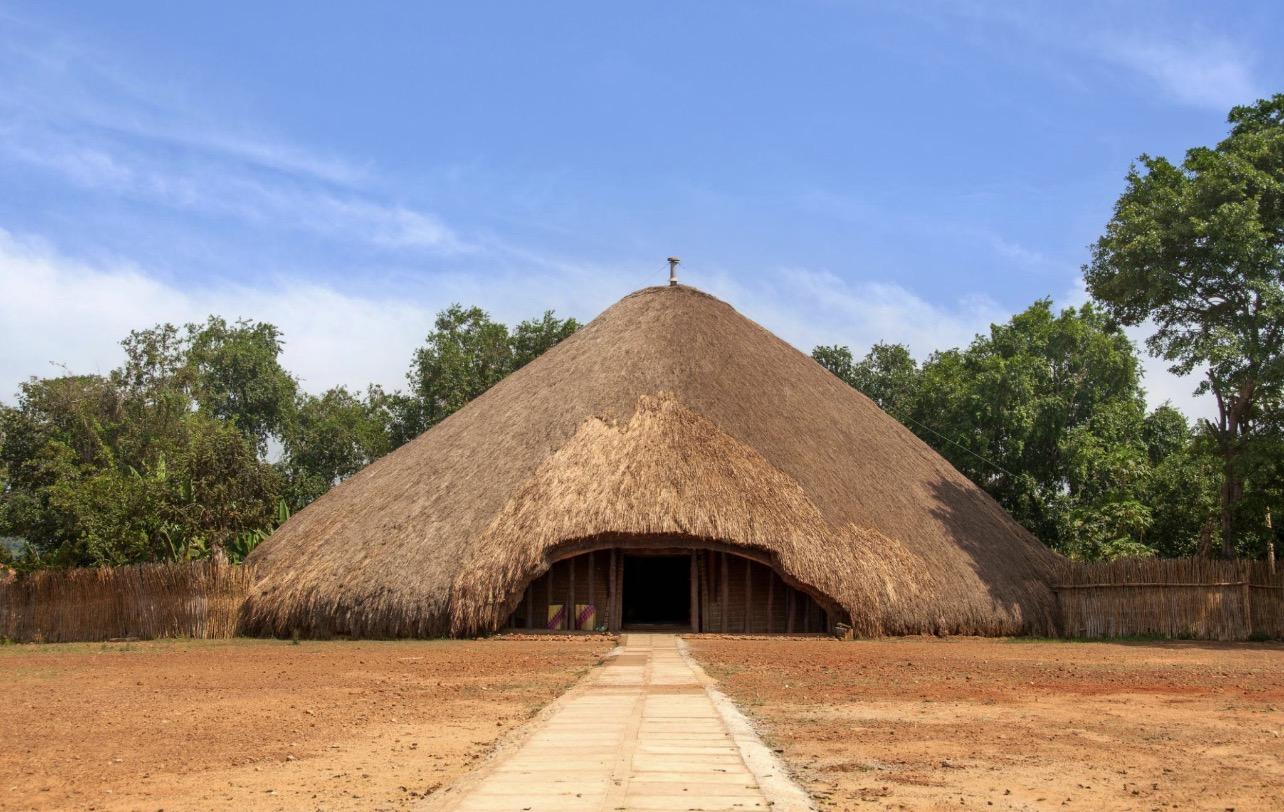
At the heart of the Kasubi Tombs stands the magnificent building known as Muzibu Azaala Mpanga.
This enormous circular structure is the main tomb house where the remains of Buganda kings are buried.
The building itself is an architectural masterpiece made almost entirely from natural materials. The structure is constructed using wood, reeds, grass, bark cloth, and palm leaves.
Its massive dome shaped roof made of thick thatch rises high above the ground, creating a breathtaking interior space.
Inside the structure large wooden pillars support the roof. The walls and decorations include traditional materials that reflect Buganda craftsmanship and spiritual symbolism.
Unlike stone tombs seen in other parts of the world, the Kasubi tombs reflect African architectural traditions that rely on natural materials and skilled craftsmanship.
The building is not just a tomb. It is a sacred space where rituals and ceremonies continue to be performed.
The Kings Who Rest at Kasubi
The Kasubi Royal Tombs are the burial site of four kings of Buganda.
The first king buried there was Kabaka Muteesa the First.
Muteesa ruled Buganda from 1856 to 1884. During his reign Buganda expanded its influence and strengthened its political power.
He also played a major role in opening Buganda to the outside world. Arab traders, Christian missionaries, and explorers visited his court.
Muteesa skillfully balanced these foreign influences while maintaining Buganda sovereignty.
After his death he was buried at Kasubi Hill, transforming the palace into a royal burial ground.
The second king buried there was Kabaka Mwanga the Second.
Mwanga ruled during a turbulent time when European colonial powers were expanding across Africa.
His reign is remembered for the religious conflicts that occurred as Christian missionaries gained influence in the region.
Mwanga resisted foreign interference and attempted to maintain traditional authority.
The third king buried at Kasubi is Kabaka Daudi Chwa the Second.
Daudi Chwa ruled during the early twentieth century under British colonial rule.
Although the British controlled much of the political power, Daudi Chwa remained an important cultural leader for the Buganda people.
The fourth king buried there is Kabaka Sir Edward Muteesa the Second.
He was both the Kabaka of Buganda and later became the first President of independent Uganda.
His life represented the complex relationship between traditional leadership and modern national politics.
The Spiritual Importance of the Tombs
To understand the Kasubi Royal Tombs, one must understand the spiritual beliefs of the Buganda people.
In Buganda tradition the Kabaka does not simply disappear after death.
His spirit continues to exist and remains connected to the kingdom.
The tombs therefore become places where the living can communicate with the spiritual presence of past kings.
Special caretakers known as guardians of the tombs maintain the site and conduct rituals.
These guardians follow strict traditions that have been passed down for generations.
Women known as Nalinya play important roles in the spiritual management of the tombs. They perform rituals and ensure that traditions are respected.
Visitors to the tombs often remove their shoes as a sign of respect before entering the sacred structure.
The atmosphere inside the tomb house is quiet and deeply spiritual.
It is a place where history, religion, and cultural identity merge together.
Colonial Encounters and Cultural Survival
During the late nineteenth and early twentieth centuries European colonial powers expanded across Africa.
Uganda eventually became a British protectorate.
Colonial rule brought many changes to Buganda society.
Political authority shifted toward colonial administrators, and Western systems of governance were introduced.
Despite these changes the Buganda kingdom managed to preserve many of its cultural traditions.
The Kasubi Royal Tombs remained an important symbol of Buganda identity even during colonial rule.
British officials recognized the cultural significance of the site and generally allowed traditional practices to continue.
This helped the tombs survive during a time when many African traditions were being suppressed elsewhere.
Kasubi as a Symbol of Identity
For the people of Buganda the Kasubi Royal Tombs represent more than history.
They represent identity, unity, and continuity.
The tombs remind the Buganda people of their ancestors, their kings, and the traditions that shaped their society.
Ceremonies held at Kasubi often attract large gatherings of people.
During important cultural events members of the Buganda royal family, clan leaders, and citizens come together to honor the legacy of the kingdom.
These ceremonies reinforce the connection between past and present.
Recognition by the World
In 2001 the Kasubi Royal Tombs were recognized by the United Nations Educational Scientific and Cultural Organization as a World Heritage Site.
This recognition acknowledged the global importance of the site.
UNESCO described the Kasubi Tombs as one of the most remarkable examples of traditional African architecture and cultural heritage.
The site was praised not only for its architectural beauty but also for its living cultural traditions.
Unlike many historical sites that exist only as ruins, Kasubi continues to function as an active cultural and spiritual center.
The Tragic Fire
One of the most dramatic moments in the history of the Kasubi Tombs occurred in 2010.
A devastating fire broke out at the site and destroyed the main tomb house.
The enormous thatched structure that had stood for more than a century was reduced to ashes.
The news shocked people across Uganda and around the world.
Many Ugandans saw the destruction as a deep cultural loss.
Protests and emotional reactions followed as people demanded answers about the cause of the fire.
The tragedy reminded everyone how fragile cultural heritage can be.
Rebuilding the Sacred Site
Despite the devastation the Buganda kingdom and the Ugandan government worked together to rebuild the tombs.
International organizations including UNESCO provided support for restoration.
The rebuilding process carefully followed traditional construction methods.
Skilled craftsmen used the same natural materials and techniques that had been used in the original structure.
This effort ensured that the rebuilt tomb house would remain authentic to Buganda culture.
The reconstruction also became a powerful symbol of resilience.
It showed that even when heritage is damaged, the determination of a community can restore it.
Why Kasubi Became History
The Kasubi Royal Tombs became history because they represent centuries of leadership, culture, spirituality, and identity.
They tell the story of the Buganda kingdom from its powerful kings to its encounters with colonial rule and modern politics.
They also demonstrate the architectural genius of African builders who created massive structures using natural materials and traditional techniques.
Perhaps most importantly the tombs continue to function as living heritage.
They are not simply monuments of the past but places where traditions continue to be practiced.
Every ritual, every ceremony, and every story told at Kasubi keeps the history of Buganda alive.
A Legacy for Future Generations
Today the Kasubi Royal Tombs remain one of the most important cultural landmarks in Africa.
Visitors from around the world travel to Kampala to see this sacred place.
Historians study its history, architects admire its design, and cultural leaders celebrate its significance.
But for the people of Buganda the tombs mean something even deeper.
They represent the spirit of a kingdom that has survived centuries of change.
They remind every generation that their history is not lost.
It lives in the sacred house of kings on Kasubi Hill, where the voices of the past continue to guide the future.

Категории
Больше
Good morning! Here is today’s summary from Nigerian Newspapers: 1. The African Democratic Congress (ADC) has expressed outrage over what it describes as “fiscal vandalism” by the Tinubu administration following the approval of yet another $21 billion in foreign loans by the National Assembly. The party says this new wave of borrowing will drive Nigeria’s public debt...

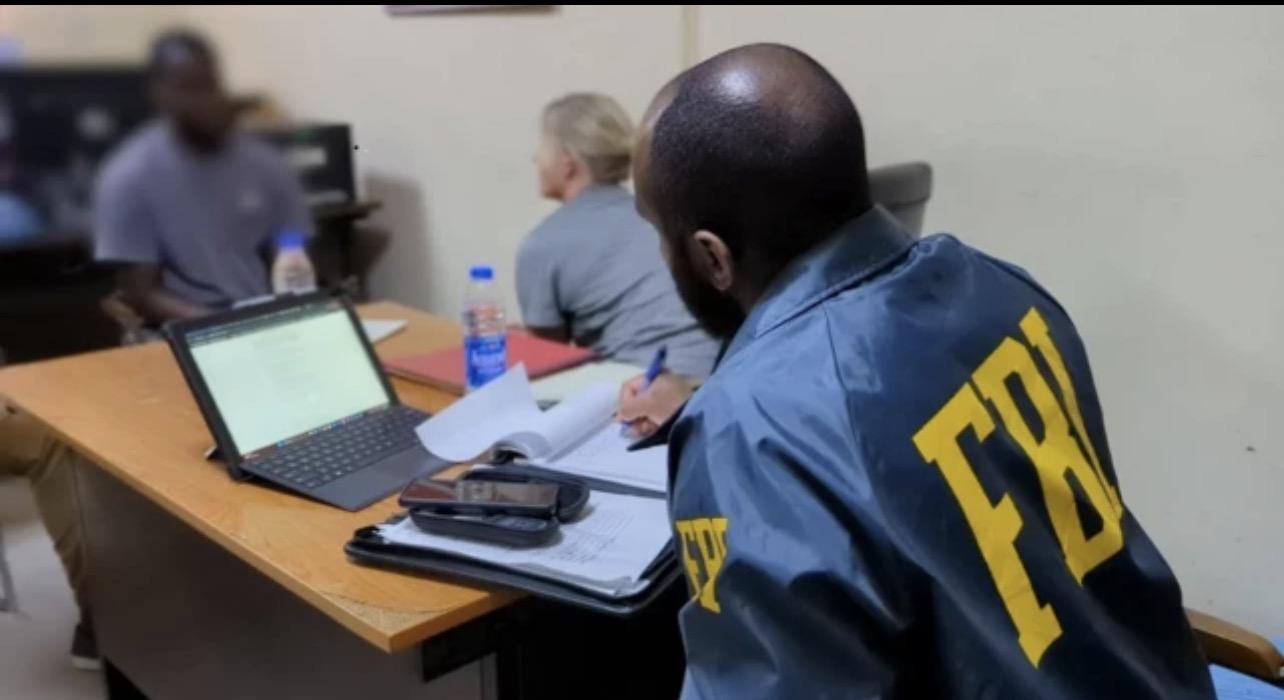
Oladimeji Seun Ayelotan Early Life Oladimeji Seun Ayelotan was a Nigerian national who later became linked to international cybercrime activities. Like many young people seeking better opportunities, his journey took him beyond Nigeria, eventually connecting him to operations outside the country. Moving Abroad and New Connections At some point, Ayelotan was based in South...
The Speaker of the House of Representatives, Tajudeen Abbas, has assured Nigerians of the timely passage of the constitutional amendment bill. Speaking at the National Public Hearing on the review of the 1999 Constitution in Abuja, Abbas pledged that the House would treat public contributions with diligence, fairness, and urgency. He emphasized collaboration with state assemblies, the...

Bisi Komolafe Bisi Komolafe was a Nigerian actress known for her roles in Yoruba Nollywood films. She gained popularity in the late 2000s for her vibrant screen presence, beauty, and ability to portray emotional characters. Though her career was short lived, she left a lasting impression in the Yoruba movie industry. Early Life and Background Bisi Komolafe was born in Ibadan,...

Evangelist Helen Akpabio has stirred debate in Christian circles after publicly condemning the phrase “Happy Birthday,” claiming it originates from the devil. In a recent message, Akpabio urged Christians to abandon the popular greeting, insisting it has no place in the life of a true believer. According to her, using “Happy Birthday” aligns with worldly traditions that...