Environ
The Desert Pearl That Time Could Not Bury The Story of the Ancient City of Ghadames
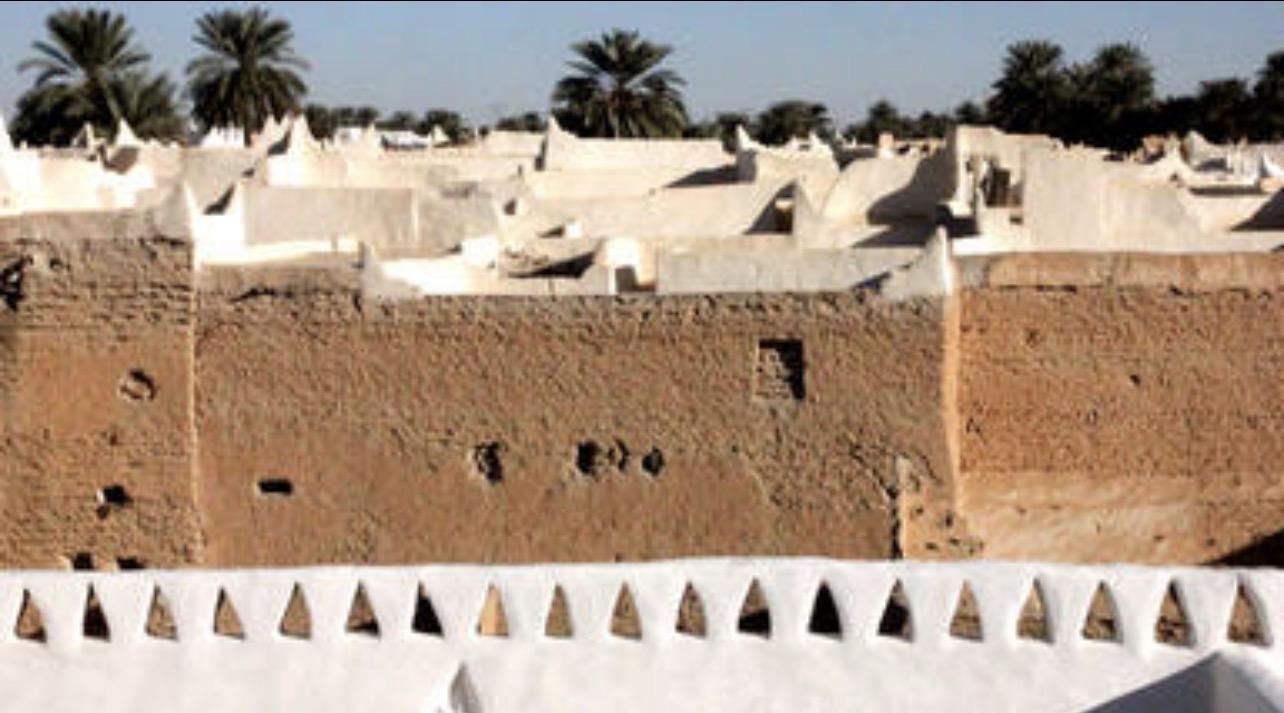
Ancient City of Ghadames
Deep within the vast Sahara Desert, near the borders of Libya, Algeria, and Tunisia, there stands a city that seems to rise out of the sand like a dream carved in white clay. This city is Ghadames, one of the oldest continuously inhabited settlements in North Africa and one of the most fascinating historical places in the Sahara.
For centuries travelers crossing the desert spoke of Ghadames with admiration. They called it the Pearl of the Desert because of its beauty, its clever architecture, and the peaceful oasis life that thrived within its walls. In a region where survival itself was difficult, Ghadames became a center of culture, trade, and civilization.
The story of Ghadames is not just the story of buildings made from mud and palm wood. It is the story of human ingenuity, community cooperation, desert survival, and centuries of history that shaped one of Africa’s most unique cities.
The Origins of Ghadames
The history of Ghadames stretches far back into antiquity. Archaeological evidence suggests that people were living in the oasis area thousands of years ago. The availability of fresh water made the place attractive for settlement in an otherwise harsh desert environment.
The oasis of Ghadames sits above natural underground water sources that allowed early inhabitants to grow palm trees, fruits, and vegetables. In the middle of endless desert dunes, this small patch of greenery became a life giving refuge.
Long before the rise of powerful empires in North Africa, desert tribes and nomadic groups used the oasis as a stopping point during their journeys across the Sahara.
Over time a permanent settlement developed. Early inhabitants built simple homes from mud, clay, and palm trunks. These materials were easily available and helped protect people from the intense desert heat.
As generations passed, the settlement grew larger and more organized, gradually evolving into the ancient city known as Ghadames.
Ghadames in the Age of the Romans
The importance of Ghadames increased during the time of the Roman Empire.
In ancient Roman records the city was known as Cydamus. Roman armies traveling through North Africa recognized the strategic importance of the oasis because it was located along trade routes connecting the Mediterranean coast to the deeper parts of the Sahara.
Roman forces eventually occupied the city and established a military presence there.
Their goal was to control desert trade routes and maintain influence over the nomadic tribes who moved across the Sahara.
Although the Romans brought some administrative control to the region, the local Berber population continued to maintain their traditions and way of life.
Roman influence helped strengthen the city’s role as a trading post. Caravans carrying goods such as gold, ivory, salt, textiles, and spices frequently passed through the oasis.
These early trade activities laid the foundation for the economic importance that Ghadames would enjoy for many centuries.
A City Built to Defeat the Desert
One of the most remarkable aspects of Ghadames is its architecture.
The city was designed in a way that allowed people to live comfortably in one of the harshest climates on Earth.
Temperatures in the Sahara can become extremely hot during the day. In response, the people of Ghadames developed a brilliant urban design that protected residents from the sun and heat.
The houses were built close together and constructed mainly from mud bricks covered with white plaster. This white surface reflected sunlight and helped keep the buildings cool.
Narrow alleyways ran between the houses, many of them covered by rooftops or upper floors. These covered streets created shade and allowed people to walk through the city without being exposed to the burning desert sun.
The architecture of Ghadames created a natural cooling system.
Even during extremely hot days, temperatures inside the houses remained comfortable.
The city was also built vertically. Houses often had multiple floors, each serving a different purpose.
The ground floors were used for storing food and supplies.
The middle floors were used as living spaces.
The rooftops served as social areas where women gathered, talked, and moved between houses without needing to go down into the streets.
This unique structure turned the entire city into a carefully designed environment where life could flourish despite the harsh desert surroundings.
The Golden Age of Caravan Trade
Between the eighth and nineteenth centuries Ghadames experienced its golden age.
The city became one of the most important stops along the trans Saharan trade routes.
Caravans made up of hundreds of camels traveled across the desert carrying valuable goods between sub Saharan Africa and the Mediterranean world.
These caravans often stopped in Ghadames to rest, trade, and replenish supplies.
The city’s markets became lively centers where merchants from different cultures met.
Traders from West Africa, North Africa, and the Middle East exchanged goods, stories, and knowledge.
Gold from regions such as Mali and Niger passed through Ghadames on its way to Mediterranean markets.
Salt mined from desert regions was transported south to African kingdoms.
Textiles, glassware, spices, and other luxury items moved along the same routes.
The wealth generated by this trade helped the city prosper.
Families built elegant homes decorated with beautiful geometric patterns and colorful designs.
Education and culture flourished as well. Scholars and religious teachers lived in the city, teaching Islamic studies and preserving knowledge.
Ghadames became known not only for trade but also for its learning and cultural life.
The Social Structure of the City
Life in Ghadames was carefully organized.
The community was built on cooperation and shared responsibility.
Families lived in large interconnected houses that were often passed down through generations.
Each house had its own unique design but followed the general architectural principles that defined the city.
Women played an important role in the social life of Ghadames.
Because the rooftops were connected, women could visit neighbors, share news, and maintain strong social networks without leaving the upper parts of the city.
Meanwhile men conducted business in the markets or traveled with caravans across the Sahara.
The city also had systems for distributing water from the oasis.
Water channels were carefully managed to ensure that farms and gardens received the necessary supply.
Palm groves surrounding the city produced dates which became one of the main agricultural products of the region.
These groves also helped create shade and cooler conditions within the oasis.
Religion and Cultural Life
Islam played a central role in the life of Ghadames.
Mosques were important gathering places where people prayed, studied religious texts, and discussed community matters.
Islamic scholars in the city taught students about law, theology, and philosophy.
Festivals and religious celebrations were important moments in the social calendar.
During these events the streets of Ghadames were filled with music, storytelling, and traditional food.
The culture of the city reflected a blend of Berber traditions and Islamic influences.
Clothing, art, and architecture all carried elements of this cultural mixture.
Visitors often admired the beauty of the city’s interiors.
The walls of homes were decorated with intricate patterns painted in bright colors.
These decorations were not only artistic expressions but also symbols of family pride and identity.
European Explorers Discover Ghadames
For centuries Ghadames remained relatively unknown to the outside world beyond the Sahara trade networks.
However during the nineteenth century European explorers began traveling across North Africa and documenting the cities they encountered.
Many were fascinated by Ghadames.
They described it as one of the most remarkable desert cities they had ever seen.
The carefully designed streets, the white walls glowing under the desert sun, and the peaceful oasis environment made a strong impression on visitors.
These explorers helped introduce the city to the wider world through their travel writings.
Ghadames became known internationally as a unique example of desert urban planning and traditional Saharan architecture.
Colonial Period and Changes
During the twentieth century Libya experienced major political changes.
The region eventually came under Italian colonial rule.
Modern transportation and political shifts began to change the traditional caravan trade system that had sustained cities like Ghadames for centuries.
As new roads and economic systems developed, the importance of desert caravans declined.
Many residents gradually moved to newer parts of the city built outside the ancient walls.
While the old city remained beautiful, it became less practical for modern living.
Preserving the Ancient City
Recognizing the historical value of Ghadames, efforts were made to preserve the ancient settlement.
The old city became an important cultural heritage site.
Historians, architects, and cultural organizations studied the unique urban design of the city.
In 1986 the ancient city of Ghadames was recognized as a UNESCO World Heritage site.
This recognition highlighted the importance of preserving the city as an example of traditional human adaptation to extreme environments.
The old town remains one of the best preserved desert cities in the world.
Visitors who walk through its narrow shaded streets can still experience the atmosphere of a place where history lives within every wall.
Why Ghadames Is a Historical Treasure
The city of Ghadames is historically important for several reasons.
First it represents thousands of years of continuous human settlement in the Sahara.
Second it shows how human communities can design cities that work in harmony with nature rather than against it.
The architecture of Ghadames is a masterpiece of environmental adaptation.
Third the city played a significant role in the trans Saharan trade networks that connected different civilizations across Africa and the Mediterranean.
These trade routes helped spread ideas, cultures, and goods across vast distances.
Finally Ghadames stands as a symbol of cultural resilience.
Despite wars, political changes, and economic transformations, the ancient city still stands as a reminder of human creativity and cooperation.
The Living Memory of the Dessert
Today the ancient streets of Ghadames remain quiet compared to the bustling markets of centuries past.
But the spirit of the city continues to live in its architecture, its traditions, and its history.
The white buildings rising from the desert sands tell a story of people who refused to let the harsh environment defeat them.
Instead they built a city that worked with the desert and turned an oasis into a thriving civilization.
The story of Ghadames reminds us that even in the most challenging landscapes, human ingenuity can create beauty, culture, and lasting history.

Catégories
Lire la suite
A simmering political crisis has erupted in Lagos as President Bola Tinubu has expressed deep anger at Governor Babajide Sanwo-Olu over the illegal allocation of 96 hectares of prime land in Banana Island to developers connected to political insiders. Sources told SaharaReporters that the fallout from the land deals has triggered political manoeuvring and tense negotiations within the ruling...

M.I Abaga M.I Abaga, whose full name is Jude Lemfani Abaga, is one of Nigeria’s most influential rappers, record executives, and music producers. Born on October 4, 1981, in Jos, Plateau State, Nigeria, M.I Abaga is widely regarded as a pioneer of modern Nigerian hip hop and one of Africa’s greatest lyricists. Raised in Jos, M.I grew up in a creative and...

According to reports by The Telegraph on Monday, June 16, Iran is urgently seeking to de-escalate its growing conflict with Israel and has expressed willingness to resume nuclear negotiations provided the United States refrains from joining Israel’s military campaign, according to officials familiar with the matter. Multiple diplomatic sources told The Wall Street Journal that Tehran has...

Femi Brainard Femi Brainard is a Nigerian actor, television presenter, producer, and entrepreneur known for his refined roles in Nollywood films and television shows. He was born on May 27, 1975, in the United States of America, but he is originally from Lagos State, Nigeria. His full name is Olufemi Brainard. Despite being born abroad, he was raised partly in Nigeria and has deep...

Day 1 of the World Test Championship Final at Lord’s, London, belonged to South Africa. They bowled out Australia for 211, thanks to a sensational 5-wicket haul by Kagiso Rabada (5–51), and closed the day with Australia struggling at 19–2 . Rabada spearheaded the Proteas’ disciplined bowling attack, delivering a fiery opening burst that rattled the Aussie top...