Sobre
Sobre
Juka Darboe and the Vision That Turned 3D Printing Into Hope for Patients in The Gambia
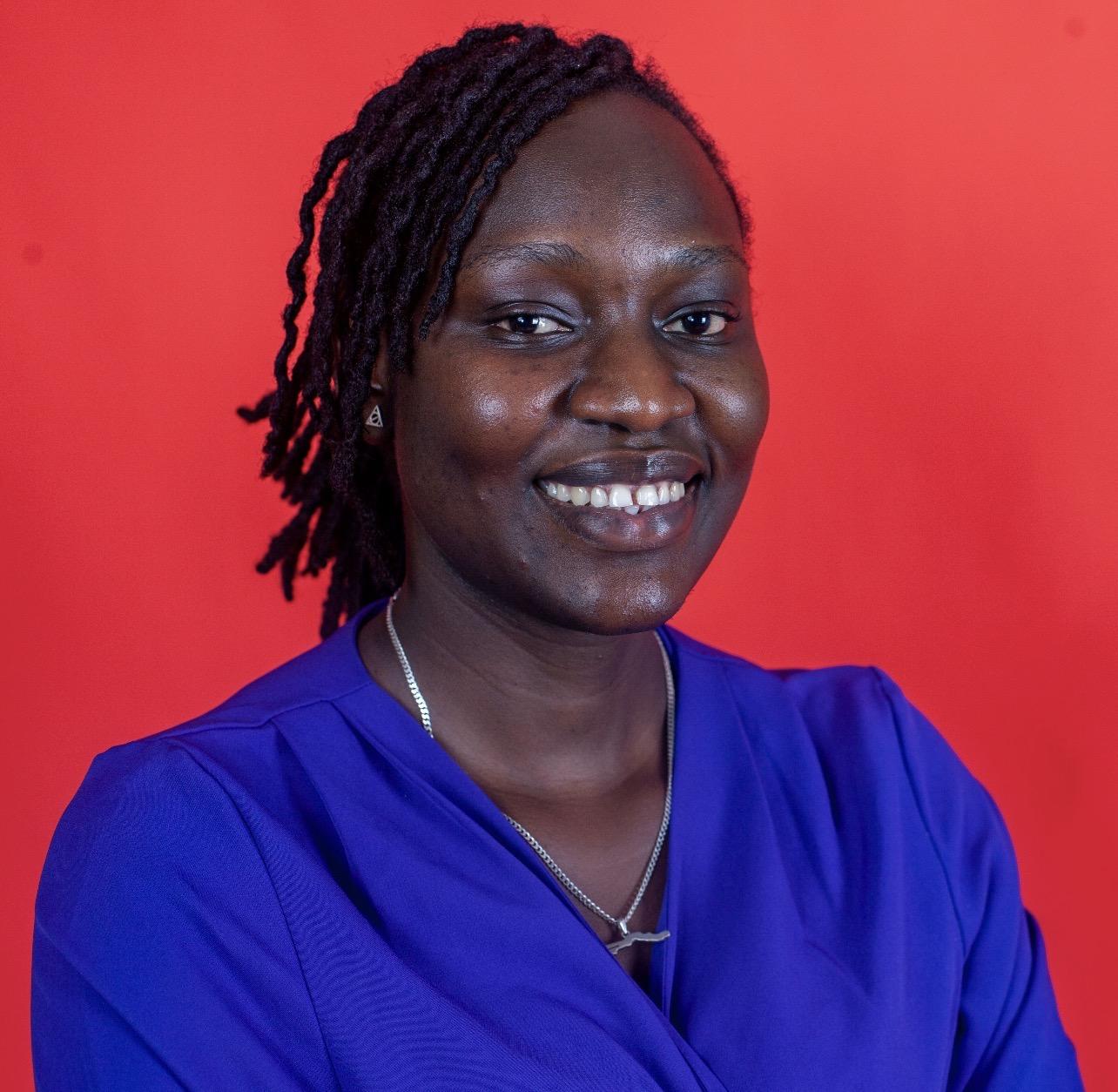
Juka Darboe
Across Africa, stories of innovation often begin with a challenge. For Juka Darboe of The Gambia, the challenge was clear and deeply human. Many people across Africa lose limbs through accidents, illness, or birth conditions, yet access to prosthetic limbs is extremely limited. Imported prosthetics are often expensive and difficult to obtain, leaving thousands of people unable to walk, work, or live independently.
Instead of accepting this reality, Juka Darboe chose to challenge it. Through determination, learning, and creativity, he became one of the young innovators working to transform healthcare technology in Africa. His initiative, Make3D Medical, focuses on using 3D printing technology to create affordable prosthetic limbs and medical devices. The idea may sound simple, but the impact is profound.
This is the story of how a young Gambian innovator turned curiosity about technology into a mission that brings dignity, mobility, and hope to people who need it most.
Early Life and Curiosity About Technology
Juka Darboe grew up in The Gambia, a small West African country known for its rich culture and resilient people. Like many young Africans, he witnessed both the beauty of community life and the challenges that come with limited access to advanced healthcare.
From an early age, Juka showed curiosity about how things worked. Electronics, machines, and tools fascinated him. While other children might have been satisfied using a device, he often wanted to understand what was inside it.
Friends and family members remember him taking apart gadgets just to see their components. Sometimes he could put them back together again. Other times he could not. But each experiment taught him something new.
This curiosity eventually led him toward science and technology. As he grew older, he began to explore computer technology and digital design. These interests would later become the foundation for his groundbreaking work.
Discovering the Power of 3D Printing
At some point during his journey into technology, Juka Darboe discovered 3D printing. This technology allows machines to create physical objects layer by layer using digital designs. With the right materials and design files, a 3D printer can produce tools, parts, medical devices, and even prosthetic limbs.
For Juka, the discovery was eye opening.
He realized that 3D printing could solve one of the biggest problems in African healthcare. Medical devices often have to be imported from overseas, which makes them expensive and difficult to access.
But with 3D printing, these devices could be produced locally.
Instead of waiting months for imported equipment, hospitals or local workshops could create customized medical tools within hours or days.
That realization changed everything.
Juka began experimenting with 3D design and printing techniques. He studied how prosthetic limbs are built and how they function. He explored software used to design medical devices and learned how digital models could become real objects.
The more he learned, the more convinced he became that this technology could change lives.
The Birth of Make3D Medical
With this vision growing stronger, Juka Darboe founded Make3D Medical, an initiative dedicated to producing affordable medical solutions through 3D printing technology.
The goal was simple but ambitious.
Create locally produced prosthetic limbs and assistive medical devices that are affordable for people in The Gambia and across Africa.
Traditionally, prosthetic limbs are expensive. Many cost hundreds or even thousands of dollars. For families in developing countries, these prices are often impossible to afford.
Even when charitable organizations provide prosthetics, supply is limited and waiting lists can be long.
Make3D Medical aims to change that reality.
By using 3D printers and digital design tools, prosthetics can be produced at a fraction of the cost. They can also be customized to fit each patient perfectly.
Instead of relying on imported devices, communities can build their own solutions.
How the Technology Works
The work of Make3D Medical involves several steps, each combining technology with human care.
First, measurements of the patient are taken. This ensures that the prosthetic limb will fit comfortably and function properly.
Next, a digital model is created using computer design software. The prosthetic is carefully designed to match the patient’s body and needs.
Once the design is ready, it is sent to a 3D printer.
The printer then begins building the prosthetic limb layer by layer using durable materials such as specialized plastics.
After printing is completed, the prosthetic is assembled, adjusted, and tested to ensure it works correctly.
The final step is fitting the prosthetic to the patient and teaching them how to use it.
This process allows for rapid production and personalization that traditional manufacturing methods often cannot achieve.
Transforming Lives Through Affordable Prosthetics
For many patients, receiving a prosthetic limb is more than a medical procedure. It is the return of independence.
People who once struggled to move can walk again.
Children who once faced social isolation can participate in school and play.
Adults who lost limbs due to accidents or illness can return to work and support their families.
Juka Darboe understood that his work was not just about technology. It was about restoring dignity.
Each prosthetic limb produced by Make3D Medical represents a story of hope.
A farmer who can return to the fields.
A student who can walk confidently into the classroom.
A parent who can hold their child while standing again.
These transformations are what drive the mission forward.
Innovation in African Healthcare
One of the most important aspects of Juka Darboe’s work is that it demonstrates the power of local innovation.
Too often, technological solutions for Africa are developed outside the continent and then imported.
But innovators like Juka prove that Africans themselves can design and build solutions tailored to their communities.
By combining digital technology with practical needs, Make3D Medical shows how local expertise can solve local problems.
This approach also strengthens technological capacity in the region.
Young engineers, designers, and medical professionals can learn new skills related to 3D printing, biomedical engineering, and digital design.
In this way, the project helps build a new generation of innovators.
Recognition and Inspiration
As news of Juka Darboe’s work began to spread, many people recognized the importance of his innovation.
His efforts have been highlighted in discussions about African technology, healthcare innovation, and youth driven solutions to global problems.
What makes his story powerful is not only the technology involved but also the mindset behind it.
Instead of waiting for change, he decided to create it.
His work serves as inspiration for young Africans who want to pursue careers in science, engineering, and medicine.
It shows that innovation does not always require massive laboratories or enormous funding. Sometimes it begins with a simple idea and the determination to pursue it.
Challenges Along the Journey
Innovation rarely happens without obstacles.
For projects like Make3D Medical, challenges can include funding, equipment availability, training, and awareness.
3D printers and specialized materials can be expensive, especially in regions where technology infrastructure is still developing.
There are also regulatory and medical standards that must be followed to ensure patient safety.
Despite these challenges, Juka Darboe and his collaborators continue to push forward.
Each obstacle becomes another opportunity to learn, adapt, and improve.
The Future of Make3D Medical
The potential for 3D printing in healthcare is enormous.
Beyond prosthetic limbs, the technology can also produce other medical tools such as orthopedic braces, surgical models, assistive devices, and educational training models for doctors.
Juka Darboe envisions a future where local innovation hubs across Africa can produce medical equipment quickly and affordably.
Imagine hospitals that can print customized medical devices on demand.
Imagine clinics in remote areas producing tools locally instead of waiting for shipments from overseas.
This vision represents a major shift in how healthcare technology is delivered.
Make3D Medical is part of that transformation.
A Symbol of African Innovation
Today, Juka Darboe stands as a symbol of what is possible when technology meets compassion.
His journey reflects the spirit of modern African innovation.
Young thinkers across the continent are developing solutions in agriculture, medicine, education, and engineering.
These innovators are not simply copying ideas from elsewhere. They are creating solutions designed for their own communities.
Juka’s work reminds us that innovation is not only about machines or software. It is about people.
It is about understanding real problems and using creativity to solve them.
The Human Impact
Perhaps the most powerful part of this story lies in the lives changed by Make3D Medical.
Every prosthetic limb delivered to a patient represents a victory.
A victory over physical limitation.
A victory over economic barriers.
A victory over the idea that advanced technology belongs only to wealthy nations.
Through his work, Juka Darboe shows that innovation can emerge from anywhere and serve anyone.
His journey continues to inspire technologists, doctors, and young dreamers across Africa.
And as 3D printing technology becomes more accessible, the mission of Make3D Medical may expand far beyond The Gambia.
What began as a vision in the mind of a curious young innovator has become a movement toward accessible healthcare technology.
It is proof that sometimes the most powerful inventions are those that restore something simple yet precious.
The ability to stand.
The ability to walk.
The ability to live life with dignity.
Conclusion
Juka Darboe’s story is not only about a technological invention. It is about courage, imagination, and the determination to solve problems that affect real people.
By founding Make3D Medical and using 3D printing technology to create affordable prosthetic limbs, he has demonstrated how innovation can directly improve lives.
His work stands as an example of what can happen when talent meets purpose.
In a world where access to healthcare technology remains unequal, initiatives like Make3D Medical offer a glimpse of a more hopeful future.
A future where technology is not limited by geography.
A future where innovation is driven by compassion.
And a future where people like Juka Darboe continue to prove that Africa’s greatest resource is the creativity and determination of its people.

Categorias
Leia mais
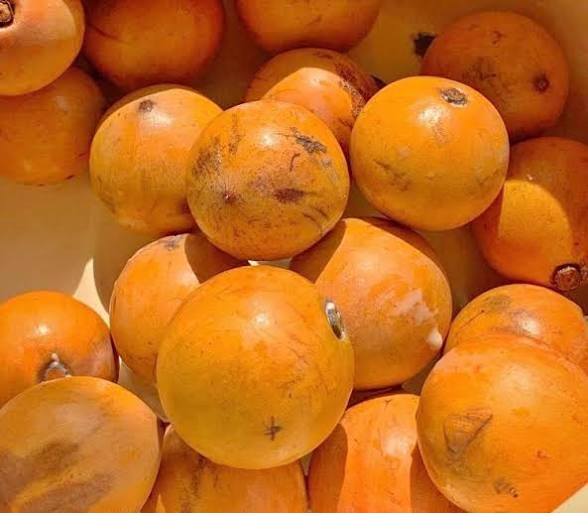
Agbalumo Fruit Importance Agbalumo is a popular tropical fruit widely eaten in Nigeria and other parts of West Africa. The fruit has a sweet and slightly sour taste and is highly valued for its nutritional and health benefits. 1. Rich in Vitamin C Agbalumo contains a high amount of Vitamin C, which helps strengthen the immune system. It helps the body fight infections, colds, and...
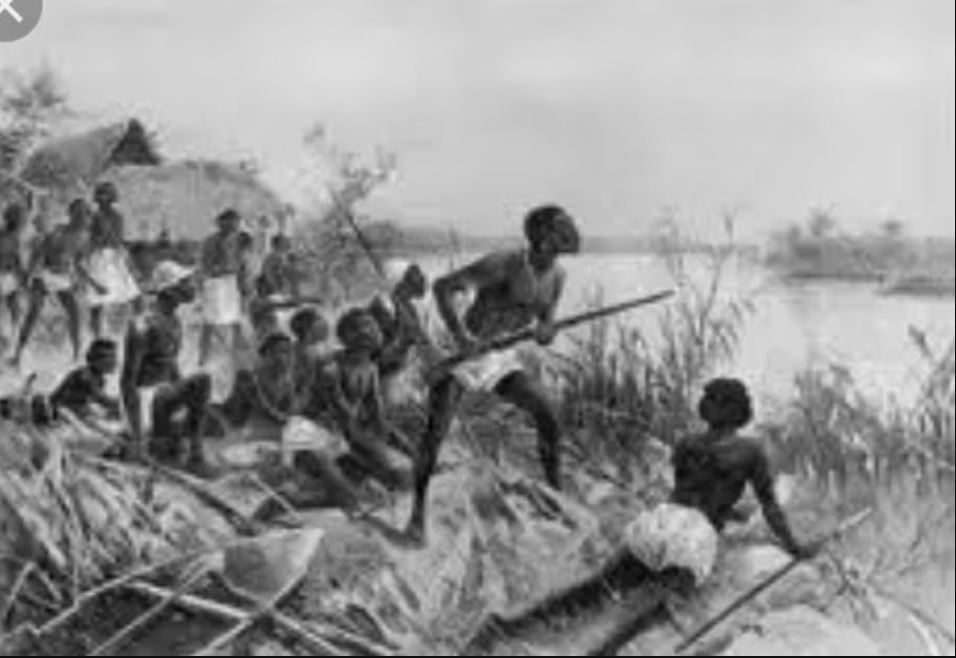
A Historical Account The Kiriji War, also known as the Ekiti Parapo War or more broadly the Yoruba Civil War, was a prolonged conflict fought between 1877 and 1893. Lasting over sixteen years, it ranks among the longest civil wars in African history and marked a decisive turning point in the political history of the Yoruba people. Historical Background The roots of the Kiriji War lie in...
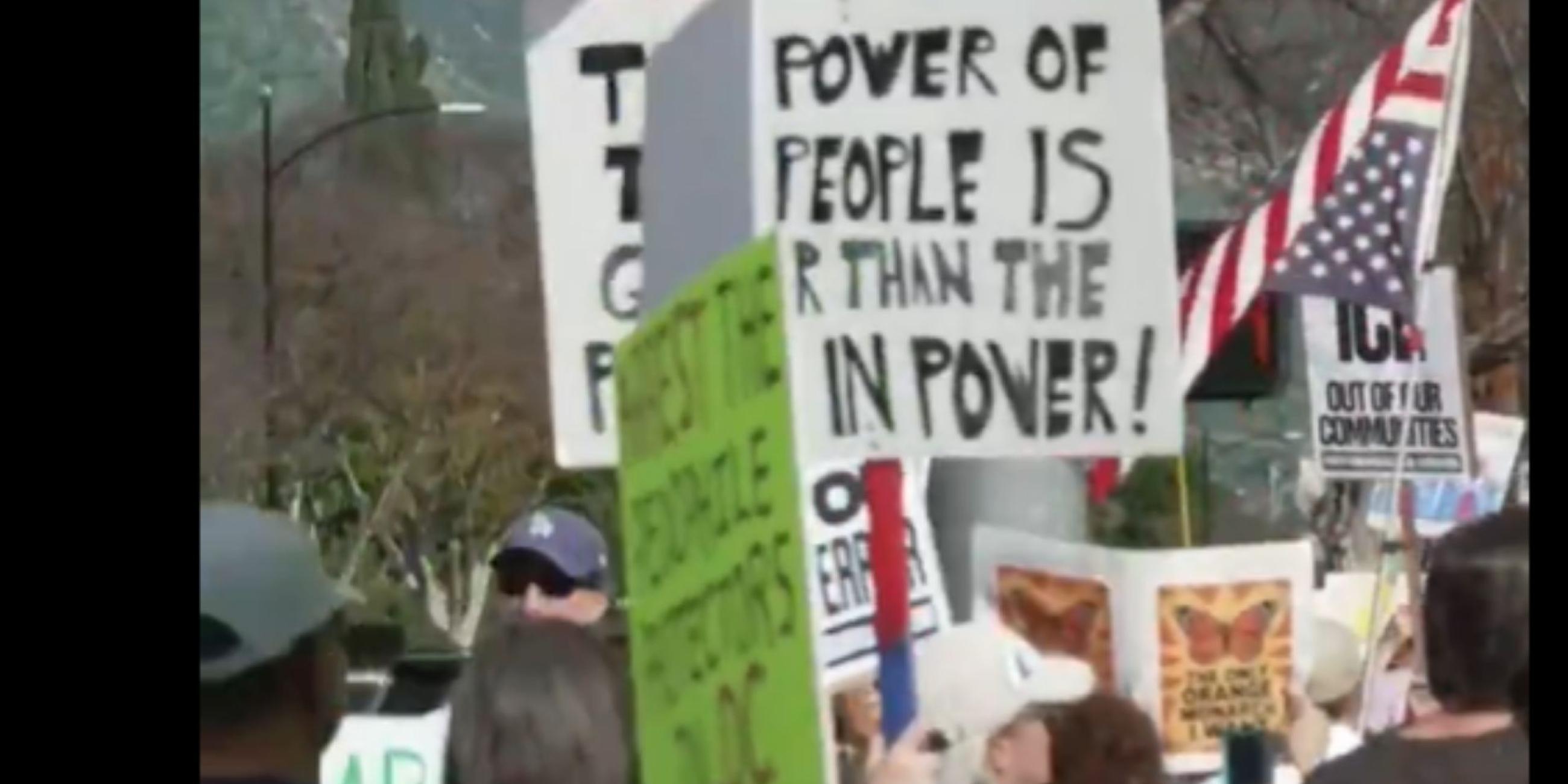
On Tuesday, protesters took to the streets in major U.S. cities, including California and New York, to voice their opposition to President Donald Trump’s policies as he marked one year since returning to the White House. The demonstrations were part of a nationwide wave condemning his administration’s immigration policies, foreign relations approach, and governance style....
Zedd Zedd, whose real name is Anton Zaslavski, is a German-Russian DJ, music producer, and songwriter known for his electronic dance music (EDM) hits and global collaborations. He is one of the most successful producers in modern pop and electronic music. Zedd was born on September 2, 1989, in Saratov, Russia. Early Life and Background Zedd was born in Russia but moved to Germany with...
He prayed until his knees knew the floor better than the road to success. They told him faith was enough.They said waiting was obedience.So he waited… while life passed him by. Years slipped away. Hunger replaced hope. Dreams grew old and tired. Inside the church, his hands were always lifted—but outside, his pockets stayed empty. One night, broken and starving, a painful truth...