About
About
Ludo Ntshiwa The Botswana Innovator Turning Waste Into Clean Energy
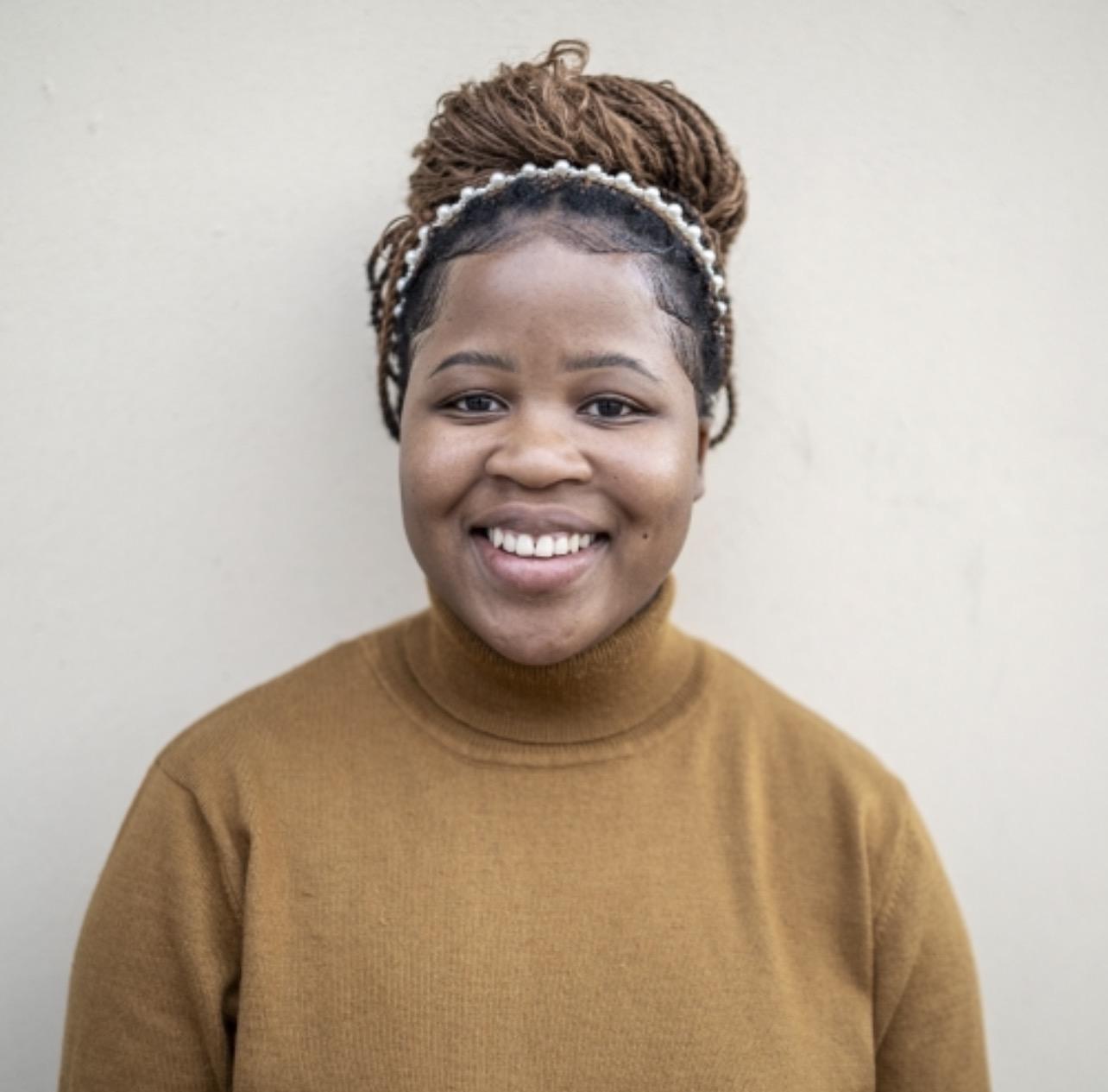
Ludo Ntshiwa
In many parts of Africa the struggle for clean and affordable energy has shaped the daily lives of millions of people. For decades families have relied heavily on firewood and charcoal for cooking and heating. This dependence has led to severe deforestation, rising fuel prices, and environmental damage across many countries. In Botswana, a land known for its vast deserts, wildlife, and diamond wealth, the challenge of sustainable energy has also been deeply felt.
From this challenge emerged a visionary mind named Ludo Ntshiwa. Through determination, curiosity, and a desire to solve real problems facing communities, Ntshiwa helped introduce an innovative solution that transformed waste materials into useful fuel. That solution was biomass briquettes.
The story of Ludo Ntshiwa is not just about invention. It is a story about seeing opportunity where others see waste, about turning environmental problems into economic solutions, and about inspiring a generation of African innovators to think differently about energy.
Early Life and Curiosity
Ludo Ntshiwa was born and raised in Botswana, a country located in Southern Africa that is widely known for its political stability and growing economy. Despite the nation’s progress, many rural communities still depend heavily on traditional cooking fuels such as firewood and charcoal.
Growing up in this environment allowed Ntshiwa to witness the daily routines of families who had to gather firewood for cooking. In many households it was common for women and children to spend hours collecting wood from forests and bushlands. This practice was not only time consuming but also harmful to the environment.
Young Ntshiwa began to notice something important. Every day large amounts of organic waste were being thrown away. Agricultural residues, sawdust from carpentry workshops, and plant materials from farms often ended up as waste. At the same time people were cutting down trees just to obtain fuel.
This contrast planted an idea in Ntshiwa’s mind. What if waste materials could be turned into a reliable source of energy?
Education and Growing Interest in Sustainable Solutions
As Ntshiwa pursued education and exposure to technology and environmental issues, the idea of renewable and sustainable energy became more compelling. Botswana, like many African countries, has a large amount of agricultural activity that produces plant waste. These materials include maize stalks, grass residues, wood chips, and other biomass.
In many developed parts of the world researchers had already begun exploring ways to convert such materials into fuel. One of the most promising forms was biomass briquettes.
Biomass briquettes are compressed blocks of organic waste that can be burned as fuel. They are made by compressing materials such as sawdust, crop residues, paper waste, and plant fibers. When properly manufactured these briquettes burn longer and cleaner than ordinary firewood.
Ntshiwa became fascinated with this concept. Instead of cutting trees for charcoal, communities could recycle waste materials and turn them into a sustainable energy source.
The Birth of an Idea
The concept of biomass briquettes may sound simple, but implementing it in a developing environment requires creativity and persistence.
Ntshiwa began experimenting with different forms of organic waste. Materials such as sawdust, dry leaves, agricultural residues, and shredded plant matter were tested to see how well they could be compressed and burned.
The process involved several steps. First the organic waste had to be collected and dried. Moisture content plays a major role in determining whether briquettes will burn efficiently. After drying, the materials had to be ground or shredded into small particles.
Next came the compression stage. The loose material was pressed together using mechanical pressure to form solid blocks or cylindrical shapes. In some cases natural binders such as starch were used to help hold the briquettes together.
When properly formed and dried, the briquettes could burn slowly and produce consistent heat.
Ntshiwa realized that this method could change the way communities think about waste and energy.
Turning Waste Into Valuable Fuel
The invention and development of biomass briquettes created several important benefits.
First it offered an alternative to firewood and charcoal. By using agricultural waste and sawdust, communities could reduce the need to cut down trees.
Second it created economic opportunities. Collecting waste materials, processing them, and producing briquettes could become a small scale business for entrepreneurs.
Third it reduced pollution. Traditional charcoal production often involves burning wood in inefficient kilns that release large amounts of smoke and carbon emissions. Briquettes made from recycled biomass produce less smoke and can burn more efficiently.
Ntshiwa’s work demonstrated that energy solutions do not always require expensive technologies. Sometimes the most powerful innovations come from simple ideas applied in practical ways.
Challenges Along the Way
Like many innovators in Africa, Ntshiwa faced several obstacles while trying to introduce biomass briquettes.
One major challenge was awareness. Many people were unfamiliar with briquettes and did not immediately trust them as a replacement for traditional fuels. Convincing households and businesses to adopt a new energy source required education and demonstration.
Another challenge was equipment. Manufacturing briquettes requires machines capable of compressing biomass under high pressure. In some cases these machines can be expensive, which makes it difficult for small entrepreneurs to start production.
Ntshiwa and others working in this field had to find ways to create affordable production systems that could be used in local communities.
There were also logistical challenges related to collecting raw materials. Agricultural waste is often scattered across farms and villages, so building an efficient supply chain required coordination and organization.
Despite these difficulties Ntshiwa remained focused on the bigger goal.
Environmental Impact
One of the most important aspects of Ntshiwa’s work is its environmental impact.
Deforestation remains a serious issue in many African countries. When trees are cut down faster than they can grow back, ecosystems are damaged and soil erosion increases.
Biomass briquettes help address this problem by reducing dependence on wood fuel.
Instead of cutting trees, communities can use waste materials that would otherwise be discarded. This approach supports the idea of a circular economy in which resources are reused rather than wasted.
Another environmental benefit is the reduction of carbon emissions. While briquettes still produce carbon dioxide when burned, the overall impact is lower because the raw materials come from renewable biomass rather than freshly cut trees.
In addition briquettes often burn more efficiently than raw firewood, producing less smoke and fewer harmful pollutants.
Social Impact on Communities
Beyond environmental benefits the invention and promotion of biomass briquettes have had important social effects.
In many rural areas women are primarily responsible for cooking and gathering firewood. This task can take several hours each day.
By providing a reliable alternative fuel source, briquettes reduce the time spent collecting firewood. This allows families to focus on other activities such as education, farming, and small businesses.
Health is another important factor. Smoke from traditional cooking fires is a major cause of respiratory problems in many households. Cleaner burning briquettes can help reduce indoor air pollution.
Ntshiwa’s work therefore contributes not only to environmental sustainability but also to improved quality of life for many families.
Economic Opportunities
The production of biomass briquettes can also create jobs.
Small scale factories can be established to collect raw materials, process biomass, and manufacture briquettes for sale. These businesses can operate in both rural and urban areas.
For farmers the system offers an additional source of income. Instead of throwing away crop residues they can sell them to briquette producers.
Entrepreneurs who invest in briquette production can supply fuel to restaurants, households, and small industries that require heat for cooking or processing.
Ntshiwa’s vision demonstrates how environmental innovation can also support economic development.
Growing Recognition
As interest in renewable energy grows across Africa, innovators like Ludo Ntshiwa have gained recognition for their efforts.
The concept of biomass briquettes has attracted attention from environmental organizations, development agencies, and sustainability advocates who see it as a practical solution to energy and waste management challenges.
Botswana itself has begun exploring more sustainable energy options, including solar power and biomass energy.
Ntshiwa’s work represents a broader movement across the continent in which local innovators are developing solutions tailored to African conditions.
The Future of Biomass Energy in Africa
Africa possesses enormous potential for biomass energy. The continent produces vast quantities of agricultural waste every year.
If properly harnessed, these materials could provide sustainable fuel for millions of households.
The success of innovators like Ntshiwa shows that progress does not always depend on massive infrastructure projects. Sometimes change begins with a simple idea and the determination to bring it to life.
Biomass briquettes could play an important role in the future energy mix of many African countries. They offer a renewable alternative that reduces environmental damage while supporting local economies.
A Legacy of Innovation
The story of Ludo Ntshiwa is ultimately a story about vision.
By recognizing the value hidden in waste materials, Ntshiwa helped introduce a cleaner and more sustainable way of producing fuel. The invention and promotion of biomass briquettes show how practical innovation can address real problems faced by everyday people.
Ntshiwa’s work continues to inspire entrepreneurs, engineers, and environmental advocates who believe that Africa can lead the way in developing sustainable solutions.
In a world where energy demand continues to grow and environmental concerns are becoming more urgent, the importance of such ideas cannot be overstated.
From sawdust and plant residues to compressed briquettes that power cooking fires, the journey reflects a powerful message. Waste is not always waste. With the right mindset and determination it can become the foundation for innovation and progress.
Ludo Ntshiwa’s story reminds us that sometimes the most impactful inventions begin with a simple question. What if the things we throw away could help power the future?

Categories
Read More
Divine Ikubor Rema (born Divine Ikubor, May 1, 2000) is a Nigerian singer, songwriter, and performer from Benin City, Edo State, best known for creating the “Afrorave” sound—a mix of Afrobeats, pop, trap, and global melodies that helped push Nigerian music deeper into mainstream international charts. Early life and background Rema grew up in Benin City and experienced heavy...

Aminat (POV) I knew I was poor long before I understood the word for it. Poverty announced itself in our one-room apartment in Ajegunle, in the cracked walls, in the way rain bullied its way through the roof, in the silence that followed my parents’ whispered arguments at night. I watched other girls walk past our street with clean shoes and careless laughter, and something...

Abubakar Imam Early Life Abubakar Imam was born in 1911 in Kagara, a town in northern Nigeria. He grew up in a traditional Hausa environment where storytelling, culture, and oral history were part of everyday life. From a young age, he showed interest in learning and storytelling. His early education combined Islamic teachings and Western-style schooling, which shaped his ability to...
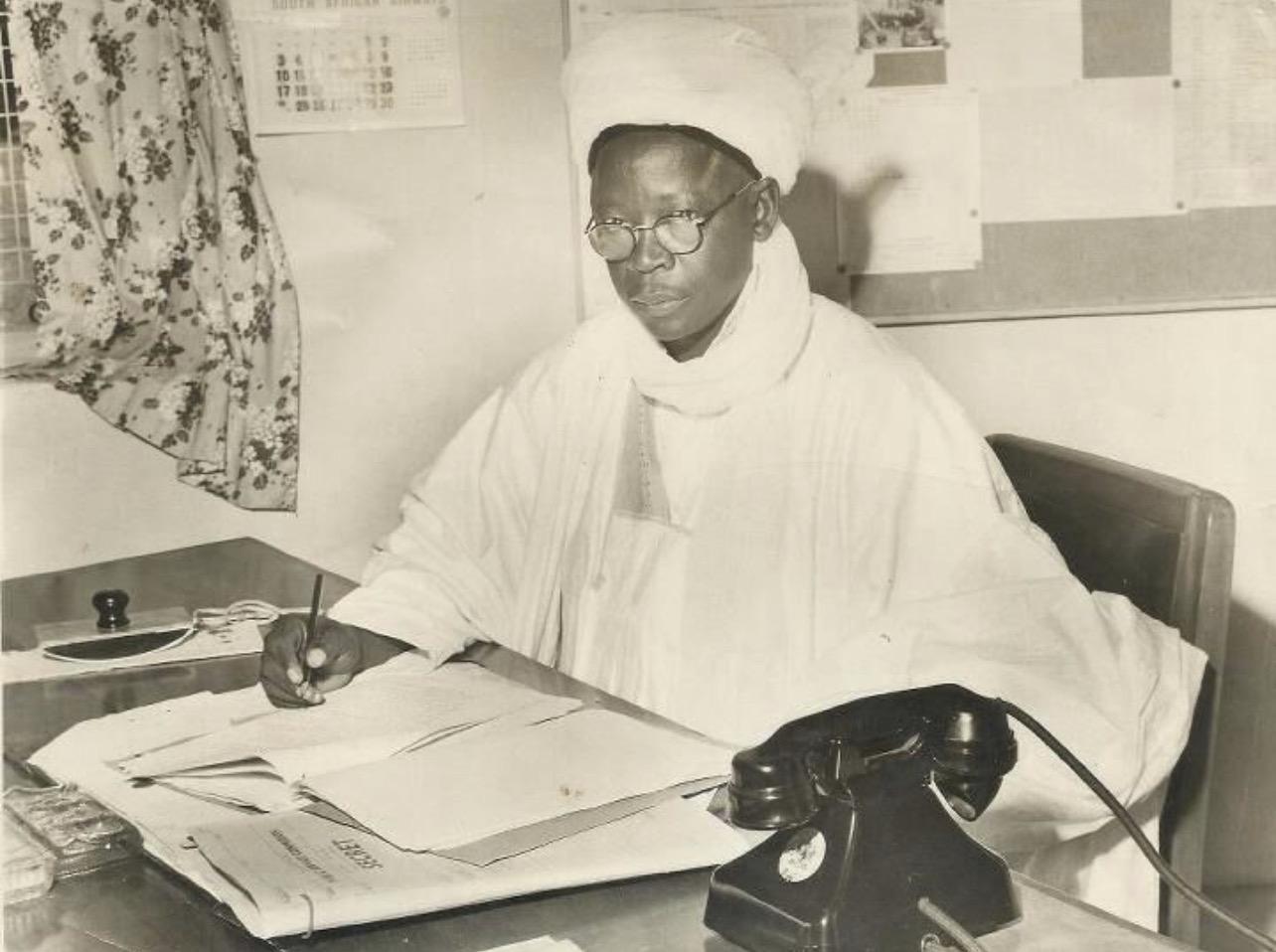
Jenné Jeno Long before the rise of famous empires like Mali and Songhai, long before the arrival of European explorers in West Africa, there existed an extraordinary city in the fertile floodplains of the Niger River. This city was Jenné Jeno, one of the oldest known urban centers in sub Saharan Africa. Today Jenné Jeno lies quietly near the famous city of...
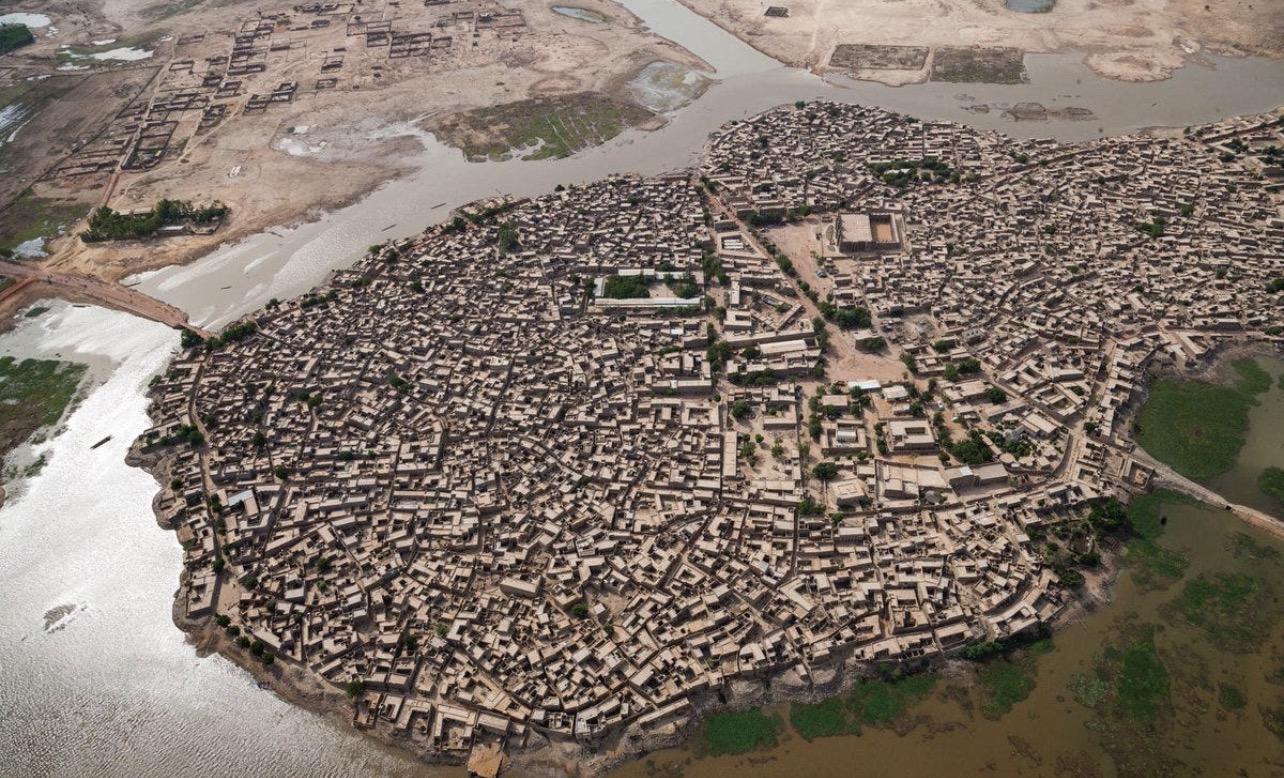
A retired Nigerian Army Major General, Danjuma Hamisu Ali-Keffi, has called for a comprehensive investigation into the release of 48 terrorism financing suspects, including an individual identified by foreign intelligence agencies as a senior Boko Haram leader. Ali-Keffi, who was appointed in October 2020 by former President Muhammadu Buhari to lead the covert Operation Service Wide (OSW),...