About
About
Evodius Rutta and the Solar Dryer Revolution: How a Tanzanian Innovator Helped Farmers Fight Food Waste
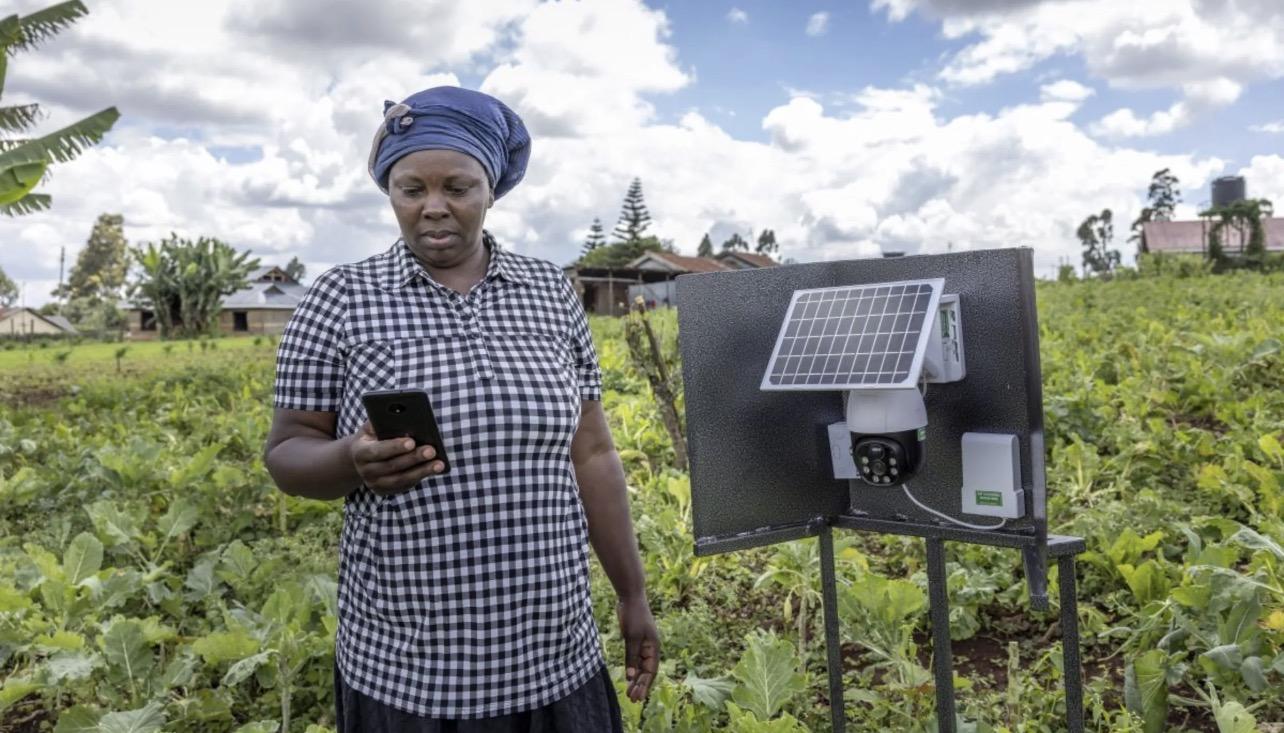
Evodius Rutta
Evodius Rutta is one of the quiet innovators in Africa whose work is transforming agriculture in practical and powerful ways. While many people speak about innovation in big cities and technology hubs, Evodius Rutta looked toward farms, villages, and rural markets where farmers struggle daily with one of the biggest hidden problems in African agriculture: food loss after harvest.
His invention, the MAVUNOLAB Solar Dryer, is a simple but highly effective technology designed to help farmers preserve fruits and vegetables using solar energy. The innovation has helped farmers reduce waste, increase income, and gain access to better markets.
The story of Evodius Rutta is not only about technology. It is about observing a problem that millions face and building a solution that works in real African conditions.
Early Life and Background
Evodius Rutta was born and raised in Tanzania, a country with rich agricultural potential. Tanzania is blessed with fertile soil, a warm climate, and millions of hardworking farmers. However, like many countries in Africa, Tanzania faces serious challenges in the agricultural supply chain.
A large percentage of Tanzanians depend on farming for their livelihood. Farmers grow crops such as mangoes, pineapples, tomatoes, bananas, vegetables, and many other produce that thrive under the African sun.
But the same sun that helps crops grow often becomes the reason farmers lose their harvest.
During peak seasons farmers harvest large amounts of fruits and vegetables. Unfortunately, they cannot sell everything quickly enough. Without proper storage or preservation systems, many of these crops rot within days.
Evodius Rutta grew up seeing this problem. In many villages farmers would harvest baskets of tomatoes or mangoes, take them to markets, and if buyers were not available the produce would spoil.
This meant wasted effort, wasted money, and wasted food.
For a young mind that loved solving problems, this reality raised important questions.
Why should food spoil when people still need food
Why should farmers remain poor after working so hard
Why should technology not work for small farmers
These questions slowly shaped the path that Evodius Rutta would follow.
Education and the Birth of an Idea
Evodius Rutta developed a strong interest in science, technology, and innovation during his education. Like many African innovators, he did not simply study technology in theory. He studied it with a practical mindset.
He wanted to build solutions that people could actually use.
While studying agricultural technology and engineering related concepts, he became increasingly interested in post harvest loss. This term refers to crops that are lost after they are harvested but before they reach consumers.
Across Africa the scale of this problem is massive. Experts estimate that up to forty percent of fruits and vegetables produced by farmers are lost due to poor storage, transportation, and preservation.
For farmers this loss is devastating.
For consumers it leads to higher food prices.
For the environment it represents wasted resources.
Evodius Rutta began researching how farmers in other parts of the world preserve crops. One of the oldest methods used globally is drying food.
Drying removes moisture from fruits and vegetables which prevents bacteria and mold from growing. Dried foods can last for months instead of days.
However traditional drying methods used by farmers often involve spreading fruits on the ground or rooftops under the sun. This method has many problems.
Dust contaminates the food.
Animals and insects can reach it.
Rain can destroy it.
Drying takes too long.
Quality becomes inconsistent.
Evodius realized that farmers needed a better way to dry their produce.
This realization gave birth to an idea that would later become the MAVUNOLAB Solar Dryer.
The Creation of MAVUNOLAB
Evodius Rutta became the founder of an innovation initiative known as MAVUNOLAB.
The word mavuno in Swahili means harvest. The name reflects the mission of the organization which focuses on improving agricultural productivity and reducing food loss.
MAVUNOLAB is designed as a platform for agricultural innovation where technology, research, and entrepreneurship come together to support farmers.
Instead of building solutions in laboratories far away from farms, Evodius believed innovation should be developed alongside farmers.
He spent time understanding the daily realities farmers face.
What tools they use.
How they process crops.
What challenges they experience during harvest seasons.
These observations shaped the design of the MAVUNOLAB Solar Dryer.
The MAVUNOLAB Solar Dryer Innovation
The MAVUNOLAB Solar Dryer is a solar powered system designed to dry fruits, vegetables, and other agricultural products in a clean and controlled environment.
The dryer uses sunlight as its main energy source. However unlike traditional sun drying where crops are left open in the sun, the MAVUNOLAB Solar Dryer is enclosed and designed to maximize heat while protecting the food.
The system works through a process called solar dehydration.
Sunlight enters through transparent panels that trap heat inside the chamber. Warm air circulates through trays where sliced fruits and vegetables are placed.
This warm air removes moisture gradually from the produce.
Because the system is enclosed, it protects food from dust, insects, animals, and rain.
Farmers can dry products such as mangoes, pineapples, bananas, tomatoes, peppers, leafy vegetables, and even fish.
One of the most important advantages of the MAVUNOLAB Solar Dryer is that it does not require electricity.
In many rural parts of Africa electricity is unreliable or unavailable. By using solar energy the system becomes accessible to farmers who live far from power grids.
The dryer also speeds up the drying process. Crops that might take several days using traditional sun drying can be dried faster and more evenly.
This results in better quality products that can be packaged and sold in markets.
Why the Solar Dryer Matters
The impact of the MAVUNOLAB Solar Dryer goes far beyond drying fruits.
It changes the entire economic story for farmers.
When fruits spoil quickly farmers are forced to sell them immediately at very low prices. Buyers know that farmers cannot store the produce so they offer minimal payment.
But when farmers can dry their fruits they gain control.
Instead of selling mangoes cheaply during harvest season they can process them into dried mango slices.
These dried products can be stored for months.
They can be sold later when market prices are higher.
They can also be sold in supermarkets, export markets, and urban areas where dried fruit snacks are in high demand.
This simple shift transforms farmers from raw produce sellers into value added producers.
Value addition means turning raw crops into processed products that have higher market value.
For example fresh mangoes may sell cheaply in a village market but dried mango slices can be sold as packaged snacks in cities.
This means farmers earn more money from the same harvest.
Reducing Food Waste in Africa
Food waste is one of the biggest hidden problems in agriculture across Africa.
Millions of tons of fruits and vegetables spoil every year due to lack of storage and preservation technology.
This waste affects farmers, consumers, and the environment.
When food spoils farmers lose income.
Consumers face shortages.
Natural resources used to grow the food are wasted.
Evodius Rutta recognized that solving post harvest loss could significantly improve food security.
By introducing solar drying technology farmers can preserve large quantities of produce that would otherwise rot.
Instead of throwing away unsold tomatoes or mangoes farmers can slice and dry them.
These dried foods can be stored, transported, and sold over longer periods.
The innovation therefore reduces waste while increasing food availability.
Empowering Rural Communities
Another important aspect of the MAVUNOLAB Solar Dryer is community empowerment.
Drying food creates opportunities for small businesses.
Women groups, youth cooperatives, and farmer associations can use solar dryers to process agricultural products collectively.
For example a women’s cooperative might gather harvested fruits and operate a solar drying facility.
They can produce dried fruit snacks, vegetable powders, or preserved herbs.
These products can be packaged and sold locally or nationally.
This approach creates jobs, increases rural income, and encourages entrepreneurship.
In many cases women benefit greatly because food processing activities are often managed by women’s groups in rural communities.
Through solar drying technology these groups gain new economic opportunities.
Recognition and Impact
Evodius Rutta and MAVUNOLAB have received recognition for their work in agricultural innovation and sustainable technology.
The solar dryer concept has been highlighted in innovation competitions, entrepreneurship programs, and development initiatives that focus on solving African agricultural challenges.
The innovation stands out because it is practical, affordable, and scalable.
It does not depend on expensive infrastructure.
It uses renewable energy.
It directly addresses a real problem faced by farmers.
Organizations that support agricultural development have shown interest in expanding solar drying technology across regions where post harvest losses are severe.
The Growing Market for Dried Foods
Another reason why the MAVUNOLAB Solar Dryer is important is the growing global demand for dried foods.
Dried fruits, vegetables, and herbs are popular in many countries because they are healthy snacks and convenient food ingredients.
Consumers in urban areas increasingly prefer natural dried foods without artificial preservatives.
African farmers can participate in this growing market if they have the right processing tools.
Solar dryers help farmers produce dried products that meet quality standards required for packaging and sales.
This opens the door to new markets.
Local supermarkets.
Hotels and restaurants.
Regional trade across African countries.
International export markets.
With proper training farmers can build entire businesses around dried agricultural products.
Challenges and Future Vision
Although the MAVUNOLAB Solar Dryer offers powerful solutions, the journey of agricultural innovation is never easy.
Challenges remain.
Some farmers still lack awareness of modern drying technology.
Initial investment costs can be difficult for small farmers.
Training is required to ensure proper drying techniques and product quality.
However Evodius Rutta continues to advocate for wider adoption of solar drying technology.
His vision is to see solar dryers integrated into farming communities across Tanzania and beyond.
The goal is not only to preserve crops but to build rural industries around food processing.
With more support from governments, development organizations, and private investors, innovations like the MAVUNOLAB Solar Dryer could transform how Africa handles agricultural harvests.
A Legacy of Practical Innovation
Evodius Rutta represents a generation of African innovators who focus on solving everyday problems rather than chasing abstract technological trends.
His work reminds the world that innovation does not always need complicated machines or advanced laboratories.
Sometimes the most powerful solutions come from observing simple problems and designing tools that work for ordinary people.
By helping farmers preserve their harvests, reduce waste, and earn more income, the MAVUNOLAB Solar Dryer stands as a powerful example of how local innovation can improve lives.
From farms in rural Tanzania to markets across Africa, the impact of Evodius Rutta’s work continues to grow.
His story is proof that when creativity meets purpose, even sunlight can become a tool for economic transformation.

Categories
Read More
Clem Ohameze Clem Ohameze is a veteran Nigerian actor known for his powerful roles in Nollywood, especially in action, royal, and traditional films. With his commanding presence and deep voice, he became one of the most respected actors in Nigeria’s movie industry. Early Life and Background Clem Ohameze was born on June 27, 1965, in Port Harcourt, Rivers State,...
Growing up, I thought being strong meant never crying. I watched my mother carry burdens silently, and I learned early that weakness was not welcomed in our home. So I trained myself to endure everything quietly pain, disappointment, betrayal. People admired my strength. They came to me with their problems, leaned on my shoulders, and trusted me to be unbreakable. What...
I did not sleep well that night. The servants’ quarters were quiet, but my mind was not. Every sound the rustle of cloth, the cough of an old woman, the distant footsteps of guards felt louder than fear. By dawn, my eyes burned, yet sleep refused to return. When the first rooster crowed, I was already sitting upright, my back against the wall, waiting for whatever the palace...

Laycon Laycon is a Nigerian rapper, singer, songwriter, and reality television personality. He became widely famous after winning the fifth season of Big Brother Naija. Early Life and Background Laycon whose real name is Olamilekan Moshood Agbeleshe was born on November 8, 1993, in Lagos State, Nigeria. He originally hails from Ogun State. He grew up in Lagos where he spent most of...

Dele Giwa Dele Giwa was one of Nigeria’s most courageous and influential journalists, remembered for his fearless commitment to truth and press freedom. He was born on March 16, 1947, in Ile-Ife, in present-day Osun State, Nigeria. From a young age, Giwa showed strong intelligence and curiosity, qualities that later defined his journalism career. He began his early...