About
About
Driving Africa’s Electric Future: The Inspiring Journey of Christopher Maara and the Birth of Kiri EV
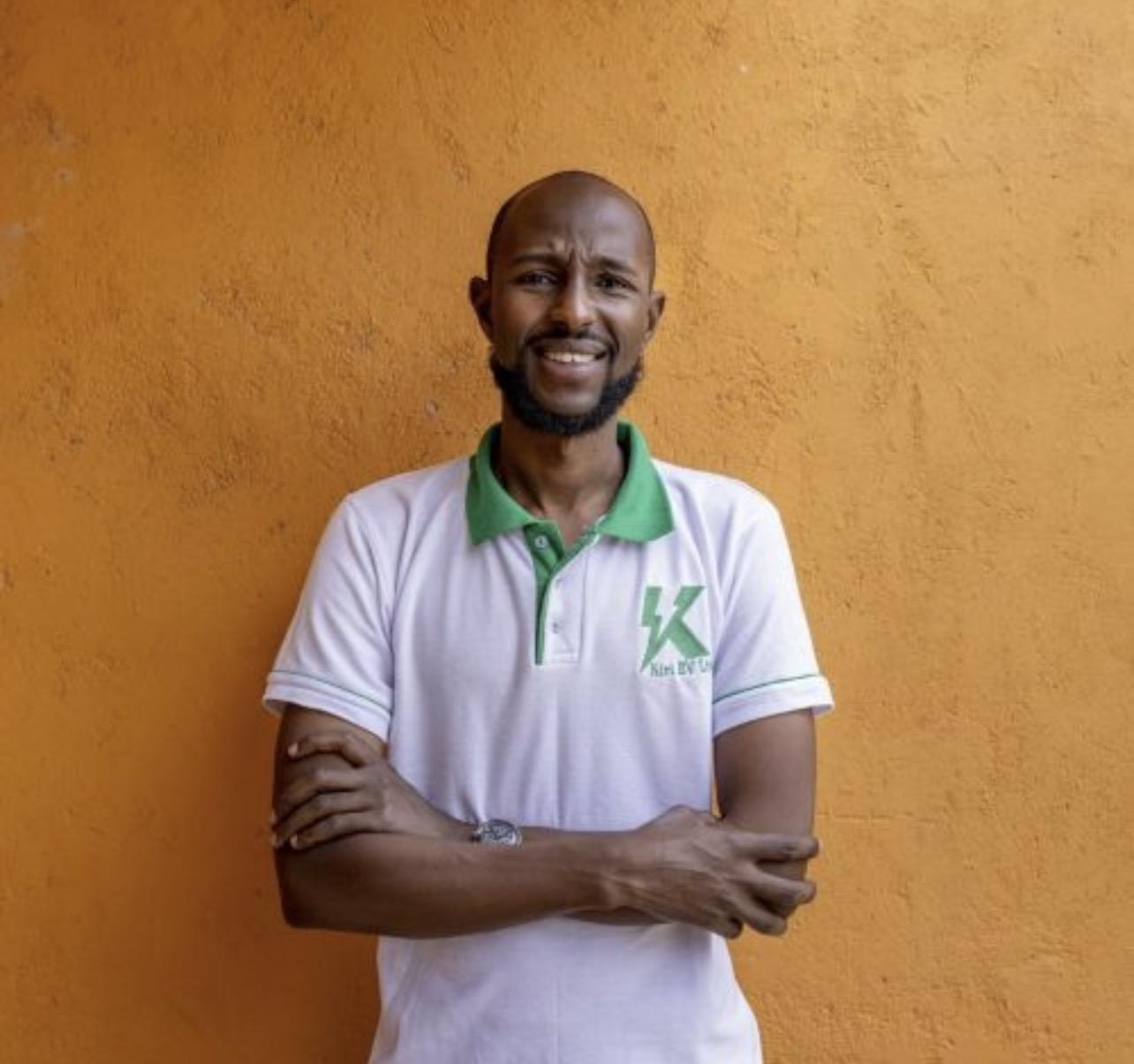
Christopher Maara
In recent years Africa has begun to experience a technological awakening driven not only by governments or international corporations but by young innovators who see challenges as opportunities. Among those innovators stands Christopher Maara, a Kenyan entrepreneur whose determination to transform transportation gave rise to Kiri EV, an electric mobility company designed to change how motorcycles operate across Africa.
Christopher Maara’s story is not just about building a company. It is a story about recognizing a problem that millions of people face every day and deciding to solve it using creativity, engineering, and courage. In a region where motorcycles known as boda bodas are the backbone of transportation and employment, Maara envisioned a cleaner and more affordable future powered by electricity.
Early Life and Curiosity for Technology
Christopher Maara was born and raised in Kenya, a country known for its vibrant entrepreneurial culture and growing technology ecosystem. From a young age he displayed curiosity about machines and how things worked. Many people who later worked with him recall that he had a habit of opening gadgets to see what was inside and trying to put them back together.
Growing up in Kenya meant witnessing both the beauty and the struggles of a developing economy. Public transportation challenges were common. Motorcycles had become the fastest and most accessible means of transport in many cities and rural areas. These motorcycles created jobs for thousands of young riders and helped people move goods and passengers quickly.
However they also brought problems. Fuel costs were constantly rising, making it expensive for riders to run their businesses. Pollution from fuel powered engines contributed to environmental concerns. Maintenance costs for petrol engines were also high.
These everyday realities slowly planted a seed in Maara’s mind. He began to wonder if there could be a better way to power these motorcycles.
Education and Exposure to Innovation
Christopher Maara pursued higher education in fields related to engineering and technology. Kenya in the past decade has seen rapid development in technology hubs and innovation spaces especially in Nairobi which is sometimes referred to as the Silicon Savannah.
Being part of this growing innovation environment exposed Maara to new ideas about clean energy, electric vehicles, and sustainable transportation. Around the world electric mobility was gaining momentum. Countries in Europe, Asia, and North America were investing heavily in electric cars and electric buses.
But Africa faced unique challenges. Electric cars were often too expensive for the average person. Charging infrastructure was limited. However motorcycles presented a different opportunity because they were smaller, cheaper, and widely used.
Maara realized that if electric motorcycles could work in Africa they could change the transportation industry dramatically.
Recognizing the Boda Boda Opportunity
In Kenya boda bodas are everywhere. They carry passengers through crowded city streets, deliver packages, transport farm produce, and even serve as emergency transport in areas where ambulances cannot easily reach.
Millions of people depend on this industry for income. Yet riders spend a large portion of their daily earnings on petrol and engine maintenance.
Christopher Maara started studying the numbers closely. He discovered that many riders spend a huge percentage of their profits simply buying fuel. If a cheaper energy source could replace petrol riders would earn more money while also reducing pollution.
Electric power offered exactly that possibility.
Electric motorcycles are much cheaper to operate because electricity costs less than petrol and electric motors have fewer moving parts. This means lower maintenance costs and fewer mechanical breakdowns.
However there was still a big problem. Charging time.
If riders had to wait hours for their batteries to charge they would lose valuable working time. This challenge led Maara to one of the key ideas that shaped the future of his company.
The Birth of Kiri EV
Christopher Maara co founded Kiri EV with the vision of building electric motorcycles specifically designed for African conditions. The company focused on creating a system that made electric mobility practical for everyday riders.
Kiri EV did not simply build an electric motorcycle. Instead it developed a complete ecosystem.
One of the most important innovations introduced by the company was battery swapping technology.
Instead of waiting hours for a battery to charge riders can simply ride to a battery swap station, remove the depleted battery, and replace it with a fully charged one within minutes. This system allows riders to continue working without long interruptions.
This innovation made electric motorcycles far more attractive to the boda boda community.
How Kiri EV Motorcycles Work
Kiri EV motorcycles are designed with efficiency and durability in mind. They use powerful electric motors powered by rechargeable lithium batteries. These batteries are engineered to deliver enough range for daily transportation needs.
The motorcycles are also connected to digital systems that allow the company to track performance, manage battery usage, and improve efficiency.
Key advantages of Kiri EV motorcycles include
Lower operating costs compared to petrol motorcycles
Reduced environmental pollution
Quieter operation
Lower maintenance needs
Battery swapping capability
For boda boda riders these advantages translate into more profits and less stress.
The Battery Swapping Innovation
Battery swapping is one of the most significant contributions of Christopher Maara’s vision.
The idea is simple but powerful.
Instead of owning the battery riders can subscribe to a battery service. When their battery runs low they visit a swap station where they exchange it for a fully charged battery.
This model solves several problems.
It eliminates long charging times
It reduces the upfront cost of buying an electric motorcycle
It ensures riders always have access to reliable power
The system is similar to how propane gas cylinders are exchanged rather than refilled.
Building the Infrastructure
Creating electric motorcycles was only one part of the challenge. The bigger task was building the infrastructure that supports them.
Kiri EV began working on networks of battery swap stations where riders could quickly exchange batteries. These stations are strategically placed in areas where motorcycle traffic is high.
The company also focused on building partnerships with riders, investors, and local communities.
In the early days convincing riders to switch from petrol motorcycles to electric ones was not easy. Many riders were skeptical about new technology.
Christopher Maara and his team spent time educating riders about the long term savings and environmental benefits.
Gradually the idea began to gain acceptance.
Economic Impact
The potential economic impact of Kiri EV is enormous.
Motorcycle riders in Kenya often operate on very small profit margins. By reducing fuel costs electric motorcycles can significantly increase their earnings.
For example a rider who spends a large portion of daily income on petrol can instead spend much less on electricity through battery swaps.
Over time these savings can improve the financial stability of riders and their families.
Additionally the electric mobility industry creates new types of jobs including
Battery management technicians
Charging infrastructure operators
Electric vehicle mechanics
Software engineers for mobility platforms
Environmental Benefits
Beyond economic advantages Kiri EV contributes to environmental sustainability.
Petrol motorcycles emit carbon dioxide and other harmful pollutants. With millions of motorcycles operating daily the environmental impact becomes significant.
Electric motorcycles produce zero tailpipe emissions.
By replacing petrol powered bikes with electric alternatives Kiri EV helps reduce air pollution and greenhouse gas emissions.
This is particularly important in cities where air quality can affect public health.
Challenges and Obstacles
Like many innovators Christopher Maara faced numerous challenges while building Kiri EV.
Funding was one of the early obstacles. Building electric vehicles and battery infrastructure requires significant investment.
Convincing investors that electric motorcycles could succeed in Africa required persistence and clear vision.
Another challenge involved infrastructure development. Battery swap networks must be reliable and accessible. Without enough swap stations riders would hesitate to adopt the technology.
Technical challenges also arose in designing batteries that could withstand African road conditions, high temperatures, and heavy daily use.
Despite these challenges Maara and his team continued improving their technology and expanding operations.
Recognition and Growth
As Kiri EV gained attention it began attracting interest from investors, sustainability advocates, and technology observers.
The company became part of the growing movement toward electric mobility in Africa.
Kenya has increasingly positioned itself as a leader in clean energy innovation. The country already produces a large percentage of its electricity from renewable sources such as geothermal and wind power.
This makes electric vehicles even more environmentally beneficial.
Christopher Maara’s work has helped place Kenya on the map as a center for electric transportation innovation.
The Vision for the Future
Christopher Maara’s ambition extends far beyond motorcycles.
His broader vision is to accelerate Africa’s transition toward electric transportation.
This includes expanding battery swapping infrastructure across cities, improving electric vehicle technology, and making electric mobility accessible to more people.
Electric buses, delivery vehicles, and cars could all benefit from similar systems.
As African cities continue growing transportation demand will increase. Clean electric mobility could play a crucial role in shaping sustainable urban development.
Inspiring a New Generation
Stories like that of Christopher Maara inspire young Africans to pursue innovation and entrepreneurship.
Africa has long been a continent of resourcefulness where people find creative ways to solve complex problems.
Maara’s journey demonstrates that global level innovation can emerge from local challenges.
Rather than waiting for foreign companies to introduce solutions African entrepreneurs can build technologies tailored to the continent’s needs.
A Symbol of African Innovation
Today Kiri EV stands as a symbol of what determined entrepreneurs can accomplish.
Christopher Maara did not invent electric motorcycles themselves but he helped adapt and innovate electric mobility systems specifically for Africa.
His work addresses real problems faced by millions of people while contributing to environmental sustainability and economic growth.
The future of transportation in Africa is still unfolding but innovators like Christopher Maara are already shaping what that future might look like.
Through vision, persistence, and creativity he has shown that even the most ordinary vehicles on the road can become powerful tools for transformation.
And in the bustling streets of Kenya where boda bodas weave through traffic carrying the rhythm of everyday life a quiet revolution is beginning to take shape powered not by petrol but by electricity and driven by the ideas of a young Kenyan innovator who believed that change was possible.


Categories
Read More
Hannibal Barca There are some names in history that do not fade even after kingdoms fall, cities burn, and empires turn to dust. Hannibal Barca is one of those names. He was born in Carthage, the great North African power located in what is now Tunisia, and he became one of the most brilliant military commanders the ancient world ever knew. Long after his death, Roman parents...
Amnesty International has condemned what it described as the “incessant intimidation and harassment” of Pastor Kayode Olawoye by Nigeria’s Department of State Services (DSS) following his advocacy for improved road infrastructure in Ogun State. In a statement shared on its official X (formerly Twitter) handle, the global human rights organisation said the actions taken...
Diane Russet Diane Russet is a Nigerian actress, filmmaker, model, and reality television personality. She gained widespread recognition after participating in Big Brother Naija. Early Life and Background Diane Russet whose full name is Precious Diane Yashim was born on February 28, 1996, in Kaduna State, Nigeria. She grew up in Kaduna where she spent most of her childhood. From a...

Ronke Odunsanya Ronke Odunsanya is a Nigerian actress, producer, and entrepreneur best known for her roles in Yoruba-language films and Nollywood productions. Popularly called “Flakky Ididowo,” she rose to fame through her vibrant performances and has remained a recognizable face in the industry. Early Life and Background Ronke Odunsanya was born on May 3, 1979, in...

Charles Olumo Charles Olumo, popularly known as Agbako, is a legendary Nigerian actor and one of the pioneers of the Yoruba film industry. He is widely respected for his powerful roles in traditional Yoruba movies, often playing tough, mystical, or villainous characters. Born on February 20, 1923, in Abeokuta, Ogun State, Nigeria, Charles Olumo became one of the oldest and most...