About
About
The Gentle Leader of the Second Republic: The Story of Shehu Shagari
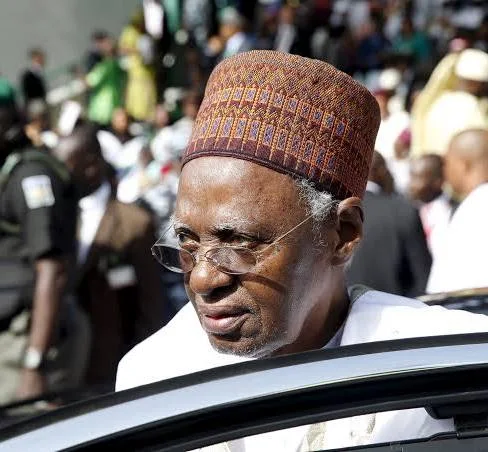
Shehu Shagari
Shehu Usman Aliyu Shagari remains one of the most important figures in the political history of Nigeria. Known for his calm demeanor, humility, and dedication to public service, he became the first executive president of Nigeria during the Second Republic. His life story is deeply connected to the story of Nigeria itself, from colonial rule to independence and eventually to democratic governance.
Shehu Shagari was born on February 25, 1925, in Shagari village, located in Sokoto State in northern Nigeria. The village from which he took his surname was a small rural settlement where farming and traditional Islamic education were central parts of everyday life. His father, Aliyu Shagari, was a respected local farmer and community figure, while his mother, Maimuna, was known for her kindness and discipline in raising her children.
Growing up in northern Nigeria during the colonial era meant that young Shehu Shagari experienced both traditional Islamic education and the emerging Western educational system introduced by the British colonial administration. Like many children in the region, he began his education in a Quranic school where he learned Islamic teachings, Arabic writing, and moral values.
Later he attended Yabo Elementary School and then moved on to Sokoto Middle School. These early years played an important role in shaping his character. He was known to be quiet, intelligent, and deeply respectful of elders and teachers. His interest in learning and leadership began to show even at a young age.
His educational journey continued when he attended Kaduna College, one of the most prestigious institutions in northern Nigeria at the time. This school produced many influential leaders who later played important roles in shaping Nigeria’s political and administrative systems. During his time there, Shagari studied subjects that prepared him for a career in administration and governance.
After completing his education, Shehu Shagari initially began his professional life as a teacher. Teaching was considered a noble profession, and many educated Nigerians of his generation saw it as a way to contribute to the development of their communities. Shagari taught in several schools across Sokoto Province and quickly earned a reputation as a disciplined and thoughtful educator.
But teaching was only the beginning of his journey. The political atmosphere in Nigeria during the 1940s and 1950s was rapidly changing. Nationalist movements were growing stronger, and many Nigerians were beginning to demand independence from British colonial rule. These developments inspired many young intellectuals to participate in politics.
Shehu Shagari soon became involved in political activities through the Northern People’s Congress, a major political party that represented the interests of northern Nigeria. The party was led by influential leaders such as Ahmadu Bello, the Sardauna of Sokoto, who played a significant role in shaping northern politics.
Shagari’s calm personality, honesty, and intelligence made him a trusted member of the political movement. In 1954, he was elected to the Federal House of Representatives, marking the beginning of a long and impactful political career.
His election to parliament came at a crucial time in Nigeria’s history. The country was gradually moving toward independence, and political leaders were working to build a new nation from diverse ethnic and cultural groups.
Within the parliament, Shehu Shagari quickly distinguished himself as a thoughtful and disciplined politician. He was not known for loud speeches or dramatic political confrontations. Instead, he earned respect for his ability to listen carefully, analyze issues, and propose practical solutions.
Over the years, Shagari served in several important government positions. One of his early roles was as Parliamentary Secretary to the Prime Minister, Sir Abubakar Tafawa Balewa. This position gave him valuable experience in national administration and policymaking.
As Nigeria moved closer to independence, Shagari’s responsibilities increased. After independence in 1960, he held several ministerial positions in the Nigerian government. These roles allowed him to contribute directly to the development of the young nation.
One of his earliest ministerial roles was as Minister of Economic Development. In this position, he worked on policies designed to improve Nigeria’s economy and infrastructure. The country was still finding its footing after independence, and leaders like Shagari played an important role in establishing the foundations of national governance.
He later served as Minister of Internal Affairs. This position involved overseeing internal security and maintaining order within the country. Nigeria during the early years of independence faced numerous challenges, including ethnic tensions and political rivalries.
Shagari also served as Minister of Works and Housing, where he was responsible for supervising the development of roads, housing projects, and other essential infrastructure. These efforts were critical in a country that was expanding rapidly and needed modern transportation and housing systems.
During the 1970s, Nigeria experienced significant political upheaval. Military coups had interrupted civilian rule, and the country was governed by military leaders for several years. However, by the late 1970s, plans were underway to return Nigeria to democratic governance.
The transition program organized by the military government aimed to establish a new political system similar to the presidential system used in the United States. Political parties were formed, and elections were scheduled to restore civilian leadership.
Shehu Shagari emerged as the presidential candidate of the National Party of Nigeria. His reputation as a moderate, experienced, and trustworthy leader helped him gain widespread support across different regions of the country.
The presidential election of 1979 was one of the most important moments in Nigeria’s political history. After years of military rule, Nigerians were eager to return to democracy and elect their leaders through the ballot box.
When the results were announced, Shehu Shagari was declared the winner of the election, becoming the first executive president of Nigeria under the new presidential constitution. His victory marked the beginning of Nigeria’s Second Republic.
On October 1, 1979, Shehu Shagari was officially sworn in as President of Nigeria. The ceremony symbolized a new chapter in the country’s democratic journey.
As president, Shagari faced enormous expectations. Nigerians hoped that his administration would bring economic growth, stability, and national unity.
One of the major goals of his government was to strengthen Nigeria’s economy. During this period, the country was benefiting from oil revenues, which had become a major source of national income. The government invested heavily in infrastructure, agriculture, and social services.
Shagari introduced the Green Revolution program, which aimed to increase agricultural production and reduce Nigeria’s dependence on imported food. The initiative encouraged farmers to adopt modern farming techniques and expand food production across the country.
Another important focus of his administration was housing development. The government launched several housing projects intended to provide affordable homes for Nigerians, particularly in growing urban areas.
Education also received significant attention. New universities and educational institutions were established to accommodate the rapidly increasing number of students seeking higher education.
Despite these efforts, Shagari’s presidency also faced serious challenges. The global oil market began to decline in the early 1980s, causing a significant drop in Nigeria’s national revenue. This economic downturn created financial difficulties for the government.
Inflation increased, unemployment rose, and many Nigerians began to feel the effects of economic hardship. The government was forced to introduce austerity measures, which were not popular with many citizens.
Another major criticism of the Shagari administration was the issue of corruption. Allegations of mismanagement and corruption within government institutions became widespread. Although Shagari himself was widely regarded as personally honest, many members of his administration faced accusations of abusing public resources.
In 1983, Nigeria held another presidential election. Shagari ran for a second term as president and was declared the winner of the election. However, the election was controversial, with opposition parties accusing the government of electoral irregularities.
The political tension and economic difficulties created a fragile atmosphere in the country. On December 31, 1983, the Nigerian military seized power in a coup led by Major General Muhammadu Buhari. The coup ended the Second Republic and removed Shehu Shagari from office.
After the military takeover, Shagari was arrested and detained along with several other political leaders. He spent several months in detention while the new military government investigated allegations of corruption against former officials.
Eventually, he was released and allowed to return to private life. Unlike many political figures who attempted to return to power, Shehu Shagari chose to live a quiet and humble life away from the intense spotlight of national politics.
He returned to Sokoto, where he focused on community development, writing, and mentoring younger leaders. Despite the controversies surrounding his presidency, many Nigerians continued to respect him for his modest lifestyle and peaceful character.
Shagari also wrote an autobiography titled Beckoned to Serve, in which he reflected on his life, political career, and experiences in government.
As the years passed, Nigeria continued to experience political changes, including additional military regimes and eventually the restoration of democratic rule in 1999.
Throughout these transitions, Shehu Shagari remained an elder statesman whose opinions were valued by political leaders and historians alike. He was often invited to national events and celebrations honoring Nigeria’s democratic history.
His calm personality and commitment to peaceful governance left a lasting impression on many Nigerians. Even those who criticized his administration acknowledged his personal integrity and dedication to national service.
In his later years, Shagari lived a quiet life surrounded by family, friends, and admirers. He spent much of his time in Sokoto, reflecting on the long journey of Nigeria and the role he played in shaping its political landscape.
On December 28, 2018, Shehu Shagari passed away at the age of 93. His death marked the end of an era in Nigerian political history. Tributes poured in from across the country and beyond as leaders and citizens remembered his contributions.
Many described him as a humble leader who believed in dialogue, democracy, and national unity. His presidency represented one of Nigeria’s earliest attempts to build a stable democratic system after years of colonial rule and military governance.
Today, Shehu Shagari is remembered as a symbol of Nigeria’s Second Republic and as a leader whose life reflected patience, resilience, and dedication to public service.
From a small village in Sokoto to the highest political office in the nation, his journey remains one of the most remarkable stories in Nigeria’s political history.


Categorie
Leggi tutto
Ngozi Okonjo-Iweala is one of Africa’s most respected economists and global leaders. She is best known as the first woman and the first African to serve as Director General of the World Trade Organization. Her career spans decades of international finance, economic reform, and global development leadership. Early Life and Education Ngozi Okonjo-Iweala was born on June 13, 1954, in...
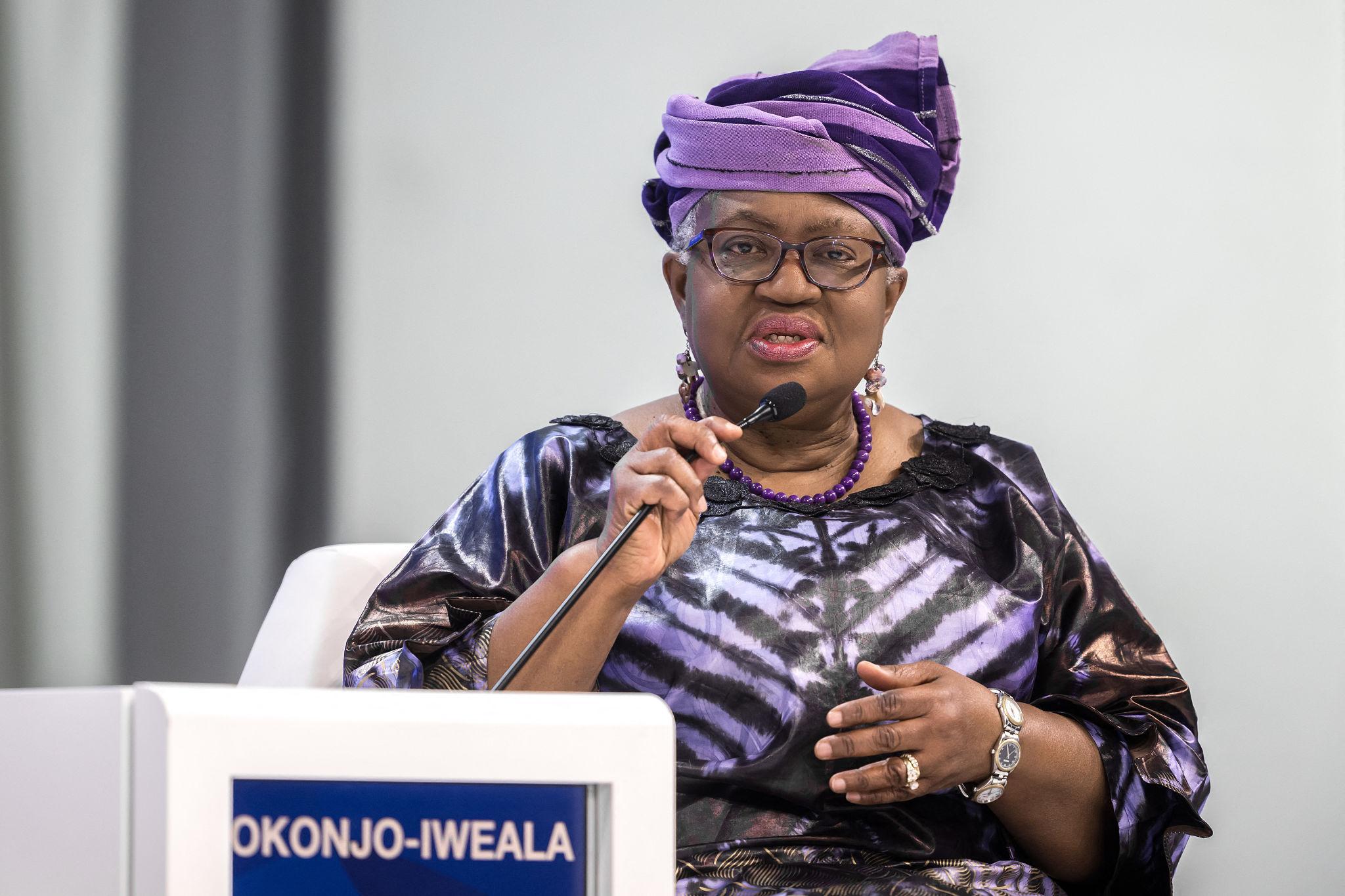
Life imprisonment does not announce itself loudly. It settles in quietly, like dust, covering everything you once were until you can barely recognize yourself. I wake up every morning to the same routine: metal doors, counted steps, silent faces. The world outside moves on without me, and inside these walls, time stretches into something shapeless. At first, I was angry at everything...
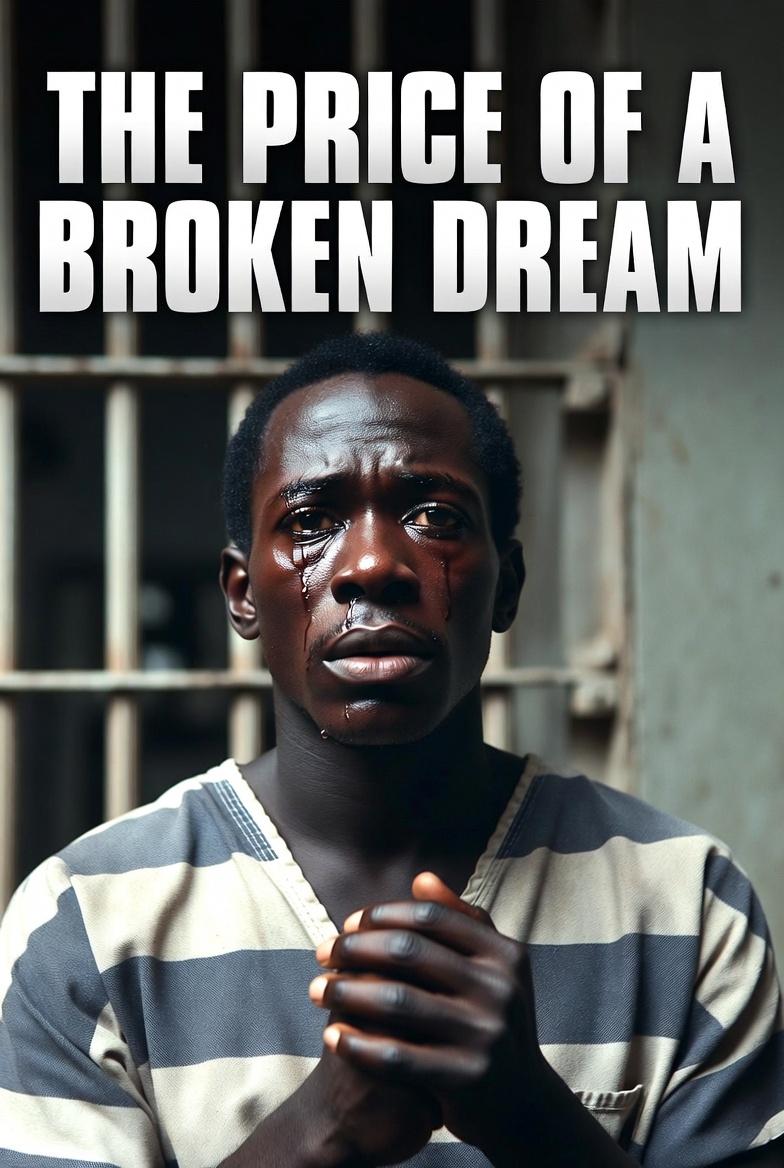
Nigerian Independence The independence of Nigeria on October 1, 1960 is one of the most important events in the country’s history. It marked the end of British colonial rule and the beginning of Nigeria as a sovereign nation governed by its own people. The journey to independence was long and involved decades of political struggle, negotiations, and nationalist movements...
French President Emmanuel Macron has reappointed Sébastien Lecornu as Prime Minister, just four days after accepting his resignation, the Élysée Palace announced on Friday evening. According to the statement, Lecornu has been instructed to form a new government. Reacting to his reappointment, Lecornu acknowledged the ongoing political turmoil that has fueled public...

Small Doctor Small Doctor, whose real name is Temitope Adekunle, is a Nigerian singer and performer widely recognized for his energetic street anthems and strong connection to grassroots culture. Born on May 27, 1996, in Agege, Lagos State, Nigeria, Small Doctor grew up in one of Lagos’ most vibrant and challenging neighborhoods, an environment that would later shape his...