About
About
Nigerian independence history 🇳🇬
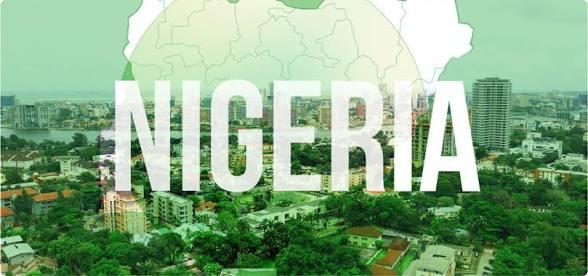
Nigerian Independence
The independence of Nigeria on October 1, 1960 is one of the most important events in the country’s history. It marked the end of British colonial rule and the beginning of Nigeria as a sovereign nation governed by its own people. The journey to independence was long and involved decades of political struggle, negotiations, and nationalist movements led by Nigerian leaders.
Early Colonial Rule
Before colonial rule, the area now known as Nigeria was home to many powerful kingdoms and societies. These included the Oyo Empire, the Benin Kingdom, the Sokoto Caliphate, and various Igbo communities.
In the late nineteenth century, Britain gradually expanded its control over the region. British traders and colonial administrators established influence through trade agreements, military force, and political treaties.
By 1914, the British colonial government merged the Northern and Southern protectorates into one entity called Nigeria. This unification was done mainly for administrative convenience rather than cultural or political unity.
The Rise of Nationalism
During the early twentieth century, many Nigerians began demanding greater participation in government. Western education, journalism, and political awareness helped inspire nationalist ideas.
Educated Nigerians who studied abroad or worked within colonial administration began questioning British rule. Newspapers and political groups started discussing the need for self governance.
One of the early nationalist leaders was Herbert Macaulay, often considered the father of Nigerian nationalism. He criticized colonial policies and advocated for Nigerian representation in government.
Formation of Political Parties
As nationalist movements grew, several political parties were formed to represent Nigerian interests. These parties played major roles in the struggle for independence.
Some of the most influential leaders included:
Nnamdi Azikiwe, a prominent nationalist and journalist who championed independence through political activism and media.
Obafemi Awolowo, a political leader from the Western Region who promoted education and social development.
Ahmadu Bello, the leader of the Northern People’s Congress who represented northern political interests.
These leaders and their parties pushed for constitutional reforms and increased Nigerian participation in governance.
Constitutional Reforms
The British government gradually introduced constitutional changes to give Nigerians more political power.
Several constitutional conferences were held in London and Nigeria during the 1940s and 1950s. These meetings involved Nigerian leaders and British officials discussing the structure of future self government.
The constitutions introduced regional governments and elected representatives. This allowed Nigerians to participate in political decision making.
By the late 1950s, Nigeria had become largely self governing, although Britain still controlled certain aspects of governance.
The Final Steps Toward Independence
In 1957 and 1958, further constitutional conferences were held in London. Nigerian leaders negotiated with British authorities about the timeline and structure for independence.
Eventually, Britain agreed that Nigeria would become an independent nation.
The date for independence was officially set for October 1, 1960.
Independence Day Celebration
On October 1, 1960, Nigeria officially became an independent country. The British flag was lowered and replaced with the green white green Nigerian flag.
The event was celebrated across the country with parades, ceremonies, and national celebrations.
Nnamdi Azikiwe became Nigeria’s first Governor General and later the first President when the country became a republic in 1963.
Nigeria After Independence
Although independence brought excitement and hope, the country also faced significant challenges. Nigeria had to manage political differences among its regions and ethnic groups.
Over time, political instability, military coups, and civil conflict tested the young nation.
Despite these challenges, independence remains a defining moment in Nigerian history.
Legacy of Independence
Nigeria’s independence represents the triumph of political activism, negotiation, and national unity. The leaders who fought for independence helped shape the foundation of modern Nigeria.
Every year on October 1, Nigerians celebrate Independence Day to remember the struggle and sacrifices that led to freedom from colonial rule.
The story of Nigeria’s independence continues to inspire new generations about the importance of self determination, unity, and nation building.

Kategoriler
Read More
The FCT minister said this included ground rent, Certificate of Occupancy (C-of-O) bills, penalty and violation fees, and land use conversion fees. The Federal Capital Territory Minister, Nyesom Wike, has revoked 1,095 property titles across Abuja and ordered immediate enforcement actions after the owners failed to settle outstanding statutory land charges. The FCT...
Shoday Shoday, born Shodade Solomon Segun in 2000, is a Nigerian Afrobeat artist and singer-songwriter celebrated for his distinctive sound and engaging melodies. Originating from Ogun State and raised in Lagos, he developed a passion for music early on. As of December 2024, Shoday has accumulated over 19 million total plays on Spotify, with a monthly listenership...

Two construction workers reportedly died while another person was seriously injured on Tuesday when a section of the old fence of Kwara Hotels collapsed. The incident reportedly occurred on Tuesday afternoon during active construction work at the Hotel’s site, located in the GRA area of Ilorin, the Kwara State capital. The facility, once a symbol of the state’s thriving hospitality...

Tobi Bakre Tobi Bakre, whose full name is Tobi Bakre Olowokere, is a Nigerian actor, model, host, and reality TV star best known for his participation in Big Brother Naija Season 3 in 2018. Though he did not win the show, he became one of the most successful alumni, transitioning smoothly into Nollywood and mainstream entertainment. Early Life and Background Tobi Bakre was born...

The National Secretary of the All Progressives Congress (APC), Senator Ajibola Basiru, has withdrawn from the 2026 governorship race in Osun State.He announced his decision on Saturday in Osogbo during the inauguration of Alubarika House, the headquarters of his political movement. Basiru explained that the demands of his current office and consultations with party leaders—including...