О нас
О нас
The Gates of Sorrow: The Powerful History of Cape Coast Castle and Elmina Castle in Ghana
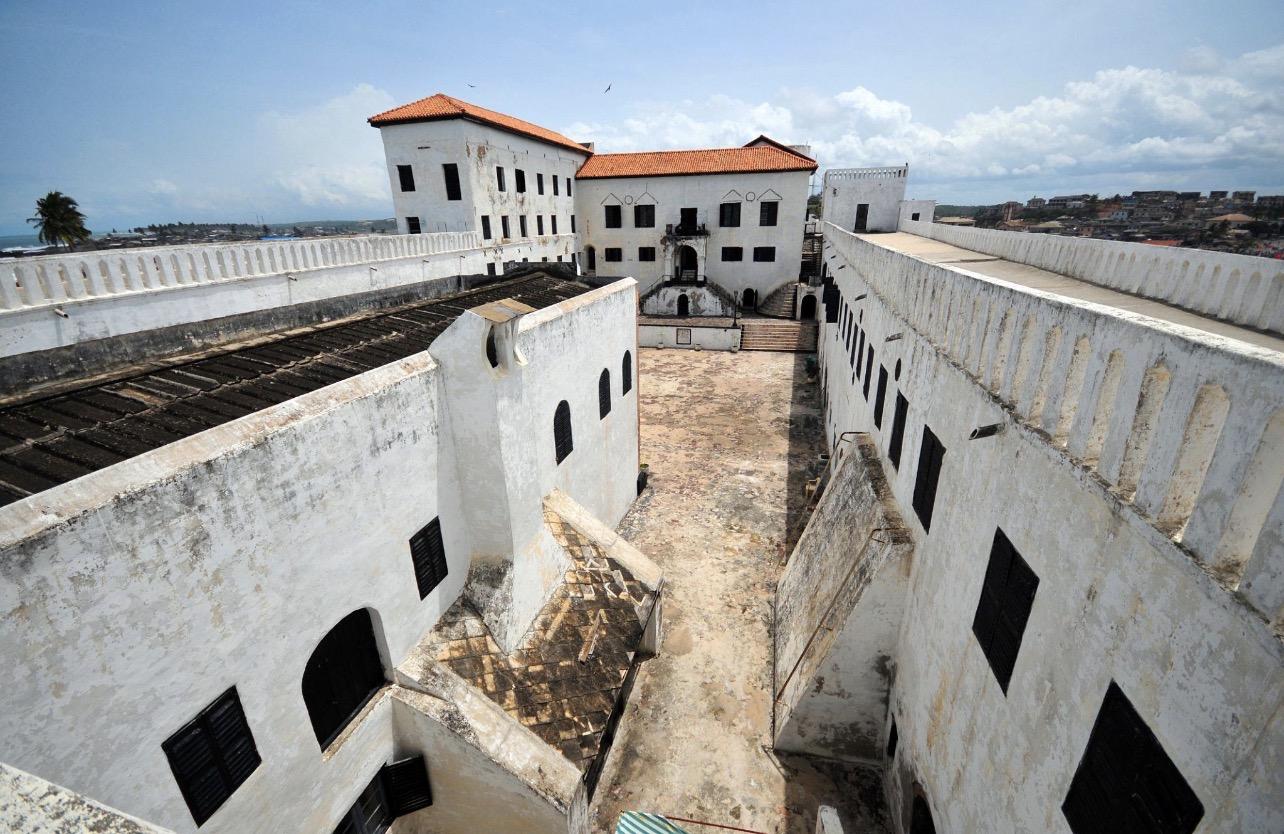
Cape Coast Castle
Along the shining coastline of Ghana where the Atlantic Ocean meets the land stands two massive white stone fortresses that have watched centuries of human history unfold. These are Cape Coast Castle and Elmina Castle, two of the most important historical landmarks in Africa.
From a distance the castles look peaceful and beautiful. Their white walls stand proudly against the blue ocean and palm trees. But behind these walls lies one of the most painful chapters in human history.
These castles were once major centers of the transatlantic slave trade. Millions of Africans passed through these gates on their way to a life of slavery in distant lands. Today the castles stand as powerful reminders of the suffering, resilience, and history of African people.
To understand why these castles became such important historical sites we must travel back hundreds of years to the beginning of European contact with the West African coast.
The Arrival of the Portuguese
In the fifteenth century European explorers began sailing down the coast of Africa searching for new trade routes and wealth. Among the first to arrive were the Portuguese.
In 1471 Portuguese sailors reached the region that is now Ghana. They were amazed by the amount of gold being traded by the local Akan people. Because of this wealth the Europeans named the area the Gold Coast.
The Portuguese quickly realized the importance of the region. They wanted to control the gold trade and establish a permanent base along the coast.
In 1482 the Portuguese built Elmina Castle which became the first European building constructed in sub Saharan Africa.
Elmina Castle was originally called Sao Jorge da Mina meaning Saint George of the Mine. The fortress was designed to protect Portuguese traders and store gold before it was shipped to Europe.
The castle was massive and strong with thick stone walls facing the sea. Cannons were placed along the ramparts to defend against attacks from rival traders and pirates.
At first Elmina Castle was used mainly for trading gold, ivory, and other goods.
But over time the purpose of the castle would change in a way that would leave a dark mark on world history.
The Beginning of the Slave Trade
During the sixteenth century European demand for labor in the Americas began to increase. Colonies in the Caribbean and the Americas needed workers to grow crops like sugar, tobacco, and cotton.
European powers turned to Africa as a source of enslaved labor.
Gradually forts like Elmina Castle were transformed into centers of the transatlantic slave trade.
Africans captured in wars or raids were brought to the castles and imprisoned before being shipped across the Atlantic Ocean.
These captives came from many parts of West Africa including present day Ghana, Nigeria, Ivory Coast, and beyond.
They were held in underground dungeons inside the castles where conditions were extremely harsh.
The Rise of Cape Coast Castle
As European competition along the Gold Coast increased other nations built their own forts and trading posts.
The Swedish built a small fort at Cape Coast in the mid seventeenth century which was later taken over by the British.
The British expanded the structure into the massive fortress known today as Cape Coast Castle.
Cape Coast Castle became one of the most important slave trading centers in West Africa.
Like Elmina Castle it contained large dungeons where enslaved Africans were kept before being transported to the Americas.
Over time the British made Cape Coast Castle their main headquarters on the Gold Coast.
The castle served not only as a slave trading center but also as an administrative base for British colonial activities.
Life Inside the Dungeons
The most haunting part of these castles is the slave dungeons.
These dark underground rooms were used to hold hundreds of men and women at a time.
There were separate dungeons for men and women. The rooms had very little light or ventilation.
Captives were often chained together and forced to sit or lie on the stone floor.
Food was scarce and sanitation was almost nonexistent. The smell and heat inside the dungeons were overwhelming.
Some captives were held for weeks or even months while slave ships arrived from Europe.
Many people died before ever leaving the castle due to disease, hunger, and exhaustion.
The Door of No Return
One of the most famous parts of both castles is the passage known as the Door of No Return.
This was the final doorway through which enslaved Africans passed before boarding ships that would take them across the Atlantic Ocean.
Once they passed through this door they would never see their homeland again.
Families were separated forever. Languages, traditions, and identities were broken apart.
For many captives the journey across the ocean known as the Middle Passage was deadly.
The ships were overcrowded and unsanitary. Many enslaved people died during the voyage.
Those who survived were sold into slavery in places such as Brazil, the Caribbean, and North America.
European Rivalries on the Gold Coast
The wealth generated by trade along the Gold Coast attracted many European powers.
The Portuguese were the first to build Elmina Castle but they were later challenged by other nations.
In 1637 the Dutch captured Elmina Castle from the Portuguese after a fierce battle.
The Dutch controlled the castle for more than two hundred years.
During this time the slave trade continued to expand.
Later the British gained control of Cape Coast Castle and eventually became the dominant European power in the region.
These rivalries between European nations often led to conflicts along the coast as each power tried to control the trade.
African Kingdoms and the Trade
The history of the castles is complex because African kingdoms were also involved in the trade.
Powerful states such as the Ashanti Empire controlled large areas of the interior and played significant roles in regional trade networks.
Some African leaders traded captives taken during wars with European merchants in exchange for goods such as guns, textiles, and alcohol.
While European demand for enslaved labor drove the system, the trade involved many different actors and relationships.
Understanding this complexity helps historians better understand the full picture of the slave trade.
Resistance and Survival
Despite the harsh conditions enslaved Africans often resisted their captors.
Some attempted to escape from the castles or ships.
Others resisted through acts of cultural survival by preserving their languages, music, spiritual beliefs, and traditions.
These cultural traditions survived in the Americas and became part of the identities of African diaspora communities.
Many modern cultures in Brazil, the Caribbean, and the United States still carry influences from the African people who passed through these castles.
The End of the Slave Trade
By the nineteenth century the transatlantic slave trade began to decline.
Movements against slavery grew stronger in Europe and the Americas.
Britain officially abolished the slave trade in 1807.
Although illegal trade continued for some time, the large scale transportation of enslaved Africans across the Atlantic gradually came to an end.
The castles along the Gold Coast were eventually used for other colonial administrative purposes.
Cape Coast Castle became the seat of British colonial government in the region before the capital was later moved to Accra.
Ghana Gains Independence
In 1957 Ghana became the first sub Saharan African country to gain independence from colonial rule.
This historic moment was celebrated across Africa and inspired other nations seeking freedom.
After independence Cape Coast Castle and Elmina Castle became national monuments.
They were preserved as historical sites to educate future generations about the past.
Today both castles are recognized as UNESCO World Heritage Sites.
They attract visitors from around the world who come to learn about the history of the slave trade and honor the memory of those who suffered.
A Place of Reflection
For many people of African descent visiting these castles is an emotional experience.
Standing in the dark dungeons where ancestors were imprisoned can be overwhelming.
Walking through the Door of No Return brings a powerful sense of connection to history.
Many visitors participate in remembrance ceremonies and cultural events that honor the resilience of African people.
The castles have become places not only of mourning but also of education and healing.
Why Cape Coast Castle and Elmina Castle Are Historic
These castles are historic because they played central roles in one of the largest forced migrations in human history.
Between the sixteenth and nineteenth centuries millions of Africans were transported across the Atlantic Ocean through the slave trade.
Cape Coast Castle and Elmina Castle were among the most important departure points for this tragic journey.
The castles remind the world of the cruelty of slavery but also of the strength and survival of African people.
They are symbols of memory and historical truth.
They ensure that the stories of those who suffered will never be forgotten.
Today the white walls of the castles stand quietly by the ocean.
The waves that crash against the shore have witnessed centuries of sorrow and resilience.
And the history held within those walls continues to speak to the world about justice, remembrance, and humanity.


Категории
Больше
Paul Adefarasin Denies Allegations of Brandishing Firearm in Viral Video Paul Adefarasin, Senior Pastor of the House on the Rock Church in Lagos, has responded to a viral video circulating on social media, firmly denying claims that he was seen holding a firearm. The widely shared video shows Adefarasin holding a metallic object while engaging with someone recording him. Online speculation...

In the heart of Ika village, beyond the red earth roads and ancient iroko trees, lived a man known not by his birth name but by a title whispered with reverence—BABA. No one in the village dared call him anything else. The name carried weight, history, and fear. BABA was the custodian of an ancient idol inherited from his father, and his father before him. This was no ordinary shrine...
The Federal High Court in Abuja has granted bail to Bauchi State’s Finance Commissioner, Yakubu Adamu, and three civil servants accused of terrorism financing involving ₦400 million. Justice Mohammed Umar set bail at ₦100 million each, requiring two sureties per defendant—one serving permanent secretary and one serving director. The defendants must also surrender their...

The Rivers Police Command has dismissed a viral social media video alleging that herdsmen launched an attack in the state but were repelled by Ijaw youths. It described the claim as false and deliberately misleading. In a statement on Wednesday, the Public Relations Officer of the Rivers Police Command, Grace Iringe-Koko, said the video was fabricated by individuals intent on inciting fear...

Sandra Okunzuwa Sandra Okunzuwa is a Nigerian actress and lawyer known for her graceful screen presence and emotional roles in Nollywood films. Over the years, she has built a strong reputation as one of the fast-rising actresses in Nigeria’s contemporary movie industry. Early Life and Background Sandra Okunzuwa was born on February 25, 1996, in Benin City, Edo State, Nigeria....