


 About
About
Murtala Muhammed: The Soldier Who Ruled Briefly but Changed Nigeria Forever
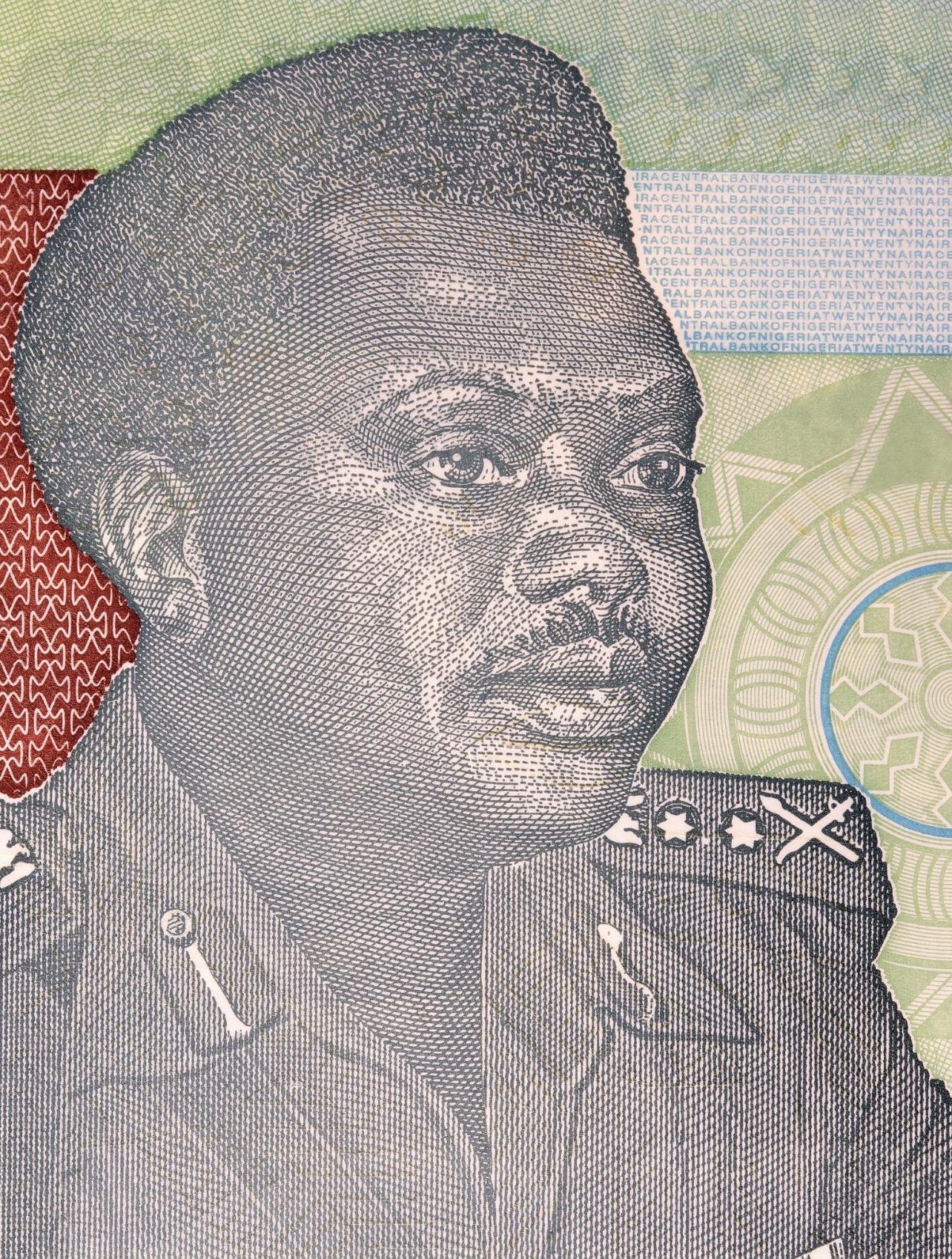
Murtala Muhammed
In the ancient city of Kano, where centuries of trade and culture shaped the rhythm of Northern Nigeria, a child was born on November 8, 1938. No one could have imagined that this young boy would one day become one of the most influential and dramatic leaders in Nigeria’s history. His name was Murtala Muhammed.
His time in power was short, lasting barely seven months. Yet in that brief period, he ignited reforms, challenged corruption, and inspired a generation with bold leadership that still echoes across Nigeria’s political history.
His story is one of courage, military discipline, revolutionary change, and a tragic end that shocked an entire nation.
Early Life and Education
Murtala Ramat Muhammed was born in Kano, Northern Nigeria. His family belonged to a respected lineage connected to traditional leadership and scholarship. Growing up in Kano exposed him to the cultural richness and political importance of the region.
He attended Government College in Zaria, one of Nigeria’s most prestigious secondary schools at the time. The institution produced many future leaders and intellectuals.
From a young age, Murtala demonstrated courage and determination. Rather than pursuing a conventional academic career, he chose the military path. That decision would place him at the center of Nigeria’s most turbulent political moments.
Entry Into the Nigerian Army
Murtala Muhammed joined the Nigerian Army in the late 1950s when the country was still under British colonial rule. He trained in military institutions in Nigeria and abroad, including in the United Kingdom.
His early military career coincided with Nigeria’s independence in 1960, a period when the young nation was building its institutions and identity.
As a young officer, he gained a reputation for boldness and confidence. His leadership abilities became evident during Nigeria’s most difficult national crisis.
Role in the Nigerian Civil War
Between 1967 and 1970, Nigeria was plunged into the Nigerian Civil War following the secession attempt by Biafra. Murtala Muhammed served as a military commander during the conflict.
He commanded the Second Division of the Nigerian Army. His role placed him in some of the most intense military operations of the war.
While the war remains one of the most tragic chapters in Nigerian history, it also elevated several military officers into national prominence. Murtala Muhammed emerged as one of the most visible and outspoken commanders.
His fearless approach earned both admiration and criticism. But there was little doubt about his influence within the military hierarchy.
Nigeria’s Political Turmoil and Military Governance
After the civil war ended in 1970, Nigeria entered a period of military rule under Yakubu Gowon. However, dissatisfaction within the military grew as many officers believed the government had become slow and ineffective.
By 1975, Nigeria was experiencing economic and administrative challenges despite booming oil revenues.
A group of military officers eventually overthrew Gowon in a bloodless coup. Murtala Muhammed emerged as the new Head of State of Nigeria.
Rise to Power
On July 29, 1975, Murtala Muhammed assumed power as Nigeria’s Head of State. At only 36 years old, he became one of the youngest leaders in the country’s history.
His arrival brought a new style of leadership. Unlike previous administrations, Murtala moved quickly and decisively.
Within weeks, he launched sweeping reforms across government institutions. Thousands of public officials accused of corruption or inefficiency were dismissed. Ministries were reorganized. Bureaucratic structures were challenged.
His actions shocked the political establishment.
To ordinary Nigerians frustrated with corruption and inefficiency, he appeared as a bold reformer determined to restore discipline.
Reforms and Vision for Nigeria
Murtala Muhammed’s administration introduced several important reforms despite its short duration.
He announced plans to move Nigeria’s capital from Lagos to a more central location. This decision later led to the creation of Abuja as the Federal Capital Territory.
He also initiated plans for a transition to civilian rule. His government began preparations for returning Nigeria to democratic governance.
Internationally, he pursued an independent foreign policy. Nigeria under Murtala supported liberation movements across Africa, particularly in Southern Africa where countries were still fighting colonial rule.
His speeches reflected a confident and assertive Nigeria on the global stage.
Leadership Style
Murtala Muhammed was known for his blunt and direct communication style. He spoke with conviction and rarely used diplomatic ambiguity.
His famous speeches were often delivered with strong nationalistic tone, emphasizing accountability, discipline, and service to the nation.
Unlike many leaders, he projected an image of simplicity and urgency. His government moved quickly, sometimes with little bureaucratic delay.
For many Nigerians, his leadership symbolized hope for a more efficient and honest government.
The Assassination That Shocked Nigeria
On February 13, 1976, tragedy struck.
While traveling in Lagos in his official car, Murtala Muhammed was assassinated during a failed coup attempt led by dissident officers. His convoy was attacked in broad daylight.
The news spread rapidly across Nigeria. Shock and grief engulfed the nation. Crowds gathered in mourning as the country struggled to comprehend the sudden loss of its leader.
His death ended one of the most dramatic and energetic leadership periods in Nigerian history.
Following his assassination, his deputy Olusegun Obasanjo assumed leadership and continued the transition program toward civilian rule.
National Mourning and Legacy
Murtala Muhammed’s death transformed him into a national symbol. Streets, institutions, and landmarks were named in his honor, including the Murtala Muhammed International Airport in Lagos.
For many Nigerians, he became a symbol of decisive leadership and anti corruption reform.
Though his time in power lasted only seven months, his policies and bold actions left lasting impact on Nigeria’s governance structure.
His decision to relocate the capital eventually led to the creation of Abuja, one of Nigeria’s most important administrative developments.
Personal Life
Murtala Muhammed was married to Ajoke Muhammed, and they had children together. Despite his powerful position, he maintained a relatively simple personal lifestyle.
He was known for discipline, punctuality, and a strong sense of duty.
Historical Significance
History often remembers leaders not by the length of their rule but by the strength of their impact.
Murtala Muhammed ruled Nigeria for less than a year, yet his leadership style reshaped expectations of governance. His willingness to confront corruption and inefficiency resonated deeply with Nigerians tired of bureaucratic stagnation.
His assassination also served as a reminder of the instability that often accompanied military rule.
The Enduring Symbol
Today, decades after his death, Murtala Muhammed remains one of Nigeria’s most remembered leaders. His speeches are still quoted. His reforms are still discussed.
He represents a moment when bold leadership briefly captured the imagination of a nation.
From the historic streets of Kano to the corridors of power in Lagos, his journey reflects courage, reform, and sacrifice.
Though his time was short, Murtala Muhammed’s story became permanent in Nigeria’s national memory.


Categorieën
Read More
Olamide Olamide, popularly known as Badoo, is a Nigerian rapper, singer, songwriter, and record label boss widely regarded as one of the most influential artists in Nigerian music. His full name is Olamide Gbenga Adedeji, and he was born on March 15, 1989, in Bariga, Lagos State, Nigeria. Early Life and Background Olamide grew up in Bariga, a bustling area in Lagos known for its...

Usman Ododo Usman Ododo, whose full name is Ahmed Usman Ododo, is a Nigerian politician and accountant best known as the Governor of Kogi State. He is a member of the All Progressives Congress and officially assumed office on 27 January 2024, succeeding Yahaya Bello. Early Life and Background According to the official Kogi State government profile, Ahmed Usman Ododo was born on 1 January...
Episode Twenty-Four: No Time to Waste After Mr Layi left, his voice didn’t. It stayed with me. Every morning, even before anyone called my name, my body already knew what to do. I woke up early sometimes before the first shout echoed through the house. Ablution. Prayer. Silence. Focus. Mr Layi had taught us without lectures. He taught us by example. We went to school daily, even when...
Eniola’s POV After our confession, the office felt different charged, alive, yet fragile. I thought we could keep it quiet, manage our feelings professionally. I was wrong. Rumors spread faster than wildfire. Whispers in corridors, subtle glances from colleagues, judgment behind polite smiles. I felt eyes on me constantly, measuring, speculating. Every morning, I questioned if I...

Badagry sits by the water like a quiet witness. The breeze is gentle, the lagoon looks peaceful, and the town feels slow—until you remember that these same waters once carried some of the biggest movements of people, profit, faith, and pain along the West African coast. Long before modern Lagos grew into a megacity, Badagry was already important because of its location. It functioned as...

