The Sacred Faces of Ile Ife The Ancient Bronze Heads That Tell the Story of Yoruba Civilization
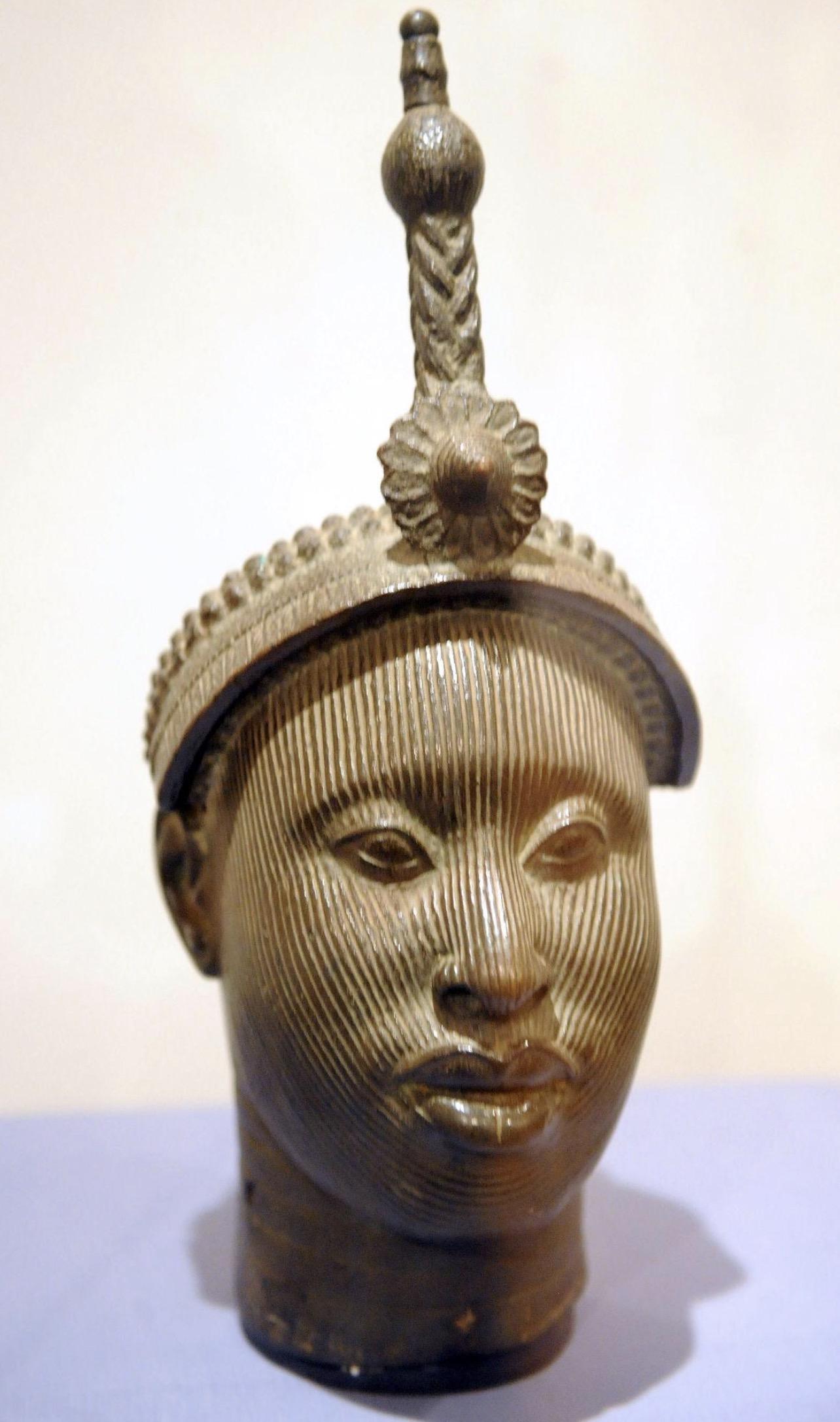
The Sacred Faces of Ile Ife
Long before modern cities, skyscrapers, and digital technology, there existed powerful African civilizations that mastered art, governance, culture, and spiritual philosophy. One of the most extraordinary examples of this brilliance can be found in the ancient city of Ile Ife in present day southwestern Nigeria. Among the many treasures discovered in this historic city, the Ife bronze heads stand out as some of the most remarkable artistic achievements in world history.
These sculptures are not just pieces of metal shaped into human forms. They are silent storytellers of a civilization that flourished many centuries ago. They speak of kings and queens, divine authority, artistic mastery, spirituality, and a society that understood beauty and symbolism at a level that astonished the world.
To understand the importance of the Ife bronze heads, one must first understand the place where they were created.
Ile Ife is regarded by the Yoruba people as the spiritual birthplace of humanity. According to Yoruba mythology, it is the place where the world began. It is believed that the supreme deity Olodumare sent the god Oduduwa to create land upon the waters at Ile Ife, forming the first solid ground and establishing the beginning of civilization.
Because of this sacred origin story, Ile Ife became more than just a city. It became a spiritual center and the heart of Yoruba identity. Kings known as Ooni ruled the land, and the city grew into a powerful cultural and political center between the 11th and 15th centuries.
During this golden era, artisans in Ile Ife developed one of the most advanced metalworking traditions ever seen in Africa.
What they created would later shock historians and archaeologists across the world.
The Discovery That Surprised the World
For centuries the existence of these extraordinary sculptures remained hidden beneath the earth. The people of Ile Ife knew of their cultural importance, but the outside world had no idea what lay buried in the soil.
That changed in the early twentieth century.
In 1938, workers digging foundations for a house in Ile Ife accidentally uncovered a group of metal sculptures. What they found were incredibly detailed bronze heads with lifelike human features.
The discovery stunned everyone who saw them.
The sculptures displayed astonishing realism. The faces had natural proportions, carefully carved lips, delicate noses, and expressive eyes. Some even had finely detailed crowns and beads.
At a time when many European scholars wrongly believed that advanced art traditions did not exist in ancient Africa, these sculptures completely shattered that myth.
Experts were amazed.
The level of skill required to create such realistic metal sculptures was comparable to the greatest artworks of ancient Greece and Renaissance Europe. Yet these sculptures had been created hundreds of years earlier in a West African kingdom.
Further archaeological investigations revealed that these works were produced between the twelfth and fifteenth centuries.
This meant that African artists had mastered complex bronze casting techniques long before many outsiders imagined.
The Artistic Genius of the Ife Craftsmen
The Ife bronze heads were created using a sophisticated method known as lost wax casting.
This technique required incredible precision and patience.
First, an artist would sculpt the face using beeswax or another wax material. The wax model would then be covered in layers of clay to create a mold. Once the clay hardened, the mold would be heated so that the wax melted away, leaving an empty cavity in the shape of the sculpture.
Molten metal made mostly of copper and brass would then be poured into the mold. When the metal cooled and the clay mold was broken, the final sculpture appeared.
The process meant that each piece was unique. Once the mold was broken, it could never be used again.
This made every sculpture a one of a kind masterpiece.
What made the Ife heads particularly remarkable was their naturalism.
Unlike many ancient sculptures that were stylized or symbolic, the Ife artists focused on realistic human features. The heads show calm expressions, balanced facial proportions, and intricate details such as facial marks that reflected Yoruba cultural identity.
Many of the heads display vertical lines across the face. These lines likely represent traditional facial scarification marks, which were common in Yoruba society and often symbolized family lineage, social status, or beauty.
Some of the sculptures also include crowns and elaborate headdresses decorated with beads. These details suggest that many of the heads represent royal figures.
Most historians believe that the sculptures were created to honor past kings of Ile Ife, known as Oonis.
In Yoruba tradition, rulers were not just political leaders. They were seen as sacred figures who connected the human world with the spiritual realm.
Because of this belief, royal art was deeply symbolic.
The bronze heads may have been placed on shrines or altars during important ceremonies honoring ancestors and past rulers.
In this way, the sculptures served both artistic and spiritual purposes.
A Window Into Ancient Yoruba Civilization
The Ife bronze heads do more than display artistic brilliance. They also provide historians with valuable insights into the society that created them.
From the sculptures we learn that Ile Ife had a highly organized society with specialized artisans.
Metalworking requires access to raw materials, technical knowledge, and dedicated training. This suggests that the kingdom had systems in place to support skilled craftsmen.
The detailed crowns and beads seen on the sculptures also reveal the importance of royal regalia in Yoruba culture. Beaded crowns remain an important symbol of kingship among Yoruba rulers even today.
Some of the sculptures even show holes around the mouth or neck area, which scholars believe were used to attach additional decorations such as feathers, beads, or cloth.
These additions would have made the sculptures even more striking during ceremonies.
Archaeological findings also revealed that the artists of Ile Ife worked not only with metal but also with terracotta.
Many terracotta heads have been discovered alongside the bronze ones. These clay sculptures share the same realistic style and artistic precision.
This suggests that terracotta may have been used as a training medium before artists advanced to metal casting.
Together, these artworks reveal a society with deep appreciation for aesthetics, symbolism, and spiritual representation.
Colonial Reactions and Misunderstandings
When the Ife bronze heads were first studied by Western scholars, many found it difficult to believe that such sophisticated works could have been produced by African artists centuries earlier.
Some even proposed strange theories suggesting that the sculptures must have been influenced by ancient Greeks or lost European civilizations.
These assumptions were rooted in colonial era prejudices that underestimated African achievements.
However, further research and archaeological evidence proved beyond doubt that the sculptures were entirely African creations.
The artistic style, cultural symbols, and materials all pointed directly to Yoruba traditions.
Today, the Ife bronze heads are recognized globally as one of the greatest achievements in African art history.
Museums around the world display examples of these sculptures, and they are studied by historians, archaeologists, and art scholars as masterpieces of human creativity.
Their discovery forced many scholars to rethink earlier assumptions about African history and civilization.
They became powerful evidence that complex societies with advanced artistic traditions existed in Africa long before colonial contact.
The Spiritual Meaning Behind the Faces
Beyond their beauty and historical significance, the Ife bronze heads also hold deep spiritual meaning.
In Yoruba belief systems, the head known as Ori holds special importance. It represents destiny, consciousness, and spiritual identity.
Because of this belief, sculpting the head was considered extremely sacred.
Creating realistic heads for royal figures may have been a way of preserving the spiritual presence of those rulers even after death.
Some scholars believe the sculptures were placed on top of full body statues made of wood or other materials that did not survive over time.
The bronze heads would have served as the eternal face of the ruler.
In rituals honoring ancestors, these sculptures may have been used to maintain communication between the living and the spirit world.
This spiritual dimension adds another layer of meaning to the artworks.
They were not simply decorations. They were sacred objects deeply connected to belief systems and cultural identity.
The Legacy of the Ife Bronze Heads
Today, the Ife bronze heads remain one of Nigeria most treasured cultural symbols.
They are powerful reminders of the creativity and sophistication of ancient African civilizations.
The city of Ile Ife itself continues to be an important cultural center. The Ooni of Ife remains one of the most respected traditional rulers in Yoruba land.
Many of the original sculptures are now preserved in museums in Nigeria and abroad.
However, their presence outside Africa has also sparked debates about cultural ownership and the return of historical artifacts.
Many Nigerians believe that these priceless cultural treasures should be returned to their place of origin.
Regardless of where they are displayed, the sculptures continue to inspire admiration and pride.
Artists, historians, and cultural scholars continue to study them for the lessons they reveal about ancient technology, creativity, and society.
Their realism still amazes modern audiences who often find it hard to believe that they were created more than six hundred years ago.
The bronze heads prove that history is not only written in books. Sometimes it is shaped in metal, preserved in clay, and buried beneath the earth waiting to tell its story.
The Ife bronze heads are not just artifacts.
They are voices from the past.
They remind the world that Africa has always been home to extraordinary civilizations rich in knowledge, culture, and artistic genius.
And in the calm, dignified faces of these ancient sculptures, we can still glimpse the pride, spirituality, and sophistication of the people who created them centuries ago.

الأقسام
إقرأ المزيد
Amaka was from Delta State beautiful in a way that made people turn twice. Curvy, confident, always well put together. She carried herself like someone who knew her worth and announced it loudly. “I can never marry a Nigerian man,” she used to say without shame. “I deserve better. I won’t suffer in this country.” To Amaka, Nigeria was a place to escape, not a...

Tunde Owokoniran Tunde Owokoniran is a Nigerian Nollywood actor, movie producer, and entrepreneur known for his work in the Yoruba film industry. Over the years he has become a recognizable face in many Yoruba language movies, admired for his natural acting style and ability to play diverse roles. Early Life and Background Tunde Owokoniran was born in Lagos State, Nigeria, though he...

Vlad’s POV I had been watching her for nights, and yet the first time I actually spoke to her, I felt a strange tremor in my centuries-old heart. She was alive in a way most humans never were curious, fearless, bright even in the darkest corners of the city. And that frightened me. I should have stayed away. I had spent hundreds of years avoiding attachments, avoiding the...
Linda Ejiofor Linda Ejiofor is a Nigerian actress known for her captivating performances, expressive acting, and strong presence in Nollywood. She gained widespread recognition through television and film and has become one of the respected actresses in the Nigerian entertainment industry. Early Life and Background Linda Ejiofor was born on July 17, 1986, in Lagos State, Nigeria. She...

Leveling up your troopers in Helldivers 2 can sometimes feel like a grind, especially when missions get tougher and enemy threats escalate. As someone who has spent countless hours coordinating drops and managing loadouts, I’ve gathered a few strategies that can help you maximize XP gains without burning out. Focus on High-Yield Missions Not all missions are created equal when it comes...