


 About
About
Ibrahim Dasuki: The Sultan Who Walked Between Tradition, Power, and Controversy
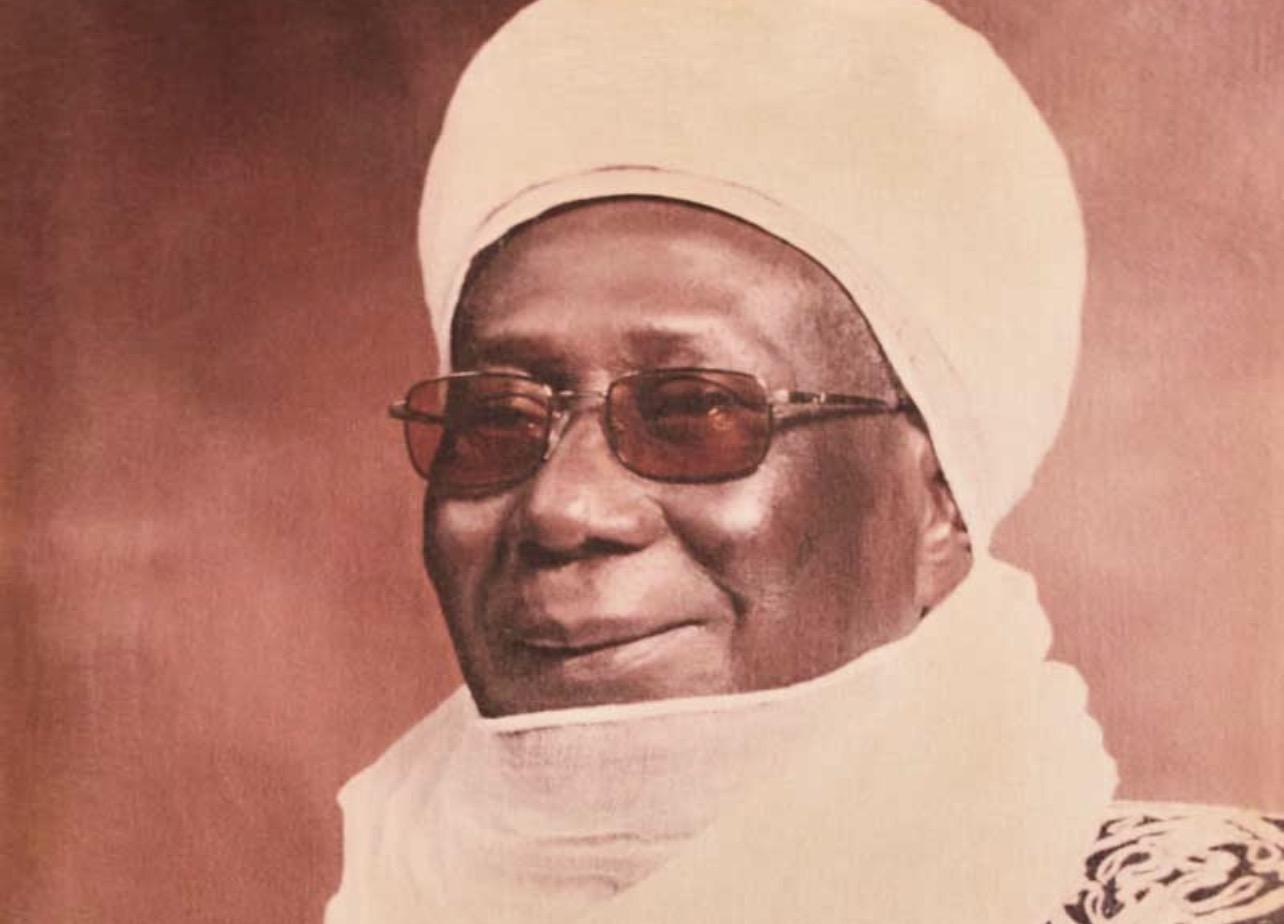
Ibrahim Dasuki
In the historic city of Sokoto, where centuries old Islamic scholarship and royal traditions shape daily life, a man was born into a powerful aristocratic lineage. His life would later place him at the intersection of religion, tradition, politics, and national debate. His name was Ibrahim Dasuki.
His story is one of royal heritage, public service, religious leadership, and one of the most controversial dethronements in Nigeria’s traditional history.
Early Life and Royal Heritage
Ibrahim Dasuki was born on December 31, 1923, in Sokoto, in what was then Northern Nigeria under British colonial administration. He was born into the powerful Sokoto royal family, descendants of the historic Sokoto Caliphate founded by Islamic scholar and reformer Usman dan Fodio in the early nineteenth century.
Growing up in such a lineage meant that leadership, Islamic scholarship, and political awareness were part of everyday life. The Sokoto Caliphate had once been one of the largest Islamic empires in West Africa, and even under colonial rule its traditional institutions retained enormous cultural influence.
Dasuki received Islamic education alongside Western schooling, reflecting the transitional era in which he grew up. This dual exposure shaped his worldview, blending traditional authority with modern administrative knowledge.
Early Career and Public Service
Before ascending to the throne of the Sokoto Sultanate, Ibrahim Dasuki built a career in public service and administration. During the colonial and early post independence period, many traditional elites were integrated into administrative systems to help govern Northern Nigeria.
Dasuki held various administrative roles, gaining experience in governance and diplomacy. He was involved in government service and became respected within both traditional and modern political circles.
His ability to navigate between tradition and modern governance later became an important part of his leadership.
The Sokoto Sultanate
The Sokoto Sultanate is one of the most influential traditional institutions in Nigeria. The Sultan of Sokoto is regarded not only as a traditional ruler but also as the spiritual leader of millions of Muslims in the country.
In 1988, Ibrahim Dasuki became the 18th Sultan of Sokoto following the death of Sultan Abubakar III. His ascension to the throne placed him at the pinnacle of Islamic traditional authority in Nigeria.
As Sultan, Dasuki’s responsibilities extended beyond ceremonial duties. He served as a custodian of Islamic tradition, mediator in community conflicts, and symbol of unity among Muslim communities.
His reign came at a time when Nigeria was experiencing political transitions, economic challenges, and rising tensions between traditional institutions and military governments.
Religious Leadership and Influence
As Sultan, Ibrahim Dasuki presided over religious gatherings, Islamic celebrations, and national discussions involving Muslim communities. The Sultanate also plays an important role in determining the start of Ramadan and the celebration of Eid, responsibilities that carry deep religious significance.
Dasuki was known for engaging in inter religious dialogue and maintaining relationships with political leaders across Nigeria.
However, traditional leadership in Nigeria often intersects with politics, and this intersection would eventually place him in the middle of controversy.
The Dethronement
In 1996, during the military rule of General Sani Abacha, Ibrahim Dasuki was dethroned as Sultan of Sokoto by the Sokoto State government.
The decision shocked many observers across Nigeria. Removing a Sultan of Sokoto was not a routine political event. It carried enormous cultural and religious implications.
Official explanations cited administrative disagreements and disputes within the traditional council. However, many analysts believed the dethronement was influenced by political tensions between the Sultan and the military government.
Dasuki was replaced by Muhammadu Maccido, who ascended the throne following the decision.
The dethronement remains one of the most controversial moments in the history of the Sokoto Sultanate.
Life After the Throne
After his removal from the throne, Ibrahim Dasuki lived largely away from public power. However, his influence and status within royal and religious circles remained significant.
Supporters viewed him as a victim of political interference in traditional institutions. Critics argued that leadership disputes within the emirate structure had made his position difficult.
Despite the controversies surrounding his dethronement, Dasuki continued to command respect among many followers who believed he had served the Sultanate with dignity.
Personal Life and Family
Ibrahim Dasuki belonged to a large and influential royal family. His son, Sambo Dasuki, later became Nigeria’s National Security Adviser under President Goodluck Jonathan.
The family’s continued involvement in national affairs reflects the enduring influence of the Sokoto aristocratic lineage.
Death and Reflection
Ibrahim Dasuki passed away on November 1, 2016, at the age of 92. His death marked the end of a life deeply connected to both Nigeria’s traditional and political history.
Tributes poured in from political leaders, traditional rulers, and religious communities across the country.
Many remembered him as a calm and dignified leader who carried the weight of royal responsibility in complex times.
Legacy in Nigerian Traditional History
The story of Ibrahim Dasuki illustrates the delicate balance between tradition and politics in Nigeria.
Traditional rulers often serve as cultural guardians and community leaders. Yet their roles sometimes intersect with political power structures that can shape their destinies.
Dasuki’s reign and dethronement highlighted the vulnerability of traditional institutions during periods of military rule.
At the same time, his life reflects the enduring influence of the Sokoto Sultanate, an institution that continues to shape religious and cultural identity in Nigeria.
From the palaces of Sokoto to the debates of national politics, Ibrahim Dasuki’s journey remains a chapter in Nigeria’s complex historical narrative.
He was a prince of an ancient caliphate, a Sultan of millions, a leader who navigated faith and authority, and a man whose fall from the throne remains one of the most discussed moments in Nigerian traditional history.


Categorías
Read More
The Bishop of the Anglican Diocese of Kaduna, Most Reverend Timothy Yahaya, has urged President Bola Tinubu, members of the National Assembly, and state governors to prioritize effective governance over premature campaigning for the 2027 general elections. Speaking on the current political climate, the cleric criticized leaders for shifting attention to retaining power rather than tackling...
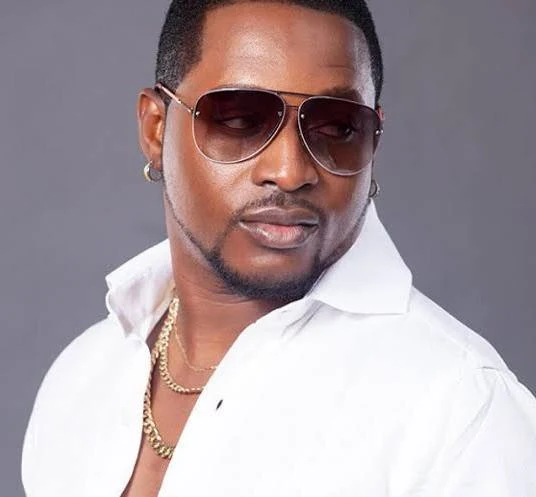
Olu Maintain Olu Maintain is a Nigerian singer, songwriter, and music executive best known for his 2007 smash hit Yahooze, a song that defined an era in Nigerian pop culture. With his stylish persona, catchy hooks, and business-driven approach to music, Olu Maintain became one of the most recognizable figures in Afrobeats during the late 2000s. Early Life and Background Olu...
Ilebaye Odiniya Ilebaye Odiniya is a Nigerian reality television personality, model, and social media influencer. She became widely famous after winning the Big Brother Naija All Stars season. Early Life and Background Ilebaye whose full name is Ilebaye Precious Odiniya was born on May 9, 2001, in Kogi State, Nigeria. She grew up in a supportive family environment where education and...
Akpororo Akpororo is a Nigerian comedian, singer, and entertainer. He is widely known for his energetic stand up comedy performances and for combining comedy with gospel style music. Early Life and Background Akpororo whose real name is Bowoto Jephthah Oluwatiseyifumi Tanimola was born on October 14, 1989, in Warri, Delta State, Nigeria. He grew up in a humble background and...
Sir Abubakar Tafawa Balewa Tafawa Balewa was one of Nigeria’s most important independence era leaders and the country’s first and only Prime Minister. He is best known for guiding Nigeria through the early years of nationhood after independence in 1960, representing Nigeria on the global stage, and helping shape the foundations of the First Republic. Early Life and Background Sir...

