


 About
About
Tafawa Balewa: Nigeria’s First Prime Minister and the Face of Independence

Sir Abubakar Tafawa Balewa
Tafawa Balewa was one of Nigeria’s most important independence era leaders and the country’s first and only Prime Minister. He is best known for guiding Nigeria through the early years of nationhood after independence in 1960, representing Nigeria on the global stage, and helping shape the foundations of the First Republic.
Early Life and Background
Sir Abubakar Tafawa Balewa was born in December 1912 in Bauchi, in present day Bauchi State, Nigeria. He grew up in Northern Nigeria during the colonial period, in a society where traditional authority, Islamic learning, and British administration all influenced public life.
Education
Balewa received early schooling in Bauchi and later attended Katsina Teachers College, one of the most respected training institutions in Northern Nigeria at the time. His education prepared him for a life of public service and helped develop his reputation for discipline, calm leadership, and clear communication.
Early Career as a Teacher
Before politics, Balewa worked as a teacher and later became involved in education administration. His background as an educator shaped his speaking style and public image. Many Nigerians later described him as a leader who spoke simply, calmly, and directly, like a teacher addressing a class.
Entry into Politics
Balewa entered politics through the structures of Northern Nigerian representation under British rule. He became active in political organizing and later rose within the Northern People’s Congress (NPC), the leading political party in Northern Nigeria during the independence period.
His political rise was closely connected to the broader Northern leadership project of that era, where leaders aimed to protect regional interests while negotiating Nigeria’s future as a united federation.
Rise to National Leadership
Balewa became a major national figure during the final years of colonial rule. As constitutional conferences and party negotiations intensified, he emerged as a key leader who could represent Northern interests while also working with other regions to form a federal government.
Prime Minister of Nigeria
In 1957, Balewa became Chief Minister, and in 1959 he became Prime Minister after the federal elections that prepared Nigeria for independence. When Nigeria became independent on October 1, 1960, he continued as Prime Minister, leading the country through its earliest years as a sovereign nation.
As Prime Minister, he focused on maintaining national unity, managing regional political tensions, and building Nigeria’s international identity.
Foreign Policy and International Role
Balewa was widely respected for his diplomacy. He represented Nigeria in global forums, supported African independence movements, and promoted Nigeria’s role as an important voice in Africa and the Commonwealth. His international presence helped Nigeria gain recognition as a major new African state.
Challenges of the First Republic
Balewa’s government faced serious internal challenges, including ethnic and regional rivalries, election crises, political violence, and growing tension within the federal structure. These problems intensified in the early 1960s, especially around disputed elections and rising distrust between political blocs.
Death and the 1966 Coup
On January 15, 1966, Nigeria’s first military coup took place. Tafawa Balewa was captured during the coup and later died, marking the end of civilian rule in the First Republic and opening the door to decades of military influence in Nigerian politics. His death remains one of the most significant turning points in Nigeria’s modern history.
Legacy
Tafawa Balewa’s legacy is tied to Nigeria’s independence story and the fragile early years of nation building. He is remembered as a calm, diplomatic leader who carried the image of Nigeria to the world stage, but whose government was overwhelmed by deep political divisions that the young nation had not yet learned to manage. Today, he remains a central figure in discussions about Nigeria’s First Republic, federalism, unity, and political stability.

Kategoriler
Read More
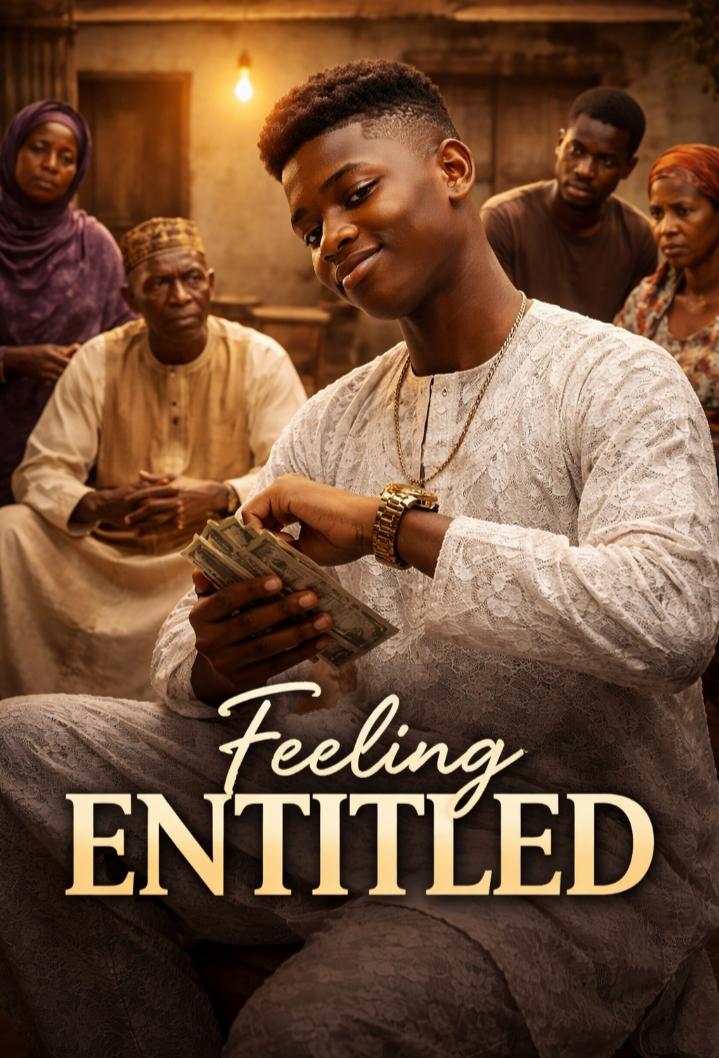
Feeling Entitled Episode 5: The Street Has No Crown Balarabe did not see himself as expelled. He saw himself as elevated. As he walked away from Hajia Amina’s house with his suitcase rolling behind him, he convinced himself that he was simply stepping into destiny. He told himself that greatness required bold moves. That small houses and strict aunts were obstacles meant to be left...
After weeks of online speculation, the anonymous content creator behind the viral “gun-in-car” video featuring House on the Rock pastor, Paul Adefarasin, has finally stepped forward to clear the air. The clip, which showed what appeared to be a firearm in the pastor’s car, had sparked widespread conversation across social media, with many questioning the context, intention,...

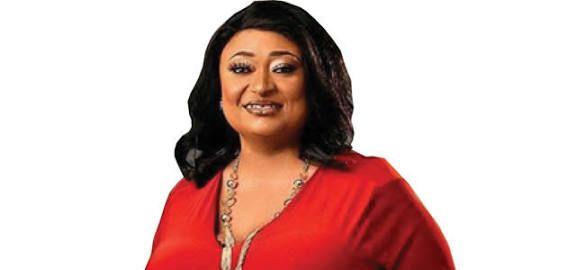
Ronke Oshodi Oke Ronke Oshodi Oke is a veteran Nigerian actress, musician, and politician widely known for her bold roles in Yoruba-language films. With her energetic personality and expressive acting style, she has remained a strong presence in Yoruba Nollywood for decades. Early Life and Background Ronke Oshodi Oke was born Ibironke Ojo-Anthony on July 17, 1974,...
My name is Amara, and this is the story that taught me that betrayal does not always come from enemies. Sometimes, it sleeps beside you, laughs with you, and calls you “best friend.” Lola and I had been friends for seven years. We met in secondary school and grew together into adulthood. People used to say we were inseparable. We shared secrets, dreams, pains, and even clothes....

The streets of Lagos had a rhythm that never slept, and in the heart of the Ajegunle market, that rhythm pulsed strongest at the sound of Iya Bola’s call: “Amala! Ewedu! Gbegiri! Who go chop wey go forget hunger!” Every morning, long before the sun painted the sky orange, Iya Bola was already moving through the alleys, balancing her tray on her head, her bright gele swaying...

