Sobre
Sobre
Ola Rotimi: The Playwright Who Brought African History and Culture to the Stage
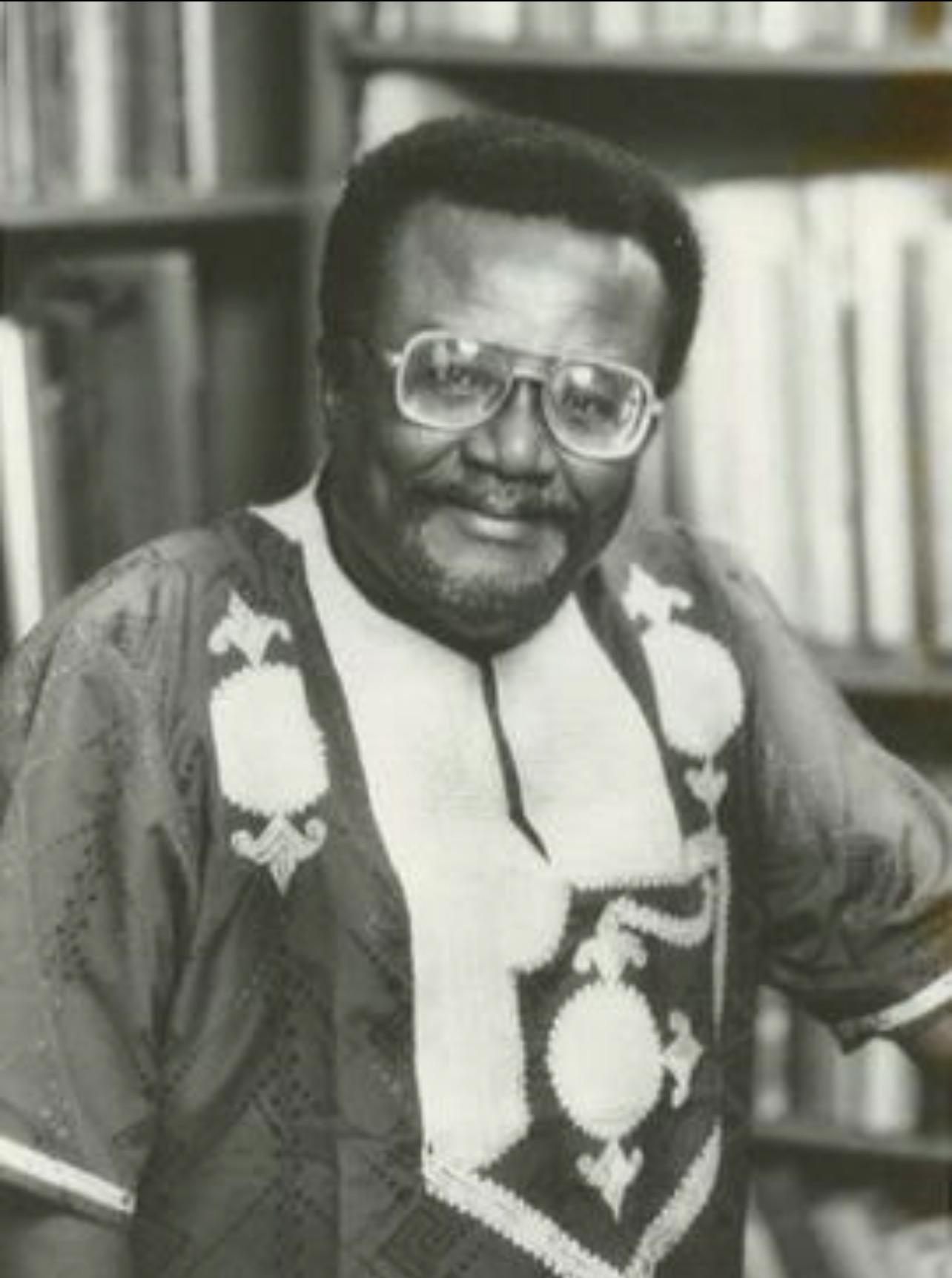
Ola Rotimi
In the vibrant cultural landscape of Nigeria, where storytelling has always been woven into the fabric of everyday life, one man rose to transform traditional stories into powerful theatre that spoke to both Africa and the world. His name was Ola Rotimi, a playwright, director, scholar, and cultural visionary whose work helped shape modern African drama.
His plays were not just entertainment. They were mirrors reflecting society, history, leadership, and human character. Through the stage, he explored the struggles of kings and commoners, the complexities of destiny, and the moral dilemmas faced by individuals and nations.
Early Life and Cultural Roots
Olawale Gladstone Emmanuel Rotimi, popularly known as Ola Rotimi, was born on April 13, 1938, in Sapele, in present day Delta State, Nigeria. His father was a Yoruba man from Ogun State who worked as a shipping agent, while his mother was from the Ijaw ethnic group.
Growing up in a multicultural household exposed him to different Nigerian traditions and languages. This blend of cultures later influenced the richness and diversity of his dramatic works.
Though he was born in Sapele, Rotimi spent part of his childhood in Port Harcourt, Rivers State. The port city was lively and culturally diverse, exposing him to storytelling traditions, music, and community theatre.
From a young age, he displayed a fascination with stories and performance. These early experiences quietly planted the seeds for what would become a legendary career in African theatre.
Education and Exposure to Theatre
Rotimi attended secondary school in Nigeria before traveling abroad for higher education. He studied at Boston University in the United States, where he specialized in Theatre Arts.
Later, he pursued further training at Yale University, one of the most prestigious institutions for drama studies. His time in the United States exposed him to Western theatrical traditions, including classical drama, Shakespearean performance, and modern stage production.
However, Rotimi never abandoned his African roots. Instead, he sought to merge Western theatrical techniques with African storytelling traditions.
He believed African history and culture deserved a global stage.
The Birth of a Playwright
Ola Rotimi returned to Nigeria in the 1960s, bringing with him a passion for theatre education and dramatic storytelling. He began teaching at universities while writing plays that drew heavily from African history, mythology, and folklore.
One of his earliest and most famous works is The Gods Are Not to Blame. The play is an adaptation of the Greek tragedy Oedipus Rex but set within Yoruba cultural traditions.
The story follows Odewale, a man whose destiny unfolds tragically despite his attempts to escape it. The play explores themes of fate, leadership, pride, and human limitation.
The brilliance of the work lies in how Rotimi transformed a classical Western tragedy into an African narrative without losing its emotional depth. The play became one of the most widely performed African dramas in schools and theatres.
Champion of African Historical Drama
Another powerful work by Rotimi is Kurunmi, which tells the story of a historical Yoruba warlord who resisted political compromise in the 19th century.
Through Kurunmi, Rotimi explored themes of leadership, pride, tradition, and political conflict. The play reflects the tensions between cultural values and changing political realities.
Rotimi believed theatre should preserve African history while encouraging critical thinking about leadership and governance.
His other notable works include Our Husband Has Gone Mad Again, a political satire that humorously critiques opportunistic politicians.
The play tells the story of a former soldier who enters politics with little understanding of governance, exposing the absurdities and contradictions within political systems.
Rotimi’s genius lay in balancing humor with sharp social commentary.
Academic Career and Theatre Development
Beyond writing plays, Ola Rotimi was deeply committed to theatre education. He taught at several Nigerian universities and played a major role in developing drama programs.
At the University of Ife, now known as Obafemi Awolowo University, he helped establish one of Nigeria’s most respected theatre departments. He later founded the Ori Olokun Theatre Company, a group dedicated to promoting African performance traditions.
Rotimi believed theatre should not remain confined to academic halls. It should reach ordinary people in villages and towns.
Through community theatre initiatives, he brought drama closer to grassroots audiences.
Style and Artistic Philosophy
Rotimi’s works often blended traditional storytelling methods with modern dramatic techniques. His plays incorporated proverbs, songs, dance, and communal dialogue.
Language also played an important role in his work. He frequently used Nigerian English mixed with local expressions, making his stories accessible to diverse audiences.
Themes in his plays often included destiny, leadership, morality, cultural identity, and social responsibility.
Rather than presenting simple moral lessons, Rotimi created complex characters whose choices reflected real human dilemmas.
Recognition and Influence
Ola Rotimi became widely respected as one of the pioneers of modern African theatre. His works were performed not only in Nigeria but across Africa, Europe, and the United States.
Students across generations studied his plays as part of literature and theatre curricula. His storytelling style influenced many Nigerian playwrights and dramatists.
Through his work, African theatre gained stronger international visibility.
Personal Life
Ola Rotimi was married to Hazel Rotimi, an American woman who shared his passion for theatre and performance. Together, they worked closely in theatre productions and educational initiatives.
Despite international recognition, Rotimi remained deeply connected to Nigeria. He believed African stories deserved to be told by Africans themselves.
His humility and dedication to teaching made him beloved among students and colleagues.
Later Years and Passing
In his later years, Rotimi continued teaching, writing, and directing theatre productions. He remained active in cultural discussions and literary development.
On August 18, 2000, Ola Rotimi passed away at the age of 62. His death was widely mourned across Nigeria’s literary and academic communities.
But his stories did not die with him.
Legacy of a Cultural Giant
Ola Rotimi’s legacy lives on in classrooms, theatres, and literary discussions across Africa. His plays continue to be performed decades after they were written.
Through drama, he preserved African history, challenged political hypocrisy, and celebrated cultural identity.
He showed that theatre could educate, entertain, and provoke reflection at the same time.
From the multicultural home of his childhood to the international theatre stage, Rotimi remained committed to telling African stories with authenticity and pride.
Today, when audiences watch The Gods Are Not to Blame or laugh through Our Husband Has Gone Mad Again, they are not just watching a play. They are witnessing the enduring voice of a storyteller who believed that Africa’s past, present, and future deserved to be performed before the world.
Ola Rotimi was more than a playwright. He was a guardian of culture, a teacher of generations, and a master storyteller whose stage will never truly close.

Categorias
Leia Mais
Justice James Omotosho of the Federal High Court, Abuja, has dismissed the no-case submission filed by the lawyers of Nnamdi Kanu, leader of the Indigenous People of Biafra (IPOB). The ruling came after the Federal Government presented witnesses, evidence, and closed its case against the separatist leader. Following the decision, Justice Omotosho directed Kanu to open his defence. Kanu, who...

A report by the anti-poverty organization Oxfam reveals that just four individuals in Africa possess more combined wealth than the poorest half of the continent’s population, approximately 750 million people. These four billionaires in Africa hold around $57.4 billion between them, underscoring an extreme concentration of wealth that undermines economic growth, strains public...

Dark fiber, also known as unlit fiber, refers to unused or underutilized optical fiber cables that have been laid underground but are not yet activated with network equipment to carry data traffic. Originally installed by telecommunication companies during the dot-com boom, dark fiber was meant to address the anticipated surge in internet usage. However, much of the infrastructure remained...

Stella Damasus Stella Damasus is one of Nollywood’s most respected actresses, known for her emotional depth, powerful screen presence, and versatility. Born on April 24, 1978, in Benin City, Edo State, Nigeria, she has remained relevant in the Nigerian film industry for over two decades. As of 2026, Stella Damasus is 47 years old. Early Life and Education Stella Damasus...

Sir Alan Cobham: The Sky Conqueror Who Brought Flight to Nigeria There are men who live quietly within the boundaries of their time, and there are men who stretch those boundaries until the world must expand to contain them. Sir Alan John Cobham belonged to the second kind. He was born in an era when the sky was still a mystery, when flight was fragile and experimental, when engines coughed...