Environ
M K O Abiola: The Symbol of a Mandate and the Man Who Became Nigeria’s Democratic Icon
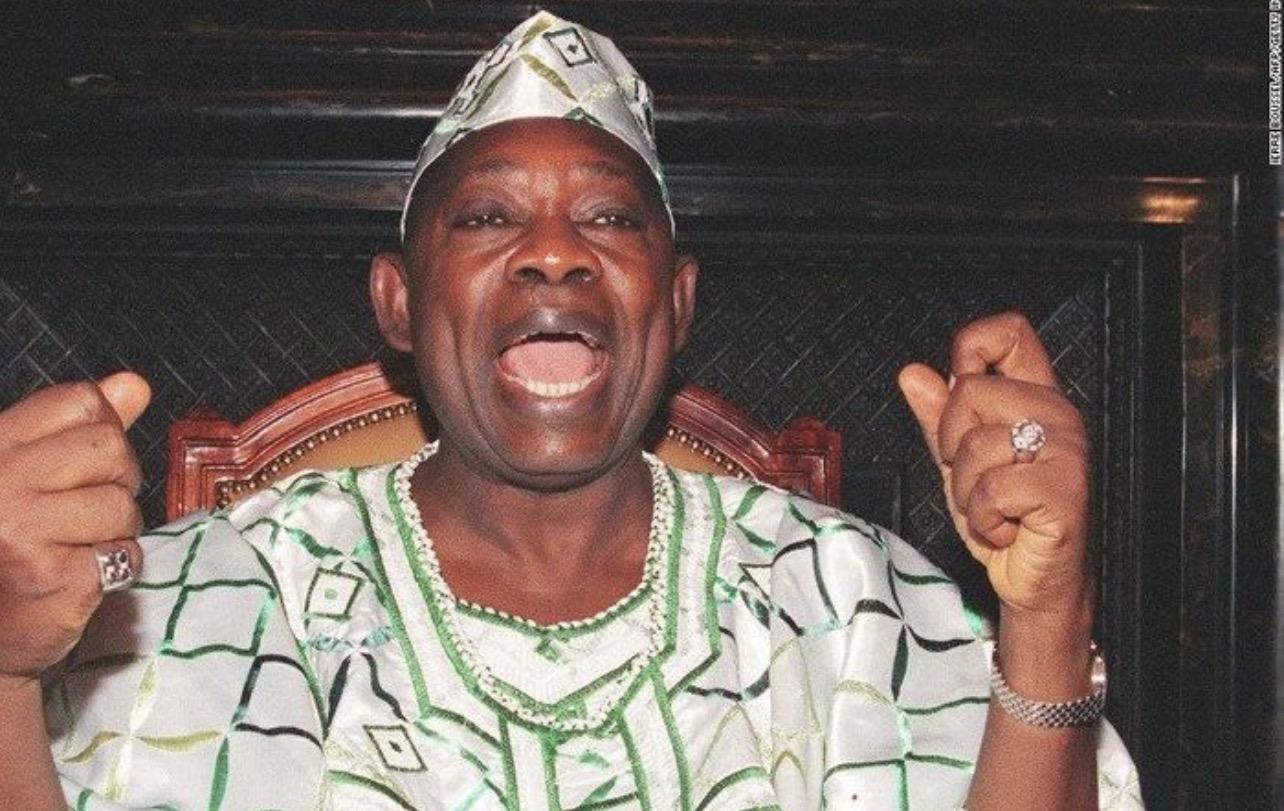
M K O Abiola
In the ancient town of Abeokuta in 1937, a child was born into a modest Yoruba family. No one could have predicted that the boy would grow into one of Africa’s most influential businessmen and later become the face of Nigeria’s most defining democratic struggle. His name would echo through history as a symbol of a stolen mandate and a nation’s longing for justice. He was Moshood Kashimawo Olawale Abiola, widely known as M K O Abiola.
His story is one of poverty and prosperity, philanthropy and politics, hope and heartbreak, ambition and ultimate sacrifice.
Early Life and Education
Moshood Kashimawo Olawale Abiola was born on August 24, 1937, in Abeokuta, Ogun State. He came from a humble background. His father was a produce trader, and the family was not wealthy.
From a young age, Abiola displayed intelligence and entrepreneurial instincts. He supported himself through school by selling firewood and engaging in small trading activities. Education became his ladder out of poverty.
He attended Baptist Boys High School in Abeokuta, where his academic excellence stood out. He later gained admission to the University of Glasgow in Scotland, studying Accountancy. His time abroad exposed him to global business systems and broadened his worldview.
He returned to Nigeria not just with a degree but with ambition.
Rise as a Business Magnate
Abiola’s business career flourished in telecommunications, oil services, publishing, and finance. He worked with International Telephone and Telegraph Corporation and later established his own business empire.
He founded Concord Press, which published newspapers and magazines that gained national prominence. Through shrewd investments and partnerships, he built one of Nigeria’s most diversified business empires.
By the 1980s, M K O Abiola was one of Africa’s wealthiest men.
But wealth alone did not define him.
Philanthropy and Social Influence
Abiola became widely known for philanthropy. He funded scholarships for thousands of students across religious and ethnic lines. He built mosques and churches, donated to communities, and supported social causes nationwide.
His generosity cut across Nigeria’s diverse landscape. Northerners, Southerners, Christians, Muslims, and traditional communities all felt his impact.
This broad appeal would later become crucial in his political journey.
Entry Into Politics
In the early 1990s, Nigeria was under military rule. General Ibrahim Babangida initiated a transition program to return the country to civilian governance.
Abiola joined politics under the Social Democratic Party. He campaigned on a platform that emphasized unity, economic reform, and social justice. His slogan resonated with ordinary Nigerians.
In 1993, he contested the presidential election against Bashir Tofa of the National Republican Convention.
The June 12 Election
On June 12, 1993, Nigerians voted in what is widely regarded as the freest and fairest election in the nation’s history.
Early results showed Abiola leading convincingly across regions, even winning in parts of Northern Nigeria traditionally considered outside his ethnic base. The vote reflected rare national unity.
However, before final results were officially announced, the military government led by Ibrahim Babangida annulled the election.
The decision stunned the nation.
Protests erupted. Civil unrest spread. Many Nigerians believed their democratic choice had been stolen.
June 12 became more than a date. It became a symbol.
Struggle and Imprisonment
After months of political tension, Abiola declared himself the rightful president in 1994. Shortly after, he was arrested by the regime of General Sani Abacha.
He was detained for years without trial. During his imprisonment, his wife, Kudirat Abiola, was assassinated in 1996 in a shocking act that intensified national outrage.
Despite pressure to renounce his claim to the presidency in exchange for freedom, Abiola reportedly refused.
His imprisonment turned him from businessman to martyr in the eyes of many Nigerians.
Death in Custody
On July 7, 1998, Moshood Kashimawo Olawale Abiola died in detention under controversial circumstances, shortly after the sudden death of General Sani Abacha.
His death shocked the nation and drew international attention. For many Nigerians, it marked the tragic climax of the June 12 struggle.
His passing intensified pressure for Nigeria’s transition back to democracy, which eventually occurred in 1999.
Legacy and National Recognition
For years, debates continued over how Nigeria should remember Abiola. To his supporters, he was the rightful winner of the 1993 election and a symbol of democratic sacrifice.
In 2018, President Muhammadu Buhari posthumously awarded him the Grand Commander of the Federal Republic honor, the same title reserved for Nigerian presidents. June 12 was officially recognized as Nigeria’s Democracy Day.
These gestures signified national acknowledgment of his role in Nigeria’s democratic journey.
Personal Life
M K O Abiola had multiple wives and many children. His large family reflected traditional cultural values.
Despite immense wealth, he was often described as approachable and generous. His social network spanned across political, religious, and cultural divides.
The Man and the Mandate
M K O Abiola’s life defies simple definition. He was a businessman of extraordinary success. He was a philanthropist who gave generously without discrimination. He was a politician whose victory symbolized national unity. And he became a prisoner who refused to abandon his mandate.
His story captures the tension between power and principle.
From humble beginnings in Abeokuta to the heights of corporate success, from electoral triumph to prison walls, his life mirrors Nigeria’s own struggle for democratic identity.
He did not live to see democracy fully restored. Yet his sacrifice helped shape its rebirth.
Today, June 12 stands as a reminder of what happened and what was lost. It also stands as a reminder of courage.
M K O Abiola remains one of Nigeria’s most iconic figures, a man whose name is permanently woven into the fabric of the nation’s democratic history.

Catégories
Lire la suite
President Bola Tinubu has called on the Minister of the Federal Capital Territory (FCT), Nyesom Wike, to remain focused on delivering transformative infrastructure projects in the face of criticism, urging him to ignore “busybodies and bystanders”. The President made this statement during the official commissioning of the rehabilitated Bola Ahmed Tinubu International Conference...
Oba Ewuare II In the ancient city of Benin, where bronze remembers what books sometimes forget, the palace rises like a guardian of history. The red earth of Edo carries stories of warriors, queens, craftsmen, and kings whose authority once stretched across forests and trade routes of West Africa. From this sacred ground emerged a prince who would travel the world as a diplomat before...
Gbong Gwom Jos Jacob Buba In the cool highlands of Jos, where rocky hills rise above green valleys and cultures meet in delicate balance, the throne of the Gbong Gwom Jos stands as a symbol of unity among the Berom people and other indigenous communities of Plateau State. Upon that throne sits Jacob Gyang Buba, a monarch whose journey began in military uniform before destiny called him...
Omoni Oboli Omoni Oboli is a Nigerian actress, filmmaker, scriptwriter, producer, and director known for her versatility and strong influence in Nollywood. Over the years, she has grown from a young actress into one of the most respected female filmmakers in Nigeria. Early Life and Background Omoni Oboli was born on April 22, 1978, in Benin City, Edo State, Nigeria. She hails...

Liz Benson Liz Benson is a veteran Nigerian actress, television personality, and ordained minister who became one of the most recognizable faces in Nollywood during the 1990s. Born on April 5, 1966, she is currently 59 years old (as of 2026). Known for her elegance, emotional depth, and commanding screen presence, Liz Benson remains one of the most respected actresses in the Nigerian...