Σχετικά
Peter Enahoro: The Pen That Challenged Power and Defined a Nation’s Voice
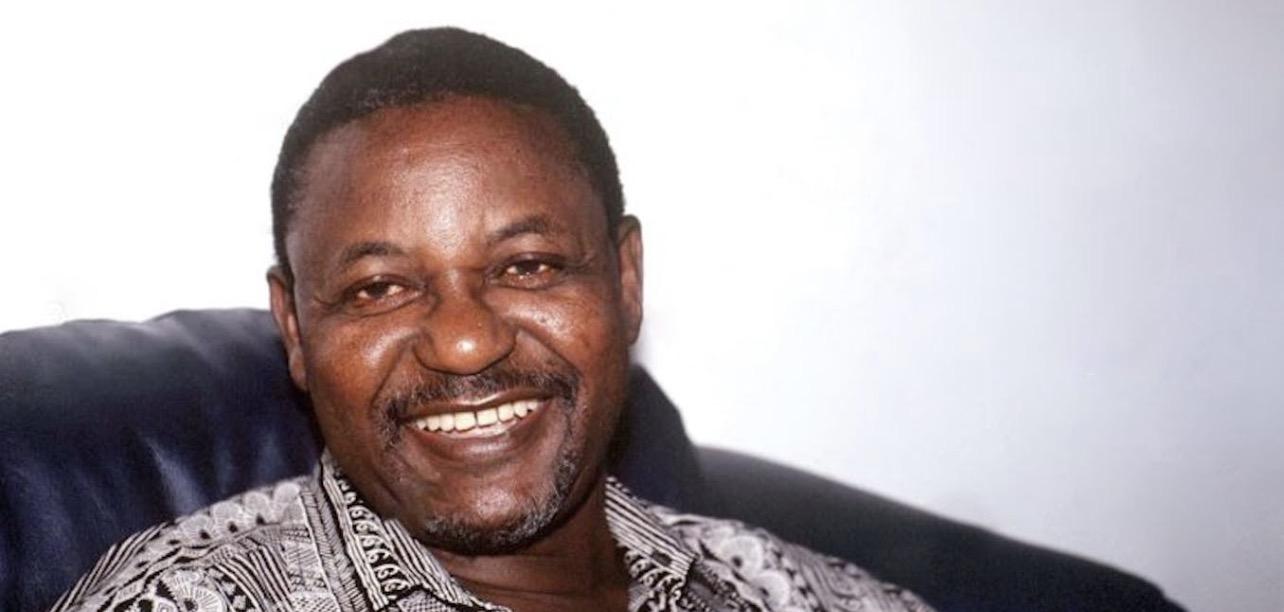
Peter Enahoro
In the early decades of the twentieth century, when Nigeria was still under colonial rule and its future uncertain, a boy was born who would grow up to wield one of the most powerful tools in history — the pen. His words would travel across continents, confront military regimes, and shape political consciousness. That boy was Peter Enahoro.
For generations of Nigerians, he was known by another name, a sharp and fearless pseudonym that carried both satire and seriousness: Peter Pan. His life story is woven into Nigeria’s journey from colony to republic, from fragile democracy to military dictatorship, and back again.
Early Life and Education
Peter Enahoro was born on January 21, 1925, in Uromi, in present day Edo State, Nigeria. He grew up in a family that valued education and public service. His younger brother, Anthony Enahoro, would later become a prominent nationalist who moved Nigeria’s motion for independence in 1953.
Peter attended King’s College, Lagos, one of Nigeria’s most prestigious secondary schools during the colonial era. There, he developed a deep love for literature, debate, and journalism. Words fascinated him. He saw how they could inform, persuade, and challenge authority.
He did not follow a conventional university path immediately. Instead, journalism became both his classroom and his battlefield.
The Birth of a Journalist
In his early twenties, Peter Enahoro entered the world of newspapers. He began working with publications such as the Daily Times and later became one of the founding editors of the Sunday Times in Nigeria.
Journalism during colonial Nigeria was not merely about reporting events. It was a tool of political awakening. Newspapers were spaces where Nigerians debated self governance, nationalism, and identity.
Enahoro quickly stood out. His writing was sharp, intelligent, and often laced with satire. Under the pen name Peter Pan, he wrote columns that blended humor with pointed criticism. He understood that satire could pierce power more effectively than anger alone.
Voice of a Nation in Transition
The years leading to Nigeria’s independence in 1960 were politically charged. Enahoro’s pen followed every twist and turn. He analyzed constitutional conferences, regional tensions, and the ambitions of emerging political leaders.
When Nigeria finally gained independence, there was celebration but also uncertainty. Enahoro’s writing reflected both pride and caution. He understood that independence was not the end of struggle but the beginning of responsibility.
His journalism was not partisan in the narrow sense. Instead, it held leaders accountable regardless of political alignment.
Author of How to Be a Nigerian
In 1966, Peter Enahoro published one of his most enduring works, a satirical book titled How to Be a Nigerian. The book humorously examined Nigerian social habits, bureaucracy, and cultural quirks.
It was witty but insightful. Through humor, he revealed deeper truths about governance, social behavior, and national character.
The book became a classic. It resonated with Nigerians at home and abroad, capturing the contradictions of a young nation navigating modernity and tradition.
Exile and Resistance
Nigeria’s political stability did not last. Military coups in 1966 and subsequent decades of military rule transformed the country’s governance landscape.
Enahoro’s critical voice often placed him at odds with authorities. During periods of repression, he went into exile in the United Kingdom. From abroad, he continued writing and speaking against dictatorship.
Exile was not comfortable. It meant distance from home and uncertainty. But for Enahoro, silence was not an option.
He believed journalism must challenge abuse of power. His writings during military rule reflected deep concern for democracy and civil liberties.
International Recognition
Over time, Peter Enahoro’s influence extended beyond Nigeria. He wrote for international publications and gained recognition as one of Africa’s most distinguished journalists.
He became a respected commentator on African politics, democracy, and governance. His perspective carried weight because it was shaped by lived experience.
In 1982, he received the Golden Pen of Freedom Award from the World Association of Newspapers, recognizing his commitment to press freedom.
The Family of Voices
Peter Enahoro came from a remarkable family of public intellectuals and activists. His brother, Anthony Enahoro, was a key nationalist figure. His sister, Helen Enahoro, was also involved in journalism.
The Enahoro name became associated with activism, media, and political engagement. But Peter carved his own distinct identity through satire and commentary.
Return to Democratic Nigeria
As Nigeria transitioned back to civilian rule in 1999, Enahoro’s lifelong advocacy for democracy found renewed relevance. Though older and less publicly active than in his youth, his legacy shaped a new generation of journalists.
Young reporters studied his columns to understand how to blend wit with accountability. His work demonstrated that criticism need not be hostile to be effective.
Personal Character and Philosophy
Peter Enahoro was often described as thoughtful, disciplined, and intellectually rigorous. He valued independence of thought. He resisted being boxed into political factions.
To him, journalism was a public trust. The writer’s duty was not to comfort power but to question it.
His satirical tone never masked his seriousness about democratic principles. Beneath the humor lay a deep commitment to justice and accountability.
Later Years and Passing
In his later years, Enahoro lived largely outside Nigeria but remained mentally engaged with its political evolution.
On April 24, 2023, Peter Enahoro passed away at the age of 98. His death marked the end of an era in Nigerian journalism.
Tributes described him as a pioneer, a patriot, and a fearless voice.
Legacy of the Pen
Peter Enahoro’s story is inseparable from Nigeria’s political history. He chronicled independence, critiqued military regimes, and celebrated democratic resilience.
He demonstrated that journalism can shape national identity. Through satire, he invited Nigerians to reflect on their strengths and weaknesses.
His book How to Be a Nigerian remains widely read, proving that humor can endure across generations.
More importantly, his life stands as a reminder that democracy depends on courageous voices willing to speak truth to power.
From Uromi to Lagos newsrooms, from exile in London to international recognition, Peter Enahoro lived as a custodian of conscience.
He did not command armies. He did not hold political office. Yet his influence reached presidents and ordinary citizens alike.
His weapon was ink. His battlefield was paper. His victory was integrity.
In Nigeria’s long journey toward accountable governance, Peter Enahoro’s pen remains one of its sharpest historical instruments.

Κατηγορίες
Διαβάζω περισσότερα
A fire outbreak has razed a cargo ship, CHANG Min, at the Apapa Port in Lagos. The ship arrived at the port on Saturday, June 21, with a consignment which included CNG trucks, tyres, iron rods and construction equipment. It was gathered that the vessel upon arrival went up in flames as the captain successfully managed to steer it into the port vicinity for immediate rescue operations....

The Minister of Art, Culture, Tourism and the Creative Economy, Barrister Hannatu Musa Musawa, has expressed deep sorrow over the passing of legendary highlife musician and folklorist, Mike Ejeagha, who died on Friday, June 6, 2025, at the age of 95. In a statement issued on Saturday in Abuja, Musawa lauded Ejeagha’s immense contributions to Nigerian music and cultural heritage,...
Ngozi Ezeonu Ngozi Ezeonu is a veteran Nigerian actress and former journalist best known for her motherly and royal roles in Nollywood films. With a career spanning over two decades, she remains one of the most respected matriarch figures in the Nigerian movie industry. Early Life and Background Ngozi Ezeonu was born on May 23, 1965, in Owerri, Imo State, Nigeria. She hails...

Sarz Sarz, whose real name is Osabuohien Osaretin, is a highly respected Nigerian record producer, songwriter, and music executive known for shaping the sound of modern Afrobeats. Born on March 17, 1989, in Benin City, Edo State, Nigeria, Sarz has become one of Africa’s most influential music producers through his creativity, consistency, and innovation. Raised in...

Bose Akinola Bose Akinola is a 52-year-old Nigerian actress and film producer who currently serves as the Governor of the Theatre Arts and Motion Pictures Practitioners Association of Nigeria (TAMPAN) for the Oyo State chapter. Known in the industry as "Akin Boss," she is a prominent figure in Yoruba cinema. Born on September 9, 1973, in Ibadan, Oyo State. She attended...