


 About
About
Rashidi Yekini: The Goal King Who Carried Nigeria’s Dreams
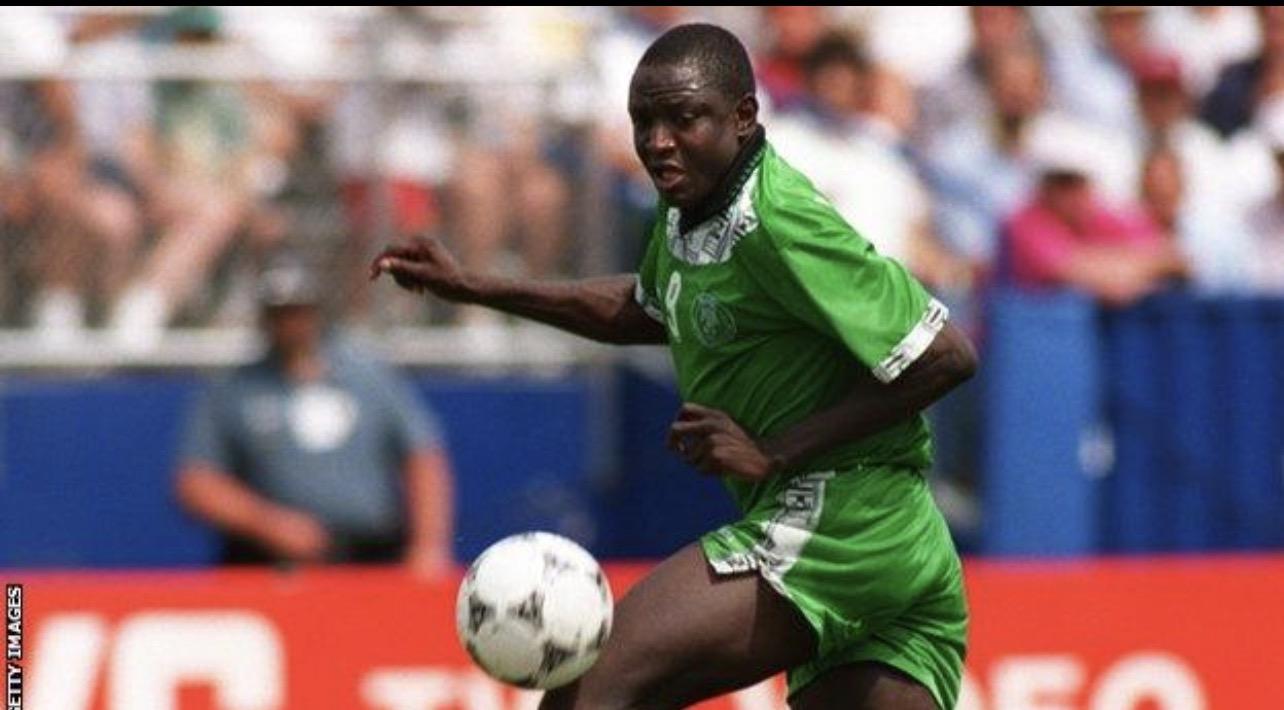
Rashidi Yekini
In the dusty town of Kaduna in 1963, a boy was born who would grow into one of the most iconic footballers Nigeria has ever known. His name would one day echo through stadiums from Lagos to Tunis, from Abidjan to Washington. That boy was Rashidi Yekini.
His story is not only about goals. It is about hunger, struggle, triumph, loneliness, and a legacy carved into Nigerian football history.
Early Life and Humble Beginnings
Rashidi Yekini was born on October 23, 1963, in Kaduna, Nigeria. He grew up in modest circumstances, raised by his grandmother after losing his father at a young age. Life was not easy. There were no glamorous football academies or structured pathways to success. There was only raw talent and determination.
Like many Nigerian boys, he found joy in football on dusty streets. The ball was freedom. It was escape. It was hope.
His professional journey began with local clubs, including UNTL Kaduna. From there, his hunger for growth pushed him to Shooting Stars in Ibadan, one of Nigeria’s most respected clubs at the time.
Even as a young striker, he showed something different. He was tall, powerful, and relentless in front of goal.
Rise to National Prominence
Yekini’s performances at club level earned him a call up to the Nigerian national team, the Super Eagles. It was with the national team that he became a legend.
He made his debut in the 1980s and quickly became Nigeria’s primary goal scorer. His strength, aerial ability, and sharp finishing made him a nightmare for defenders.
The defining moment of his career came at the 1994 FIFA World Cup in the United States. Nigeria had qualified for its first ever World Cup. Expectations were high, but so was pressure.
In Nigeria’s opening match against Bulgaria, Yekini scored the country’s first ever World Cup goal. After finding the net, he ran into the goalpost and grabbed the net in disbelief and emotion. It was not just a celebration. It was a release of years of struggle and national anticipation.
That image of him clutching the net remains one of the most iconic moments in African football history.
Africa Cup of Nations Glory
Before the World Cup breakthrough, Yekini had already etched his name in continental football. In 1994, Nigeria won the Africa Cup of Nations in Tunisia. Yekini was the tournament’s top scorer.
His goals powered Nigeria’s march to victory. He combined physical dominance with clinical finishing. For many Nigerians, that team symbolized a golden generation of talent.
Yekini finished his international career with 37 goals for Nigeria, a record that still stands as the highest by any Nigerian player.
European Journey
Yekini’s talent extended beyond Africa. He played for several European clubs, most notably Vitória Setúbal in Portugal. There, he became a prolific scorer and was crowned the Portuguese league’s top scorer in the 1993 season.
His strength and work rate earned respect in Europe. He also had spells with Olympiacos in Greece and Sporting Gijón in Spain, among others.
Although his time in Europe had ups and downs, he remained known as a reliable striker with an instinct for goal.
Personality and Character
Rashidi Yekini was known as quiet and reserved. Unlike flamboyant stars, he did not seek media attention. He preferred simplicity and solitude.
Teammates often described him as focused and intense. Football was serious business for him. He trained hard and demanded much from himself.
However, as his career progressed, signs of personal struggles began to emerge. Reports later suggested he battled emotional and mental health challenges. At a time when mental health was rarely discussed openly in Nigerian sports, support systems were limited.
Later Years and Challenges
After retiring from professional football, Yekini’s life became more private. There were occasional media reports of erratic behavior, which worried fans and former teammates.
Despite his legendary status, he appeared isolated in his final years. For a man who once carried the hopes of a nation, the silence of retirement seemed heavy.
Passing and National Mourning
On May 4, 2012, Rashidi Yekini passed away at the age of 48. His death shocked Nigeria. Questions surrounded the circumstances, but what remained undeniable was the grief.
Across Nigeria, tributes poured in. Former teammates, football officials, and fans remembered his goals, his iconic celebration, and his contribution to the Super Eagles’ golden era.
He was buried in Ira, Kwara State, his ancestral home. The nation mourned not just a footballer, but a symbol of pride.
Legacy in Nigerian Football
Rashidi Yekini remains Nigeria’s all time leading goal scorer. His 37 international goals stand as a benchmark for generations of strikers who followed.
For many Nigerians, the 1994 World Cup team represents the country’s finest football moment. And at the center of that memory stands Yekini, holding the net in disbelief and joy.
His story also opened conversations about athlete welfare after retirement. It highlighted the need for better mental health support and structured transition programs for sports professionals.
The Man Behind the Goals
Behind the goals was a boy who once played barefoot in Kaduna. Behind the fame was a man who carried expectations quietly.
He did not dominate headlines with controversy. He let his boots speak.
Every powerful header, every clinical finish, every celebration was a testament to a life shaped by determination.
A Symbol of Hope
Rashidi Yekini’s story mirrors the dreams of many young Nigerians. From humble beginnings to global stages, he proved that talent combined with hard work can transcend circumstance.
He inspired countless boys and girls to believe that football could be a pathway to greatness.
Though he is no longer here, his legacy lives in every Nigerian striker who dares to dream, in every fan who remembers 1994, and in every celebration that echoes his unforgettable grip on the net.
Rashidi Yekini was more than a striker. He was a moment in history. A symbol of belief. A king of goals whose name will forever be written in Nigerian football folklore.

Categories
Read More
Lepa Shandy Lepa Shandy, whose real name is Folashade Omoniyi, is a Nigerian actress, filmmaker, and entrepreneur known for her roles in Yoruba Nollywood movies. She is widely recognized for her unique nickname “Lepa Shandy,” which reflects her slim physique and has become her stage identity. Early Life and Background Lepa Shandy was born on April 16 1971 in Lagos State,...

My name is Adebimpe. At least… that was the name my mother whispered into my ear the night before they took me away. I remember her hands shaking as she braided my hair, tight and neat, the way she always did when she was afraid but didn’t want me to know. The moonlight slipped through the cracks in our mud wall, resting on her face like it wanted to memorize her too....

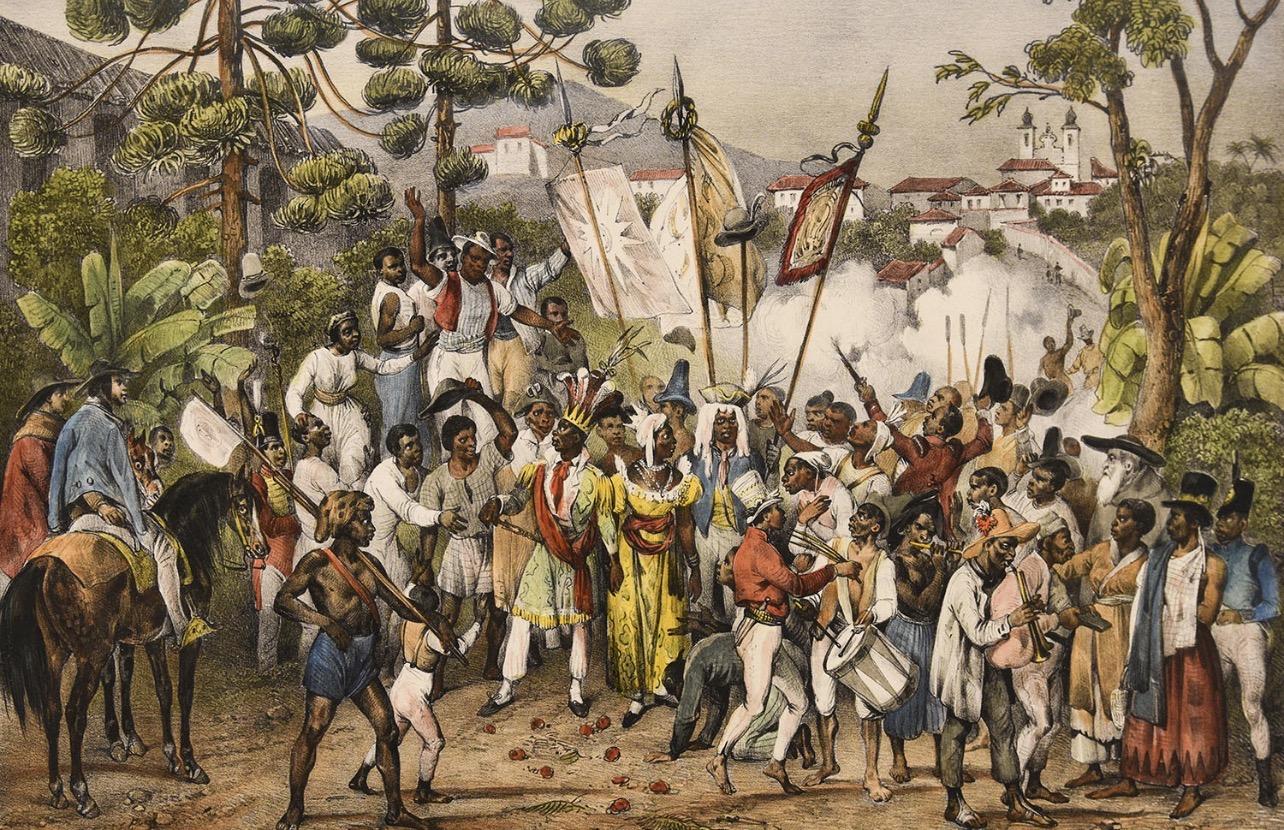
The Priest The night the first ship came, the ocean did not roar, it whispered, as if it knew something the land had refused to understand. In the village, under the heavy breath of ancient trees, the priest stood before the shrine, his body painted in white chalk, his eyes lost somewhere between fear and power. The people trusted him, not because he was perfect, but because he spoke...
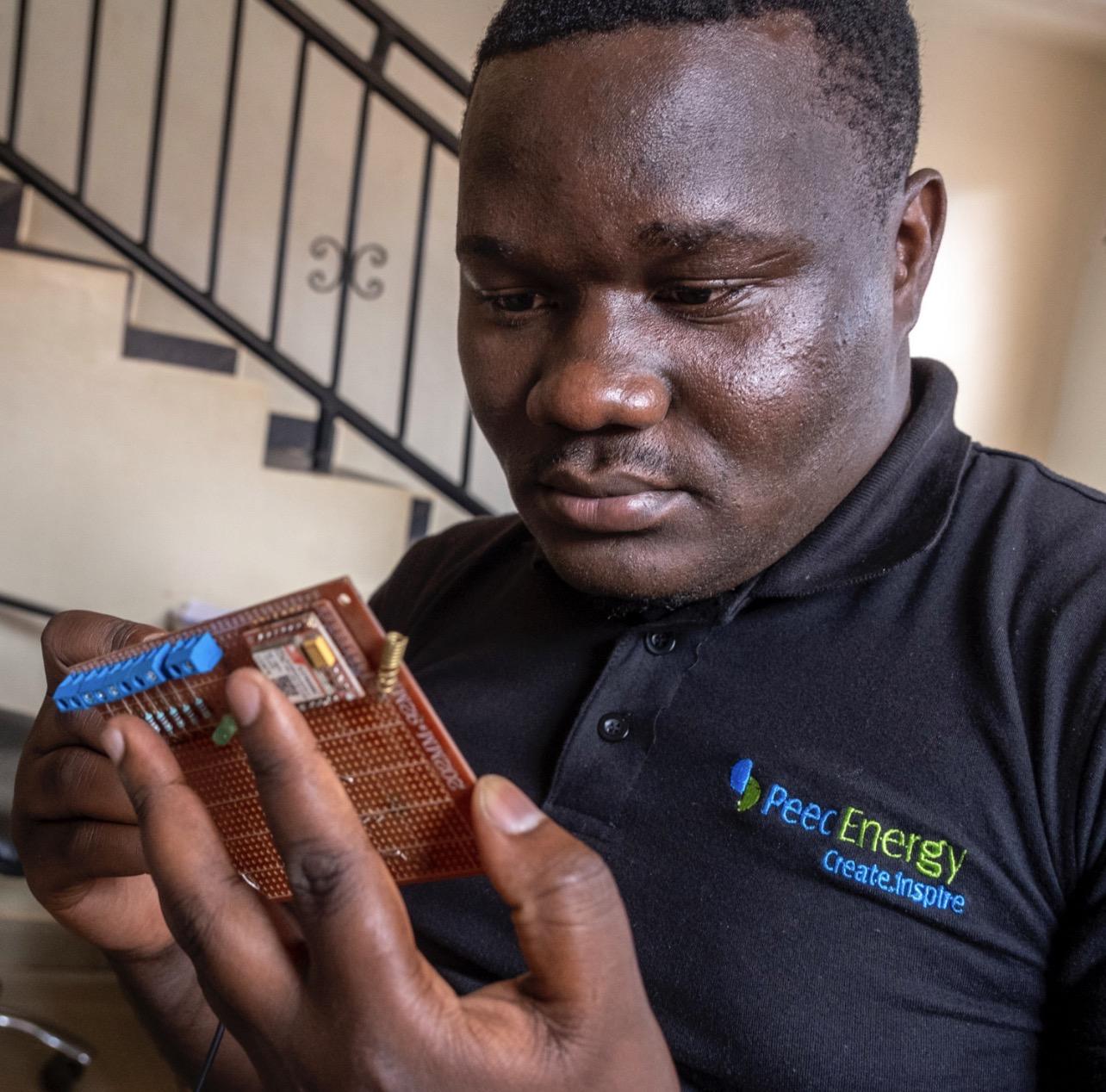
Philip Kyeswa Philip Kyeswa is one of the emerging innovators from Uganda whose work has drawn attention in the fields of technology, electronics, and creative engineering. His name became associated with the concept known as Peec REM, an innovative idea that represents creativity, experimentation, and the determination of an African mind to solve real problems through...
President Bola Tinubu on Tuesday commissioned the first-ever bus terminal in the nation’s capital, Abuja, with a declaration that his administration was taking decisive steps to bring order, accountability and safety to public transportation. Speaking at the Terminal in Mabushi, the president, who was represented by the Speaker of the House of Representatives, Dr Tajudeen Abbas, expressed...

