About
About
Bola Ahmed Tinubu, Nigerian Politics, Lagos State
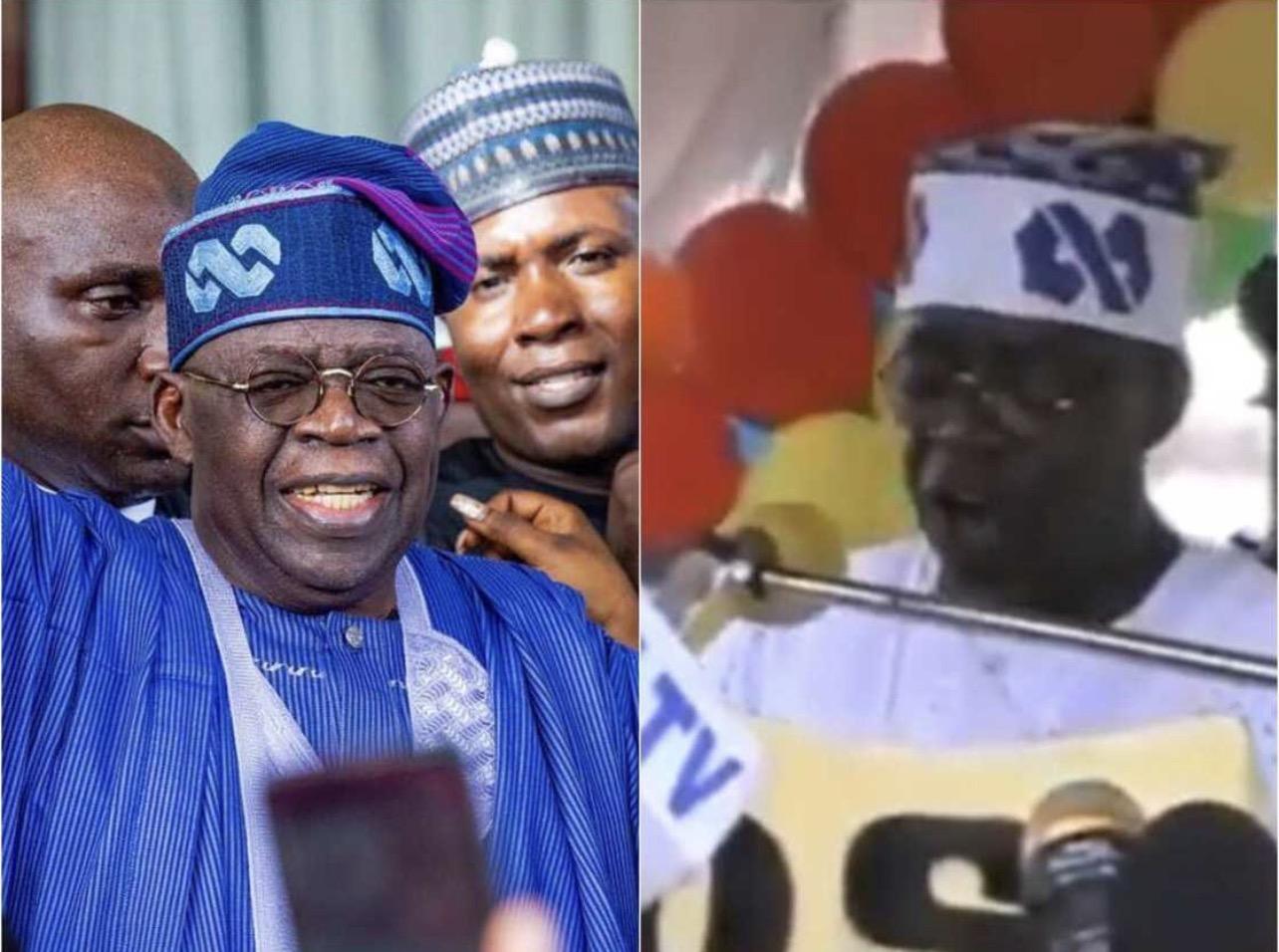
Bola Ahmed Tinubu
In the crowded neighborhoods of Lagos, where commerce never rests and ambition breathes in every street corner, a young boy was born who would one day shape Nigeria’s political direction for decades. His name is Bola Ahmed Tinubu.
To his supporters, he is a visionary strategist. To his critics, he is a controversial power broker. But whether praised or debated, his influence on modern Nigerian politics is undeniable.
His story is one of resilience, exile, political engineering, loyalty, calculation, and ultimately, the presidency.
Early Life and Education
Bola Ahmed Tinubu was born on March 29, 1952, in Lagos State. Lagos, even in the 1950s, was Nigeria’s commercial heartbeat. Growing up in a bustling environment shaped his political instincts early. He understood diversity, negotiation, and survival.
He attended primary and secondary schools in Lagos before traveling to the United States for higher education. Tinubu studied at Chicago State University, graduating with a degree in Accounting. His academic training grounded him in finance and systems thinking.
Before politics fully claimed him, he worked in the corporate world, including at ExxonMobil. Those years exposed him to corporate discipline and financial management, skills that would later influence his governance style.
Entry Into Politics and the Senate Years
Tinubu’s political journey gained prominence in the early 1990s during Nigeria’s transition to democracy. In 1992, he was elected Senator representing Lagos West under the Social Democratic Party.
However, Nigeria’s political trajectory shifted dramatically when the June 12, 1993 presidential election, widely believed to have been won by MKO Abiola, was annulled by the military regime.
Tinubu became an active member of the pro democracy movement. He joined the National Democratic Coalition, advocating for the restoration of democracy. During the military era under General Sani Abacha, he went into exile in the United States to avoid persecution.
Exile did not silence him. Instead, it sharpened his political resolve.
Return and Rise as Governor of Lagos State
When Nigeria returned to civilian rule in 1999, Tinubu contested and won the governorship of Lagos State under the Alliance for Democracy platform.
At the time, Lagos faced enormous challenges. Rapid population growth strained infrastructure. Revenue generation was limited. Urban chaos seemed permanent.
Tinubu approached governance with a focus on revenue reform and institutional restructuring. His administration strengthened the state’s internally generated revenue system, laying financial foundations that future governors would build upon.
He invested in urban planning, transportation reform, and institutional capacity building. Though not all projects were completed during his tenure, he initiated structural frameworks that shaped Lagos’ transformation into Nigeria’s most economically vibrant state.
In 2003, when many opposition governors lost reelection bids, Tinubu retained Lagos. That victory solidified his reputation as a resilient political figure.
The Political Architect
After completing his second term in 2007, Tinubu did not fade from politics. Instead, he became a central strategist in opposition coalition building.
He played a major role in the formation of the Action Congress, which later evolved into the Action Congress of Nigeria. Through strategic alliances and candidate grooming, he influenced leadership selection in Lagos and beyond.
His most consequential political move came in 2013 when opposition parties merged to form the All Progressives Congress. Tinubu was instrumental in forging the alliance that would eventually defeat the ruling party in 2015.
In 2015, the APC’s candidate Muhammadu Buhari won the presidency, marking the first time an incumbent party was defeated in Nigeria’s democratic history. Tinubu’s coalition building skills earned him recognition as a master political strategist.
The Presidential Ambition
After years of shaping national politics from behind the scenes, Tinubu declared his own presidential ambition.
In 2023, he contested under the All Progressives Congress and won the presidential election. His campaign emphasized economic reform, infrastructure expansion, and renewed national unity.
His victory marked the culmination of decades of political maneuvering and strategic alliances.
On May 29, 2023, he was sworn in as President of Nigeria.
Leadership Style
Tinubu is often described as politically astute and deeply strategic. He is known for building networks, identifying talent, and maintaining long term alliances.
Supporters admire his capacity to nurture political protégés who later rise to prominence. Critics argue that his influence over party structures reflects centralized power.
As president, he introduced significant economic decisions, including the removal of fuel subsidies and reforms in foreign exchange policy. These decisions sparked intense national debate.
To supporters, they represented bold economic correction. To critics, they increased short term hardship.
Controversies and Public Debate
Tinubu’s long political career has not been free of controversy. Questions about his early life, educational background, and financial history have periodically surfaced in public discourse.
Throughout his career, he has defended himself against allegations and maintained strong political support, particularly in Lagos.
Nigeria’s polarized political environment ensures that opinions about him remain sharply divided.
Personal Life
Bola Ahmed Tinubu is married to Senator Oluremi Tinubu. He has children and maintains strong ties within political and social networks.
Despite decades in public life, he retains a private dimension regarding family matters. His public persona is often defined by political strategy rather than personal storytelling.
Legacy in Motion
Bola Ahmed Tinubu’s political story spans military rule, democratic struggle, state governance, coalition engineering, and national leadership.
He began as a senator during Nigeria’s fragile Third Republic. He endured exile during military dictatorship. He governed Lagos at a transformative moment. He engineered opposition unity. And ultimately, he ascended to the presidency.
His impact on Lagos State’s financial restructuring remains widely acknowledged. His role in reshaping Nigeria’s party system altered the country’s political balance.
Whether history ultimately celebrates him primarily as a reformist president or as a political tactician who mastered power dynamics, his imprint on Nigeria’s political architecture is permanent.
From the vibrant streets of Lagos to the seat of power in Abuja, Bola Ahmed Tinubu’s journey reflects ambition sustained by strategy.
His story is still unfolding. The chapters ahead will determine how future generations remember his presidency. But the path from Lagos Island to Aso Rock stands as one of the most significant political journeys in Nigeria’s modern history.


Categorieën
Read More
Boy Spyce Boy Spyce, whose real name is Ugbekile David Osemeke, is a Nigerian singer and songwriter known for his smooth vocals, heartfelt lyrics, and fresh Afrobeats sound. Born on May 10, 2001, in Lagos State, Nigeria, Boy Spyce rose to prominence after being discovered through social media and later signing with one of Nigeria’s biggest record labels. Raised in...
Cardi B Full Name:Belcalis Marlenis AlmánzarBorn: October 11, 1992Birthplace:New York City, United StatesNationality:AmericanOccupation:Rapper, songwriter, actress, entrepreneur Early Life Cardi B was born and raised in the Bronx borough of New York City. She is of Dominican and Trinidadian descent. Growing up in a low-income neighborhood shaped her bold...
Sheikh Dahiru Bauchi Early Life Sheikh Dahiru Bauchi, whose full name is Dahiru Usman Bauchi, was born in the early 20th century in Northern Nigeria. He grew up in a deeply religious environment where Islamic teachings were part of everyday life. From a young age, he showed strong interest in learning the Qur’an and understanding Islamic knowledge. His parents and teachers...
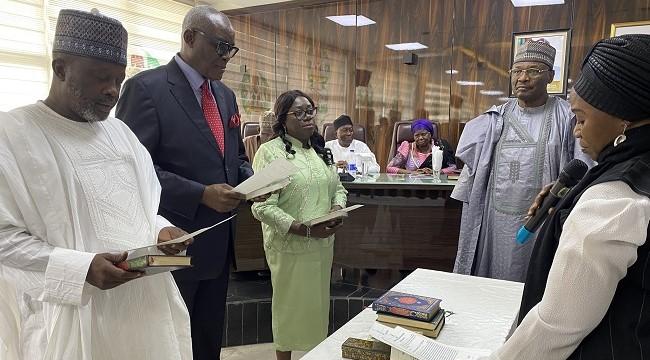
The Chairman of the Independent National Electoral Commission (INEC), Professor Mahmood Yakubu, on Friday formally swore in six newly appointed Resident Electoral Commissioners (RECs), urging them to uphold the highest standards of integrity and adhere strictly to the electoral legal framework. Speaking at the swearing-in ceremony, Yakubu reminded the new RECs of their crucial responsibilities,...
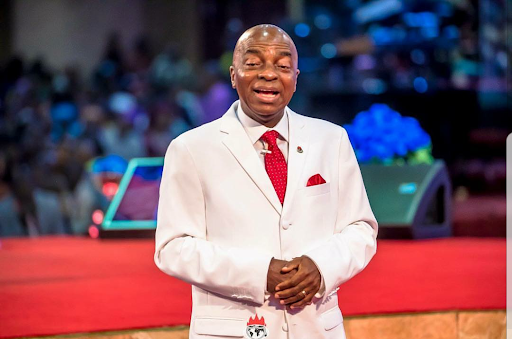
David Oyedepo David Oyedepo is a Nigerian preacher, author, and televangelist best known as the founder of Living Faith Church Worldwide, also called Winners’ Chapel International, and the senior pastor of Faith Tabernacle in Ota, Ogun State. He is also associated with major church-backed institutions such as Covenant University and Landmark University. Early Life and Background David...