О нас
О нас
Dele Momodu The Pen That Chased Power and Built a Continental Media Empire

Dele Momodu
In the heat of Ile Ife, where ancient Yoruba history whispers through palace walls and university lecture halls shape modern minds, a young man once discovered that words could open doors that poverty tried to close. That young man would grow into one of Africa’s most recognizable media personalities.
He is Dele Momodu, journalist, publisher, businessman, and political figure whose life journey reflects resilience, controversy, and relentless ambition.
Early Life and Humble Beginnings
Ayobamidele Abayomi Ojutelegan Ajani Momodu was born on May 16, 1960, in Ile Ife, Osun State, Nigeria. His childhood was not cushioned by wealth. He lost his father at a young age and was raised by his mother.
Growing up in modest circumstances shaped his hunger for success.
Education became his ladder.
He attended local schools before gaining admission into the University of Ife, now Obafemi Awolowo University, where he studied Yoruba and later earned a master’s degree in English Literature.
University life sharpened his love for writing and debate.
He became active in student politics and journalism.
The Young Journalist
After graduation, Momodu worked briefly in the private sector before fully committing to journalism.
He wrote for newspapers and quickly gained recognition for his bold writing style.
Nigeria in the 1980s and early 1990s was politically volatile, with military regimes suppressing dissent.
Journalism during this era required courage.
Momodu’s pen was fearless.
Exile and Reinvention
In the mid 1990s, during the regime of General Sani Abacha, Momodu faced political pressure and left Nigeria for the United Kingdom.
Exile could have ended his ambitions.
Instead, it became his launching pad.
In 1996, while in London, he founded Ovation International magazine.
Ovation was unlike traditional political newspapers.
It focused on high society, celebrities, business leaders, and African success stories.
It celebrated glamour at a time when African media often emphasized crisis.
The Rise of Ovation
Ovation International quickly gained popularity among Africa’s elite.
It documented weddings, award ceremonies, political events, and luxury lifestyles.
For many African leaders and celebrities, appearing in Ovation became a badge of prestige.
Momodu understood something critical.
Africans wanted to see themselves celebrated.
He turned that insight into a thriving publication.
The magazine expanded across multiple African countries and diaspora communities.
From London to Lagos, Ovation became a recognizable brand.
A Network of Influence
Through Ovation, Momodu built relationships with presidents, governors, business magnates, and entertainers.
He positioned himself not just as a journalist but as a connector of power.
His interviews often featured high profile personalities.
He became a regular presence at major African events.
Some praised his access.
Others criticized his closeness to political elites.
But none ignored his influence.
Return to Nigeria
After years in exile, Momodu returned to Nigeria following the end of military rule.
He expanded Ovation’s operations within the country.
He also ventured into television and online media, adapting to the digital age.
His weekly column Pendulum became widely read, offering commentary on politics and society.
Political Ambition
In 2011, Dele Momodu contested for Nigeria’s presidency under the National Conscience Party.
Though he did not win, his candidacy signaled his desire to move from reporting power to exercising it.
Over the years, he aligned with various political platforms and participated actively in national discourse.
His political journey has been dynamic, reflecting Nigeria’s shifting party landscape.
Criticism and Controversy
Dele Momodu’s career has not been free from controversy.
Critics argue that Ovation’s focus on glamour sometimes overshadows investigative journalism.
Others question his political alignments.
Yet Momodu remains unapologetic about his choices.
He believes in celebrating African success as much as scrutinizing power.
Entrepreneur and Brand
Beyond journalism, Momodu is a businessman.
He has diversified into events, media consulting, and television production.
He understands branding deeply.
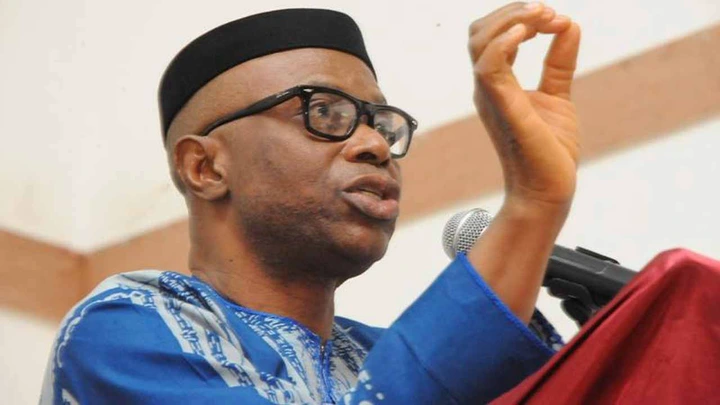
His signature red cap and confident presence make him instantly recognizable.
He turned his name into a personal brand.
Family and Personal Life
Dele Momodu is married and a father.
Despite his busy public life, he often speaks about family values and gratitude for his mother’s sacrifices.
His personal narrative frequently returns to humble beginnings and perseverance.
Legacy of Celebration
Dele Momodu’s greatest contribution may lie in changing how Africa sees itself.
Through Ovation, he highlighted African luxury, success, and achievement during a period when global media often portrayed the continent negatively.
He built a platform that told different stories.
Stories of weddings, business launches, cultural pride, and political gatherings.
He believed Africans deserved glossy pages too.
The Journalist Who Became a Power Player
Momodu’s life reflects transformation.
From a struggling student in Ile Ife to a London based publisher.
From exile to presidential aspirant.
From reporter to media mogul.
He navigated Nigeria’s turbulent political waters with adaptability.
Conclusion
Dele Momodu’s story is one of ambition shaped by adversity.
He turned exile into opportunity.
He turned celebration into business.
He turned access into influence.
Whether admired or debated, his imprint on African media is undeniable.
From the corridors of Ovation to the halls of political ambition, Dele Momodu continues to write his story boldly.
And in every glossy page that celebrates African excellence, his vision echoes clearly.


Категории
Больше
A Senior Advocate of Nigeria (SAN), Prof. Mike Ozekhome; former Governor Olusegun Mimiko of Ondo State; and a chieftain of the Pentecostal Fellowship of Nigeria (PFN), Pastor Femi Emmanuel, on Friday, said that nothing will work in Nigeria unless the country is restructured along federal principles. They, therefore, called on the Federal Government to take bold steps to correct the hindrances...
Kilwa Kisiwani Along the warm blue waters of the Indian Ocean, where waves gently touch the eastern shores of Africa, there once stood a chain of powerful and beautiful cities known as the Swahili stone towns. Among them, one city rose above the rest in wealth, influence, and legend. That city was Kilwa Kisiwani. Today Kilwa Kisiwani is a quiet island off the southern coast of...

I Go Dye I Go Dye is a Nigerian comedian, actor, writer, and social activist. He is one of the pioneers of modern Nigerian stand up comedy and has performed on major comedy stages across Africa and internationally. Early Life and Background I Go Dye whose real name is Francis Agoda was born on April 4, 1979, in Abraka, Delta State, Nigeria. He grew up in Warri, a city well known for...

EPISODE 2: THE FACTORY Halfway down the hallway, a door slammed shut behind Amanda. Before she could turn, her phone was seized. Another woman stepped forward, her face cold and empty. “You are not here to take care of babies,” she said. “You are here to make them.” Amanda screamed. She begged. She tried to run but there was no exit. Thick doors. Iron locks. Inside...

Sarz Sarz, whose real name is Osabuohien Osaretin, is a highly respected Nigerian record producer, songwriter, and music executive known for shaping the sound of modern Afrobeats. Born on March 17, 1989, in Benin City, Edo State, Nigeria, Sarz has become one of Africa’s most influential music producers through his creativity, consistency, and innovation. Raised in...