


 About
About
Nwankwo Kanu The Tall Dreamer Who Conquered Europe and Touched Millions of Hearts
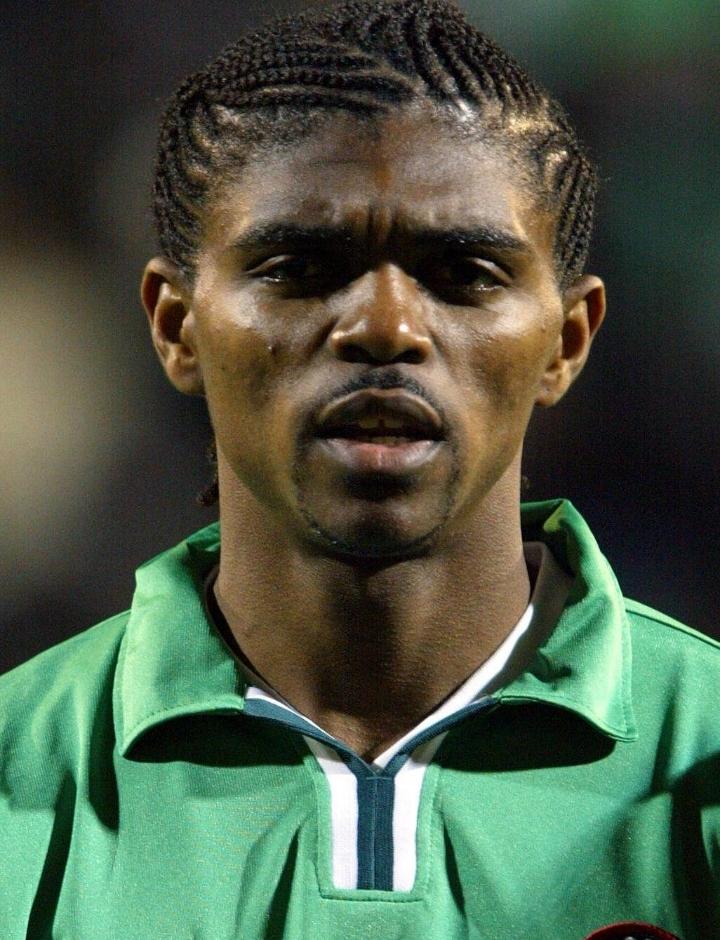
Nwankwo Kanu
In the busy streets of Owerri, where football is more than a game and dreams are chased barefoot across dusty pitches, a tall, slender boy once played with a grace that seemed almost effortless. That boy would grow into one of Africa’s greatest football icons, a Champions League winner, an Olympic hero, and a symbol of resilience.
He is Nwankwo Kanu, known simply to millions as Papilo.
Early Life in Imo State
Nwankwo Kanu was born on August 1, 1976, in Owerri, Imo State, Nigeria. Growing up in southeastern Nigeria, football was not just recreation. It was identity.
Kanu was noticeably tall from a young age. While others relied on speed, he relied on balance, intelligence, and an unusual ability to control the ball with elegance.
He joined local youth teams and quickly attracted attention. His style was different. He glided rather than ran. He dribbled without panic.
By his teenage years, it was clear that he was destined for bigger stages.
Breakthrough with Nigeria Youth Teams
Kanu’s first major spotlight came during the 1993 FIFA U 17 World Championship in Japan. Representing Nigeria’s Golden Eaglets, he displayed maturity and flair beyond his age.
The tournament confirmed what local scouts already suspected.
Europe was calling.
Ajax and European Glory
In 1993, Kanu signed for AFC Ajax in the Netherlands.
Ajax was known for developing young talent, and Kanu fit perfectly into their philosophy of technical football.
In 1995, Ajax won the UEFA Champions League, defeating AC Milan in the final. Kanu was part of that historic squad.
For a young Nigerian, lifting Europe’s biggest club trophy was monumental.
But life was about to test him in ways far beyond football.
The Heart Surgery
In 1996, after transferring to Inter Milan in Italy, medical tests revealed a serious heart defect.
For a professional athlete, such news can end a career.
Kanu underwent successful heart surgery in the United States. The recovery process was long and uncertain.
Many doubted whether he would return to top level football.
But Kanu’s story was never meant to end in a hospital room.
He returned to the pitch.
Arsenal and Premier League Magic
In 1999, Kanu joined Arsenal F.C. under manager Arsène Wenger.
In England, he became a fan favorite.
His long legs, creative flicks, and calm finishing produced unforgettable moments.
One of his most iconic performances came in 1999 against Chelsea. Coming off the bench, Kanu scored a stunning hat trick, including an audacious late winner from an impossible angle.
That match cemented his legend in the Premier League.
With Arsenal, he won:
Two Premier League titles
Two FA Cups
He was part of the Invincibles era squad that went unbeaten in the 2003 2004 season.
International Heroics
While conquering Europe, Kanu remained a pillar for the Nigeria national football team.
But his most historic international moment came at the 1996 Atlanta Olympics.
Nigeria faced Brazil in the semifinal. Trailing 3 1, hope seemed lost.
Kanu scored two goals, including a dramatic golden goal winner, sending Nigeria to the final.
In the final against Argentina, Nigeria won gold.
It was Africa’s first Olympic football gold medal.
Kanu was the captain.
He had written his name into African history.
Africa Cup of Nations and World Cups
Kanu represented Nigeria in multiple Africa Cup of Nations tournaments, helping the team win silver and bronze medals.
He also played in the FIFA World Cup, representing Nigeria on the global stage.
Though the Super Eagles did not lift the World Cup during his era, Kanu’s presence symbolized leadership and creativity.
Portsmouth and Continued Success
After leaving Arsenal, Kanu played for West Bromwich Albion and later Portsmouth.
At Portsmouth, he added another FA Cup to his collection in 2008, scoring the winning goal in the semifinal.
Even in the later stages of his career, his composure and football intelligence remained evident.
The Humanitarian
Kanu’s impact extends beyond football.
After surviving heart surgery, he founded the Kanu Heart Foundation.
The foundation has funded heart surgeries for hundreds of African children.
His own medical ordeal inspired him to save others.
Through charity work, Kanu transformed personal pain into collective healing.
Personality and Playing Style
Kanu was never the loudest player on the pitch.
He played with a smile.
He rarely celebrated wildly.
He relied on technique rather than aggression.
Standing at over six feet tall, he possessed surprising agility and soft touch.
Defenders struggled to predict his next move.
He combined African flair with European discipline.
Retirement and Legacy
Kanu retired from professional football in 2012.
He remains one of the few African players to have won:
The UEFA Champions League
The UEFA Cup
The Premier League
The FA Cup
An Olympic Gold Medal
His career stands as one of the most decorated in African football history.
From Owerri to the World
Kanu’s journey reflects resilience.
He conquered Europe.
He survived heart surgery.
He led his country to Olympic gold.
He gave back through humanitarian work.
He became more than a footballer.
He became a symbol of possibility.
Conclusion
Nwankwo Kanu’s story is not just about goals and trophies.
It is about courage.
It is about belief when doctors doubted.
It is about lifting a continent’s pride on a summer night in Atlanta.
From the streets of Owerri to the stadiums of Amsterdam, London, and Atlanta, Kanu carried Nigeria with grace.
He remains one of Africa’s brightest football legends.
And for millions who watched him glide across the pitch, Papilo will always be remembered as the tall dreamer who conquered Europe and touched the world.

Categorie
Leggi tutto
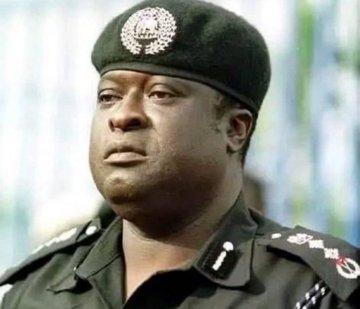
In the early 2000s, Tafa Balogun was one of Nigeria’s most prominent law enforcement figures. As the Inspector General of Police, he positioned himself as a reformer and a protector of national security. However, within just a few years, his career unraveled amid riots, corruption allegations, and criminal charges. Here's a breakdown of Balogun's turbulent legacy—from reformist...
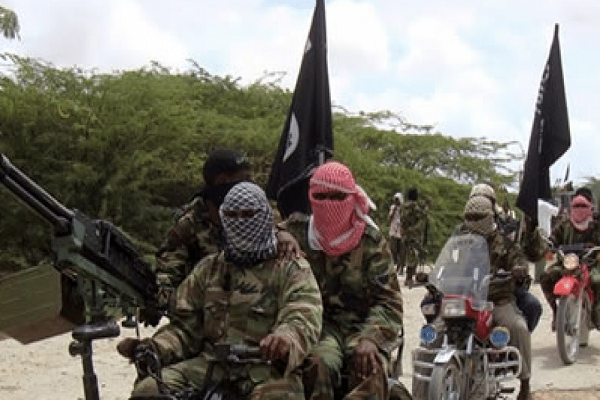
The Nigerian Army has confirmed the death of four soldiers following an insurgent attack on the Military Super Camp at Ngamdu along the Damaturu–Maiduguri highway in Borno State. In a statement released by Lieutenant Colonel Sani Uba, Media Information Officer of the Joint Task Force North East Operation HADIN KAI, the army said troops successfully repelled the attack despite heavy...
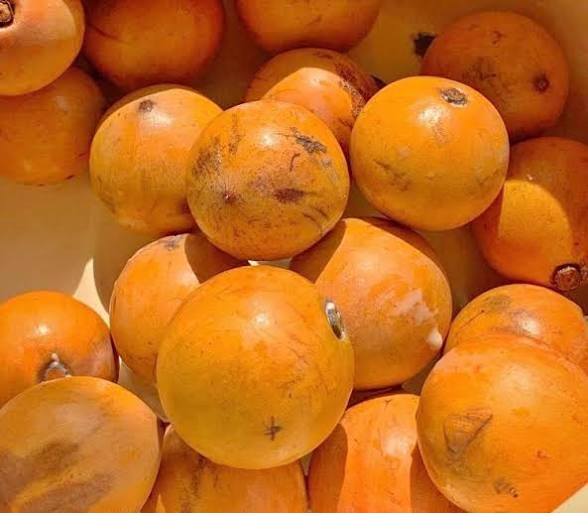
Agbalumo Fruit Importance Agbalumo is a popular tropical fruit widely eaten in Nigeria and other parts of West Africa. The fruit has a sweet and slightly sour taste and is highly valued for its nutritional and health benefits. 1. Rich in Vitamin C Agbalumo contains a high amount of Vitamin C, which helps strengthen the immune system. It helps the body fight infections, colds, and...
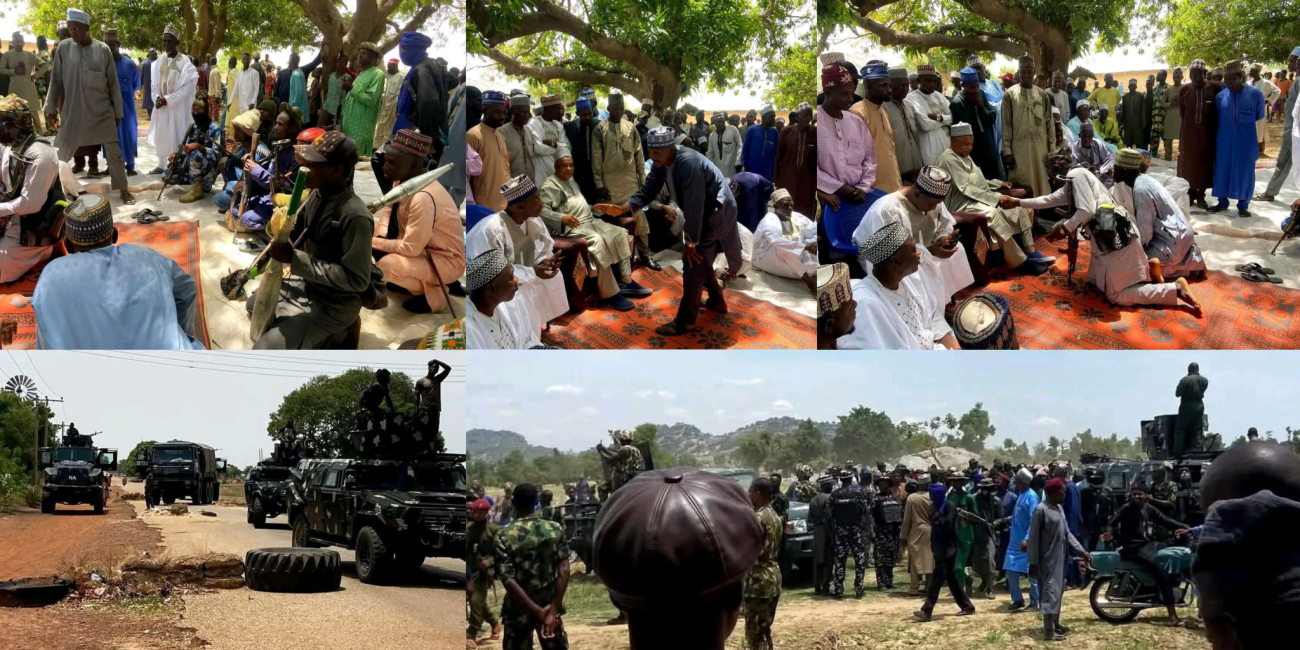
Despite being declared wanted by security forces, notorious bandits leader Ado Aleru resurfaced publicly in Danmusa Local Government Area of Katsina State, where he led a so-called peace meeting attended by Nigerian Army personnel, community leaders, and factions of armed bandit groups. The meeting aimed to foster peaceful coexistence between Fulani herders and other local communities. Aleru,...
Gani Fawehinmi There are lawyers who defend clients. And there are lawyers who defend a nation’s conscience. The life of Gani Fawehinmi was not merely about courtrooms and legal briefs. It was about courage in the face of dictatorship, about standing alone when others chose silence, and about using the law as a weapon against injustice. He was arrested dozens of times. His offices were...

