About
About
Igwe Kenneth Orizu III The Industrial Monarch Who Guarded the Spirit of Nnewi
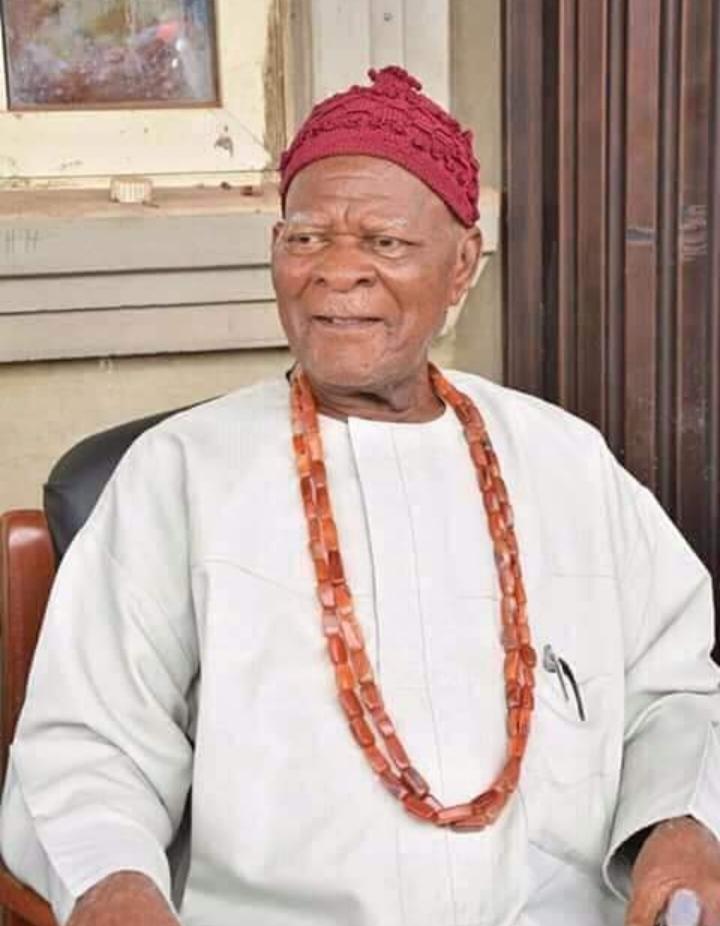
Igwe Kenneth Orizu III
In the industrious town of Nnewi, where factories hum alongside ancestral shrines and entrepreneurship flows as naturally as language, the throne of the Igwe commands reverence that stretches far beyond city borders. On that throne sat Kenneth Onyeneke Orizu III, a monarch whose reign spanned more than five decades and whose leadership coincided with the transformation of Nnewi into the industrial heartbeat of southeastern Nigeria.
His life was a bridge between heritage and enterprise, tradition and modern ambition.
A Prince of Nnewi
Kenneth Onyeneke Orizu was born on April 24, 1925, into the royal Orizu family of Nnewi. His father, Igwe Josiah Nnaji Orizu II, was a revered traditional ruler who presided over Nnewi during a period of colonial transition and rising nationalist consciousness.
Growing up in the palace, young Kenneth absorbed the weight of responsibility early. The Igwe of Nnewi is not merely a ceremonial leader. In Igbo tradition, the Igwe serves as spiritual guardian, community arbitrator, and custodian of ancestral authority.
The palace was both a home and a school of governance.
Education and Early Formation
Kenneth Orizu received his early education at Christ the King College in Onitsha, one of the most prestigious institutions in Eastern Nigeria. Education refined his worldview and sharpened his intellect.
At a time when colonial administration still shaped Nigeria’s governance structures, young Orizu learned the importance of negotiation, diplomacy, and adaptability.
He witnessed the rise of Nigerian nationalism, the movement toward independence, and the emerging political consciousness among the Igbo people.
The Call to the Throne
In 1962, following the passing of his father, Kenneth Onyeneke Orizu ascended the throne as Igwe Kenneth Orizu III.
He was still relatively young, but he stepped into a position that required wisdom beyond years.
His coronation reaffirmed continuity within the Orizu dynasty, one of the most respected royal houses in Anambra region.
Yet destiny would test him soon after.
The Civil War Years
Nigeria descended into civil war in 1967. The Eastern Region declared itself the Republic of Biafra, and conflict erupted.
Nnewi became a strategic town during the war due to its location and industrial potential. The years of conflict brought hardship, displacement, and uncertainty.
As Igwe, Kenneth Orizu III provided moral guidance to his people during one of the darkest chapters in Nigerian history.
The war ended in 1970, but its scars remained deep across Igboland.
Rebuilding and Industrial Rise
After the war, Nnewi embarked on a remarkable journey of reconstruction.
The town gradually evolved into one of Nigeria’s most vibrant industrial centers. Indigenous entrepreneurs established manufacturing plants for automobile parts, electronics, and consumer goods.
Business magnates such as Innocent Chukwuma of Innoson Motors would later emerge from Nnewi’s entrepreneurial culture.
Throughout this transformation, Igwe Kenneth Orizu III served as a stabilizing presence.
He encouraged unity and supported the spirit of enterprise that defined his people.
The Igwe’s palace became a symbol of continuity as Nnewi reinvented itself.
Guardian of Culture
Despite industrial growth, Igwe Orizu never allowed tradition to fade.
The Ofala Festival of Nnewi remained a central cultural event. During Ofala, the Igwe would appear in majestic attire, adorned with coral beads and royal regalia, to bless the people and reaffirm ancestral bonds.
The ceremony blended spirituality, pageantry, and communal pride.
Under his reign, Ofala gained prominence and visibility, strengthening Nnewi’s cultural identity.
Leadership Style
Igwe Kenneth Orizu III was known for his calm authority.
He did not seek headlines. He did not engage in public political disputes.
Instead, he exercised quiet influence.
He mediated disputes within the community. He advised political leaders privately. He promoted peace during times of tension.
His long reign reflected patience and steadiness.
National Recognition
Over the decades, Igwe Orizu earned national respect as one of Nigeria’s longest serving traditional rulers.
He interacted with successive governors of Anambra State and federal leaders.
His palace hosted dignitaries, business leaders, and international visitors curious about Nnewi’s industrial success.
He represented a model of monarchy that coexisted with democratic governance.
Family and Royal Household
Igwe Kenneth Orizu III maintained a royal household rooted in Igbo tradition.
He was married and blessed with children who continued the Orizu lineage.
Within the palace walls, ritual observances and ancestral veneration remained central.
Yet outside the palace, modern life thrived.
He navigated both worlds seamlessly.
Five Decades on the Throne
Reigning from 1962 until his passing in 2020, Igwe Kenneth Orizu III ruled for 58 years.
His reign spanned colonial aftermath, civil war, military regimes, democratic transitions, and economic evolution.
Few traditional rulers in Nigeria matched such longevity.
He witnessed Nnewi’s transformation from a modest town into a powerhouse of indigenous manufacturing.
Throughout these changes, he remained anchored in heritage.
The Final Chapter
On February 19, 2020, Igwe Kenneth Orizu III passed away at the age of 94.
His death marked the end of an era in Nnewi.
Tributes poured in from across Nigeria. Political leaders, industrialists, and traditional rulers acknowledged his enduring influence.
He left behind a town confident in its identity and proud of its achievements.
The Spirit of Nnewi
Nnewi is often called the Japan of Africa because of its entrepreneurial culture.
That spirit flourished under the steady guidance of Igwe Kenneth Orizu III.
He understood that culture and commerce are not enemies.
He preserved the throne while allowing industry to rise.
He upheld ancestral dignity while embracing modern progress.
A Monarch of Endurance
Igwe Kenneth Orizu III did not rule through spectacle.
He ruled through continuity.
He provided a stable anchor in times of national uncertainty.
He protected tradition while encouraging ambition.
In the palace courtyard of Nnewi, where drums sound during Ofala and chiefs gather in council, his legacy remains woven into the town’s identity.
He was a prince who became king.
A monarch who witnessed transformation.
A guardian of heritage in an age of enterprise.
And in the story of Nnewi, his name stands as a pillar of endurance and quiet strength.


Categorii
Citeste mai mult
Before the highways, before motorbikes and buses, water was the main road in coastal Yorubaland. Canoes were the taxis. The lagoon was the highway. And along that watery route, Epe grew into a town that lived by the rhythm of tides—fishing, trade, and movement. How Epe Began: A Waterside Ijebu Settlement Epe is widely described as a riverine settlement of the Ijebu people (a Yoruba...

Agege Ajeromi-Ifelodun Alimosho Amuwo-Odofin Apapa Badagry Epe Eti-Osa Ibeju-Lekki Ifako-Ijaiye Ikeja Ikorodu Kosofe Lagos Island Lagos Mainland Mushin Ojo Oshodi-Isolo Somolu Surulere These are the 20 official local...
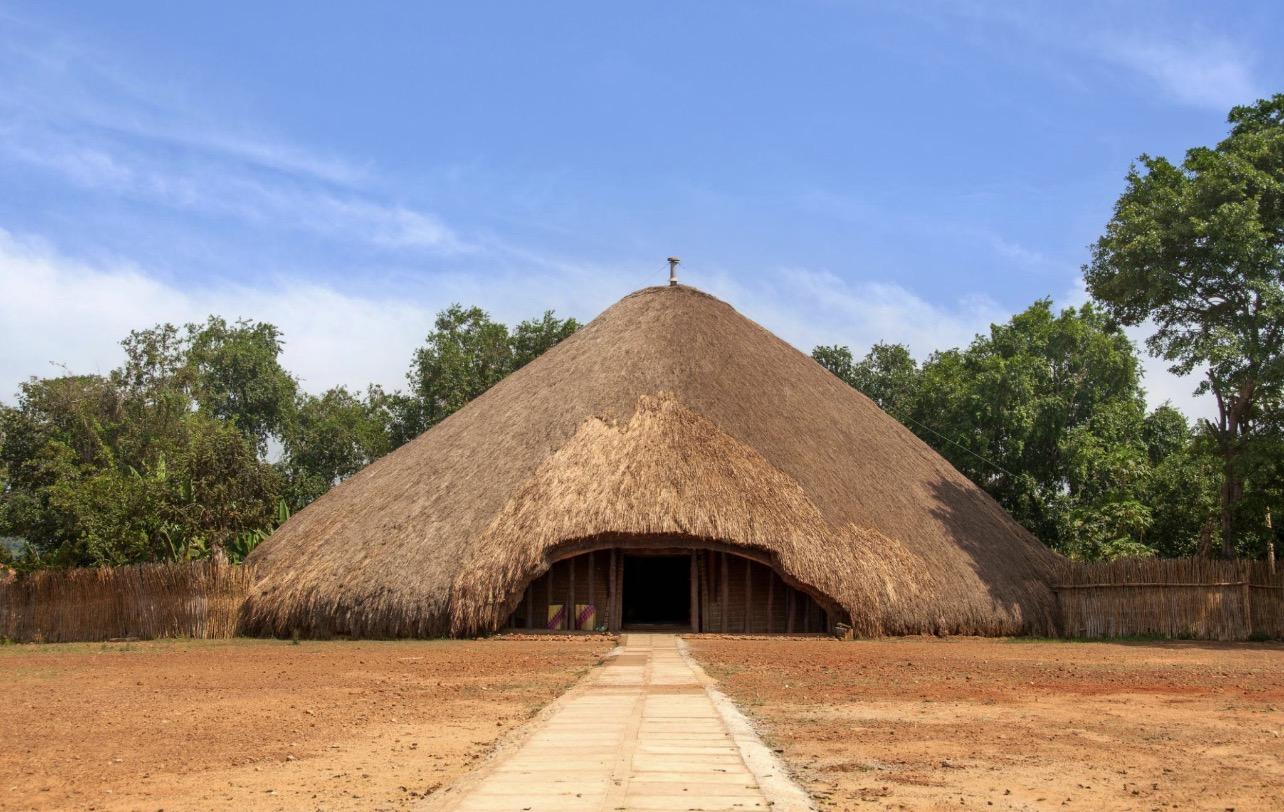
Kingdom of Buganda Deep in the hills of Kampala in Uganda stands one of the most sacred places in African history. It is a place where the spirits of kings are believed to rest, where tradition still breathes through rituals and stories, and where the past continues to guide the present. This place is the Kasubi Royal Tombs, the burial ground of the kings of the Kingdom of...
Bukola Awoyemi Bukola Awoyemi is a Nigerian actress, film producer, and entrepreneur. She is widely known for her roles in Yoruba Nollywood movies and is popularly called Bukola Arugba. Early Life and Background Bukola Awoyemi was born on December 28, 1990, in Ilorin, Kwara State, Nigeria. She grew up in a Yoruba cultural environment where storytelling and performance were highly...

Burkina Faso Burkina Faso is a country whose name means Land of Upright People. That name reflects a deep spirit of dignity, courage, and resistance that has shaped its journey for centuries. From ancient farming communities and powerful Mossi kingdoms to colonial rule and revolutionary change, the story of Burkina Faso is one of endurance and identity. The Earliest Roots Long...