Epe, Lagos: The Lagoon Town Where Trade, Kings, and History Met

Before the highways, before motorbikes and buses, water was the main road in coastal Yorubaland. Canoes were the taxis. The lagoon was the highway. And along that watery route, Epe grew into a town that lived by the rhythm of tides—fishing, trade, and movement.
How Epe Began: A Waterside Ijebu Settlement
Epe is widely described as a riverine settlement of the Ijebu people (a Yoruba subgroup). Its location on the Lagos Lagoon made it a natural meeting point between inland towns and coastal commerce. Over time, Epe became so useful to the Ijebu that it was known as a major outlet for their trade—a port route linking Ijebu country to Lagos and the Atlantic-facing coastline.
Some traditions also remember that the area was once called “Igbo Obo” (often explained as “forest of monkeys”), linked to early hunting camps and first settlers who moved through the forests before a permanent town formed by the lagoon.
Epe’s Lifeline: Fish, Markets, and Lagoon Commerce
Epe’s earliest prosperity wasn’t built on palaces—it was built on work: fishing, smoking fish, canoe transport, and lagoon trade. The lagoon made it easy to move goods in bulk and connect with neighboring communities. That same advantage helped Epe grow from a quiet waterside settlement into a serious commercial town where traders could buy, sell, and move on quickly—often by water rather than land.
When a King Arrived: Kosoko’s Exile Changed Epe
Then came a dramatic turning point that pushed Epe into bigger history.
In 1851, after the British forced a political change in Lagos, King/Oba Kosoko—ousted from the Lagos throne—ended up in Epe with followers and fighters. Epe became a refuge, but it also became a power base. Suddenly, the town wasn’t only about fish and trade; it became a place where politics, warriors, and new influences gathered.
Many accounts add that Kosoko’s stay helped reshape Epe’s social atmosphere—especially through the presence of his followers and the cultural shifts that came with them.
1892: Epe as a Launch Point in the Ijebu War
Epe’s lagoon access later gave it another role—not peaceful commerce this time, but military logistics.
In 1892, Epe served as an embarkation point for the British expedition sent by Lagos Governor Sir Gilbert Carter against Ijebu-Ode (often associated with the conflict remembered as the British–Ijebu War / Battle of Imagbon). In simple terms: troops and supplies used the lagoon routes, and Epe became one of the key stepping stones in that campaign.
Why Epe Still Matters
Epe’s story is the story of many Nigerian towns—except Epe sits on a special advantage: the lagoon. It turned a settlement into a marketplace, a refuge into a political stage, and a quiet community into a town with chapters linked to Lagos, Ijebu country, and colonial-era turning points.
Even today, when people talk about Epe, they are still talking about what built it in the first place: water, trade, and resilience—a town that grew with the tide and kept its identity through every wave of change.

الأقسام
إقرأ المزيد
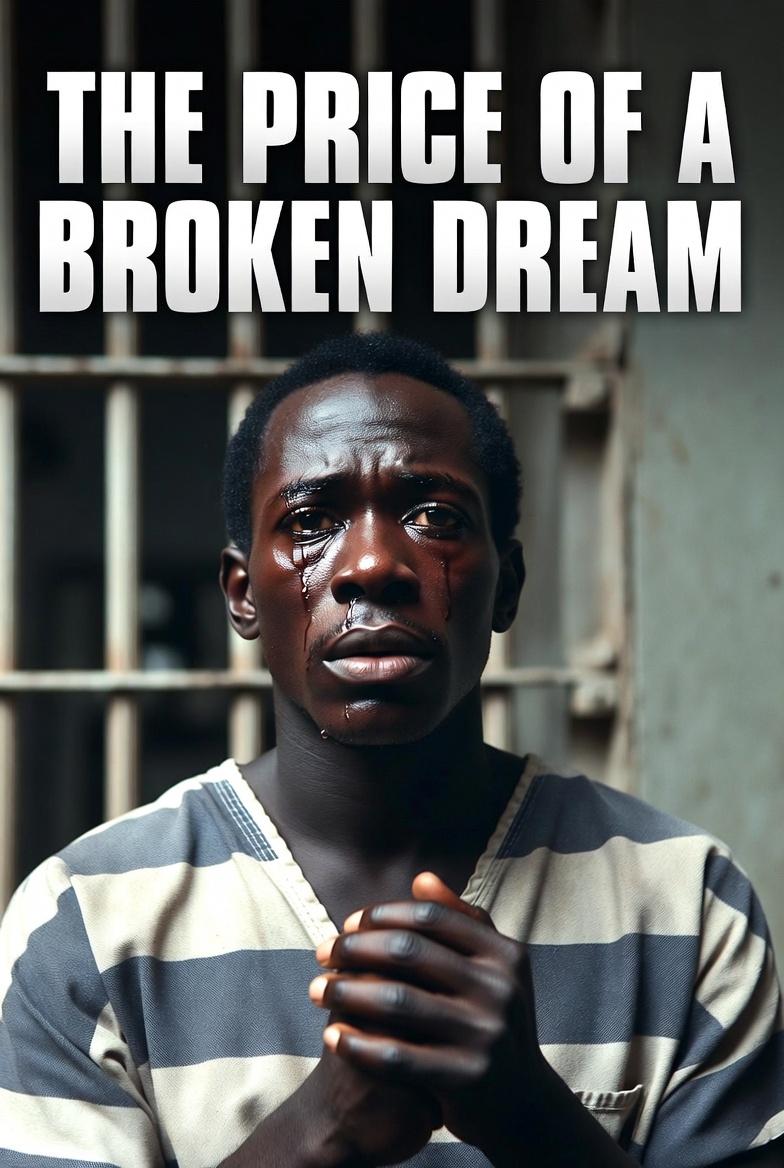
Life imprisonment does not announce itself loudly. It settles in quietly, like dust, covering everything you once were until you can barely recognize yourself. I wake up every morning to the same routine: metal doors, counted steps, silent faces. The world outside moves on without me, and inside these walls, time stretches into something shapeless. At first, I was angry at everything...
The Petroleum and Natural Gas Senior Staff Association of Nigeria (PENGASSAN) has accused the Dangote Petroleum Refinery of unlawfully sacking about 800 Nigerian workers for joining the union, while retaining over 2,000 Indian expatriates. PENGASSAN’s General Secretary, Lumumba Okugbawa, claimed the dismissals came immediately after the workers completed their unionisation process,...

A chieftain of the All Progressives Congress (APC), Mallam Salihu Isa Nataro, has called on the Vice President, Senator Kashim Shettima, to consider resigning from office in response to doubts about his relevance to the administration, following President Bola Ahmed Tinubu’s appointment. Nataro, who was a gubernatorial contender in Kebbi State, disclosed that even before the confusion...

Osita Iheme Long before the memes, before viral comedy clips traveled across continents, and before his face became one of the most recognizable in African cinema, there was a young boy in Imo State whose height would never define his limit. The world knows him as Paw Paw mischievous, witty, unforgettable. But his story began as Osita Iheme, a determined child born into humble...

Lanre Hassan Lanre Hassan, popularly known as Iya Awero, is a veteran Nigerian actress and one of the respected matriarchs of Yoruba-language cinema. With a career that spans several decades, she has played significant roles in preserving Yoruba culture through stage drama and film. Early Life and Background Lanre Hassan was born on July 3, 1950, in Ilesha, Osun State, Nigeria....