About
About
Shehu Idris The Quiet Pillar of Zazzau Who Reigned for Half a Century
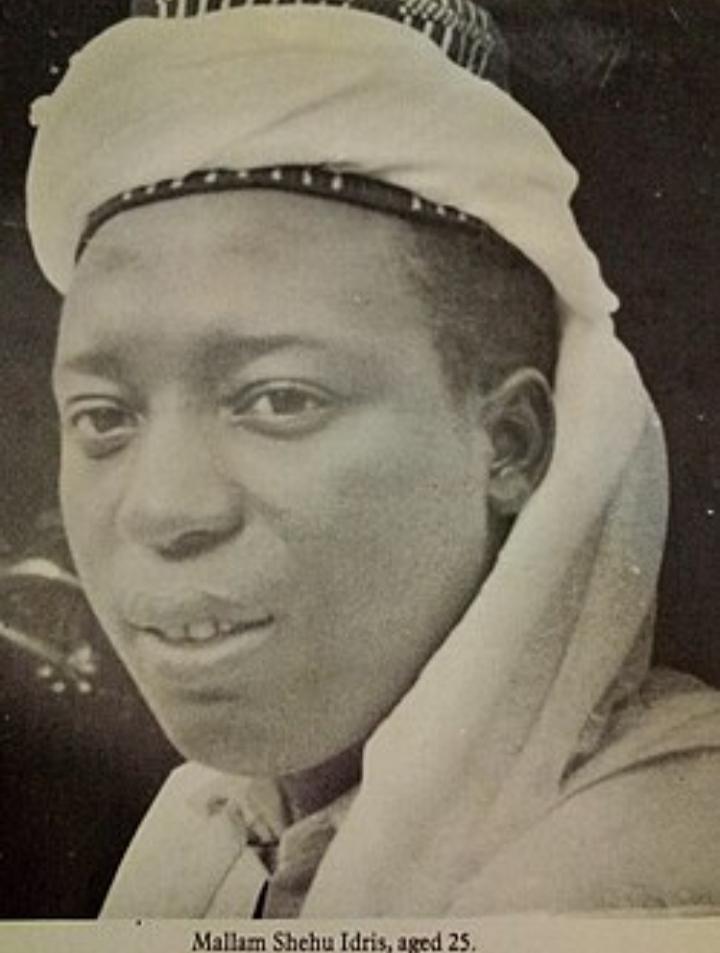
Shehu Idris
In the historic city of Zaria, where the walls of ancient Zazzau still whisper stories of queens and warriors, a monarch once reigned with calm dignity for more than four decades. He was Shehu Idris, the 18th Emir of Zazzau, a ruler whose quiet strength anchored one of Northern Nigeria’s most respected traditional institutions.
His life was not defined by loud proclamations or dramatic confrontation. It was defined by endurance, stability, and service.
A Son of Zazzau
Shehu Idris was born on February 20, 1936, into the royal family of Zazzau. Zazzau, one of the original Hausa city states, holds deep historical significance. It was once ruled by the legendary Queen Amina, whose conquests expanded its territory and fortified its influence.
Growing up in Zaria, young Idris was immersed in Islamic scholarship, Hausa culture, and the responsibilities that accompany royal lineage. The palace environment shaped his character early. Respect for tradition was not optional. It was life.
Education and Early Formation
He attended Zaria Elementary School and later Barewa College in Zaria, one of the most prestigious schools in Northern Nigeria. Barewa College produced many influential leaders, administrators, and intellectuals.
Education refined his discipline. It also prepared him for service beyond ceremonial life.
Before ascending the throne, Shehu Idris worked within the Northern regional administration. He gained experience in governance and public service, understanding the mechanics of administration in a changing Nigeria.
The Call to the Throne
In 1975, following the death of Emir Muhammadu Aminu, the throne of Zazzau became vacant.
The selection of an emir is a solemn traditional process involving kingmakers and consultation within the royal family.
On February 8, 1975, Shehu Idris was appointed the 18th Emir of Zazzau.
He ascended the throne during a period of military rule in Nigeria. The country was navigating political transitions, economic shifts, and regional tensions.
His reign would span 45 years, making him one of the longest serving traditional rulers in Nigeria’s modern history.
Guardian of Zazzau Tradition
The Emir of Zazzau is not merely a ceremonial head. He is spiritual guide, cultural custodian, and moral authority.
Under Shehu Idris, traditional festivals such as the Durbar were preserved with grandeur. During Durbar celebrations, horsemen in colorful regalia paraded before the emir, demonstrating heritage and unity.
These events were not mere spectacle. They reaffirmed identity in a rapidly modernizing society.
A Bridge Between Eras
Shehu Idris reigned through military governments, the Second Republic, subsequent coups, and the return to democracy in 1999.
He witnessed Nigeria under Generals Murtala Mohammed, Olusegun Obasanjo, Ibrahim Babangida, Sani Abacha, and later civilian presidents.
Throughout political turbulence, the Zazzau throne remained stable.
His leadership style was quiet but firm. He rarely engaged in public controversy. Instead, he offered counsel privately and promoted peace publicly.
Voice of Unity
Kaduna State has often experienced religious and ethnic tension. Zaria itself is a city of both Muslim and Christian communities.
Emir Shehu Idris consistently advocated peaceful coexistence. He condemned violence and urged dialogue.
He emphasized that leadership must prioritize harmony over division.
His moral authority often served as a stabilizing force in moments of unrest.
Commitment to Education
One of the enduring themes of his reign was support for education.
Zaria is home to Ahmadu Bello University, one of Nigeria’s leading institutions. The emir maintained a strong relationship with academic leadership and supported initiatives that strengthened educational development.
He believed knowledge was essential for progress within Northern Nigeria.
Family and Royal Household
Emir Shehu Idris maintained a large royal household, consistent with Islamic and traditional norms. He was married and had numerous children and grandchildren.
Despite the grandeur associated with the throne, those close to him described him as humble and approachable.
His palace was a place of consultation and community engagement.
Longevity and Wisdom
Reigning for 45 years requires patience and adaptability.
Shehu Idris understood that monarchy in modern Nigeria operates within constitutional boundaries. He respected the role of elected officials while safeguarding the dignity of traditional authority.
He avoided political partisanship, preferring to remain above electoral disputes.
This restraint strengthened the respect he commanded across different administrations.
Challenges of Modern Leadership
During his reign, Northern Nigeria faced insurgency, economic difficulty, and social transformation.
Though traditional rulers do not command armed forces or legislative power, their influence remains significant.
Emir Shehu Idris used his platform to promote moral discipline and collective responsibility.
He frequently reminded leaders and citizens alike of their accountability before God and community.
The Final Years
On September 20, 2020, Emir Shehu Idris passed away at the age of 84.
His death marked the end of an era in Zazzau.
Tributes flowed from across Nigeria. Political leaders, fellow traditional rulers, and ordinary citizens acknowledged his decades of steady guidance.
His passing closed a chapter that had begun in 1975 and endured through dramatic national change.
A Throne of Continuity
The history of Zazzau stretches back centuries. From Queen Amina to modern emirs, the throne has represented continuity amid transformation.
Shehu Idris embodied that continuity.
He did not seek controversy.
He did not chase headlines.
He sought stability.
In a country often shaken by political storms, his calm presence was reassuring.
The Enduring Legacy
Shehu Idris leaves behind a legacy of quiet resilience.
He demonstrated that leadership need not always be loud to be effective.
He showed that tradition can coexist with modern governance without surrendering dignity.
In the palace of Zaria, where carved doors guard ancestral chambers and horses still gather for Durbar, his memory endures.
He was a son of Zazzau who became its pillar.
A monarch who ruled not with spectacle but with steadiness.
And in the long story of Northern Nigeria’s traditional institutions, Shehu Idris remains a symbol of endurance and peace.


Categorie
Leggi tutto
Eva Alordiah Eva Alordiah did not enter the Nigerian music industry to fit in. She entered to challenge it. In a space long dominated by male voices, bravado, and street narratives, Eva arrived with fire in her pen and confidence in her delivery. She was bold. She was intelligent. She was unapologetically herself. But long before she became known as one of Nigeria’s most respected...

The Zamfara State Government has hailed Monday’s daring security raid as a major breakthrough in the ongoing war against banditry in the northwest. Speaking to the BBC Hausa Service, Ahmad Manga, Special Adviser on Security Matters to Governor Dauda Lawal, confirmed that security operatives stormed a remote hideout previously untouched by law enforcement and inflicted heavy casualties on...
Gloria Estefan Gloria Estefan is a Cuban American singer, songwriter, actress, and businesswoman widely regarded as one of the most successful Latin artists of all time. She played a major role in bringing Latin pop music to a global audience. Gloria María Milagrosa Fajardo García was born on September 1, 1957, in Havana, Cuba. Early Life and Background Gloria Estefan...

Nigeria’s foreign exchange market continues to experience volatility, with the naira trading significantly weaker in the parallel (black) market compared to the official window. As of today, the USD/NGN exchange rate in the black market stands at: ₦1,605 per dollar (buy) ₦1,615 per dollar (sell) In contrast, the Central Bank of Nigeria (CBN) maintains an official rate of ₦1,539.72...
Nigerian Independence The independence of Nigeria on October 1, 1960 is one of the most important events in the country’s history. It marked the end of British colonial rule and the beginning of Nigeria as a sovereign nation governed by its own people. The journey to independence was long and involved decades of political struggle, negotiations, and nationalist movements...