About
About
Djibouti The Gateway of the Red Sea and the Story of a Strategic Nation
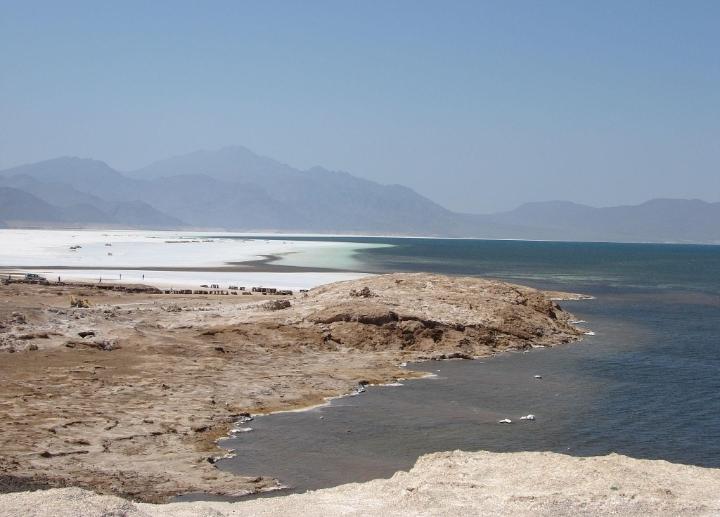
Djibouti
At the narrow entrance to the Red Sea, where Africa meets Arabia, lies Djibouti. Though small in size, this nation occupies one of the most strategic locations in the world. For thousands of years, traders, sailors, empires, and armies have passed through its waters. From ancient pastoral communities to modern global military bases, Djibouti’s story is one of geography shaping destiny.
The Earliest Inhabitants
Long before modern borders existed, the land that is now Djibouti was home to nomadic pastoral communities. Cushitic speaking peoples, ancestors of today’s Afar and Somali groups, settled in the region thousands of years ago.
They lived by herding camels, goats, and sheep across arid plains. The harsh desert climate shaped a culture of mobility, resilience, and strong clan systems.
The region’s location along the Bab el Mandeb Strait made it a natural crossroads between Africa and the Arabian Peninsula. Early trade routes connected Djibouti with ancient Egypt, Arabia, and the Horn of Africa.
Some historians link parts of the region to the ancient Land of Punt, which traded incense, gold, and exotic goods with Egypt thousands of years ago.
Islamic Influence and Regional Sultanates
By the seventh century, Islam spread across the Horn of Africa. Djibouti’s coastal position made it one of the earliest African regions influenced by Islamic traders.
Over time, local sultanates emerged. The Afar Sultanate of Tadjoura and Somali led Adal Sultanate played important roles in regional politics.
The Adal Sultanate became a powerful Islamic state in the fifteenth and sixteenth centuries. It fought wars against the Christian Ethiopian Empire, shaping the history of the Horn of Africa.
Islam became deeply rooted in society, influencing law, culture, and daily life. Even today, the vast majority of Djiboutians are Muslim.
Trade and the Red Sea
For centuries, Djibouti remained a vital stop for merchants crossing the Red Sea. Goods such as salt, livestock, spices, and textiles moved through the region.
Lake Assal, one of the saltiest bodies of water in the world, became an important source of salt. Caravans transported salt across the region.
Despite its strategic location, Djibouti did not develop into a large centralized kingdom like some neighboring regions. Instead, clan based systems and local sultanates shaped political life.
French Colonization
In the nineteenth century, European powers competed for influence in Africa and the Red Sea.
France established control over the area in the 1860s after signing treaties with local leaders. The territory became known as French Somaliland.
The French built the port of Djibouti city and developed rail connections to Ethiopia. The railway linking Djibouti to Addis Ababa transformed the port into a crucial gateway for Ethiopian trade.
French rule introduced new administrative systems, infrastructure, and urban development. However, political power remained in colonial hands.
The region later became known as the French Territory of the Afars and the Issas, reflecting its two main ethnic groups.
The Road to Independence
After World War Two, African independence movements gained strength. However, Djibouti’s path to independence was gradual.
Referendums held in 1958 and 1967 resulted in the territory remaining under French control, partly due to political divisions among local groups.
By the 1970s, pressure for independence increased. On June 27, 1977, Djibouti officially gained independence from France.
Hassan Gouled Aptidon became the country’s first president.
Early Years and Political Development
After independence, Djibouti faced internal tensions between Afar and Somali Issa communities. In the early 1990s, conflict erupted between the government and Afar led rebels.
A peace agreement was signed in 2001, helping stabilize the country.
Djibouti developed a political system dominated by a single ruling party, though multi party elections exist.
Strategic Importance in the Modern World
Djibouti’s greatest strength remains its location. The Bab el Mandeb Strait connects the Red Sea to the Gulf of Aden, making it one of the world’s busiest shipping routes.
Because of this, several foreign powers maintain military bases in Djibouti, including France and the United States. It is also home to one of China’s first overseas military bases.
The Port of Djibouti serves as a lifeline for landlocked Ethiopia, handling the majority of its imports and exports.
Infrastructure projects and port expansion have strengthened Djibouti’s economy, though challenges such as unemployment and water scarcity remain.
Culture and Identity
Djibouti’s population is primarily made up of Afar and Somali communities. Arabic and French are official languages, while Somali and Afar are widely spoken.
Traditional poetry, oral storytelling, and music remain important cultural expressions.
The country’s landscapes are dramatic. From the below sea level shores of Lake Assal to volcanic plains and rugged mountains, Djibouti offers some of the most unique scenery in Africa.
Djibouti Today
Today, Djibouti stands as a small but highly strategic nation. Its economy depends heavily on port services, logistics, and foreign military presence.
Despite limited natural resources, the country plays an outsized role in global trade and security.
From ancient caravan routes to modern shipping lanes, Djibouti has always been a meeting point of continents.
A Nation Shaped by Location
Djibouti’s story is not one of vast empires or sweeping conquests. Instead, it is a story of survival in a harsh environment and advantage drawn from geography.
From nomadic herders to Islamic sultanates, from French colonization to independence and global strategic importance, Djibouti’s journey reflects the power of place.
At the edge of the Red Sea, where Africa meets the wider world, Djibouti continues to stand as a gateway between continents.


Categorie
Leggi tutto
Stephen Keshi In the vibrant city of Azare in present day Bauchi State, on January 23, 1962, a child was born who would grow into one of Africa’s most respected football figures. Raised in Delta State, that boy would become captain, leader, trailblazer, and eventually a continental champion from the sidelines. His name was Stephen Keshi. Across stadiums from Lagos to...
Putin Tells Trump Russia Ready for New Ukraine Peace Talks After Prisoner Exchanges Russian President Vladimir Putin informed former U.S. President Donald Trump during a phone call on Saturday that Moscow is prepared to begin a new round of peace talks with Ukraine after June 22, following the completion of ongoing prisoner and body exchanges between the warring nations. The call marked the...

Kenneth Okolie Kenneth Okolie is a Nigerian actor, model, and former beauty pageant titleholder best known for winning Mr Nigeria and later building a successful career in Nollywood. With his tall frame, charming personality, and confident delivery, he has become one of the notable male faces in contemporary Nigerian cinema. Early Life and Background Kenneth Okolie was born on...

Not so many sports in the country can boast of having a national champion in their teenage years. But lovers of chess can lay claim to that tag through teenage sensation Tersee Ferdinand. The 17-year-old prodigy came into the limelight when he trumped all comers to emerge winner of the National Chess Championships, the country’s biggest chess event held in December 2024. His journey...

Strasbourg have reached an agreement to sign 21-year-old Senegalese midfielder Pape Demba Diop from Belgian side Zulte Waregem. The highly-rated youngster becomes the latest addition to the ambitious BlueCo project, aimed at building a strong squad for both the present and the future. Diop, known for his energy, vision, and box-to-box presence, is expected to bring fresh dynamism to the...