


 О нас
О нас
Stephen Keshi: The Big Boss Who Conquered Africa as Player and Coach
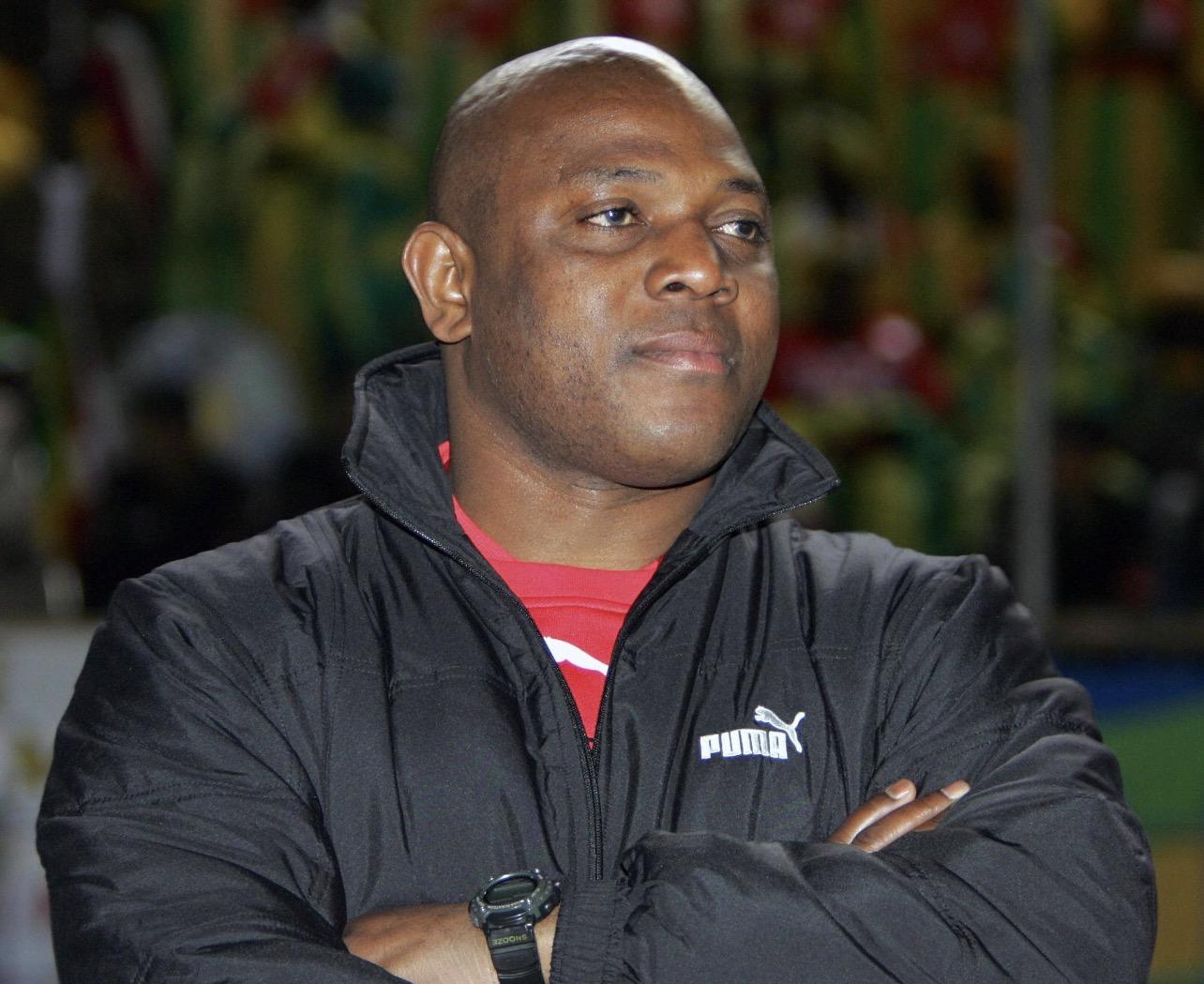
Stephen Keshi
In the vibrant city of Azare in present day Bauchi State, on January 23, 1962, a child was born who would grow into one of Africa’s most respected football figures. Raised in Delta State, that boy would become captain, leader, trailblazer, and eventually a continental champion from the sidelines. His name was Stephen Keshi.
Across stadiums from Lagos to Brussels, from Lomé to Johannesburg, Keshi carved a legacy that few African football personalities have matched. He was not just a footballer. He was a symbol of confidence and belief in African talent.
Early Life and Humble Beginnings
Although born in Azare, Keshi grew up in Delta State in southern Nigeria. Like many Nigerian children, football was not merely a sport. It was escape, identity, and community.
He played barefoot on dusty fields, chasing a ball with relentless determination. From a young age, he stood out not only for his defensive ability but for his leadership presence. Even among older boys, he commanded respect.
His journey into organized football began when he joined local clubs that recognized his natural defensive intelligence and physical strength.
Rise Through Nigerian Club Football
Keshi’s professional career began in Nigeria’s domestic league. He played for ACB Lagos and later for the New Nigerian Bank Football Club in Benin City. His commanding style as a central defender quickly drew attention.
At a time when few Nigerian players ventured abroad, Keshi made a bold move. He left Nigeria to pursue a professional career overseas, becoming part of a generation that paved the way for African players in Europe.
European Adventure and International Recognition
Keshi played in Belgium for Lokeren and later for Anderlecht, one of the country’s top clubs. His success in Belgium proved that Nigerian defenders could compete at the highest European levels.
He later played in France for Strasbourg and also had stints in other European leagues. Throughout his time abroad, Keshi maintained discipline and professionalism.
His presence in Europe inspired younger Nigerian players. At a time when African footballers often faced stereotypes, Keshi carried himself with authority and pride.
Captain of the Super Eagles
Stephen Keshi’s most defining playing years came with Nigeria’s national team, the Super Eagles. He became team captain and a central figure in what many consider Nigeria’s golden generation.
In 1994, Nigeria won the Africa Cup of Nations in Tunisia. Keshi, as captain, lifted the trophy. That same year, Nigeria made its FIFA World Cup debut in the United States, reaching the Round of 16 and earning global admiration for their fearless style.
Keshi’s leadership was calm but firm. He organized the defense, motivated teammates, and carried himself like a commander.
He earned over sixty caps for Nigeria and left the national team as one of its most respected leaders.
Transition Into Coaching
Retirement from playing did not mark the end of his football journey. Instead, it opened a new chapter.
Keshi ventured into coaching, determined to prove that African coaches could succeed at the highest levels without relying on foreign managers.
He coached Togo’s national team and led them to their first ever FIFA World Cup qualification in 2006. Despite internal conflicts and financial disputes that led to his departure before the tournament, his achievement remained historic.
He later coached Mali and guided them to a strong performance at the Africa Cup of Nations.
The Return to Nigeria and 2013 AFCON Triumph
In 2011, Stephen Keshi was appointed head coach of Nigeria’s national team. At the time, the Super Eagles were struggling. Public confidence was low after failing to qualify for the 2012 Africa Cup of Nations.
Keshi rebuilt the team with courage. He dropped established stars and gave opportunities to lesser known domestic players. Critics questioned his decisions. Supporters admired his boldness.
In 2013, against expectations, Nigeria won the Africa Cup of Nations in South Africa. Keshi joined an elite group of individuals who had won the tournament both as a player and as a coach.
It was a moment of redemption. It was proof that African coaches could lead African teams to continental glory.
Under his leadership, Nigeria also qualified for the 2014 FIFA World Cup in Brazil and reached the Round of 16.
Leadership Style
Stephen Keshi was known for discipline and confidence. He believed in structure and loyalty. He demanded respect but also gave players freedom to express themselves on the field.
He had little tolerance for indiscipline. Yet he remained protective of his players when external criticism grew harsh.
His nickname, The Big Boss, reflected both his authority and his commanding presence.
Challenges and Controversies
Keshi’s tenure was not without tension. Disputes with football administrators sometimes created friction. Critics debated his squad selections and tactical decisions.
In Nigeria, where football evokes intense emotion, coaching the national team is always politically sensitive.
Yet even during controversy, Keshi maintained dignity. He believed in his philosophy and stood by his choices.
Personal Life and Tragedy
Stephen Keshi was married to Kate Keshi, and they had children together. In 2016, he suffered a devastating personal loss when his wife passed away after battling illness.
Only months later, on June 8, 2016, Stephen Keshi himself died suddenly of cardiac arrest at the age of 54.
Nigeria mourned deeply. Tributes poured in from across Africa and Europe. Former teammates, players he coached, and football officials all recognized his immense contribution.
Legacy of the Big Boss
Stephen Keshi’s legacy transcends trophies. He broke barriers as one of the first Nigerian defenders to thrive in Europe. He led Nigeria to continental glory as captain. He achieved World Cup qualification with Togo. He won the Africa Cup of Nations as both player and coach.
Few African football figures can claim such a complete circle of achievement.
He inspired confidence in African coaching ability. He showed that leadership comes not only from foreign expertise but from belief in homegrown talent.
From dusty Nigerian streets to lifting trophies in packed stadiums, his life was a testament to perseverance and vision.
Stephen Keshi was more than a defender. He was more than a coach. He was a leader who believed Africa could conquer its own game.
His story remains etched in Nigerian and African football history, a reminder that greatness can rise from humble beginnings and echo across generations.

Категории
Больше
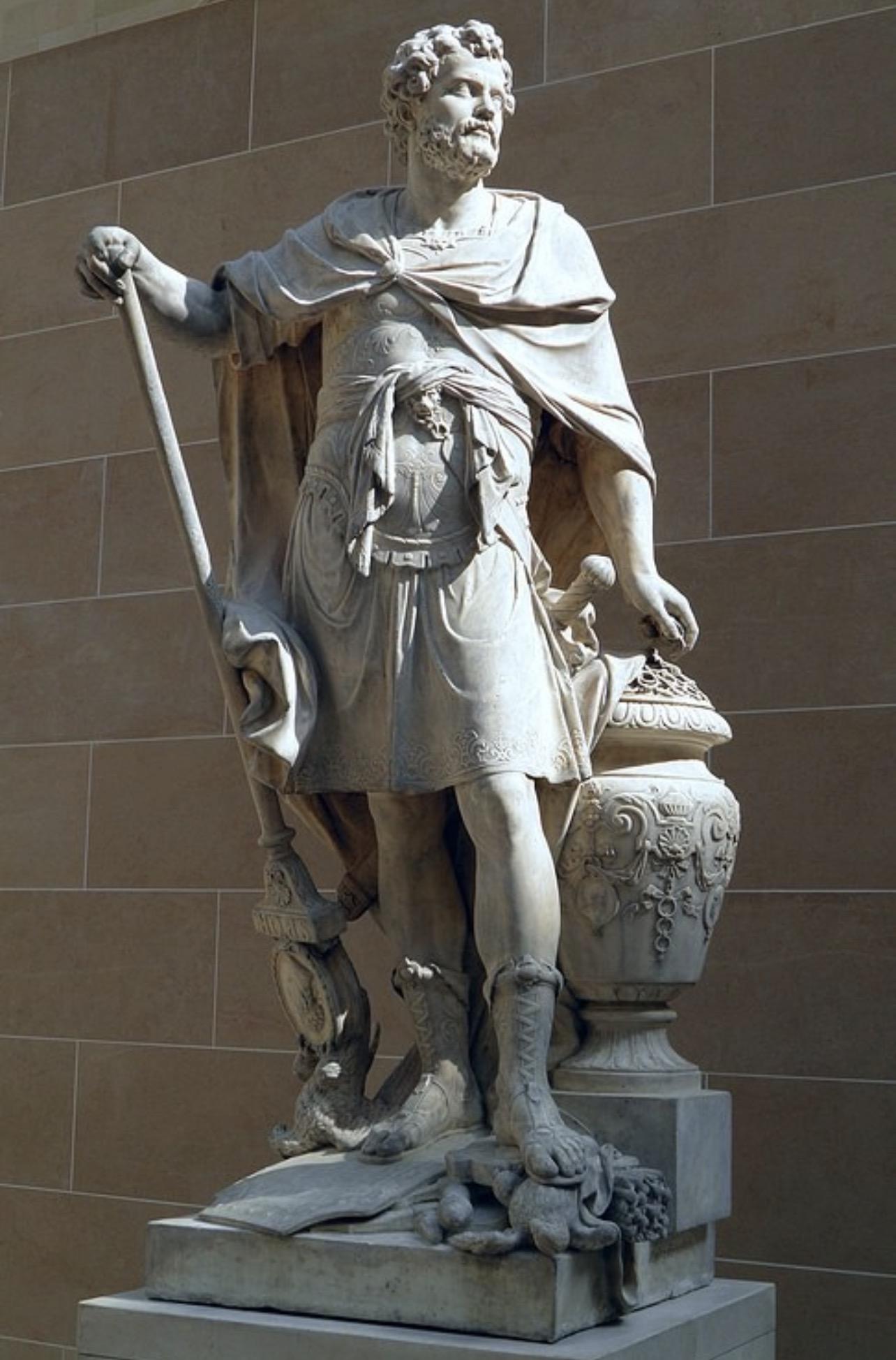
Hannibal Barca There are some names in history that do not fade even after kingdoms fall, cities burn, and empires turn to dust. Hannibal Barca is one of those names. He was born in Carthage, the great North African power located in what is now Tunisia, and he became one of the most brilliant military commanders the ancient world ever knew. Long after his death, Roman parents...
I still remember that evening like a curse etched into my memory. The sky was already darkening when I left work, my chest heavy with a strange unease I couldn’t explain. Chioma had been unusually quiet that day—no calls, no threats, no angry messages. Instead of relief, her silence made me restless. My heart kept whispering that something was wrong. When I got close to my...

Okusaga Adeolu Okusaga Adeolu, popularly known as Saga, is a Nigerian engineer, artist, fitness enthusiast, and reality television personality who gained nationwide fame as a housemate on Big Brother Naija Season 6, themed “Shine Ya Eye.” Known for his calm demeanor, emotional intelligence, and creative talent, Saga quickly became one of the most talked-about personalities...

Bryan Okwara Bryan Okwara is a Nigerian actor, model, television personality, and entrepreneur. He is widely known for his work in Nollywood and for winning the Mr Nigeria beauty pageant. Early Life and Background Bryan Okwara whose full name is Ikenna Bryan Okwara was born on November 9, 1985, in Lagos State, Nigeria. He originally comes from Imo State in southeastern Nigeria. He...

Patience Ozokwor Patience Ozokwor, popularly known as Mama G, is one of Nigeria’s most respected and recognizable actresses. Born on September 14, 1958, in Ngwo, Enugu State, she grew up in a modest Igbo family where discipline, culture, and strong moral values shaped her early life. From a young age, Patience displayed a lively personality. She was dramatic, expressive, and naturally...

