Sobre
Sobre
Burundi The Heart of the Great Lakes and the Story of a Resilient Nation
Burundi
Burundi is a small country in East Africa, yet its history carries the weight of centuries. Surrounded by rolling hills and resting near the waters of Lake Tanganyika, Burundi has long been a land of kingdoms, cattle, community, and courage. From ancient monarchies to colonial control, from independence struggles to modern rebuilding, the story of Burundi is one of endurance and identity.
The Earliest Communities
Long before Burundi became a nation, the region was home to early agricultural communities. Archaeological evidence suggests that people settled in the area thousands of years ago, farming crops and raising livestock in the fertile highlands.
Over time, Bantu speaking groups migrated into the region. They brought knowledge of farming, ironworking, and organized society. Cattle became especially important in shaping social and economic life. Ownership of cattle symbolized wealth, power, and respect.
The land’s geography played a key role in its development. Burundi’s hills and valleys provided natural protection and supported agriculture. The country’s position near Lake Tanganyika also connected it to trade routes across East and Central Africa.
The Kingdom of Burundi
By the sixteenth century, a centralized monarchy had formed. The Kingdom of Burundi became one of the most stable and enduring political systems in the Great Lakes region.
The king, known as the Mwami, ruled over the kingdom with the support of chiefs and advisers. The monarchy united different clans and communities under one authority.
Burundian society developed a complex system of social organization. The main groups were the Hutu, Tutsi, and Twa. While these identities existed, they were historically more connected to occupation and social roles than strict ethnic divisions. People shared language, culture, and traditions.
Kirundi became the common language, helping to unify the population. Rituals, ceremonies, and royal traditions strengthened loyalty to the kingdom.
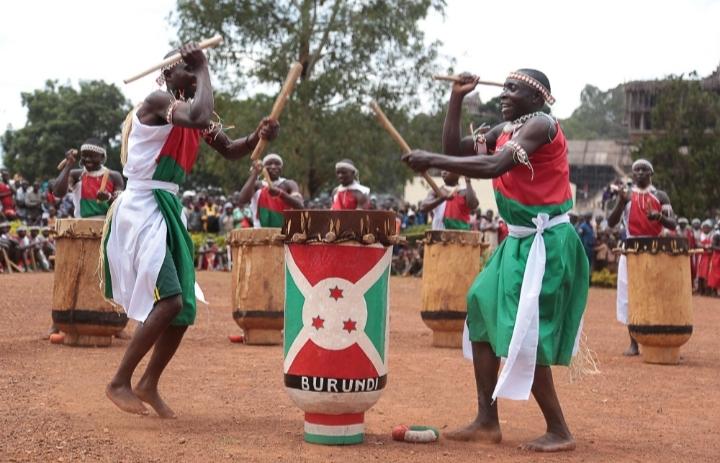
One of the most famous cultural symbols of Burundi is its royal drumming tradition. Drummers performed at important ceremonies, celebrating unity and leadership. The powerful rhythms became a symbol of national pride.
German and Belgian Colonization
In the late nineteenth century, European powers divided Africa among themselves. Burundi became part of German East Africa in the 1890s.
German rule was relatively indirect. They governed through the existing monarchy, using local chiefs to administer the territory.
After Germany’s defeat in World War One, Belgium took control of Burundi under a League of Nations mandate. The territory was then known as Ruanda Urundi, combining modern day Rwanda and Burundi under Belgian administration.
Belgian colonial rule had lasting consequences. The administration reinforced divisions between Hutu and Tutsi by issuing identity cards and favoring Tutsi elites in education and administration. These policies deepened social tensions that would later erupt into violence.
Despite colonial influence, the monarchy remained in place, though with reduced power.
The Road to Independence
After World War Two, independence movements spread across Africa. In Burundi, political activism increased.
In 1962, Burundi gained independence from Belgium. The monarchy was retained, and the country became a constitutional kingdom under Mwami Mwambutsa IV.
However, political instability soon followed. Tensions between political groups grew, and power struggles intensified.
In 1966, the monarchy was abolished, and Burundi became a republic. The country entered a period marked by military rule and ethnic conflict.
Years of Conflict
Burundi’s post independence history was deeply affected by cycles of violence between Hutu and Tutsi groups. Major episodes of conflict occurred in 1972, 1988, and throughout the 1990s.
In 1972, large scale violence led to the deaths of hundreds of thousands, particularly targeting Hutu communities. Decades later, after Burundi’s first democratic elections in 1993, the assassination of the elected president triggered a civil war.
The civil war lasted more than a decade. Thousands were killed, and many fled as refugees to neighboring countries. The conflict deeply scarred the nation.
Peace and Reconstruction
In the early 2000s, peace negotiations gradually brought an end to the civil war. A power sharing agreement was established to balance representation between Hutu and Tutsi communities.
Former rebel groups joined the political process. In 2005, Burundi held elections under a new constitution designed to prevent domination by any single group.
Rebuilding was slow but steady. Schools reopened, infrastructure was repaired, and refugees began returning home.
Culture and National Identity
Despite years of conflict, Burundi’s cultural identity remains strong. The country is known for its drumming ensembles, traditional dances, and storytelling traditions.
Agriculture forms the backbone of the economy. Most Burundians rely on farming, growing crops such as coffee, tea, bananas, and beans.
Kirundi and French are official languages, and Swahili is widely spoken for trade. Religion, especially Christianity, plays a significant role in daily life, alongside traditional beliefs.
Burundi’s landscapes are breathtaking. Rolling green hills stretch across the country, earning it the nickname The Heart of Africa.
Burundi Today
Today, Burundi continues to face economic and political challenges. It remains one of the smallest and most densely populated countries in Africa.
Yet its people show remarkable resilience. Communities rebuild, families farm the land, and cultural traditions continue to thrive.
From the powerful Kingdom of Burundi to colonial rule, from independence to conflict and reconciliation, Burundi’s story is one of survival and unity.
It is a nation that endured division but continues to seek harmony. A country that faced hardship but never lost its rhythm.
Burundi stands as a reminder that even in the smallest nations, history runs deep and the spirit of the people remains unbroken.


Categorias
Leia mais
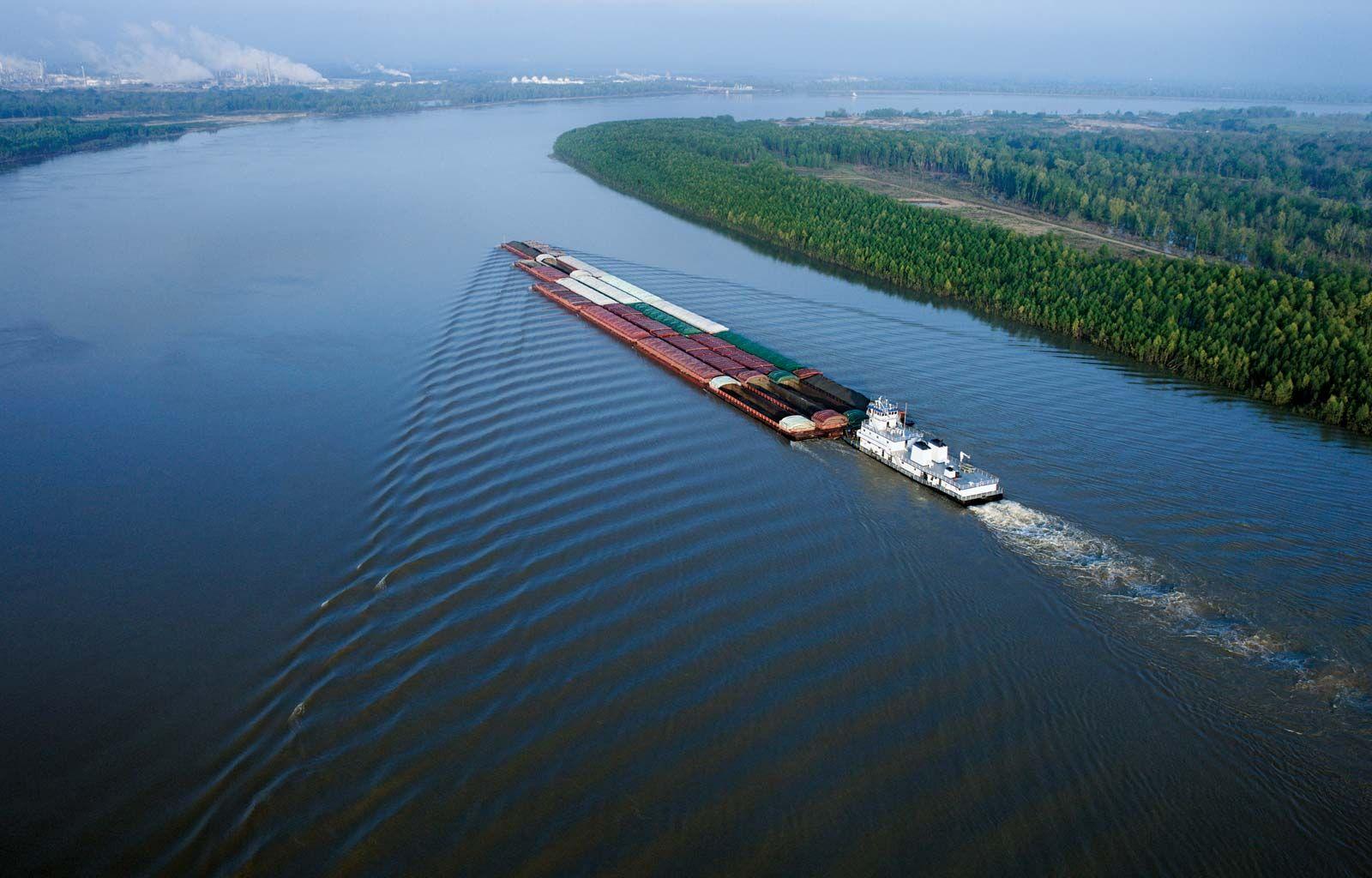
the Mississippi River The Mississippi River is one of the most important rivers in the world and the second-longest river in North America. Stretching about 2,340 miles (3,770 km), it flows from Lake Itasca in Minnesota down to the Gulf of Mexico. For thousands of years, it has shaped civilizations, powered economies, inspired writers, and defined American history. Ancient Beginnings...
Tope Awotona Tope Awotona is the kind of entrepreneur whose story feels almost unbelievable, yet it is deeply real and rooted in resilience. Born in Lagos, Nigeria, Tope grew up in a middle class family where education, discipline, and ambition were not optional but expected. His father was a microbiologist and entrepreneur who believed strongly in hard work and independence....

Moji Afolayan Moji Afolayan is a respected Nigerian actress, producer, and filmmaker known for her strong presence in Yoruba-language Nollywood films. Born on February 5, 1968, into the legendary Afolayan family, Moji grew up surrounded by creativity, performance, and the deep cultural traditions of Yoruba theatre. She is one of the daughters of the iconic Nigerian filmmaker and...

Agena Robert Ande, human rights advocate and Chairman of the African Action Congress (AAC) in the Federal Capital Territory, has strongly condemned what he described as a violent and disproportionate response to peaceful protests in Makurdi, Benue State. According to Ande, demonstrators gathered to demand an end to the ongoing killings in the state but were met with “state-sponsored...

Prosecutors from the Delta State Ministry of Justice have admitted they lack witnesses in the cyberstalking case against detained child rights activist, Comrade Ighorhiohwunu Aghogho. The admission came on Monday, June 16, before Justice H.A. Nganjiwa at the Federal High Court in Warri, during the resumed hearing of Federal Republic of Nigeria v. Ighorhiohwunu Aghogho (Charge No:...