About
About
Reverend Jesse Jackson — The Voice That Refused to Be Silent

In the dusty streets of Greenville, South Carolina, a young boy grew up watching a divided America.
He saw two worlds.
One white. One Black.
One privileged. One struggling.
And even as a child, Jesse Louis Jackson felt something burning inside him — a refusal to accept that this was the way life had to be.
Born in 1941 to a teenage mother, his start in life was far from easy. Poverty knocked on the door every day. But so did faith. The church became his refuge. The pulpit became his training ground. And words — powerful, fearless words — became his weapon.
As a teenager, Jesse discovered two gifts: athletics and speaking. He could run fast on the field, but even faster with ideas. Scholarships carried him to college, but destiny carried him toward something bigger.
Then came the moment that changed everything.
He met Martin Luther King Jr..
Not just a meeting — a calling.
King saw fire in the young man. Jesse saw purpose in the movement. Soon, he wasn’t just listening to history… he was helping write it.
He marched.
He organized.
He protested.
From sit-ins to voter drives, from jails to podiums, Jackson stood on the front lines of the Civil Rights Movement. When others were afraid to speak, he spoke louder. When doors closed, he knocked harder.
And when Dr. King was assassinated in 1968, the world shook.
But Jackson did not stop.
Instead, he carried the dream forward.
He founded organizations to fight poverty and discrimination. He helped Black businesses grow. He registered millions of new voters. He preached not only faith in God, but faith in people.
Then came something few thought possible.
A Black man running for President of the United States.
Not once. Twice.
In 1984 and 1988, Jackson’s presidential campaigns weren’t just political bids — they were movements. Farmers, workers, students, immigrants — they gathered behind his message of unity and justice. He called it the Rainbow Coalition.
His message was simple:
“Everybody deserves a seat at the table.”
Though he didn’t win the presidency, he changed American politics forever. He opened doors for future leaders. He proved that voices from the margins could reach the center of power.
Through decades of activism — negotiating hostages overseas, fighting apartheid, demanding voting rights — Reverend Jackson remained what he had always been:
A preacher with a purpose.
A protester with a prayer.
A voice that refused to be silent.
Today, when people speak of courage, faith, and civil rights, his name echoes among the giants.
Because some men follow history.
And some men push history forward.
Jesse Jackson was the second kind.

Kategoriler
Read More
Raymond pov I made Chioma comfortable in our relationship. Very comfortable. I rented an apartment for her in a quiet estate. I bought her a car red, shiny, expensive. I paid her bills, supported her business ideas, and showed up whenever she needed me. To her, I wasn’t just a boyfriend; I was the future. She believed I would marry her one day. And the worst part? I never...

Bisi Komolafe Bisi Komolafe was a Nigerian actress known for her roles in Yoruba Nollywood films. She gained popularity in the late 2000s for her vibrant screen presence, beauty, and ability to portray emotional characters. Though her career was short lived, she left a lasting impression in the Yoruba movie industry. Early Life and Background Bisi Komolafe was born in Ibadan,...

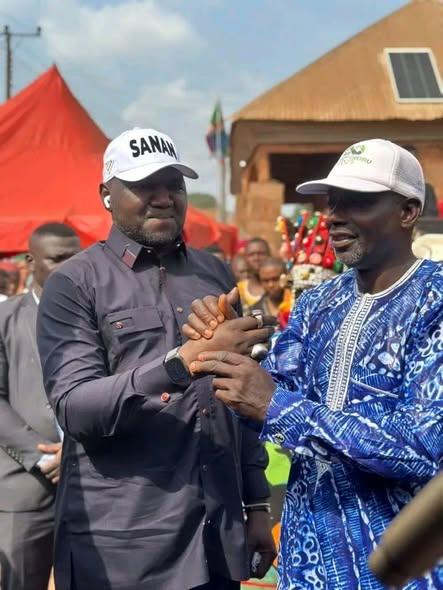
2027: Alh. Dr. Sanusi Abdul Sanusi Officially Declares for Ankpa, Omala, and Olamaboro Federal Constituency Seat Alh. Dr. Sanusi Abdul Sanusi has officially declared his intention to contest for the House of Representatives seat for the Ankpa, Omala, and Olamaboro Federal Constituency in the 2027 general elections under the platform of the All Progressives Congress, APC. The declaration took...
Funmi Aragbaye Funmi Aragbaye is a Nigerian gospel singer, evangelist, and songwriter known for her powerful voice and spirit-filled worship songs. She is widely respected in Nigeria’s gospel music scene for her energetic praise sessions and strong Christian ministry. Early Life and Background Funmi Aragbaye was born in Nigeria and hails from southwestern Nigeria. She...

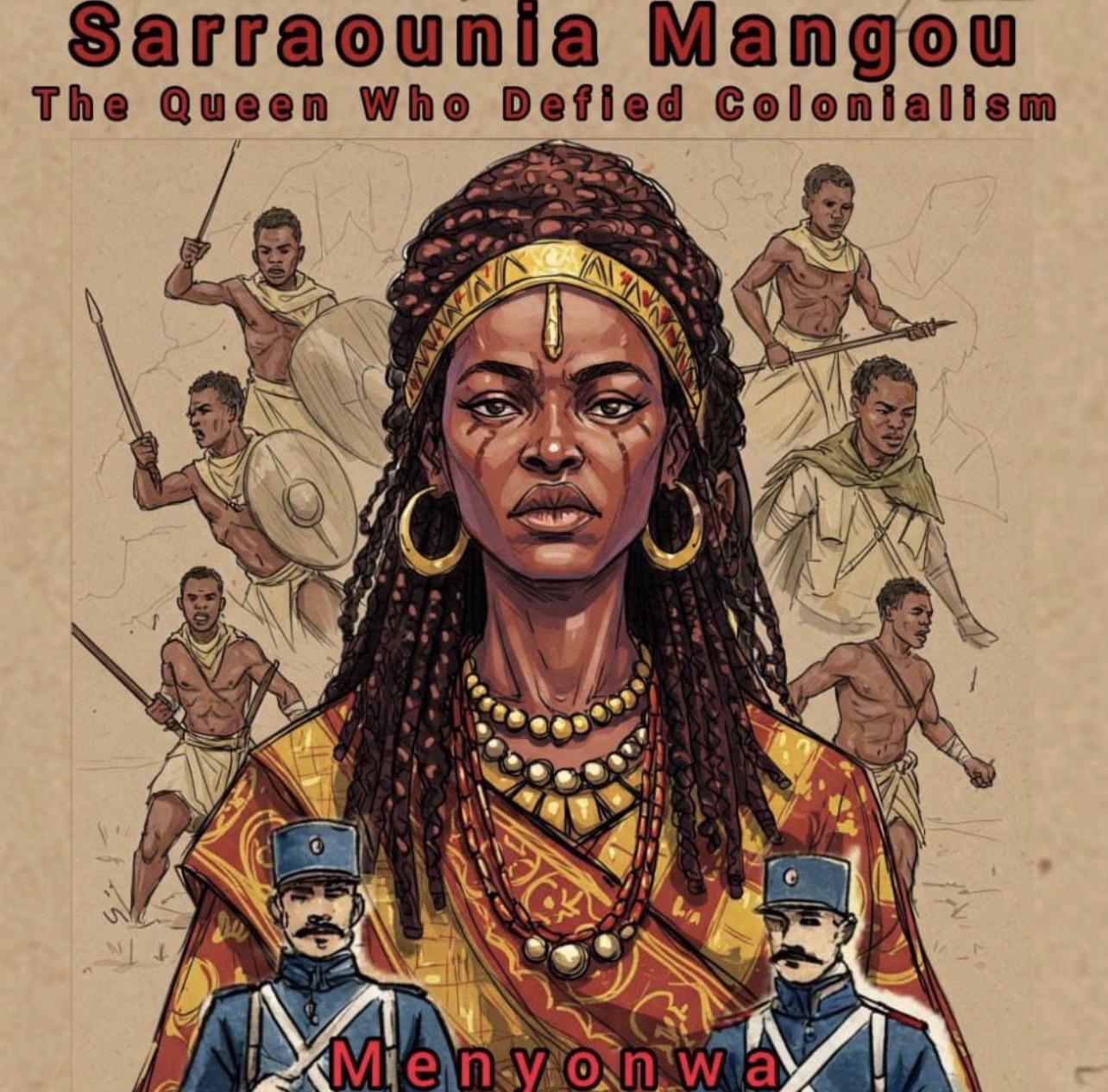
Sarraounia Mangou Long before her name began appearing in books, films, and conversations about African resistance, Sarraounia Mangou lived in a world where danger could arrive on horseback, where power was measured not only by the sword but by spirit, and where a ruler was expected to protect both land and people. She was not remembered simply because she sat on a throne. She...