Über
Über
Botswana The Journey of a Quiet Giant from Ancient Sands to Modern Success
Botswana
Botswana is a land of wide skies, golden grasslands, and ancient desert stories. For centuries, its people lived close to nature, guided by tradition, cattle, and community values. From early hunter gatherers to powerful Tswana chiefdoms, from British protection to one of Africa’s strongest democracies, Botswana’s story is one of patience, unity, and steady progress.
The First People of the Land
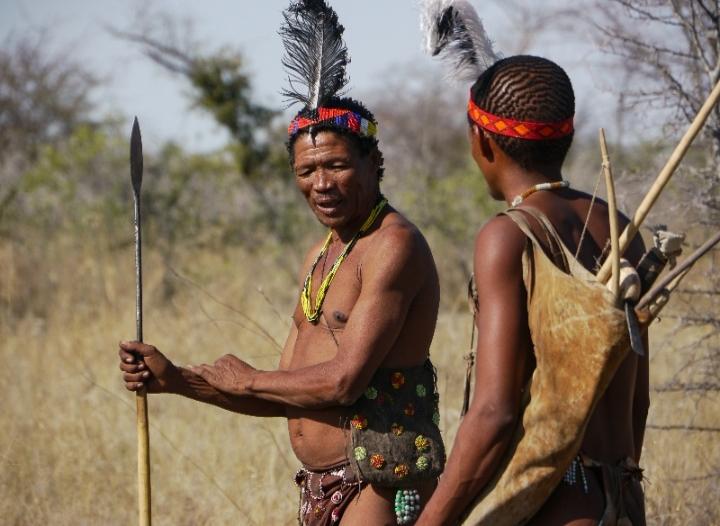
Long before written history, the land that is now Botswana was home to the San people, also known as the Basarwa. They are among the oldest continuous cultures in the world.
The San lived as hunter gatherers, moving across the Kalahari Desert in small groups. They survived in harsh conditions by deeply understanding nature. They tracked animals, gathered roots and berries, and developed unique click languages.
Rock paintings found in parts of Botswana show scenes of animals, hunting, and spiritual rituals. These paintings are thousands of years old and offer a glimpse into the spiritual life of early inhabitants.
Over time, new groups arrived.
The Arrival of the Bantu and the Rise of Tswana States
Around the first millennium, Bantu speaking peoples migrated into the region from central Africa. They brought farming, cattle herding, and ironworking skills.
Among these groups were the ancestors of the Tswana people. They settled across much of present day Botswana and organized themselves into chiefdoms.
Cattle became central to Tswana society. Wealth, status, and social relationships were often measured by the number of cattle a family owned. Villages were built around cattle posts, and community life revolved around shared responsibilities.
Each Tswana group had a chief known as a kgosi. The kgosi ruled with the advice of elders and community members in public meetings called kgotla. The kgotla system allowed people to speak openly and discuss important matters. This tradition of consultation would later influence Botswana’s modern democracy.
Encounters with the Outside World
In the nineteenth century, European explorers and missionaries began entering southern Africa. Missionaries introduced Christianity and Western education. Traders followed, seeking ivory and other goods.
Botswana, then known as Bechuanaland, faced growing threats from neighboring groups and European settlers moving north from South Africa.
One of the most important leaders during this time was Khama III. He was a powerful Tswana chief who converted to Christianity and promoted education and diplomacy.
Khama III and other Tswana leaders feared losing their land to the expanding Boer settlers from South Africa. To protect their territory, they sought help from Britain.
Becoming a British Protectorate
In 1885, Britain declared Bechuanaland a protectorate. This meant that Britain controlled foreign affairs and defense but allowed local chiefs to maintain authority over internal matters.
Unlike many African colonies, Bechuanaland did not experience heavy European settlement or large scale land seizure. The British mainly wanted to prevent other European powers or Boer settlers from taking control.
The capital of the protectorate was actually located outside the territory in Mafeking, now in South Africa. Bechuanaland remained largely rural and underdeveloped during colonial rule.
However, traditional leadership structures continued to function. The kgotla system remained active, and local chiefs maintained significant influence.
The Road to Independence
After World War Two, independence movements spread across Africa. In Bechuanaland, political awareness grew steadily.
A new generation of educated leaders began pushing for self rule. Among them was Seretse Khama, a member of the Bangwato royal family.
Seretse Khama’s life attracted international attention when he married a British woman, Ruth Williams, in the late 1940s. The marriage caused controversy, especially in apartheid era South Africa. Despite pressure, Seretse Khama stood firm.
He later founded the Botswana Democratic Party and led the push for independence.
On September 30, 1966, Bechuanaland became the independent Republic of Botswana. Seretse Khama became its first president.
At independence, Botswana was one of the poorest countries in the world. It had few paved roads, limited schools, and little infrastructure. Many doubted its future.
The Discovery of Diamonds
Shortly after independence, diamonds were discovered in Orapa and later in Jwaneng. This changed Botswana’s destiny.
Instead of falling into corruption or conflict, the government managed diamond revenue carefully. Partnerships were formed with international companies, and profits were invested in public services.
Revenue from diamonds helped build roads, hospitals, schools, and modern infrastructure. Education expanded rapidly, and health services improved.
Botswana became known for good governance and low levels of corruption compared to many other countries.
A Stable Democracy
Since independence, Botswana has maintained a stable multi party democracy. Regular elections are held, and peaceful transfers of power have become normal.
The country built on its traditional kgotla system, encouraging consultation and community dialogue.
While challenges remain, including unemployment and inequality, Botswana has earned a reputation as one of Africa’s most stable and well managed nations.
Nature and National Identity
Botswana is famous for its natural beauty. The Okavango Delta is one of the world’s largest inland deltas and a major wildlife sanctuary. The Kalahari Desert covers much of the country, offering dramatic landscapes and unique ecosystems.
Wildlife conservation plays a central role in Botswana’s identity and economy. Tourism focused on safaris and eco travel has become a major source of income.
Traditional culture remains strong. Music, dance, storytelling, and respect for elders continue to shape daily life. Setswana is widely spoken, alongside English, which is the official language.
Botswana Today
Today, Botswana stands as a model of steady growth and responsible leadership. From humble beginnings as a rural protectorate with limited resources, it has grown into a middle income country with strong institutions.
Its journey has not been loud or dramatic compared to other nations. Instead, Botswana’s progress has been careful and consistent.
From the ancient San hunters to Tswana chiefdoms, from British protection to democratic independence, Botswana’s story is one of quiet strength.
It is a nation that proved that patience, unity, and wise leadership can transform even the most challenging beginnings into lasting success.

Kategorien
Mehr lesen
Lola Shoneyin: There are writers who simply tell stories, and there are writers who disturb silence. The life of Lola Shoneyin belongs firmly in the second category. She did not grow up dreaming of controversy, but she grew up in a country where certain truths were whispered behind closed doors. When she finally began to write, she chose not to whisper. Her voice became bold, playful,...
A lot of laptop users wonder whether leaving their laptop plugged in constantly can damage the battery. With modern devices relying heavily on battery health for long-term performance, this is an important question. The short answer is: yes, it’s generally safe — but with some important factors to consider. How Modern Laptop Batteries Work Most laptops today use Lithium-ion or...

Big news for Africa’s industrial landscape! According to a recent report by The African Exponent, Nigeria has been ranked 3rd among the top 10 manufacturing countries in Africa, solidifying its place as a growing force in the continent’s economic future. The report highlights Nigeria's evolving industrial sector and its potential for investment, innovation, and job creation —...

When speaking about safe and practical workplace gear, Tyvek Breathing Cover often surfaces as a topic of discussion, especially when paired with the trusted name Hopeway AMD. This connection brings attention to the balance between functionality and everyday usability, a matter that professionals across different industries continue to prioritize. Work environments today require solutions that...

Paschaline Alex Okoli Paschaline Alex Okoli is a Nigerian actress, model, and media personality best known for her role as Cordelia in the popular TV series Jenifa’s Diary. She has gained recognition in Nollywood for her beauty, talent, and ability to deliver strong performances. Early Life and Background Paschaline Alex was born on November 3, 1994, in Rivers State, Nigeria. She...