About
About
The Voice of the North The Powerful Journey of Dauda Kahutu Rarara
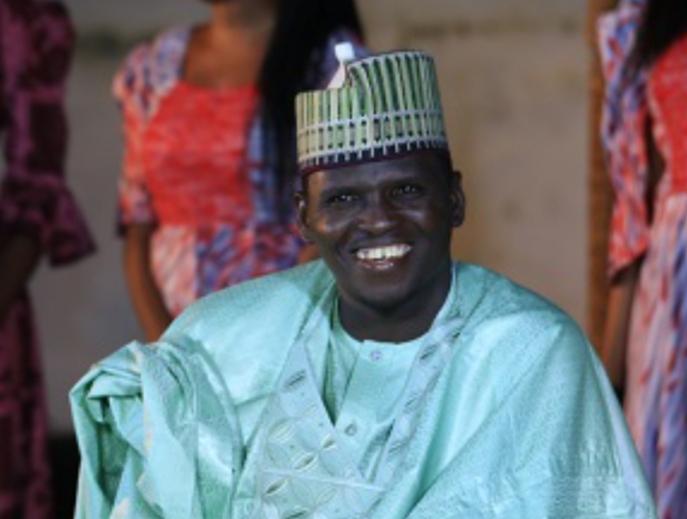
The Voice of the North The Powerful Journey of Dauda Kahutu Rarara
When the name Dauda Kahutu Rarara is mentioned across Northern Nigeria, it carries weight, influence, and recognition. His songs echo through political rallies, cultural gatherings, and radio stations. He is known for his bold voice, energetic performances, and powerful political anthems. But behind the name that fans chant loudly is his full identity, Dauda Kahutu Rarara, widely called simply Rarara.
His life story is not just about music. It is about ambition, loyalty, controversy, influence, and resilience in the world of Hausa political entertainment.
Early Life and Childhood
Dauda Kahutu Rarara was born in Katsina State, Northern Nigeria. Growing up in a modest Hausa household, his childhood was shaped by tradition, religion, and community values. Katsina, known for its historical significance and Islamic scholarship, provided a disciplined and culturally rich environment.
As a child, Rarara was energetic and outspoken. He loved attention and enjoyed gatherings where storytelling and music were present. In Northern Nigeria, music often plays a role in weddings, naming ceremonies, and political events. From a young age, he observed local praise singers who performed for community leaders.
He admired how music could elevate someone’s status. Praise singers were respected. They were close to powerful individuals. They commanded attention.
Young Dauda began imitating these singers. He would create simple songs, praising friends or elders in playful ways. People noticed his sharp memory and ability to craft catchy lines quickly.
Discovering His Musical Path
Unlike conventional musicians focused on romance or dance music, Rarara gravitated toward praise singing and political commentary. Hausa political praise singing has deep roots in Northern Nigeria. Historically, court musicians praised emirs and leaders. In modern times, this tradition evolved into political campaign music.
Rarara saw opportunity in this niche. He understood that politics and music were deeply connected in the region.
He began composing songs praising local politicians. His lyrics were direct, bold, and strategic. He mentioned names, achievements, and campaign slogans. His voice was loud, commanding, and confident.
Initially, he performed at small political gatherings. Gradually, his reputation grew. Politicians realized his music could energize crowds and shape public perception.
Rise to Prominence
Rarara’s breakthrough came when he began producing high profile political campaign songs. His association with powerful political figures elevated his status significantly.
One of the major turning points in his career was his visible support for Muhammadu Buhari during election campaigns. His songs praising Buhari became popular across Northern Nigeria. Supporters played them during rallies and celebrations.
Rarara’s music was not subtle. It was loud, repetitive, and emotionally charged. That was his strength. His songs became campaign tools.
As Buhari’s political influence grew, so did Rarara’s fame. He became recognized as one of the most influential political singers in Northern Nigeria.
Controversies and Criticism
With influence came criticism. Not everyone supported political praise singing. Critics argued that musicians should remain neutral. Others accused him of using music purely for financial gain.
Rarara faced backlash at different times, especially during politically tense periods. In some instances, his properties and studios reportedly suffered attacks due to political disagreements.
However, he remained unapologetic about his choices. He consistently stated that he believed in the leaders he supported. Whether viewed as loyalty or strategy, his commitment to political praise singing defined his brand.
Business Growth and Wealth
Political music proved financially rewarding. Campaign seasons brought large contracts. Rarara invested his earnings into building studios, properties, and businesses.
He became not just a musician but an entrepreneur. His studio became one of the most recognized in Northern Nigeria, attracting other artists and producers.
His flashy lifestyle, luxury cars, and public displays of wealth further fueled discussions about his success.
Musical Style and Influence
Rarara’s style is distinct. His songs often feature repetitive choruses, strong drum beats, and direct lyrical praise. He emphasizes names and achievements repeatedly, ensuring listeners remember the message.
Unlike mainstream Afrobeats artists, his target audience is largely political supporters and Hausa speaking communities.
He revived and modernized traditional Hausa praise singing, blending it with contemporary production techniques.
Personal Life and Character
Despite his loud public persona, Rarara keeps certain aspects of his private life away from intense media scrutiny. He is known to value loyalty highly.
Those close to him describe him as bold, confident, and fiercely protective of his brand.
His confidence sometimes appears controversial, but it aligns with the personality required in political entertainment.
Political Impact
Rarara is more than a singer. He is a political mobilizer. His music energizes supporters and shapes campaign narratives.
In Northern Nigeria, music plays a powerful role in influencing public opinion. Rarara mastered this art.
His songs are often played during rallies, celebrations, and victory gatherings. They create atmosphere and emotional connection.
Challenges and Resilience
Political alignment can be risky. When political tides shift, allies may lose influence. Rarara has navigated these shifting landscapes carefully.
Even when faced with public criticism or alleged attacks, he rebuilt and continued producing music.
His resilience is part of his brand. He projects strength and fearlessness.
Legacy in Hausa Political Music
Dauda Kahutu Rarara stands as one of the most influential political praise singers of his generation.
He transformed political campaign music into a lucrative and highly visible career path.
Love him or criticize him, his impact on Northern Nigerian political culture is undeniable.
He represents ambition without apology. He chose a path few dared to pursue so boldly.
From a young boy in Katsina observing praise singers to becoming a central figure in Nigerian political music, his journey reflects strategy, courage, and persistence.
His story continues, shaped by elections, public opinion, and evolving political landscapes.
Categories
Read More
Jet Li Jet Li is a Chinese martial artist, actor, film producer, and philanthropist widely regarded as one of the greatest martial arts stars in cinema history. Born Li Lianjie on April 26, 1963, in Beijing, China, he rose to international fame through his extraordinary martial arts skills and successful film career in both Chinese and Hollywood movies. Early Life and Background...

This is my story, told in my own voice, because silence almost buried me alive. I met Richardson when I was still learning how to believe in good things. He was gentle in the beginning soft words, steady attention, promises that wrapped around my loneliness like warmth. He said he loved me, and I wanted to be loved so badly that I ignored the small discomforts. The moments when my instincts...

Fela Anikulapo Kuti Fela Kuti was one of Africa’s most revolutionary musicians and political voices. Widely recognized as the pioneer of Afrobeat, he fused highlife, jazz, funk, and Yoruba rhythms into a powerful sound that became a weapon against corruption, dictatorship, and social injustice. Beyond music, he was a fearless activist whose life was marked by constant clashes with...

Paul Adefarasin Denies Allegations of Brandishing Firearm in Viral Video Paul Adefarasin, Senior Pastor of the House on the Rock Church in Lagos, has responded to a viral video circulating on social media, firmly denying claims that he was seen holding a firearm. The widely shared video shows Adefarasin holding a metallic object while engaging with someone recording him. Online speculation...

Zarouk Imoro In many parts of the world innovation is often associated with huge laboratories and billion dollar companies. Yet sometimes the most remarkable ideas begin in simple environments with people who are deeply curious about the natural world around them. One such story comes from Ghana where a young innovator named Zarouk Imoro began exploring how mushrooms and fungi could be...