About
About
Zarouk Imoro and the Mushroom Revolution How a Ghanaian Innovator Turned Fungi Into Sustainable Materials
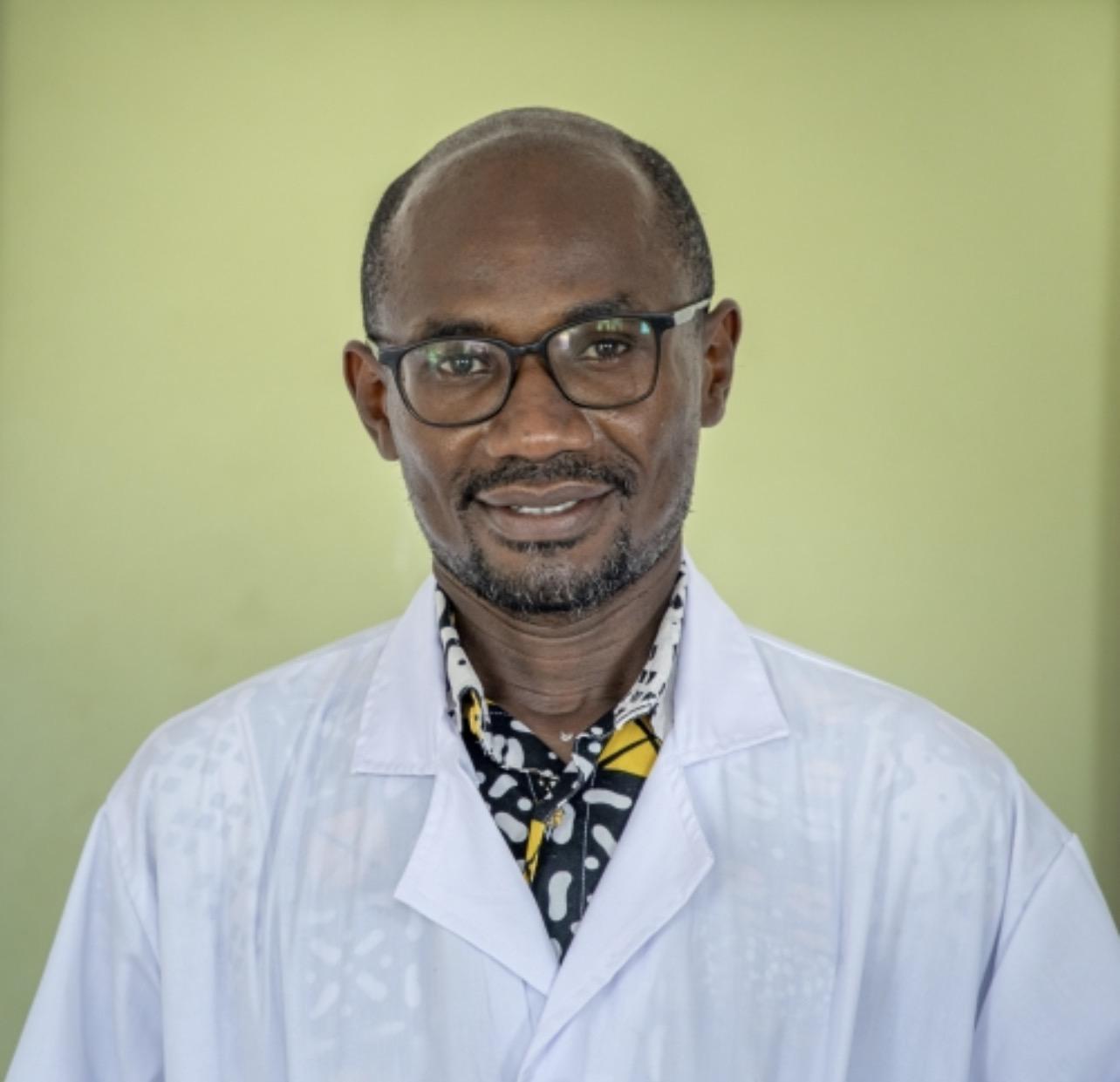
Zarouk Imoro
In many parts of the world innovation is often associated with huge laboratories and billion dollar companies. Yet sometimes the most remarkable ideas begin in simple environments with people who are deeply curious about the natural world around them. One such story comes from Ghana where a young innovator named Zarouk Imoro began exploring how mushrooms and fungi could be transformed into materials that might replace plastics, foams and other harmful substances. His work on what became known as Myco Substitutes represents a fascinating blend of science, sustainability and African ingenuity.
The story of Zarouk Imoro begins in northern Ghana where he grew up surrounded by a landscape that was both beautiful and challenging. Many communities in that region depend heavily on agriculture and natural resources. From a young age he developed an interest in nature and the environment. He was fascinated by how plants grew, how soils supported life and how different organisms interacted with each other.
Among all these natural wonders mushrooms caught his attention the most. During the rainy season mushrooms would suddenly appear on logs, tree trunks and soil. They seemed almost magical because they grew so quickly and seemed capable of transforming waste into something alive. For a curious young mind this was the beginning of a long journey of exploration.
Education played an important role in shaping Zarouk Imoro’s path. Like many young Africans with big dreams he pursued higher education in science and technology. His studies exposed him to biology, environmental science and sustainable development. During his academic years he began learning more about fungi and especially about mycelium.
Mycelium is the root like network of fungi that grows underground or within organic materials such as wood or agricultural waste. Scientists around the world had begun to explore the potential of mycelium as a natural material that could replace plastics, leather and other manufactured substances. Mycelium grows rapidly and binds together organic particles creating strong yet lightweight structures.
This idea fascinated Zarouk Imoro. He began asking an important question. If mycelium could transform agricultural waste into useful materials could it become a sustainable solution for some of Africa’s environmental challenges.
In many African countries plastic pollution is a serious problem. Cheap plastic packaging and foam containers are widely used but they often end up in the environment where they take hundreds of years to decompose. Meanwhile agricultural waste such as husks, straw and sawdust are often burned or discarded even though they contain valuable organic material.
Zarouk Imoro realized that mycelium could connect these two issues. Instead of letting agricultural waste go to waste it could serve as the raw material for growing biodegradable products.
This idea became the foundation of what would later be known as Myco Substitutes.
The concept of Myco Substitutes is both simple and revolutionary. The process begins with agricultural byproducts such as rice husks corn stalks sawdust or coconut fibers. These materials are cleaned and prepared so that they can support fungal growth. Then selected mushroom species are introduced to the mixture.
The fungus begins to grow through the organic material forming a network of mycelium. As it spreads the mycelium acts like a natural glue binding the particles together. Over time the mixture forms a solid structure that can be molded into different shapes.
Once the desired shape is achieved the growth process is stopped through drying or heating. The result is a lightweight biodegradable material that can be used for packaging insulation or other applications.
For Zarouk Imoro the idea was not just scientific but also practical. He wanted to create solutions that could work in Ghana and other African countries using locally available materials.
Early experiments were not easy. Working with fungi requires careful control of moisture temperature and cleanliness. Contamination from unwanted microorganisms can easily ruin an experiment. With limited laboratory resources Zarouk had to rely on creativity and persistence.
Some of his earliest trials were conducted using simple equipment and improvised setups. Agricultural waste was collected from farms and markets. Containers were sterilized using basic heating methods. Different mushroom species were tested to see which ones produced the strongest mycelium networks.
There were many failures. Sometimes the mycelium did not grow properly. Other times the materials broke apart or became contaminated with bacteria. But each failure provided valuable lessons.
Gradually Zarouk began to understand which combinations of materials worked best. Certain agricultural wastes provided better structure while others helped the mycelium grow faster. By adjusting the ratios and growth conditions he started producing stronger and more consistent materials.
One of the most exciting aspects of Myco Substitutes was their potential to replace expanded polystyrene foam which is commonly used for packaging electronics appliances and food containers. Polystyrene foam is extremely difficult to recycle and often ends up polluting rivers and oceans.
Mycelium based materials however are completely biodegradable. When discarded they can break down naturally in the environment without leaving harmful residues. In some cases they can even enrich the soil as they decompose.
This environmentally friendly characteristic made the innovation especially relevant for regions facing growing waste problems.
Beyond packaging Zarouk Imoro also explored other potential uses for mycelium materials. One possibility was building insulation. Mycelium composites have natural thermal properties that can help regulate temperature inside buildings. This could be useful in both hot and cold climates.
Another potential application was in furniture design. Because mycelium materials can be molded into complex shapes they could be used to create chairs panels and decorative items.
Fashion and textiles also became areas of interest. Some researchers around the world had begun developing mushroom based leather alternatives. While Zarouk’s primary focus remained on structural materials the broader potential of fungi based products inspired many creative ideas.
Innovation rarely happens in isolation. As Zarouk’s work gained attention he began connecting with other scientists entrepreneurs and environmental advocates who shared similar interests in sustainability.
These collaborations helped expand the reach of the Myco Substitutes concept. Researchers could exchange knowledge about fungal species and growth techniques while designers could explore new product applications.
In Ghana and across Africa there is increasing recognition that sustainable innovation can emerge from local knowledge and resources. Zarouk’s work demonstrated that advanced ideas do not always require imported technologies. Sometimes the most powerful solutions come from understanding nature.
Another important impact of the Myco Substitutes initiative was educational. Many young students who learned about Zarouk Imoro’s work became interested in biotechnology environmental science and sustainable design.
Workshops and presentations helped introduce students to the fascinating world of fungi. Instead of seeing mushrooms only as food they began to see them as biological engineers capable of transforming waste into useful products.
For communities that depend heavily on agriculture this approach also opened new economic possibilities. Agricultural byproducts that once had little value could become the raw material for a new generation of eco friendly industries.
This kind of circular economy where waste becomes a resource is increasingly important in a world facing climate change and environmental degradation.
The global context of mycelium innovation is also worth understanding. Around the world scientists and entrepreneurs have been exploring fungi based materials for years. Companies in Europe and North America have developed mushroom packaging leather alternatives and even building blocks made from mycelium.
However much of this research has been concentrated in wealthy countries. Zarouk Imoro’s work represents an important shift by showing that similar innovation can emerge from Africa using local resources and addressing local challenges.
Africa produces vast quantities of agricultural waste every year. Rice farming maize production cocoa processing and timber industries all generate organic byproducts. Instead of burning or discarding these materials they could be transformed into valuable biodegradable products.
The environmental benefits are significant. Reducing plastic waste helps protect ecosystems and wildlife. Using agricultural residues reduces the need for new raw materials. And mycelium production generally requires far less energy than traditional manufacturing processes.
Despite the promise of Myco Substitutes there are still challenges that innovators like Zarouk must overcome. Scaling up production from small experiments to industrial levels requires investment equipment and infrastructure.
Quality control is also essential. For mycelium products to compete with conventional materials they must meet consistent standards of strength durability and safety.
Public awareness is another important factor. Many people are unfamiliar with the idea of products grown from fungi. Education and marketing are necessary to build trust and acceptance.
Yet these challenges are also opportunities. As sustainability becomes a global priority investors governments and entrepreneurs are increasingly interested in environmentally friendly technologies.
For young innovators across Africa the story of Zarouk Imoro offers an inspiring lesson. Innovation does not always require copying existing models from other parts of the world. Sometimes the most powerful ideas come from observing the environment and asking simple questions about how nature works.
The ability of fungi to transform waste into structure is something that has existed for millions of years. By studying and harnessing this natural process humans can create materials that are both functional and sustainable.
Looking ahead the future of mycelium technology appears promising. Researchers continue to discover new fungal species with unique properties. Advances in biotechnology are improving the speed and efficiency of mycelium growth.
In the coming years it is possible that buildings furniture clothing packaging and many other products could be made from materials grown rather than manufactured.
For Ghana and Africa this represents an exciting opportunity to lead in the development of sustainable materials. With abundant natural resources and a growing population of creative young scientists the continent has the potential to become a hub for green innovation.
Zarouk Imoro’s journey from curious student to pioneering innovator reflects the power of curiosity determination and imagination. By turning to the humble mushroom he discovered a pathway toward materials that could help reduce pollution and promote sustainability.
The idea that waste can become the foundation for new products is a powerful message for the modern world. It challenges industries to rethink how materials are produced and how resources are used.
In many ways the story of Myco Substitutes is still unfolding. New research new collaborations and new applications continue to emerge. What began as experiments with fungi and agricultural waste could grow into an entire industry built around biodegradable materials.
For communities struggling with waste management environmental damage and limited economic opportunities this kind of innovation offers hope.
And for the young generation of African scientists entrepreneurs and dreamers the story of Zarouk Imoro serves as a reminder that the next great breakthrough might be waiting in the soil beneath their feet.


Categorii
Citeste mai mult
Mr Eazi Mr Eazi was never just chasing fame. Long before the world knew his name, before global tours, international deals, and billion stream conversations, he was a young boy observing the world around him and thinking beyond music. His journey is not simply about becoming a star. It is about vision, patience, culture, and building systems that outlive applause. The Boy From Port...

Ahmadu Bello Ahmadu Bello was one of Nigeria’s most important political leaders and a central figure in the country’s independence era. He is best known as the Sardauna of Sokoto and the first Premier of Northern Nigeria (1954–1966), where he promoted regional development, public service reforms, and a political vision built around unity in the North and a federal...

Ayo Maff Ayo Maff is a fast rising Nigerian singer and songwriter known for blending street pop grit with melodic Afrobeats, telling stories that feel like everyday Lagos life. Born Ayorinde Mafoluku Ayodele on 18 July 2005, he grew up around Somolu Bariga (Shomolu axis), Lagos State, an environment he often credits for shaping both his character and his sound. Early life and background Ayo...

Ahmadou Ahidjo Early Life and Background Ahmadou Ahidjo was born on August 24, 1924, in Garoua, in the northern part of Cameroon. He grew up in a modest Fulani family, raised mostly by his mother after losing his father at a young age. Life was not easy for young Ahidjo. He attended a local Islamic school before moving into formal education under French colonial rule. His early...

N igerians have expressed outrage over the lack of information on the kidnappers responsible for abducting 38 worshippers at the Christ Apostolic Church in Eruku, Kwara State, even after their release. President Bola Tinubu and Kwara Governor Abdulrahman Abdulrazaq confirmed the rescue but gave no details about arrests or actions against the perpetrators. Social media users questioned whether...