Sobre
Sobre
Osinachi Nwachukwu The Golden Voice That Sang Through Pain and Faith
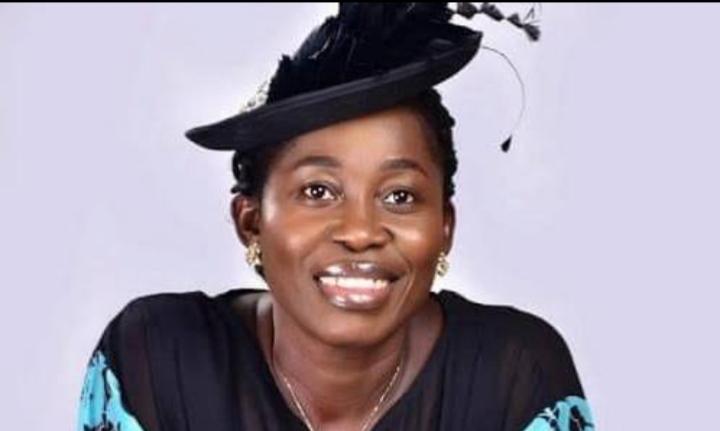
Osinachi Josephine Nwachukwu
Long before her voice echoed across churches, long before millions lifted their hands to the song “Ekwueme,” and long before her name became a symbol of both worship and painful national reflection, there was a young girl in Abia State whose heart beat for God and whose voice carried unusual depth.
The world knew her as Osinachi Nwachukwu. But behind that name was Osinachi Josephine Nwachukwu — a woman whose life story was woven with faith, resilience, motherhood, music, and tragedy.
Born on November 12, 1979, in Isuochi, Umunneochi Local Government Area of Abia State, Nigeria, Osinachi grew up in a modest Igbo Christian family. Her childhood was shaped by church life. Sunday services were not optional. Choir rehearsals were serious. Faith was central.
From a young age, it was clear that Osinachi had something special.
A Voice Discovered Early
As a little girl, she loved to sing. Not just casually — passionately. While other children played outside, she often found herself humming hymns and gospel choruses. Family members noticed that her voice carried a rare tone — rich, emotional, and piercing in a way that moved listeners.
Church became her training ground.
She joined the children’s choir, and later the youth choir. In small village congregations, her voice began to stand out. Worshippers would pause when she sang. There was something spiritual about it.
But growing up in a rural community also meant limited opportunities. Dreams often stayed within village borders.
Still, Osinachi believed.
Moving Toward Ministry
As she grew older, her faith deepened. Music was not just talent to her; it was ministry. She believed singing was a calling, not a career choice.
Eventually, she relocated to Abuja in pursuit of greater opportunities in gospel music ministry. The move was not easy. Like many aspiring singers, she faced financial hardship, uncertainty, and the challenge of building connections in a competitive environment.
But she refused to give up.
In Abuja, she joined the Dunamis International Gospel Centre under Pastor Paul Enenche. There, her ministry began to flourish. She became a lead singer in the church choir and ministered regularly.
Congregants quickly recognized her distinctive voice.
The Breakthrough With Ekwueme
Her life changed dramatically in 2017 when she featured in the powerful gospel song “Ekwueme” by Prospa Ochimana. The song, whose title means “The One Who Says and Does” in Igbo, became a global worship anthem.
Osinachi’s high-pitched, emotional delivery in the song pierced hearts worldwide. Churches across Africa, Europe, and America sang “Ekwueme.” The song went viral on YouTube, gathering millions of views.
Suddenly, Osinachi was no longer just a church singer in Abuja.
She became a global gospel voice.
Invitations poured in. She traveled to minister at conferences and crusades. Worshippers wept as she sang. Many described her voice as anointed.
But even at the height of fame, she remained humble.
A Devoted Mother and Wife
Behind the spotlight, Osinachi was also a wife and mother of four children. She often spoke about balancing ministry with family life. To her, motherhood was sacred.
However, as her fame grew, hidden struggles began to surface.
In April 2022, news broke that Osinachi had passed away at the age of 42. Initial reports suggested illness. But investigations later revealed allegations of prolonged domestic abuse.
The revelation shocked the nation.
How could a woman with such a powerful worship voice endure silent suffering?
Her death sparked nationwide conversations about domestic violence, especially within religious communities. Many Nigerians began speaking openly about abuse, silence, and the pressures women face to remain in harmful marriages.
Her husband was arrested and charged, and the case drew significant public attention.
A Nation in Mourning
The death of Osinachi Nwachukwu was not just the loss of a singer. It was the loss of a voice that carried hope.
Tributes flooded social media. Gospel artists, pastors, politicians, and everyday Nigerians expressed grief.
Songs she had ministered suddenly carried heavier meaning.
“Ekwueme” sounded different.
People began to reflect not just on her voice, but on her life.
Her Musical Legacy
Beyond “Ekwueme,” Osinachi released other songs including “Nara Ekele” and “You No Dey Use Me Play.” Her music focused on gratitude, trust in God, and divine faithfulness.
Her singing style was deeply emotional. She often sang with eyes closed, completely immersed in worship. She did not perform for applause. She ministered.
Her vocal range was extraordinary. She could reach high notes effortlessly while maintaining clarity.
She became a symbol of modern Nigerian gospel music’s global reach.
The Conversation She Sparked
Perhaps one of the most profound aspects of her legacy is the conversation her death ignited.
Domestic violence became a central topic in Nigerian media. Religious leaders began addressing it more openly. Women found courage to share their own stories.
Osinachi’s life and death forced society to confront uncomfortable truths.
She unknowingly became a catalyst for change.
Remembering Osinachi
Osinachi Josephine Nwachukwu’s life was a mixture of triumph and tragedy. She rose from a small town in Abia State to international worship platforms. She touched millions through song.
Yet her personal struggles remind the world that even the strongest voices can carry silent pain.
Her children remain part of her legacy. Her songs continue to bless congregations worldwide.
When people sing “Ekwueme,” they remember her.
They remember the passion in her voice.
They remember the tears in worship.
They remember a woman who gave her all in service to God.
A Voice That Lives On
Osinachi’s story is not only about sorrow. It is about impact.
It is about how one village girl’s voice traveled across continents.
It is about faith that remained strong even in adversity.
It is about the power of music to heal and to awaken society.
Though her earthly journey ended in 2022, her sound did not fade.
Her voice still rises in churches.
Her story still teaches lessons.
And her name remains etched in Nigerian gospel history.
Osinachi Nwachukwu was more than a singer.
She was a vessel.
She was a mother.
She was a worshipper.
And she was unforgettable.

Categorias
Leia Mais
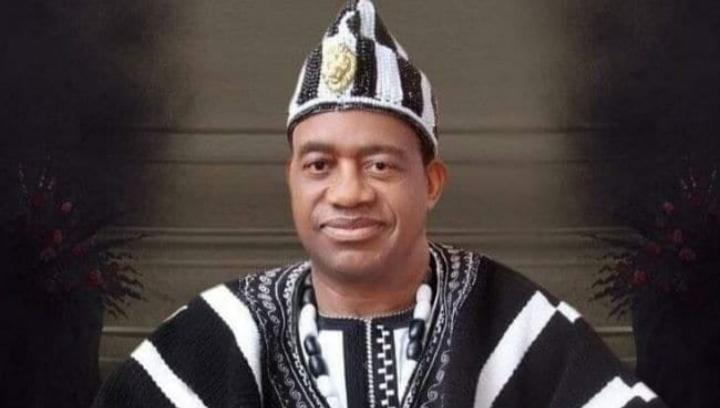
Tor Tiv V James Ayatse In the fertile plains of central Nigeria, where the Benue River nourishes farmlands and the Tiv people trace their ancestry through stories older than colonial maps, the throne of the Tor Tiv stands as a symbol of unity and identity. On that throne sits James Ayatse, a monarch whose life journey moved from lecture halls and corporate boardrooms to the sacred...
In a stunning revelation, former Nigerian President Goodluck Jonathan has disclosed a dramatic episode from his tenure as Vice President, when a critically ill President Umaru Musa Yar’Adua attempted to transfer power to him via a letter that was never delivered. The failure to deliver the letter, Jonathan claims, left Nigeria without a functioning president or commander-in-chief,...

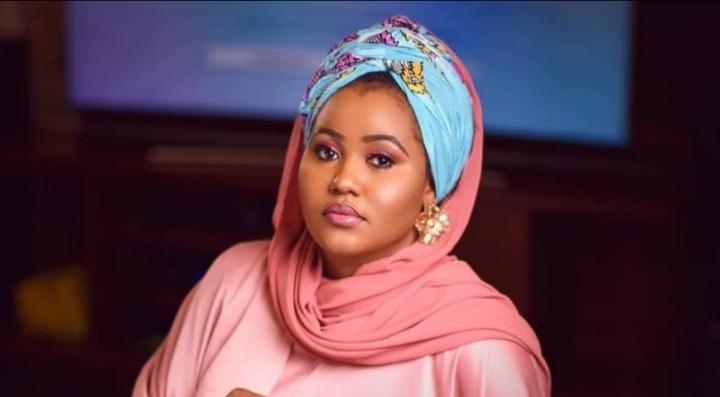
Hadiza Gabon When people mention Hadiza Gabon, the first thing that comes to mind is elegance, confidence, and a screen presence that commands attention. She is admired not only for her beauty but for her strength, resilience, and remarkable contribution to Kannywood. But behind the name the public knows and celebrates so well is her full birth name, Hadiza Aliyu Gabon. Her journey...
U.S. President Donald Trump has announced that Indonesian goods will now face a 19% tariff under a newly finalized trade agreement, a significant reduction from the 32% rate he previously threatened. The announcement came via Trump’s Truth Social platform on Tuesday. According to the president, the deal includes major purchase commitments from Indonesia: $15 billion in U.S. energy, $4.5...

Linus Williams Ifejika Linus Williams Ifejika popularly known as B-Lord is a Nigerian cryptocurrency entrepreneur who rose to national attention through social media wealth displays, crypto-related businesses, and a fast-growing brand called Blord Group. In recent years, his name has also been tied to public controversy and police investigations, making his story a mix of...