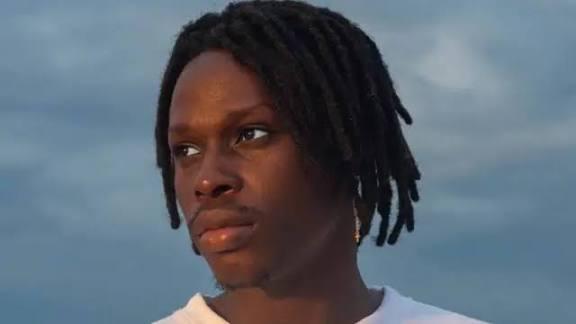
About
About
Trump Announces 19% Tariff on Indonesian Goods Under New Trade Deal
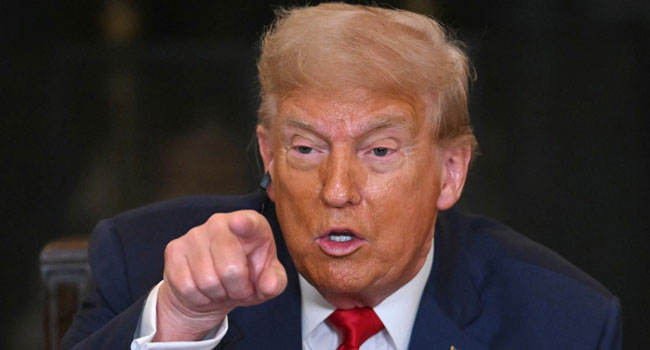
U.S. President Donald Trump has announced that Indonesian goods will now face a 19% tariff under a newly finalized trade agreement, a significant reduction from the 32% rate he previously threatened. The announcement came via Trump’s Truth Social platform on Tuesday.
According to the president, the deal includes major purchase commitments from Indonesia: $15 billion in U.S. energy, $4.5 billion in American agricultural products, and 50 Boeing aircraft — many of them 777s. Following the news, Boeing shares rose 0.9%.
“This is a great deal for everybody,” Trump posted, emphasizing that the agreement was reached after discussions with Indonesian President Prabowo Subianto. Trump also warned that goods transshipped to bypass U.S. duties would face stricter enforcement and steeper levies.
While the exact start date for the 19% tariff has not been disclosed, the agreement appears to have postponed a steeper 32% duty originally set to take effect on August 1.
Trump has been under increasing pressure to deliver on promises of new trade deals amid a broader tariff strategy introduced in April, which imposed a blanket 10% duty on nearly all trading partners. He has since delayed implementation of higher rates twice, now giving countries until August to avoid the full brunt of those tariffs.
Beyond Indonesia, Trump mentioned pending deals with India and ongoing negotiations with the European Union. Over 20 letters outlining potential tariff rates have reportedly been sent to U.S. trading partners, including Japan, South Korea, Malaysia, Canada, and Mexico. However, goods protected under the North American trade pact are expected to remain exempt.
Critics caution that without concrete trade agreements, Trump’s aggressive tariff approach could backfire. “In the public’s mind, the tariffs are the pain, and the agreements will be the gain,” said William Reinsch of the Center for Strategic and International Studies. “If there are no agreements, people will conclude his strategy was flawed.”
Categorie
Leggi tutto
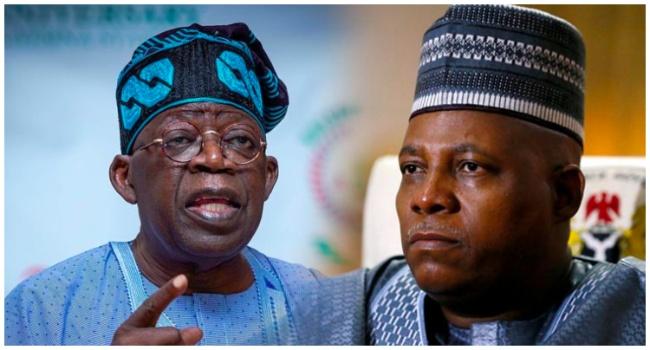
Mustapha Salihu, the All Progressives Congress (APC) National Vice Chairman for the North-East, has defended his decision to publicly endorse President Bola Tinubu without mentioning Vice President Kashim Shettima—a move that triggered protests and briefly disrupted the party’s regional summit in Gombe on Sunday. Speaking on Politics Today on Channels Television, Salihu dismissed...
Lagos does not wake up gently. It explodes into consciousness. By 4:45 a.m., the city is already clearing its throat generators coughing to life, buses honking impatiently, hawkers dragging wooden trays onto their heads. The sky is still dark, but Lagos has places to be and money to chase. Sleep is a luxury, and hesitation is a sin. Adewale Johnson learned that early. He lived in a one-room...

Lawrence Anini In the turbulent decade of the 1980s, when fear gripped many parts of southern Nigeria, one name echoed louder than the rest. That name was Lawrence Anini. He became one of the most feared criminals in Nigerian history, a man whose actions shook the nation and exposed deep cracks in the country’s security system. Early Life and Background Lawrence Anini was...
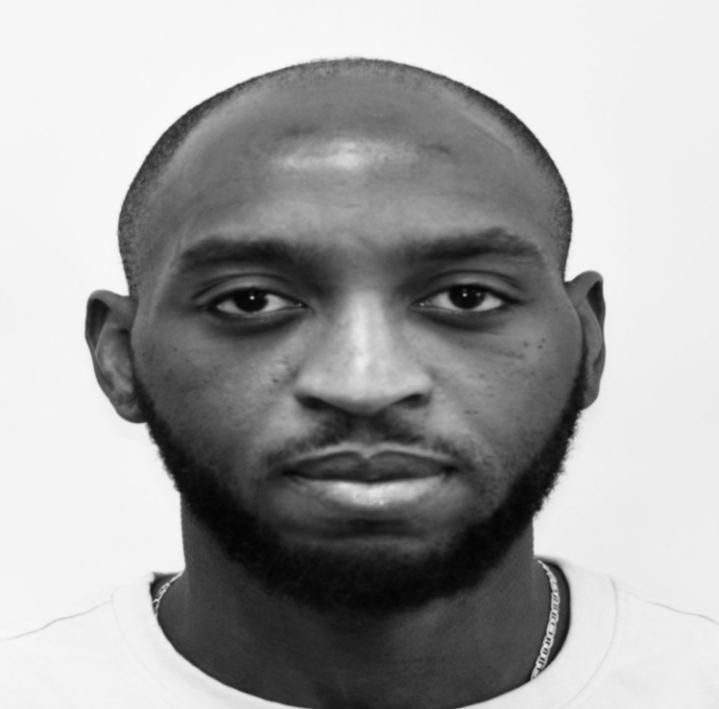
Adebayo Salami Adebayo Salami, popularly known as Oga Bello, is one of the most respected veterans in the Nigerian film industry. Born on May 9, 1953, in Lagos State, Nigeria, he grew up in a culturally rich Yoruba environment that would later shape his passion for storytelling and performance. From a young age, Salami displayed a natural flair for drama, often participating in school...
Fireboy DML Fireboy DML, whose real name is Adedamola Adefolahan, is a Nigerian singer and songwriter known for his soulful voice, emotional depth, and unique blend of Afrobeats, R and B, and pop music. Born on February 5, 1996, in Abeokuta, Ogun State, Nigeria, Fireboy grew up in a modest household where education and discipline were highly valued. Raised in Abeokuta,...