Sobre
Sobre
Sound Sultan The Voice of Conscience Who Turned Music Into a Mirror
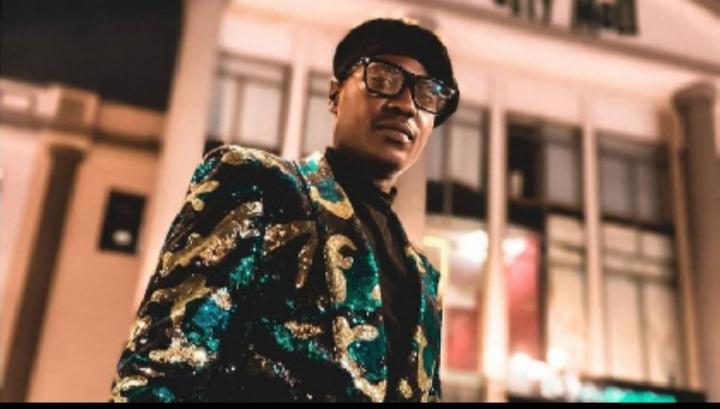
Olanrewaju Abdul-Ganiu Fasasi
Before the awards, before the national recognition, and before his voice became a conscience for millions of Nigerians, there was a young boy in the streets of Lagos with big dreams and sharp observations about the world around him. The world came to know him as Sound Sultan, but his journey began as Olanrewaju Abdul-Ganiu Fasasi — a creative soul born with rhythm, humor, and a deep sense of social awareness.
Born on November 27, 1976, in Jos, Plateau State, Nigeria, Olanrewaju grew up in a culturally rich environment. Though born in Jos, his roots traced back to Lagos State. His upbringing exposed him to diversity early — different languages, religions, and traditions blended in his surroundings. That exposure would later shape the inclusive and socially conscious themes of his music.
A Creative Child With Many Talents
Sound Sultan was not just musically gifted. As a child, he loved drawing and performing in school plays. Creativity flowed naturally through him. His older brother, Baba Dee, was already involved in the entertainment world, which provided inspiration and guidance.
Growing up in the 1980s and 1990s, Nigeria was going through political and economic turbulence. Young Olanrewaju observed the struggles of ordinary people. He saw corruption, inequality, and hardship. But he also saw resilience and humor — the uniquely Nigerian ability to laugh through pain.
Music became his outlet.
He attended Christ the King College in Jos before moving on to Lagos State University, where he studied Geography and Regional Planning. Even in university, he balanced academics with his growing passion for entertainment.
The Birth of Sound Sultan
The name “Sound Sultan” reflected confidence. He wanted to rule the sound, to command attention through music. But unlike many artists chasing glamour, his focus was always deeper.
In the late 1990s, when Nigerian hip hop was still emerging, Sound Sultan began performing at shows and talent competitions. He faced rejection. He struggled financially. There were moments when it seemed like success was distant.
But he remained consistent.
His breakthrough came in 2000 with the release of “Jagbajantis.” The song was a bold critique of corruption in Nigeria. At a time when many artists focused on love songs or party tracks, Sound Sultan chose to confront societal issues head-on.
“Jagbajantis” became an anthem. It was fearless. It was intelligent. It was relatable.
A Voice for the People
What set Sound Sultan apart was his versatility. He could make you laugh with humorous tracks and make you think with conscious lyrics. He blended hip hop, reggae, R&B, and Afrobeat seamlessly.
His music often carried messages about governance, poverty, youth empowerment, and social responsibility. Yet he delivered these messages with creativity and wit, never sounding preachy.
Albums like “Naija Ninja,” “SS4,” and “Me, My Mouth & Eye” showcased his range. He could switch from satire to romance to street storytelling effortlessly.
He became known as one of Nigeria’s most intelligent lyricists.
Naija Ninja Movement
Sound Sultan founded Naija Ninja, a record label and creative movement aimed at nurturing talent and promoting socially responsible music. The label signed artists and promoted collaboration within the industry.
He believed in community over competition.
Unlike many artists who were caught in rivalry narratives, Sound Sultan maintained strong relationships across the industry. He collaborated with legends like 2Baba and maintained friendships with numerous musicians.
His humility became part of his identity.
Acting and Media Presence
Beyond music, Sound Sultan ventured into acting and television. His charisma translated naturally to the screen. He appeared in films and comedy projects, proving his versatility as an entertainer.
He also served as a United Nations ambassador for peace, using his platform to advocate for youth development and social change.
He was not just an entertainer. He was an advocate.
Personal Life and Character
Sound Sultan married his longtime partner, Farida Fasasi, and they built a family together. Despite his fame, he remained grounded. Those who knew him described him as humble, generous, and approachable.
He avoided scandals. He avoided unnecessary controversy.
In an industry often fueled by drama, Sound Sultan chose integrity.
The Final Chapter
In 2021, news broke that Sound Sultan had been diagnosed with angioimmunoblastic T-cell lymphoma, a rare form of cancer. The announcement shocked the nation.
For someone who had always appeared strong and energetic, the diagnosis felt unreal. He sought treatment abroad, and Nigerians prayed for his recovery.
On July 11, 2021, Sound Sultan passed away at the age of 44.
The news sent waves of grief across the country. Tributes poured in from fans, politicians, musicians, and everyday Nigerians whose lives he had touched through music.
Legacy
Sound Sultan’s legacy is not measured only by album sales or awards. It is measured by impact.
He used music as a mirror to society. He challenged corruption when it was risky to do so. He entertained without losing substance. He proved that intelligence and commercial success could coexist.
In a music industry that often leans toward trends, he remained authentic.
His songs still resonate. “Jagbajantis” remains relevant. His humor still feels fresh.
Olanrewaju Abdul-Ganiu Fasasi lived with purpose.
He showed that an artist could be conscious without being boring. That one could be popular without compromising values.
He was a storyteller. A critic. A peacemaker.
Sound Sultan did not just make music.
He made meaning.
And though his voice is no longer physically present, it echoes in every Nigerian artist who dares to speak truth to power.
His crown was never about ego.
It was about impact.

Categorias
Leia Mais
Nigeria’s stock market continued its bullish trend on Thursday, gaining N677 billion, marking a two-day positive trend. Market capitalisation rose by N677 billion, or 0.92 per cent, to close at N74.358 trillion, compared to N73.681 trillion recorded on Wednesday. Similarly, the All-Share Index climbed 1,074.26 points or 0.92 per cent, reaching 117,861.13 from 116,786.87 recorded on...

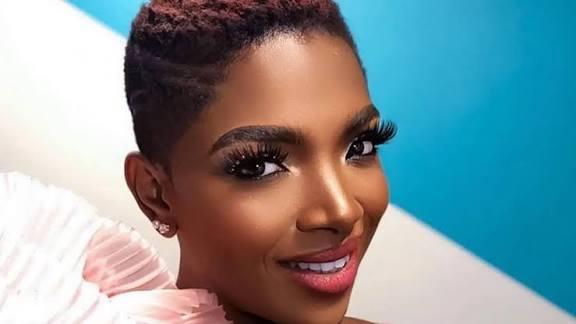
Annie Macaulay-Idibia Annie Macaulay-Idibia, popularly known as Annie Idibia, is a Nigerian actress, model, entrepreneur, and reality television personality. Born Annie Uwana Macaulay on November 13, 1984, in Ibadan, Oyo State, Nigeria, she has built a career in Nollywood while also gaining public attention as the wife of Nigerian music icon 2Baba. Early Life and Background...
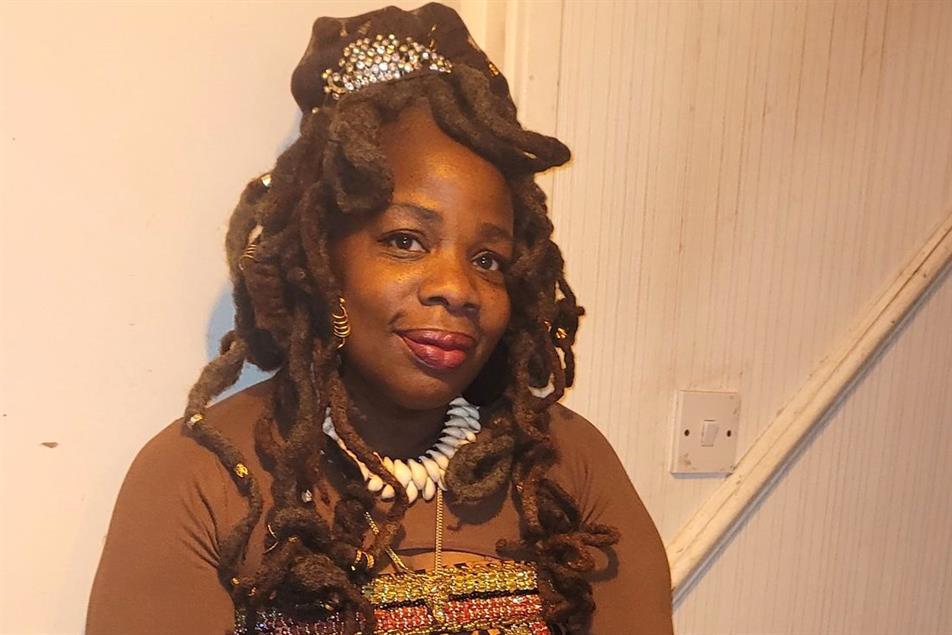
Ngozi Fulani: There are people who live quiet lives, and there are people whose lives become symbols of deeper conversations. The story of Ngozi Fulani is one of identity, survival, activism, and controversy. It is the story of a British woman of Caribbean heritage who built a refuge for vulnerable women and, decades later, found herself at the center of a national debate about race and...
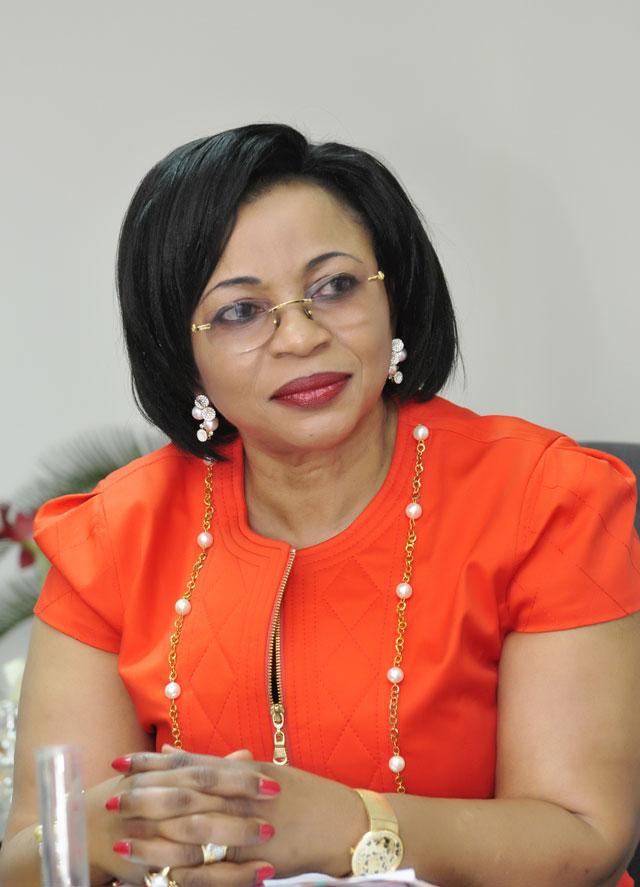
Herbert Wigwe was one of Nigeria’s most respected banking executives and financial leaders. As the co founder and long serving Group Chief Executive Officer of Access Bank, he played a central role in transforming the institution into one of Africa’s largest and most influential banking groups. Early Life and Education Herbert Onyewumbu Wigwe was born on August 15, 1966, in Port...
Blox Fruits is all about experimenting with different playstyles, and hybrid builds are one of the most versatile approaches. By combining melee combat with fruit abilities, you can adapt to nearly any situation, making PvP encounters and boss fights more manageable. A critical aspect of a successful hybrid build is choosing the right swords to complement your fruit powers. Here’s a...