About
About
Ngozi Fulani: The Woman Who Built a Safe Haven and Faced the Storm
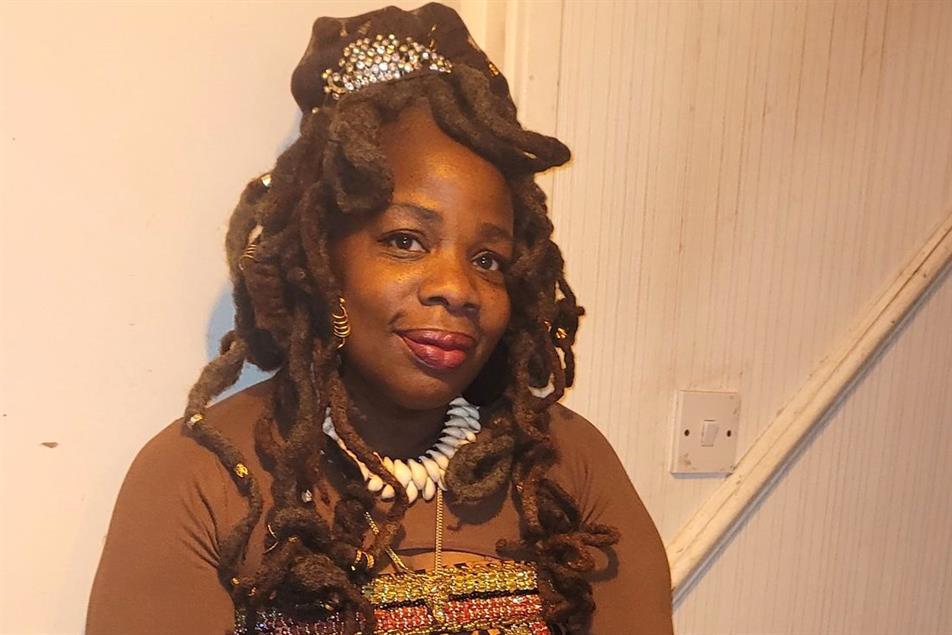
Ngozi Fulani:
There are people who live quiet lives, and there are people whose lives become symbols of deeper conversations. The story of Ngozi Fulani is one of identity, survival, activism, and controversy. It is the story of a British woman of Caribbean heritage who built a refuge for vulnerable women and, decades later, found herself at the center of a national debate about race and belonging.
Her life is not a simple tale of praise or criticism. It is layered, human, and shaped by the complex realities of Britain’s multicultural society.
A Childhood Shaped by Migration and Identity
Ngozi Fulani was born Marlene Headley in the United Kingdom in the early 1960s to parents of Caribbean descent. Her family roots trace back to Barbados, part of the larger Caribbean diaspora that migrated to Britain in significant numbers after World War II. Like many children of that generation, she grew up navigating two identities at once: British by birth, Caribbean by heritage.
Her early years were shaped by a Britain that was still adjusting to its changing demographic landscape. Though her parents came seeking opportunity, they encountered a society where racial prejudice was common and systemic barriers were real. For young Marlene, identity was not just a personal matter. It was political, cultural, and often challenged.
School was not always easy. Stories of racial name calling and discrimination were not unusual for children of Caribbean descent during that era. But those early experiences would later inform her determination to create safe spaces for others.
As she grew older, Marlene became more interested in African and Caribbean history. She explored Pan African ideas and embraced a deeper connection to Black identity. Eventually, she chose the name Ngozi Fulani, reflecting a conscious decision to step into a broader cultural and ancestral identity.
The name Ngozi is of Igbo origin, meaning blessing, while Fulani references one of West Africa’s largest ethnic groups. For her, the name symbolized pride, reclamation, and belonging beyond the narrow definitions imposed by society.
Building Sistah Space
Life has a way of sharpening purpose through pain. In 2015, Ngozi Fulani founded Sistah Space, a London based charity created specifically to support women of African and Caribbean heritage who were survivors of domestic abuse.
The idea did not emerge in isolation. It was born from conversations, community needs, and painful stories. Black women, she argued, often faced unique cultural barriers when seeking help. Fear of stigma, mistrust of institutions, language gaps, and racial bias within services sometimes prevented them from accessing support.
Sistah Space aimed to address that gap.
The charity offered culturally sensitive counseling, advocacy, and practical support. It provided a safe haven where women could speak freely without feeling misunderstood. For many, it became more than a service. It became a lifeline.
Ngozi Fulani often spoke passionately about the need for specialized spaces. She believed that acknowledging cultural differences did not divide society but strengthened it by ensuring no one was left behind.
Under her leadership, Sistah Space gained recognition and funding. Community leaders and activists praised the initiative. It stood as a testament to grassroots organizing and the power of lived experience.
A Life of Advocacy
Beyond running a charity, Ngozi Fulani became a vocal advocate on issues of race, gender, and domestic violence. She appeared at conferences, community events, and discussions focused on social justice.
Her advocacy was grounded in the belief that Black women’s voices were often overlooked in mainstream feminist spaces. She argued that intersectionality was not just an academic concept but a lived reality.
Years of community work positioned her as a respected figure in certain activist circles. But activism, especially when centered on race, can place individuals in the spotlight in unexpected ways.
That spotlight came suddenly in late 2022.
The Buckingham Palace Incident
In November 2022, Ngozi Fulani attended a reception at Buckingham Palace focused on ending violence against women and girls. The event was hosted by Queen Consort Camilla.
During the reception, a conversation occurred between Fulani and Lady Susan Hussey, a member of the royal household. According to Fulani, she was repeatedly questioned about where she was “really from,” despite explaining she was British.
The exchange became public when Fulani shared her account on social media. The story spread rapidly across news outlets and social platforms. It ignited a national conversation about race, belonging, and unconscious bias in Britain.
Lady Susan Hussey resigned from her honorary position following the incident. Buckingham Palace issued a statement describing the comments as unacceptable.
For some, the incident highlighted persistent issues of racial insensitivity within elite institutions. For others, it sparked debate about interpretation, context, and the role of social media in amplifying personal interactions.
Ngozi Fulani found herself at the center of a cultural storm.
Public Reaction and Scrutiny
With visibility came scrutiny. As media attention intensified, details about Sistah Space’s funding and governance were examined. Critics questioned aspects of the charity’s operations. Supporters defended its mission and impact.
Public life can be unforgiving. For Fulani, the experience was both affirming and challenging. She received messages of solidarity from people who identified with her experience. She also faced criticism and hostility.
The incident was not merely about one conversation. It became symbolic of broader societal tensions in modern Britain. It forced uncomfortable discussions about how identity is perceived and who gets to define belonging.
Through interviews, Fulani maintained that her intention was not to cause harm but to shed light on an issue many minorities quietly endure.
The Complexity of Identity
Ngozi Fulani’s life reflects the complexity of identity in a globalized world. Born in Britain, rooted in the Caribbean, inspired by African heritage, she embodies multiple cultural narratives at once.
Her decision to adopt a traditional African name was both personal and political. It signaled resistance to assimilation and pride in ancestry. Yet it also became part of the conversation about authenticity and representation.
Identity is rarely simple. For many in the African diaspora, it is layered with history, displacement, and rediscovery. Fulani’s journey mirrors that broader story.
Leadership Under Pressure
Running a charity requires resilience even without controversy. Funding challenges, administrative responsibilities, and the emotional weight of supporting survivors are demanding tasks.
After the 2022 incident, Sistah Space faced additional pressures. Public debates sometimes overshadowed the daily work of helping women in crisis.
Yet the organization continued operating, emphasizing its core mission. For many beneficiaries, the debates in headlines mattered less than the immediate safety and counseling they received.
Fulani’s leadership was tested not just by critics but by the responsibility of staying focused on service amid noise.
A Figure of Debate
Ngozi Fulani is not a universally celebrated figure, nor is she universally criticized. She occupies a space that reflects the divisions and conversations of contemporary Britain.
To some, she is a courageous advocate who spoke truth to power. To others, she is a controversial activist whose approach invites disagreement.
What remains undeniable is that her story intersects with some of the most pressing issues of our time: race, gender violence, institutional accountability, and media influence.
The Broader Impact
The Buckingham Palace incident prompted renewed discussions about diversity training within royal and governmental institutions. It also sparked conversations in workplaces, schools, and communities about microaggressions and cultural sensitivity.
In that sense, the moment transcended the individuals involved. It became a mirror reflecting society’s ongoing struggle to reconcile its past with its present.
Ngozi Fulani did not begin her journey seeking national headlines. She began by trying to build a sanctuary for vulnerable women. Yet life has a way of expanding the scope of one’s story.
A Continuing Journey
As debates continue and public attention shifts, Ngozi Fulani remains engaged in advocacy. Her life reminds us that activism often carries personal cost.
From a young girl navigating racial tension in Britain to the founder of a specialized charity, her journey is one of determination shaped by circumstance.
She stands as a figure who challenges institutions and provokes dialogue. Whether one agrees with her methods or not, her story illustrates how individual experiences can ignite national conversations.
In the end, Ngozi Fulani’s biography is not just about one woman. It is about the evolving story of Britain itself — a nation wrestling with history, diversity, and the meaning of belonging in the twenty first century.

Categories
Read More
Tunde Idiagbon Tunde Abdulbaki Idiagbon was one of the most disciplined and influential military officers Nigeria ever produced. Known for his rigid principles, quiet strength, and uncompromising commitment to order, Idiagbon played a defining role in one of the most controversial yet transformative periods in Nigeria’s history. To many Nigerians, his name still echoes with...
Zuma Rock Zuma Rock is one of Nigeria’s most famous natural landmarks. Located in Madalla, Niger State,just along the Abuja–Kaduna Expressway, it stands as a powerful symbol of strength, mystery, and cultural pride. Often called the “Gateway to Abuja,” Zuma Rock welcomes visitors entering Nigeria’s capital city. Location and Physical Features Zuma Rock rises...

The Ibenanaowei of Ekpetiama Kingdom in Bayelsa State, King Bubaraye Dakolo, has criticized the Federal Government for its failure to identify, prosecute, and jail the true masterminds behind the persistent oil theft plaguing the Niger Delta, despite the loss of trillions of dollars’ worth of crude oil. Speaking on Channels Television’s The Morning Brief, King Dakolo, who also...

Bisi Komolafe Bisi Komolafe was one of the bright young faces of Yoruba Nollywood whose life and career were cut tragically short at a time when her star was still rising. Born on December 29, 1986, in Ibadan, Oyo State, Nigeria, she grew up in a modest Yoruba family that valued culture, respect, and education. From an early age, Bisi displayed a natural flair for performance. She loved drama,...

Episode Twenty-Five: The Day the Books Spoke It didn’t happen loudly. There was no drumroll. No warning. Just an ordinary school day that turned into something I would never forget. We had a test one of those sudden tests teachers liked to spring on us to catch unserious students off guard. No long announcement. No extra revision time. Just a date written on the board and silence in...