О нас
О нас
KING SUNNY ADE; Nigerian Musician, A pioneer of Modern Juju Music
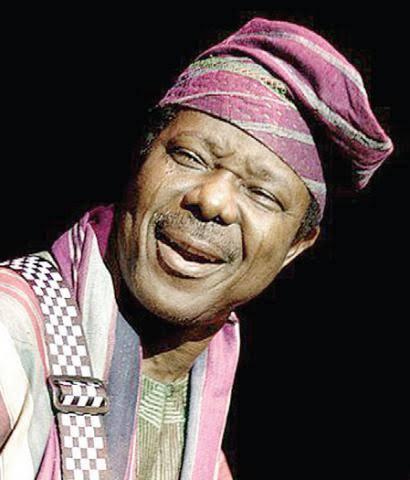
King Sunny Ade
King Sunny Ade, born Sunday Adeniyi Adegeye, is one of Nigeria’s most influential and internationally celebrated musicians. A pioneer of modern Juju music, he played a major role in taking indigenous Nigerian sounds to global stages. With a career spanning more than five decades, King Sunny Ade remains a symbol of cultural pride, musical excellence, and innovation.
Early Life and Background
King Sunny Ade was born on September 22, 1946, in Oshogbo (now Osogbo), Osun State, Nigeria. He comes from a royal family in Ondo State, giving him a traditional heritage that later influenced his music and stage presence. Growing up in southwestern Nigeria, he was surrounded by Yoruba cultural traditions, drumming, and praise singing.
Despite his royal background, Sunny Ade chose music over a conventional career path. His parents initially preferred that he focus on formal education and perhaps pursue a more traditional profession. However, his passion for music proved stronger than societal expectations.
Education and Musical Beginnings
King Sunny Ade completed his early schooling in Nigeria but did not pursue higher education extensively because he was determined to follow his musical dreams. In the early 1960s, he moved to Lagos, which was then Nigeria’s entertainment hub.
He joined the band of the legendary juju musician Moses Olaiya, also known as Baba Sala. During this period, Sunny Ade learned the structure, rhythm, and performance style of Juju music. The experience helped him build confidence and technical skills.
In 1967, he formed his own band called The Green Spots, which was later renamed The African Beats. This marked the beginning of his independent musical journey.
Rise to Fame
King Sunny Ade revolutionized Juju music by modernizing its sound. He introduced sophisticated guitar techniques, expanded percussion sections, and incorporated elements of highlife and Afrobeat. His music featured talking drums, layered guitars, and rich harmonies.
By the 1970s, he had become one of Nigeria’s biggest music stars. His albums were commercially successful, and he performed at major events across the country. His ability to praise individuals in songs also made him highly sought after for social celebrations.
In the 1980s, King Sunny Ade achieved international recognition. He signed a global record deal and released albums that introduced Juju music to Western audiences. His album Juju Music gained significant success abroad and earned him Grammy nominations a rare achievement for African artists at the time.
International Impact
King Sunny Ade was one of the first Nigerian musicians to tour extensively in Europe and North America. His energetic performances, colorful traditional attire, and complex instrumental arrangements fascinated international audiences.
He appeared on major global platforms and was often described as the “Ambassador of Juju Music.” His Grammy nominations in the 1980s brought global attention to Nigerian music long before Afrobeats became a worldwide movement.
His influence paved the way for future African artists seeking international recognition.
Musical Style and Innovation
What sets King Sunny Ade apart is his ability to blend tradition with innovation. He expanded the Juju sound by adding pedal steel guitar, synthesizers, and more elaborate stage choreography. His band often included multiple guitarists and percussionists, creating a rich and layered sound.
His lyrics, primarily in Yoruba, focus on wisdom, gratitude, social responsibility, and celebration of culture. He uses proverbs and praise poetry to connect deeply with his audience.
Personal Life
King Sunny Ade is known to have a large family and multiple children. Like many traditional Yoruba musicians of his era, he maintained a polygamous family structure. Despite his fame, he has managed to keep much of his personal life relatively private.
He is respected not just as a musician but also as a cultural icon and elder statesman in Nigeria’s entertainment industry.
Awards and Recognition
Throughout his career, King Sunny Ade has received numerous awards and honors for his contributions to music. He has been recognized by both Nigerian and international institutions for promoting African culture globally.
His Grammy nominations remain a landmark achievement in African music history.
Legacy
King Sunny Ade remains active and occasionally performs at major events. His music continues to inspire younger artists, and his impact on Juju music is unmatched.
He is regarded as one of Africa’s greatest musicians a pioneer who opened international doors for Nigerian artists. His legacy is built on innovation, cultural pride, and a lifelong dedication to music.


Категории
Больше
When speaking about safe and practical workplace gear, Tyvek Breathing Cover often surfaces as a topic of discussion, especially when paired with the trusted name Hopeway AMD. This connection brings attention to the balance between functionality and everyday usability, a matter that professionals across different industries continue to prioritize. Work environments today require solutions that...

Pope Tawadros II Early Life Pope Tawadros II was born as Wagih Sobhi Baki Soliman on November 4, 1952, in Mansoura, Egypt. He grew up in a simple and disciplined Christian home where faith was part of daily life. His parents raised him with strong values, teaching him humility, respect, and devotion to God. From a young age, he showed a quiet and thoughtful personality. He...
Rashidi Yekini In the dusty town of Kaduna in 1963, a boy was born who would grow into one of the most iconic footballers Nigeria has ever known. His name would one day echo through stadiums from Lagos to Tunis, from Abidjan to Washington. That boy was Rashidi Yekini. His story is not only about goals. It is about hunger, struggle, triumph, loneliness, and a legacy carved into...
Clarion Chukwurah Clarion Chukwurah is a veteran Nigerian actress and humanitarian widely respected for her powerful performances in Nollywood and early Nigerian cinema. Known for her elegance, emotional depth, and strong screen presence, she remains one of the most accomplished actresses in Nigeria’s film history. Early Life and Background Clarion Chukwurah was born on...

Alfred Diete-Spiff In the oil rich creeks of the Niger Delta, where rivers twist through mangroves and history moves with the tide, a young boy was born into a royal Kalabari family who would one day shape the destiny of a newly created Nigerian state. His name was Alfred Papapreye Diete-Spiff. His life would carry him from naval decks to government house, and eventually back to the...