


 About
About
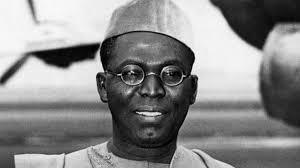
OLA BALOGUN: Nigerian Filmmaker and Scriptwriter

Ola Balogun
Ola Balogun is one of the true pioneers of Nigerian cinema, widely respected for his bold storytelling, intellectual depth, and commitment to projecting African culture through film. Born in 1945 in Lagos, Nigeria, Balogun grew up during a transformative period in the country’s history, when colonial influence was gradually giving way to independence and national identity. From an early age, he showed a strong interest in literature, theatre, and the arts, interests that would later shape his groundbreaking career.
Balogun received part of his education in Nigeria before traveling abroad to further his studies. He studied at the Institut des Hautes Études Cinématographiques (IDHEC) in Paris, France, where he gained formal training in filmmaking. At a time when very few Nigerians had access to such international education in cinema, Balogun immersed himself in film theory, directing, and production techniques. His time in France exposed him to global cinematic traditions, but he remained deeply committed to telling African stories from an authentic perspective.
When he returned to Nigeria in the early 1970s, the local film industry was still in its infancy. Cinema in Nigeria had not yet developed into the vibrant Nollywood known today. Balogun recognized the urgent need for indigenous storytelling in film and set out to fill that gap. He believed that Africans should control their own narratives rather than rely on foreign interpretations of their culture.
In 1973, he directed his first feature film, Alpha, which marked the beginning of his professional filmmaking career. However, it was his later works that truly cemented his reputation. One of his most significant films, Ajani Ogun, released in 1976, was performed in the Yoruba language. This was a bold move at a time when English-language films were more common in formal cinema. The film was commercially successful and proved that local-language films could thrive. It opened doors for other indigenous filmmakers and helped lay the foundation for the Yoruba film industry.
Another major milestone came with the release of Ija Ominira (1979), a historical drama that explored themes of colonial resistance and African identity. The film demonstrated Balogun’s intellectual approach to filmmaking. He was not just interested in entertainment; he wanted to educate, provoke thought, and spark cultural pride. Through his films, he tackled political issues, tradition, religion, and social transformation.
Beyond directing, Balogun was also a writer, producer, and cultural advocate. He authored books and essays on African cinema and consistently spoke about the importance of preserving African heritage. His work extended beyond film into theatre and music documentation. He collaborated with notable cultural figures, including the legendary musician Fela Kuti, further demonstrating his deep engagement with Nigeria’s creative scene.
Balogun’s filmmaking style blended realism with strong cultural symbolism. He often drew from Yoruba mythology, folklore, and contemporary Nigerian life. His films were known for their artistic ambition, thoughtful dialogue, and cultural authenticity. Unlike many commercial filmmakers who focused primarily on profit, Balogun viewed cinema as a powerful intellectual and cultural tool.
Despite his achievements, his career was not without challenges. The Nigerian film industry in the 1970s and 1980s lacked strong financial backing and infrastructure. Distribution networks were weak, and filmmakers often struggled with funding. Nevertheless, Balogun persisted, becoming one of the most influential figures of his generation.
His contributions helped pave the way for the later explosion of Nollywood in the 1990s and 2000s. Though the industry evolved into a more commercially driven model, pioneers like Ola Balogun laid the artistic and structural groundwork. Many filmmakers today regard him as a mentor and foundational figure in Nigerian cinema.
Over the decades, Balogun has received recognition both locally and internationally for his role in developing African cinema. Film scholars frequently reference his work when discussing the history of West African film. His legacy is not just in the movies he made but in the cultural confidence he inspired.
Ola Balogun remains a respected elder statesman in Nigeria’s creative industry. His life story reflects determination, cultural pride, and intellectual courage. At a time when African stories were often marginalized, he insisted they deserved center stage. Through education, artistic vision, and relentless effort, he helped shape the identity of Nigerian cinema.
Today, his name stands alongside the early architects of African filmmaking. His legacy continues to inspire filmmakers who seek to tell authentic African stories with depth and integrity.

Categorías
Read More
The Shower Channel Drain Factory by hasen-home offers comprehensive solutions for efficient bathroom drainage, prioritizing performance, hygiene, and aesthetics. Modern design trends emphasize both functionality and visual appeal, and these drainage systems ensure smooth water flow while complementing contemporary interiors. Contractors and homeowners alike seek products that provide...

For Helldivers 2 players looking to expand their arsenal, the SG-22 Bushwhacker is a must-have for its versatility and crowd-control capabilities. Unlocking this weapon might seem tricky at first, but with a clear strategy, you can add it to your loadout without unnecessary grind. The SG-22 Bushwhacker becomes available once you reach a specific progression milestone in the game. Players will...

Obafemi Awolowo Obafemi Awolowo was one of Nigeria’s most important nationalist leaders, political thinkers, and reformers. He is best known for building a strong political movement in Western Nigeria, championing federalism and regional development, and introducing pioneering social policies such as free primary education and major public welfare programs. He remains a central figure in...
Gorée Island slave house Across the blue waters of the Atlantic Ocean, just a few kilometers from the bustling city of Dakar in Senegal, lies a small island that carries one of the heaviest memories in human history. This island is Gorée Island, a place where beauty and sorrow live side by side. Today the island looks peaceful. Bright colored colonial buildings stand...

Managing your resources in Helldivers 2 is just as important as landing your shots. With limited gear slots, valuable consumables, and expensive upgrades, knowing how to maximize item efficiency can make the difference between victory and a failed mission. Here are nine practical ways to get more out of every item you bring into the fight. 1. Prioritize Items Based on Mission Objectives Not...
