Sobre
Sobre
Obafemi Awolowo: The Visionary Who Built Modern Progressive Politics in Nigeria
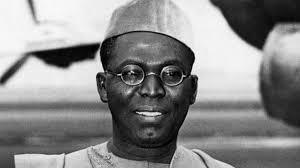
Obafemi Awolowo
Obafemi Awolowo was one of Nigeria’s most important nationalist leaders, political thinkers, and reformers. He is best known for building a strong political movement in Western Nigeria, championing federalism and regional development, and introducing pioneering social policies such as free primary education and major public welfare programs. He remains a central figure in Nigeria’s independence story and in the history of modern governance in Africa.
Early Life and Background
Chief Obafemi Jeremiah Oyeniyi Awolowo was born on March 6, 1909, in Ikenne, in present day Ogun State, Nigeria. He grew up in a Yoruba community shaped by colonial rule, missionary education, and the rise of early nationalist ideas. His early experiences with hardship and responsibility helped form his deep belief in discipline, education, and structured leadership.
Education
Awolowo attended several schools in Western Nigeria and later pursued higher education through determination and self support. He studied commerce and later law, eventually traveling to the United Kingdom where he trained as a lawyer. He was called to the Bar in England and returned to Nigeria with a sharpened vision of political organization, constitutional development, and modern governance.
Early Career and Political Awakening
Before becoming a full time politician, Awolowo worked as a journalist, teacher, trade union organizer, and legal practitioner. These experiences exposed him to the struggles of ordinary Nigerians and strengthened his belief that independence would be meaningless without social development, education, and economic planning.
In the 1940s, he became deeply involved in nationalist politics and organizational work, laying the foundation for the political structure that would later make him one of the most influential leaders of his time.
Building a Political Movement
Awolowo helped form powerful political and cultural organizations that shaped the Yoruba political identity and later contributed to Nigeria’s regional politics. He played a key role in building the Action Group, a political party that became dominant in Western Nigeria. His leadership style was known for structure, planning, and a strong ideological direction rather than personality politics.
Premier of Western Nigeria
Awolowo served as the first Premier of the Western Region from 1954 to 1959. This period is often remembered as the height of his reform legacy.
Under his leadership, the Western Region introduced major social development policies that were considered revolutionary at the time. These included free primary education, expanded healthcare initiatives, rural development programs, and major investments in infrastructure and public service. He believed government should serve the people directly, especially through education, which he saw as the quickest path to empowerment and modern progress.
Role in National Politics
Awolowo later moved into federal politics and remained a major voice during Nigeria’s transition years and early independence period. He contested for national leadership but did not become Prime Minister, yet his influence on constitutional debates, federalism, and national development planning remained strong.
During the Nigerian Civil War era, Awolowo served as Federal Commissioner for Finance and played a major role in national economic management. His time in this role remains one of the most discussed periods of his career, as it combined high level national responsibility with difficult wartime decisions.
Personal Philosophy and Ideas
Awolowo was not only a politician but also an intellectual. He wrote books and developed ideas around federalism, self reliance, structured governance, and social welfare. He believed Nigeria’s diversity could only be managed successfully through a true federal system, where regions had the power to develop according to their priorities while remaining united as one country.
Later Years and Death
In his later years, Awolowo became a respected elder statesman and continued to influence politics through ideas, speeches, and writings. He died on May 9, 1987. His death marked the end of an era, but his legacy remained alive in Nigerian political culture, especially through debates on education, federalism, and good governance.
Legacy
Obafemi Awolowo’s legacy is defined by institution building and visionary social policy. He is remembered as a leader who connected politics to practical development, especially through education and public welfare. For many Nigerians, he represents disciplined leadership, strategic planning, and the belief that government must deliver real progress to ordinary people.


Categorias
Leia Mais
Automatic Conveyor Market: Driving Industrial Efficiency Introduction to the Automatic Conveyor Market Factory automation conveyors play a crucial role in achieving end-to-end automation in manufacturing facilities. These systems facilitate synchronized production processes, reduce labor costs, and support lean manufacturing initiatives. With modular and scalable designs, factories can easily...

Dora Akunyili In the quiet town of Makurdi in 1954, a girl was born into a Nigeria still young and full of promise. She would grow up to confront one of the country’s deadliest silent enemies, fake drugs. Her name would become synonymous with courage, integrity, and reform. That girl was Dora Akunyili. Her story is not merely about public office. It is about personal pain...
Leo Stan Ekeh Leo Stan Ekeh is one of the earliest architects of Nigeria’s indigenous technology revolution. Long before startups became fashionable and fintech dominated headlines, he was building hardware, assembling computers, and convincing institutions that Nigeria could produce its own digital infrastructure. His journey is a story of foresight, national pride, and...
Odo Ape community in Kabba Bunu LGA, Kogi State, has been thrown into deep mourning following the tragic death of one of its respected leaders, Retired Army Major Joseph Ajayi, who died in captivity after being kidnapped from his home on May 21, 2025. Major Ajayi, a 76-year-old former Chairman of the Christian Association of Nigeria (CAN) in the area, was abducted by heavily armed gunmen who...

Yul Edochie Yul Edochie is a Nigerian actor, film director, and politician known for his strong roles in Nollywood movies and his connection to one of Nigeria’s most famous acting families. Born Yul Chibuike Daniel Edochie on January 7, 1982, in Lagos State, Nigeria, he rose to prominence as one of the respected actors in the Nigerian film industry. Early Life and...