Environ
Terry Apala The Modern Voice of Apala Who Turned Tradition Into Trend

Terry Apala
In a music industry dominated by Afrobeats, pop melodies, and digital trends, it takes courage to swim against the current. Terry Apala did not just swim against it. He created his own wave.
He stepped into a genre many considered old fashioned and reintroduced it to a generation raised on club anthems and streaming playlists. He blended Yoruba cultural rhythm with modern sound design and carved out a space that felt both nostalgic and futuristic.
This is the story of Terry Apala, the man who revived tradition and made it cool again.
Growing Up in Lagos Streets
Terry Apala was born Terry Alexandar Ejeh in Lagos State, Nigeria. He grew up in Mushin, one of Lagos most vibrant and demanding neighborhoods. Mushin is known for resilience. It is not a place that hands out opportunity easily. It demands hustle.
Life was not easy.
Terry lost his father at a young age. That loss forced maturity early. In many Nigerian homes, the absence of a father changes everything. Responsibility comes quickly.
Raised by his mother, Terry learned survival. He learned that dreams require endurance.
The streets of Mushin were loud with Fuji music, hip hop, and local rhythms. Music was everywhere. Weddings, naming ceremonies, roadside bars, church gatherings. Sound became part of his environment.
Discovering Apala
Most young musicians in Lagos gravitate toward Afrobeats or hip hop. But Terry was drawn toward Apala.
Apala is a traditional Yoruba musical genre associated with Islamic praise singing, deep percussion, and storytelling. It is rooted in culture and spirituality.
Listening to pioneers like Haruna Ishola influenced Terry deeply.
Apala was not flashy. It was rhythmic, poetic, and percussive.
But Terry saw potential.
He believed Apala could evolve.
Education and Hard Choices
Terry Apala attended secondary school in Lagos and later pursued tertiary education. Like many Nigerian youths, he balanced studies with hustle.
Music was not immediately profitable. He worked various jobs to support himself while recording demos.
There were moments of doubt. Apala was not trending. Record labels preferred Afropop artists.
But Terry believed in identity.
He did not want to sound like everyone else.
The First Breakthrough
Terry Apala’s breakthrough came when he began blending Apala rhythm with contemporary beats. Songs like Champagne Shower introduced his distinct style.
Listeners were intrigued.
Here was a young man dressed in modern streetwear, yet delivering vocals with traditional cadence. The drums felt ancient. The production felt modern.
It was unexpected.
And it worked.
The Rise of Apala Fusion
Terry’s sound became known as Apala fusion.
He collaborated with artists across genres, including rappers and Afropop singers. These collaborations exposed Apala rhythm to younger audiences who had never paid attention to it before.
His fashion also played a role. He often wore agbada and caps reminiscent of Yoruba cultural attire, merging tradition with urban cool.
Image matters in music. Terry understood this.
He did not look like a relic of the past.
He looked like the future of tradition.
Standing Out in a Crowded Industry
The Nigerian music scene is competitive. Artists like Wizkid and Burna Boy dominate global charts.
Terry Apala chose not to compete on the same lane.
Instead of chasing club pop dominance, he carved a niche.
His fans admired authenticity.
Personal Struggles and Resilience
Like many independent artists, Terry faced industry challenges.
Funding music videos. Securing promotion. Navigating contracts.
He has spoken about financial difficulties and the grind behind the glamour.
The street boy from Mushin never forgot survival lessons.
Every success was hard earned.
Musical Identity
Terry Apala’s style is marked by:
Heavy percussion
Yoruba lyricism
Call and response flow
Contemporary beat layering
His voice carries grit and emotion. His delivery feels conversational yet rhythmic.
Apala traditionally relies on storytelling. Terry kept that tradition alive while adjusting tempo and production for modern ears.
Cultural Preservation Through Innovation
One of Terry’s most important contributions is cultural preservation.
In an era where many young Nigerians gravitate toward Westernized sound, Terry reminded listeners of local roots.
He proved that tradition does not have to remain frozen.
It can evolve.
Influence and Respect
Though not always dominating mainstream radio, Terry Apala commands respect.
He is seen as a creative risk taker.
Younger artists interested in fusing indigenous sounds with modern beats look to him as blueprint.
The Meaning of His Journey
From a boy who lost his father too soon to a man redefining a traditional genre, Terry Apala’s story is about identity.
He could have followed trends.
Instead, he followed culture.
He believed that Yoruba rhythm could speak to modern audiences.
And he was right.
Today, Terry Apala continues to release music, perform live, and expand Apala fusion.
His journey is not built on overnight virality.
It is built on belief.
Belief that roots matter.
Belief that tradition can evolve.
Belief that even in a digital world, ancient drums still speak.
And through him, they do.

Catégories
Lire la suite
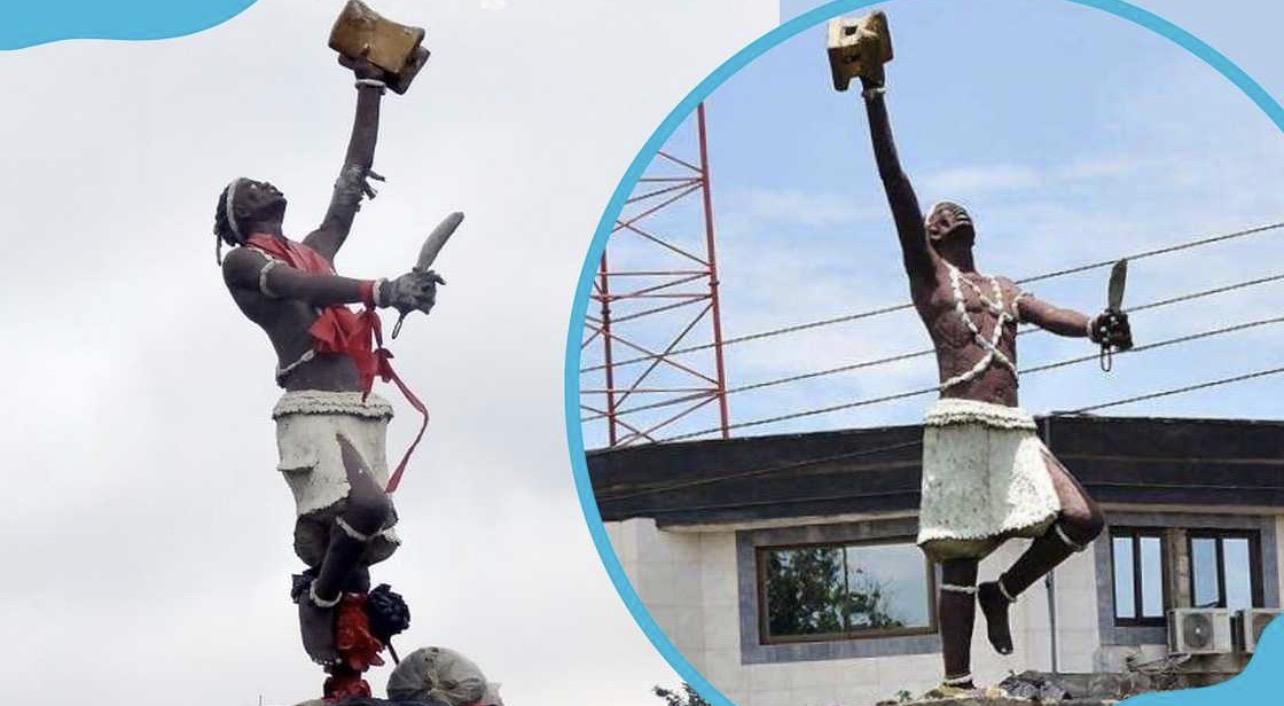
Osei Tutu Long before Ghana became the nation the world knows today, the forests of the Akan lands were alive with rival states, old loyalties, trade routes, fear, courage, and ambition. In that world, one name rose until it became larger than a man and almost as powerful as memory itself. That name was Osei Tutu. In Ashanti tradition, he is remembered as the ruler who brought...
Once a loud critic of Bola Tinubu, calling him a “drug dealer” and questioning the authenticity of his U.S. university records, Reno Omokri is now singing a different tune — suddenly backing the same man he once condemned. But that’s not all. Reno has now turned his attention to Peter Obi, ridiculing him with this statement: "Honestly, what is the difference between...

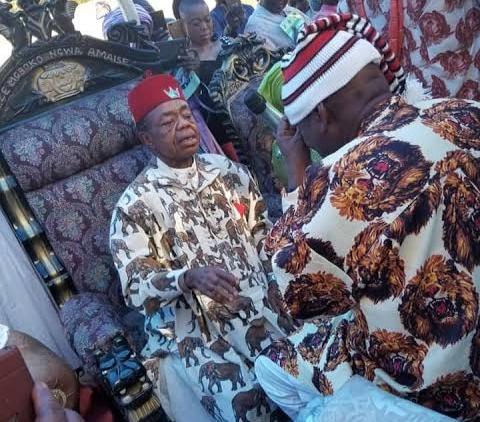
Eze Eberechi Dick In the creeks and riverbanks of Rivers State, where oil wealth and ancestral heritage meet in complex harmony, traditional authority still carries deep meaning. Chiefs gather in council. Drums speak in coded rhythm. Elders guard customs handed down for generations. Within this landscape rose a man whose journey traveled through engineering fields and corporate...
Ronke Oshodi Oke Ronke Oshodi Oke is a veteran Nigerian actress, musician, and politician widely known for her bold roles in Yoruba-language films. With her energetic personality and expressive acting style, she has remained a strong presence in Yoruba Nollywood for decades. Early Life and Background Ronke Oshodi Oke was born Ibironke Ojo-Anthony on July 17, 1974,...

Kiki Bakare is a Nigerian actor, film producer, entrepreneur, and master of ceremonies. He is well known for his roles in Yoruba Nollywood movies. Kiki Bakare is a 35-year-old Nigerian actor, born on May 14, 1990, in Lagos State. Known for his roles in Nollywood films like Swap and Eri Ife, he is also a model and producer. He is from Lagos State, Nigeria He studied Sociology,...