


 Environ
HUBERT ADEDEJI OGUNDE: Nigerian Actor, playwright and the father of Nigeria theater
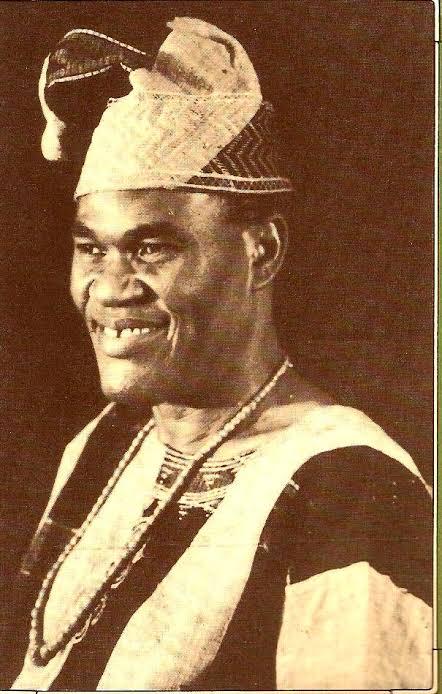
Hubert Adedeji Ogunde
The Father of Nigerian Theatre
Hubert Adedeji Ogunde was born on July 10, 1916, in Ososa, Ogun State, Nigeria. He would grow to become one of the most influential figures in Nigerian theatre history widely regarded as the father of modern Nigerian drama. Long before Nollywood became a global brand, Ogunde was already building the foundation of professional stage performance in Nigeria.
Early Life and Education
Ogunde was born into a modest family. His father was a Baptist minister, and his mother was a devout Christian. Growing up in a religious environment exposed him to church music and stage performances at an early age. These early experiences planted the seed of storytelling and performance in his heart.
He attended St. John’s School in Ososa and later went to a teacher training college. For some time, he worked as a school teacher and later as a police officer in the Nigerian Police Force. But his passion was not in uniformed service it was in storytelling.
The Birth of a Theatre Legend
In 1945, Ogunde made a bold decision that changed Nigerian entertainment forever. He left the police force to pursue theatre full-time a risky move at a time when drama was not seen as a viable profession.
That same year, he formed Ogunde Theatre Party, Nigeria’s first professional theatrical company. His early productions were largely religious, reflecting his Christian background. However, he soon expanded into social and political themes.
One of his earliest and most famous plays was “Strike and Hunger” (1945), which addressed workers’ struggles and colonial oppression. This marked the beginning of political theatre in Nigeria.
Theatre as Political Weapon
Ogunde was fearless. During British colonial rule, he used drama to criticize injustice, corruption, and oppression. His 1946 play “Tiger’s Empire” openly criticized colonial administration, leading to government scrutiny and temporary bans.
Later, in the 1960s and 1970s, he continued to address political issues, criticizing corruption in post-independence Nigeria. Some of his works were even banned by regional governments.
Through theatre, Ogunde became more than an entertainer he became a voice for the people.
Cultural Revival and Yoruba Identity
Hubert Ogunde played a major role in promoting Yoruba culture. He infused his plays with:
Traditional Yoruba music
Dance
Folklore
Costumes
Proverbs and storytelling techniques
His productions were colorful, dramatic, and deeply rooted in African tradition. He helped prove that African stories could stand proudly on professional stages without imitation of Western drama.
Transition to Film
As technology evolved, Ogunde transitioned from stage to film. In 1979, he produced one of Nigeria’s early indigenous films, “Aiye”, a story centered on mysticism and supernatural forces in Yoruba society. The film became highly successful and influenced the spiritual and traditional themes that later became common in Nollywood.
He followed up with other films like:
“Jaiyesimi”
“Ayanmo”
These films strengthened the foundation of the Yoruba movie industry.
Personal Life
Ogunde was known for discipline, strong leadership, and deep commitment to his troupe members. Interestingly, several of his wives were actresses in his theatre company — a practice common at the time within performance circles.
He trained many actors who later became legends in Nigerian theatre and film.
Awards and Recognition
Hubert Ogunde received national honors for his contribution to arts and culture. He was awarded the Order of the Federal Republic (OFR) by the Nigerian government.
Even after his death, he remains one of the most respected pioneers in African performing arts.
Death and Legacy
Hubert Ogunde passed away on April 4, 1990, at the age of 73.
But his legacy did not die with him. Today:
Modern Nigerian theatre traces its roots to his company.
Yoruba travelling theatre owes its structure to him.
Nollywood’s storytelling traditions reflect his influence.
Without Hubert Ogunde, Nigerian drama might not have evolved the way it did.
He was not just a playwright.
He was not just an actor.
He was not just a director.
He was a movement.
Why Hubert Ogunde Still Matters
Pioneer of professional theatre in Nigeria
Used drama as political activism
Promoted Yoruba cultural identity
Laid groundwork for Nollywood
Mentored future generations
Hubert Ogunde remains a symbol of courage, creativity, and cultural pride in Nigeria’s artistic history.

Catégories
Lire la suite
The newly signed ASUU-Federal Government deal has raised hopes of ending Nigeria’s chronic university strikes—but experts are already questioning whether the promises are financially feasible. The agreement covers salary increases, pensions, maternity leave, research funding, and legal reforms aimed at improving the academic environment. On paper, the deal looks transformative,...
The Sardauna Memorial Foundation has called for traditional institutions to be given a stronger role in governance, particularly in improving service delivery and enhancing grassroots security. The call was made during a courtesy visit to the Emir of Dutse, Alhaji Hamim Nuhu Sunusi. Dr. Babangida Aliyu, Chairman of the Foundation’s Board of Trustees, emphasized that tackling Northern...

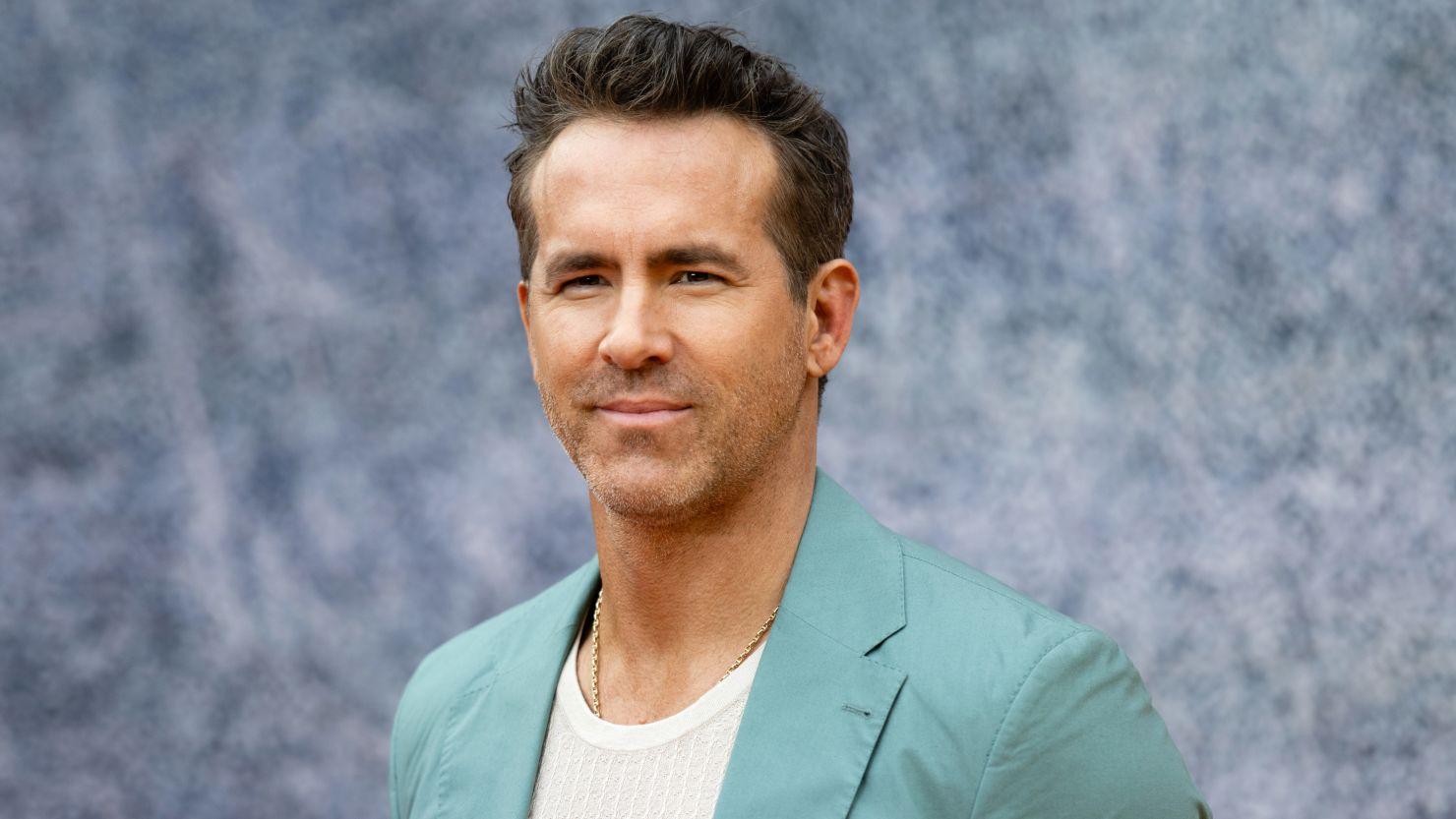
Ryan Reynolds Ryan Reynolds is a Canadian actor, producer, and entrepreneur known for his sharp humor, charismatic screen presence, and successful roles in both comedy and action films. He is especially famous for playing Deadpool in the Marvel film series. Ryan Rodney Reynolds was born on October 23, 1976, in Vancouver, British Columbia, Canada. Early Life and Background Ryan Reynolds...
Naeto C Naeto C, whose real name is Naetochukwu Chikwe, is a Nigerian rapper, record producer, and entrepreneur widely recognized for his smooth delivery and influential role in the evolution of Nigerian hip hop. Born on December 17, 1982, in Houston, Texas, United States, Naeto C hails from Owerri, Imo State, Nigeria. He is often referred to as “Super C,” a nickname...
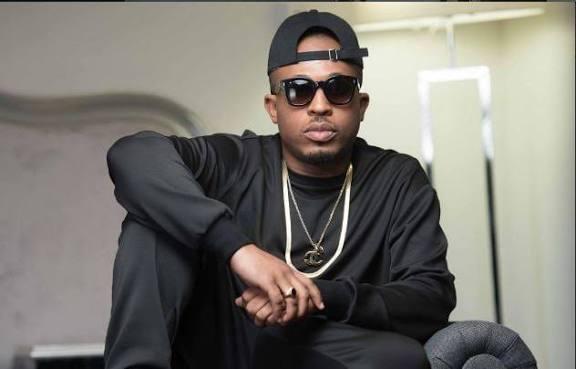
Okey Bakassi Okey Bakassi is a Nigerian comedian, actor, television host, and politician. He is one of the pioneers of modern Nigerian stand up comedy and has also appeared in several Nollywood films and television programs. Early Life and Background Okey Bakassi whose real name is Okechukwu Onyegbule was born on October 23, 1969, in Imo State, Nigeria. He grew up in a family that...

