О нас
О нас
Badagry (Lagos): The Coastal Town That Became a Gate to the World

Badagry sits by the water like a quiet witness. The breeze is gentle, the lagoon looks peaceful, and the town feels slow—until you remember that these same waters once carried some of the biggest movements of people, profit, faith, and pain along the West African coast.
Long before modern Lagos grew into a megacity, Badagry was already important because of its location. It functioned as both a lagoon port and an Atlantic port, connected by creeks and inland waterways that made movement and trade easier—and also offered protection for residents. Those waterways helped Badagry rise as a commercial center on the West African coast (roughly 1736–1851), attracting traders and turning the town into a busy coastal marketplace.
But commerce on that coast had a dark side.
During the trans-Atlantic slave trade, Badagry became a “middle point” where captives from the interior were brought toward the coast, linking inland traders with European traders offshore. Over time, certain routes became loaded with memory—especially the place now popularly remembered as the “Point of No Return,” associated with the final departure toward ships and the Atlantic.
Then the story shifted again—because Badagry was not only a place where people were taken, but also a place where new ideas entered.
In the 1840s, Badagry became one of the earliest landing points for English-speaking Christian missions in what would later be Nigeria. One widely cited moment is September 24, 1842, when Methodist missionary Thomas Birch Freeman arrived in Badagry. Mission work and early schools grew from that coastal foothold, and Badagry’s history began to include churches, classrooms, and the slow spread of new religious and educational institutions.
One of Badagry’s most talked-about physical reminders of that era is the First Storey Building in Nigeria—with construction linked to the 1840s missionary presence in the town (foundation commonly dated to 1842 and completion to 1845).
So when people call Badagry “historic,” it’s not just because it is old. It’s because the town holds layers—trade and tide, sorrow and survival, bondage and belief—etched into the same shoreline.

Категории
Больше
Brymo Brymo, whose real name is Ọlawale Ọlọfọrọ, is a Nigerian singer, songwriter, and composer known for his deep lyrical content, alternative sound, and fearless artistic expression. Born on May 9, 1986, in Okokomaiko, Lagos State, Nigeria, Brymo has built a reputation as one of the most unconventional and thought provoking artists in the Nigerian music industry. ...
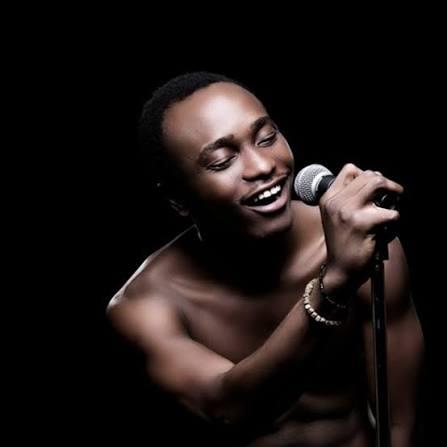
Niyi Akinmolayan Niyi Akinmolayan is a Nigerian filmmaker, director, producer, and entrepreneur known for his innovative storytelling and contributions to modern Nollywood. He is the founder of Anthill Studios, a production company recognized for high quality films and visual effects in Nigeria. Early Life and Background Niyi Akinmolayan was born and raised in Nigeria. He developed an...
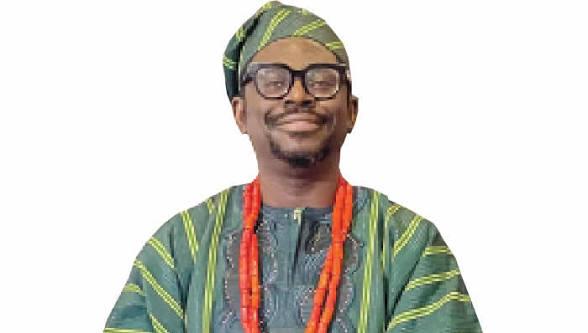
Haile Selassie Early Life and Background Haile Selassie was born on July 23, 1892, in Ethiopia. His birth name was Tafari Makonnen. He came from a royal family and was connected to the long line of Ethiopian rulers. From a young age, Tafari showed intelligence, calmness, and leadership. He was raised with strong discipline and deep respect for tradition. Ethiopia at the time was one...
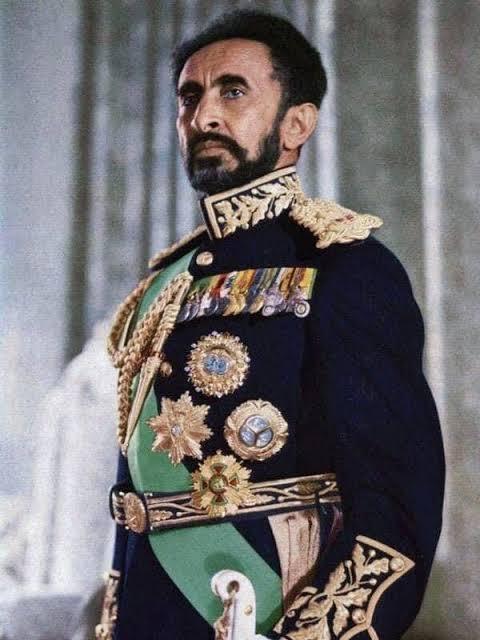
1. Set Up Your Account ✅ Use an account older than 30 days to avoid algorithm issues.✅ Make sure you’re in a supported country.#XTips #AccountSetup #SocialMediaGrowth 2. Subscribe to X Premium 💎 Go for Tier 2 ($7/month via web, billed annually).💎 Unlocks Creator Revenue Sharing + Subscriptions.#XPremium #Monetization #CreatorTools 3. Grow a Verified Follower Base 🎯 Target: 500+...

When I married Adaeze, people said I had won the lottery of life. She came from a wealthy family in Lagos, drove a shiny SUV, and lived in a house so big that my small rented room could fit inside her living room twice. I, on the other hand, was a struggling schoolteacher with more dreams than money. At first, love made everything easy. Adaeze said money did not matter to her, and I believed...