


 About
About
Haile Selassie The African King Who Became a Global Symbol of Freedom and Faith
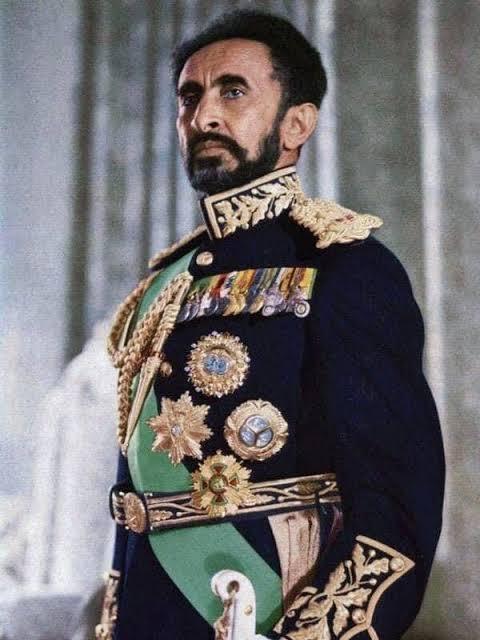
Haile Selassie
Early Life and Background
Haile Selassie was born on July 23, 1892, in Ethiopia. His birth name was Tafari Makonnen. He came from a royal family and was connected to the long line of Ethiopian rulers.
From a young age, Tafari showed intelligence, calmness, and leadership. He was raised with strong discipline and deep respect for tradition. Ethiopia at the time was one of the few African nations that remained independent during colonial expansion, and this shaped his identity.
He grew up learning about leadership, governance, and diplomacy. These early lessons prepared him for the powerful role he would later take.
Rise to Power
Tafari Makonnen slowly rose through the ranks of leadership. He became known for his wisdom and modern thinking. In 1930, he was crowned Emperor of Ethiopia and took the name Haile Selassie, meaning “Power of the Trinity.”
His coronation was grand and attracted attention from around the world. Many saw him as a symbol of African pride and royalty. At a time when most African nations were under colonial rule, his leadership stood out.
He began modernizing Ethiopia by improving education, government systems, and international relations.
The Italian Invasion and Exile
In 1935, Italy invaded Ethiopia under Benito Mussolini. The attack shocked the world. Ethiopia fought bravely, but the country was eventually occupied.
Haile Selassie refused to surrender completely. Instead, he went into exile and took his message to the world. In 1936, he gave a powerful speech at the League of Nations.
His words spoke against injustice and warned the world about the dangers of ignoring aggression. Though many nations failed to act quickly, his speech became one of the most powerful moments in global history.
He became a voice for oppressed people everywhere.
Return and Leadership
After years in exile, Haile Selassie returned to Ethiopia in 1941 with support from Allied forces. His return was seen as a victory for resilience and hope.
He continued his efforts to modernize Ethiopia. He worked on building schools, improving infrastructure, and strengthening the nation.
Haile Selassie also played a key role in African unity. He helped establish the Organization of African Unity, which aimed to bring African nations together.
Many African leaders looked up to him as a symbol of strength and independence.
Global Symbol and Influence
Haile Selassie became more than just a king. He became a global symbol. In Africa, he represented resistance against colonial rule. Around the world, he stood for dignity, courage, and leadership.
In Jamaica and other parts of the world, followers of the Rastafari movement saw him as a spiritual figure. To them, he was not just a leader, but a symbol of divine strength and African identity.
His influence crossed borders, cultures, and generations.
Controversies and Criticism
Despite his global respect, Haile Selassie also faced criticism. Some people believed that his leadership did not fully address poverty and inequality in Ethiopia.
There were also concerns about slow reforms and centralized power. In 1974, political unrest and economic challenges led to his removal from power.
These events showed that even great leaders face difficult moments and criticism.
Legacy
Haile Selassie passed away in 1975, but his legacy lives on. He is remembered as one of Africa’s most important historical figures.
He stood for independence when many nations were still colonized. He spoke for justice when many stayed silent. He united people across continents and inspired movements that still exist today.
His life story is one of power, struggle, faith, and global impact.
Haile Selassie was not just an emperor. He was a symbol of Africa’s voice to the world.

Categorías
Read More
Ntia I. Ntia Ntia I. Ntia is a Nigerian pastor and televangelist best known as the lead pastor of Full Life Christian Centre in Uyo, Akwa Ibom State. Full Life’s official site describes him as the presiding pastor of the church, alongside his wife Pastor Ukamaka Ntia, and says the ministry is focused on stirring people “into the fullness of God.” Early Life and Background...
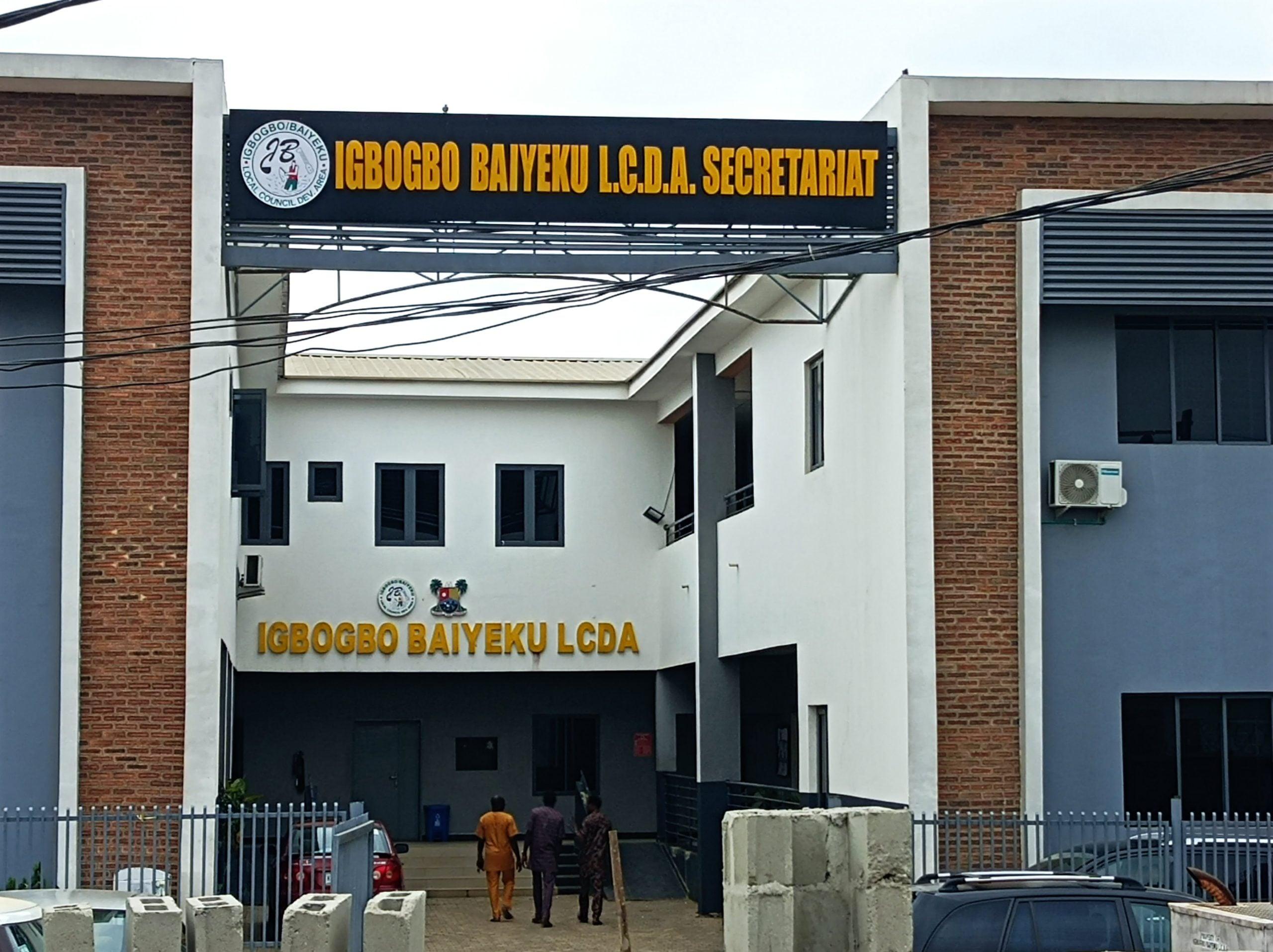
Igbogbo Bayeku Igbogbo Bayeku is a fast growing suburban community located in Ikorodu Local Government Area of Lagos State, Nigeria. It is one of the prominent towns in the Ikorodu axis and is known for its peaceful residential environment, cultural heritage, and increasing urban development. The area is made up of two closely connected communities — Igbogbo and Bayeku, which...
Chinweizu: Some writers seek applause. Others seek confrontation. The life of Chinweizu belongs firmly in the second category. He did not enter African literature quietly. He entered it like a storm. Sharp, unapologetic, intellectually fierce, Chinweizu became one of the most controversial and influential voices in postcolonial African thought. He was not merely a poet. He was a...

Samuel Oshoffa Introduction In the quiet rhythm of a simple life, a man once walked the forests as a carpenter and trader, unaware that destiny was preparing him for something far greater. That man was Samuel Oshoffa a humble Nigerian whose spiritual encounter would lead to the birth of one of Africa’s most recognized white garment churches, the Celestial Church of Christ. His...
Oluwatobiloba Daniel Anidugbe Kizz Daniel’s story feels like the kind of journey many Nigerian boys dream about, the type that starts quietly and then suddenly turns into something the whole country can’t ignore. He was born Oluwatobiloba Daniel Anidugbe on May 1, 1994, in Abeokuta, Ogun State. In Abeokuta, life teaches you confidence early. You learn to carry yourself well, to...

