Über
Über
The Three-Year Crown: When Queen Elizabeth II Was Nigeria’s Head of State
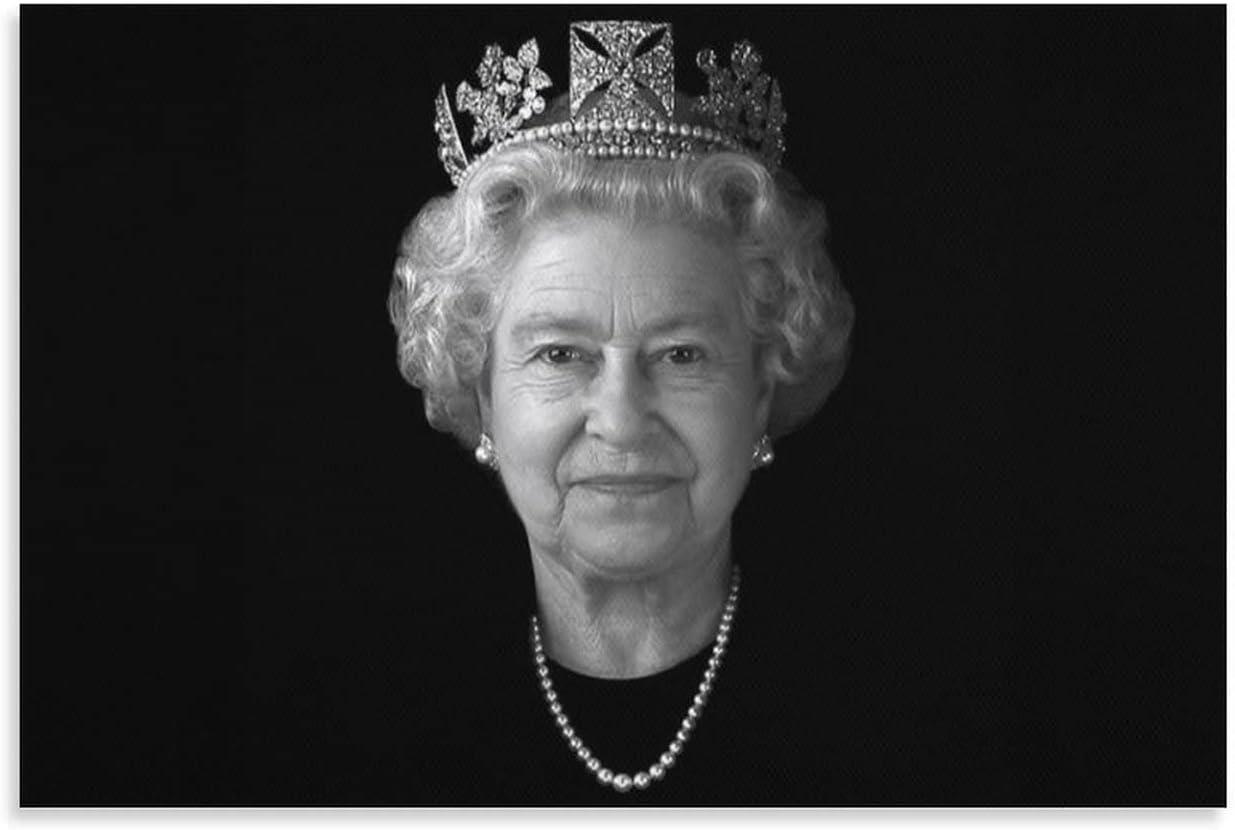
Queen Elizabeth II
On 1 October 1960, Nigeria woke up to a new name for itself: Independent Nation.
The flag was new. The anthem carried fresh pride. People celebrated in the streets, believing the long night of colonial rule had finally ended.
And it did end… but not all at once.
Because in that first chapter of independence, Nigeria still carried one last symbol from the old world—a crown.
A Queen Nigeria didn’t see, but Nigeria still had
Far away in London sat Queen Elizabeth II. And for a short while, Nigeria’s constitution placed her name at the very top, not as “Queen of Britain,” but as “Queen of Nigeria.”
It sounded strange: a newly independent country, yet its head of state was still a queen living thousands of miles away.
But Nigeria wasn’t being ruled daily from London. The real work of governing happened at home. The Queen’s role was mainly ceremonial—more like a signature at the top of the system, a final thread tying Nigeria to the British-style constitutional arrangement.
The Governor-General: the face of the Crown in Lagos
Since the Queen could not sit in Nigeria, she had a representative: the Governor-General.
This person acted as the Queen’s official presence in Nigeria—performing formal duties, receiving documents, and standing in for the “head of state” role on Nigerian soil.
At first, the job went to Sir James Robertson, a familiar figure from the colonial administration. But soon, something significant happened—Nigeria began to replace old symbols with Nigerian faces.
In November 1960, Dr. Nnamdi Azikiwe became Governor-General. That moment mattered: even though the crown still existed in the constitution, the person representing it was now a Nigerian nationalist, not a British official.
It was independence… but still a bridge.
1 October 1963: Nigeria removes the crown
For three years—from 1 October 1960 to 1 October 1963—Nigeria lived in this in-between identity: fully independent, yet still carrying a ceremonial monarchy at the top.
Then on 1 October 1963, Nigeria made a clear statement:
“We are not just independent. We are a republic.”
That day, the monarchy ended in Nigeria’s constitution. The title “Queen of Nigeria” disappeared from Nigeria’s government structure.
And Nnamdi Azikiwe, who had been Governor-General (the Queen’s representative), became Nigeria’s first President—now representing Nigeria itself, not the crown.
So those three years stand like a short, unusual chapter in Nigeria’s early story:
A nation born independent, still wearing a crown—until it finally chose to stand completely on its own.

Kategorien
Mehr lesen
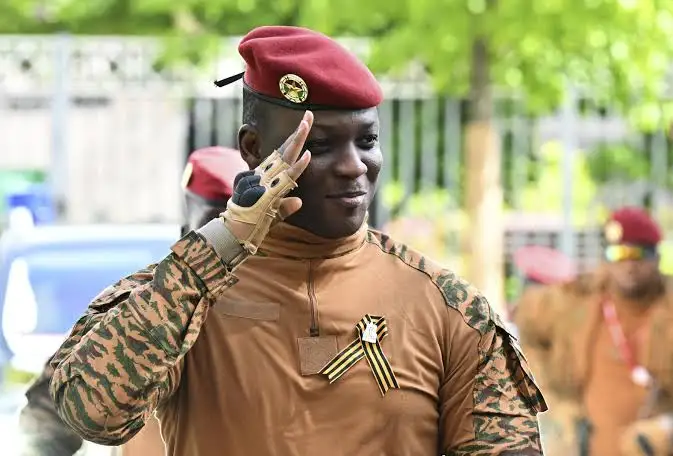
In Burkina Faso, there was a time when people spoke about their country with tired eyes. Not because they didn’t love it, but because it felt like the nation was being pulled in too many directions at once. Insecurity. Poverty. Anger. And that old, bitter feeling that the big decisions were always influenced by outsiders. Then a young captain stepped into the storm. His name was...
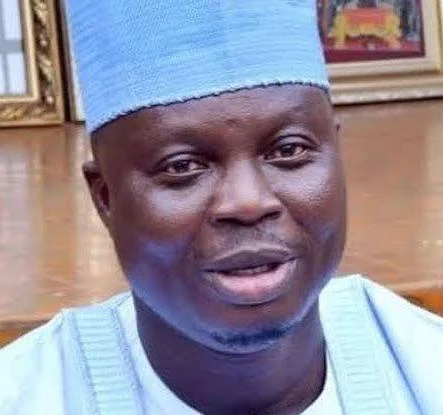
Bolaji Amusan Bolaji Amusan, popularly known as Mr Latin, is a Nigerian comic actor, filmmaker, producer, and industry leader recognized for his immense contribution to Yoruba-language films. With decades of experience in Nollywood, he is one of the most respected figures in the Yoruba movie industry Early Life and Background Bolaji Amusan was born on October 15, 1966, in...
The Federal Government has suspended plans to implement the proposed 15% import duty on petrol and diesel. The Nigerian Midstream and Downstream Petroleum Regulatory Authority (NMDPRA) announced the decision in a statement issued on Thursday by its Director of Public Affairs, George Ene-Ita, urging Nigerians to avoid panic buying. President Bola Tinubu had earlier, on October 29, approved the...
Sheikh Jamiu Bulala Early Life and Background Sheikh Jamiu Bulala was born in Nigeria into a humble Muslim family where faith and discipline were part of everyday life. From a young age, he showed a deep interest in religion. While other children played, Jamiu often stayed close to elders, listening to Quran recitations and Islamic discussions. His environment shaped him. He grew up...
U.S. President Donald Trump has announced that Indonesian goods will now face a 19% tariff under a newly finalized trade agreement, a significant reduction from the 32% rate he previously threatened. The announcement came via Trump’s Truth Social platform on Tuesday. According to the president, the deal includes major purchase commitments from Indonesia: $15 billion in U.S. energy, $4.5...