About
About
NELSON MANDELA (An Activist and former president of South Africa)

Nelson Mandela
Nelson Rolihlahla Mandela was born on July 18, 1918, in the small village of Mvezo in the Eastern Cape of South Africa.
He was born into the Thembu royal family, and his father was a local chief.
At birth, he was given the name Rolihlahla, meaning “troublemaker.” His English name, Nelson, was given to him by a teacher at school. From a young age, Mandela was taught the values of leadership, courage, and service to his people.
Mandela studied law at the University of Fort Hare and later at the University of the Witwatersrand.
During his university years, he became aware of the deep racial discrimination faced by Black South Africans under the system of apartheid a policy of racial segregation enforced by the white minority government.
In 1944, he joined the African National Congress (ANC), a political party that fought against apartheid.
He helped form the ANC Youth League, which pushed for more active resistance against unjust laws.
As apartheid laws became harsher, Mandela and other activists organized protests, strikes, and campaigns of civil disobedience.
Initially committed to nonviolent resistance, Mandela later supported armed struggle after peaceful protests were met with violence. In 1962, he was arrested and charged with sabotage and other offenses. During the famous Rivonia Trial, Mandela delivered a powerful speech declaring that he was prepared to die for the ideal of a democratic and free society. In 1964, he was sentenced to life imprisonment.
Mandela spent 27 years in prison, most of them on Robben Island. Despite harsh conditions, he remained strong and became a symbol of hope and resistance around the world. International pressure and internal unrest eventually led to his release on February 11, 1990.
After his release, Mandela worked with then President F.W. de Klerk to negotiate an end to apartheid.
In 1994, South Africa held its first fully democratic elections, and Nelson Mandela was elected as the country’s first Black president. His presidency focused on reconciliation, unity, and rebuilding a nation divided by decades of racial injustice. Instead of seeking revenge, he promoted forgiveness and peace, helping prevent civil war.
In 1993, Mandela and de Klerk jointly received the Nobel Peace Prize for their efforts to end apartheid peacefully. Mandela served one term as president from 1994 to 1999 and chose not to run again, setting an example of democratic leadership.
Nelson Mandela passed away on December 5, 2013, but his legacy continues to inspire people around the world. He is remembered as a global icon of peace, freedom, equality, and human dignity. His life remains a powerful reminder that courage, resilience, and forgiveness can change a nation and the world.


Categorii
Citeste mai mult
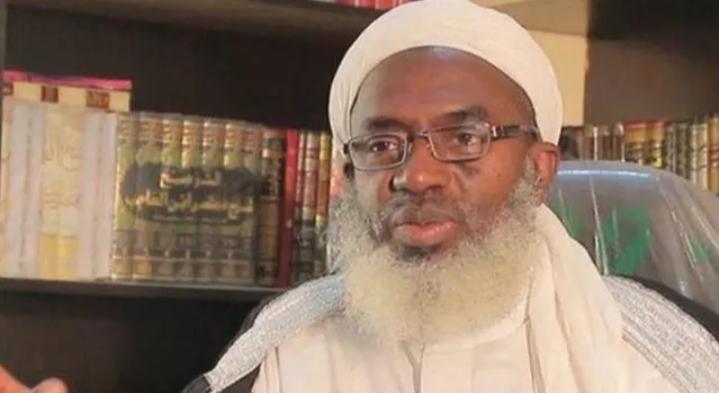
Sheikh Ahmad Gumi: The Scholar, the Soldier’s Son, and the Voice in Nigeria’s Storm Ahmad Gumi In Nigeria’s complex religious and political landscape, few voices provoke as much reaction as that of Sheikh Ahmad Abubakar Mahmud Gumi. To some, he is a courageous Islamic scholar who speaks uncomfortable truths. To others, he is controversial, blunt, and politically entangled....
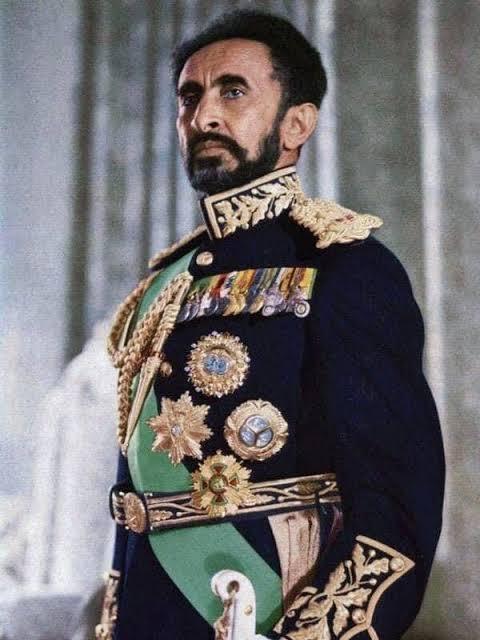
Haile Selassie Early Life and Background Haile Selassie was born on July 23, 1892, in Ethiopia. His birth name was Tafari Makonnen. He came from a royal family and was connected to the long line of Ethiopian rulers. From a young age, Tafari showed intelligence, calmness, and leadership. He was raised with strong discipline and deep respect for tradition. Ethiopia at the time was one...
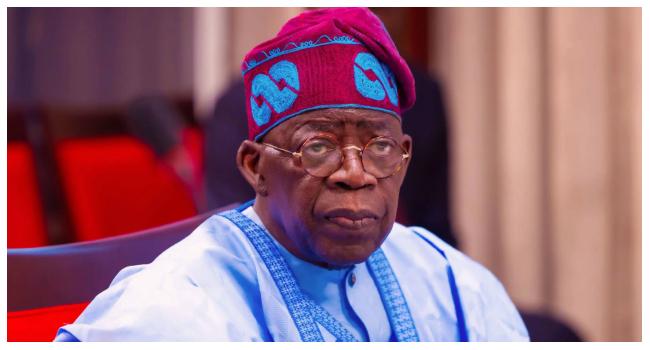
President Bola Tinubu has granted a full presidential pardon to the late Ken Saro-Wiwa and eight other members of the Ogoni Nine, nearly three decades after their execution by the Abacha regime in 1995. The pardon, announced during Tinubu’s address to a joint session of the National Assembly on Democracy Day, was granted under the president’s constitutional powers of Prerogative of...
Blessing Nkiruka Okoro Blessing CEO is a Nigerian relationship expert, social media personality, and entrepreneur known for her bold opinions on marriage, dating, and modern relationships. She gained widespread attention through viral videos and controversial statements that frequently trend across Nigerian social media. Blessing CEO’s full name is Blessing Nkiruka Okoro. She...

Chapter Three: What I Gained by Losing Them Healing wasn’t quick. Some days I woke up angry. Other days numb. Sometimes I missed the version of myself who trusted easily. But slowly, clarity came. I realized something painful but freeing: Lola didn’t steal my man. She exposed him. A man who could betray me weeks before our wedding would have betrayed me after. A friend who...