• Glow Skin & Dental Clinic provides advanced Gum Treatment in Kathmandu, Nepal, addressing issues like gum disease, bleeding, and inflammation with expert care. Our skilled dentists use modern techniques and personalized treatment plans to restore healthy gums and prevent further complications. We ensure a comfortable, hygienic, and patient-focused environment that delivers effective results. We are a trusted choice for maintaining optimal oral health and achieving strong, healthy gums.
    Visit Us:- https://glowskindentalclinic.com.np/gum-treatment-in-kathmandu-nepal.php
    Glow Skin & Dental Clinic provides advanced Gum Treatment in Kathmandu, Nepal, addressing issues like gum disease, bleeding, and inflammation with expert care. Our skilled dentists use modern techniques and personalized treatment plans to restore healthy gums and prevent further complications. We ensure a comfortable, hygienic, and patient-focused environment that delivers effective results. We are a trusted choice for maintaining optimal oral health and achieving strong, healthy gums. Visit Us:- https://glowskindentalclinic.com.np/gum-treatment-in-kathmandu-nepal.php
    0 Comments ·0 Shares ·2K Views
  • We Clean Lagos, But They Treat Us Like Trash” — LAWMA Sweepers Lament

    Sweepers under the Lagos State Waste Management Authority (LAWMA) have cried out over alleged poor treatment and harsh working conditions. The workers said despite their critical role in keeping Lagos clean, they face irregular payments, lack of welfare support, and little respect. According to them, the situation has left many struggling to survive, even as they continue to work daily to maintain environmental hygiene across the state.
    We Clean Lagos, But They Treat Us Like Trash” — LAWMA Sweepers Lament Sweepers under the Lagos State Waste Management Authority (LAWMA) have cried out over alleged poor treatment and harsh working conditions. The workers said despite their critical role in keeping Lagos clean, they face irregular payments, lack of welfare support, and little respect. According to them, the situation has left many struggling to survive, even as they continue to work daily to maintain environmental hygiene across the state.
    love
    2
    · 0 Comments ·0 Shares ·1K Views
  • Glow Skin & Dental Clinic is regarded as the Best Dental Clinic in Kathmandu, offering complete oral care with advanced treatments and personalized attention. We provide services such as dental check-ups, cosmetic dentistry, and restorative procedures using modern technology. With experienced dentists, hygienic practices, and a patient-friendly environment, we ensure comfortable treatment and long-lasting dental health for individuals and families.
    Visit Us:- https://glowskindentalclinic.com.np/dental-clinic-in-kathmandu-nepal.php
    Glow Skin & Dental Clinic is regarded as the Best Dental Clinic in Kathmandu, offering complete oral care with advanced treatments and personalized attention. We provide services such as dental check-ups, cosmetic dentistry, and restorative procedures using modern technology. With experienced dentists, hygienic practices, and a patient-friendly environment, we ensure comfortable treatment and long-lasting dental health for individuals and families. Visit Us:- https://glowskindentalclinic.com.np/dental-clinic-in-kathmandu-nepal.php
    0 Comments ·0 Shares ·2K Views
  • Makoko in Tears: Thousands Homeless After Lagos Government Demolishes Waterfront Homes

    Residents of Makoko, one of Lagos’ oldest fishing communities, are struggling to survive after the Lagos State government demolished parts of the densely populated waterfront settlement, leaving thousands without shelter and livelihoods.

    In late December, bulldozers moved into sections of Makoko, pulling down wooden homes and small shops built on stilts above the lagoon. The state government said the action was taken for safety and urban planning reasons, citing environmental risks and the proximity of some structures to high-voltage power lines.

    However, displaced residents tell a different story. Many say they received little or no prior notice before their homes were destroyed, leaving families stranded, children displaced, and breadwinners without means of survival.

    Beyond policies and plans, Makoko is home to real people whose lives have been shattered overnight. As the dust settles, residents are calling for compassion, dialogue, and urgent support to help them heal, rebuild, and regain dignity.

    #Makoko #Lagos #HousingCrisis #Humanity
    Makoko in Tears: Thousands Homeless After Lagos Government Demolishes Waterfront Homes Residents of Makoko, one of Lagos’ oldest fishing communities, are struggling to survive after the Lagos State government demolished parts of the densely populated waterfront settlement, leaving thousands without shelter and livelihoods. In late December, bulldozers moved into sections of Makoko, pulling down wooden homes and small shops built on stilts above the lagoon. The state government said the action was taken for safety and urban planning reasons, citing environmental risks and the proximity of some structures to high-voltage power lines. However, displaced residents tell a different story. Many say they received little or no prior notice before their homes were destroyed, leaving families stranded, children displaced, and breadwinners without means of survival. Beyond policies and plans, Makoko is home to real people whose lives have been shattered overnight. As the dust settles, residents are calling for compassion, dialogue, and urgent support to help them heal, rebuild, and regain dignity. #Makoko #Lagos #HousingCrisis #Humanity
    0 Comments ·0 Shares ·2K Views
  • The CBN has finally shut the window to a particular loan it has been offering to Nigerian banks for years.

    The Central Bank of Nigeria (CBN) has officially closed a long-running loan window it had made available to commercial banks for several years. The facility, which provided short-term liquidity support to financial institutions, was withdrawn as part of the apex bank’s broader reforms to tighten monetary policy and strengthen financial discipline. Analysts say the move signals the CBN’s intent to curb excess liquidity, encourage banks to rely more on market-based funding, and stabilize the financial system amid ongoing economic adjustments. Banks are now expected to adapt to the new funding environment.
    #fintternews
    The CBN has finally shut the window to a particular loan it has been offering to Nigerian banks for years. The Central Bank of Nigeria (CBN) has officially closed a long-running loan window it had made available to commercial banks for several years. The facility, which provided short-term liquidity support to financial institutions, was withdrawn as part of the apex bank’s broader reforms to tighten monetary policy and strengthen financial discipline. Analysts say the move signals the CBN’s intent to curb excess liquidity, encourage banks to rely more on market-based funding, and stabilize the financial system amid ongoing economic adjustments. Banks are now expected to adapt to the new funding environment. #fintternews
    love
    1
    · 0 Comments ·0 Shares ·1K Views
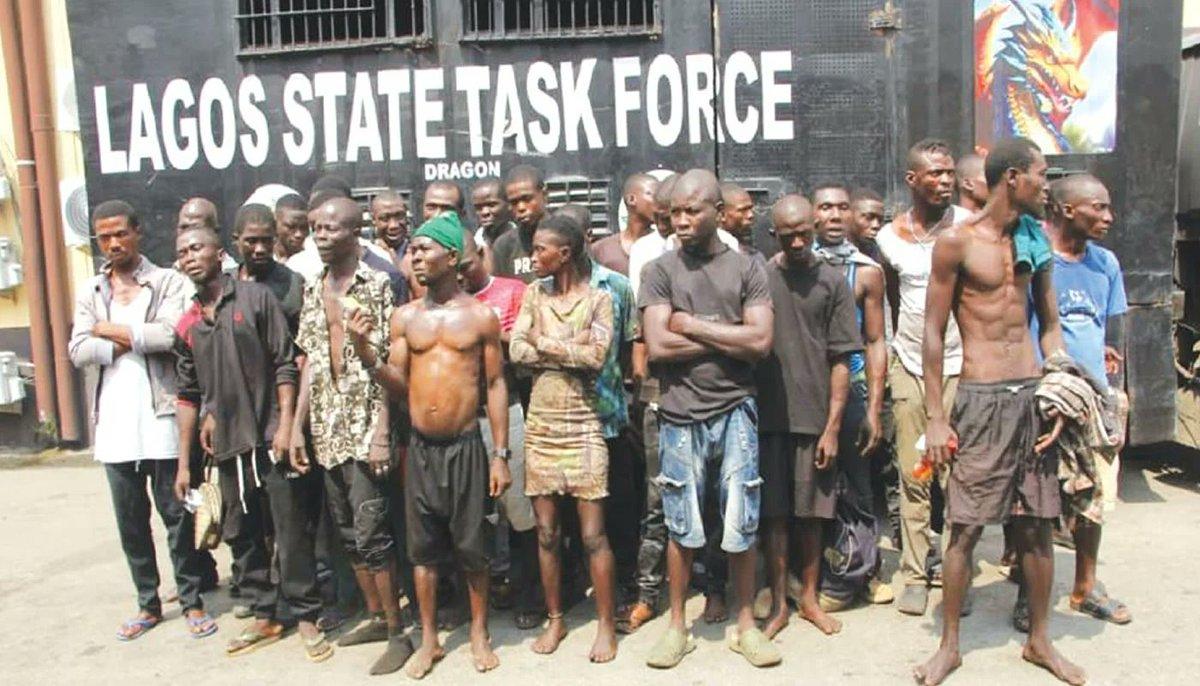
  • 262 arrested as Lagos state govt raid major roads of street urchins aka Omotaku who extort residents of the state…
    The Lagos State Government has arrested 281 suspected street urchins and criminal elements, popularly known as Omotaku, during a week-long operation across major roads in the state. Commissioner for Environment and Water Resources, Tokunbo Wahab, disclosed this on January 17 via his X handle. The raids covered areas including Lekki Phase 1, Ikoyi, Victoria Island, Ajah, Surulere, Yaba, Ojuelegba, Egbeda, Lagos Island and other hotspots on the Island and Mainland. Wahab said the suspects, accused of terrorising motorists and extorting money, have all been arraigned in court.
    #fintternews
    262 arrested as Lagos state govt raid major roads of street urchins aka Omotaku who extort residents of the state… The Lagos State Government has arrested 281 suspected street urchins and criminal elements, popularly known as Omotaku, during a week-long operation across major roads in the state. Commissioner for Environment and Water Resources, Tokunbo Wahab, disclosed this on January 17 via his X handle. The raids covered areas including Lekki Phase 1, Ikoyi, Victoria Island, Ajah, Surulere, Yaba, Ojuelegba, Egbeda, Lagos Island and other hotspots on the Island and Mainland. Wahab said the suspects, accused of terrorising motorists and extorting money, have all been arraigned in court. #fintternews
    love
    1
    · 0 Comments ·0 Shares ·931 Views ·16 Plays
  • The Lagos State Government has arrested 281 suspected street urchins……..

    popularly known as Omotaku, for allegedly terrorising motorists and extorting residents across major roads in the state. The arrests followed a week-long operation carried out by the Lagos State Taskforce in areas including Lekki, Ikoyi, Victoria Island, Yaba, Surulere, Egbeda, Lagos Island, and other parts of the mainland and island. Commissioner for Environment and Water Resources, Tokunbo Wahab, disclosed the development on Friday, January 17, via his X handle. He confirmed that all the suspects have since been arraigned in court.#Fintter
    The Lagos State Government has arrested 281 suspected street urchins…….. popularly known as Omotaku, for allegedly terrorising motorists and extorting residents across major roads in the state. The arrests followed a week-long operation carried out by the Lagos State Taskforce in areas including Lekki, Ikoyi, Victoria Island, Yaba, Surulere, Egbeda, Lagos Island, and other parts of the mainland and island. Commissioner for Environment and Water Resources, Tokunbo Wahab, disclosed the development on Friday, January 17, via his X handle. He confirmed that all the suspects have since been arraigned in court.#Fintter
    love
    1
    · 0 Comments ·0 Shares ·837 Views
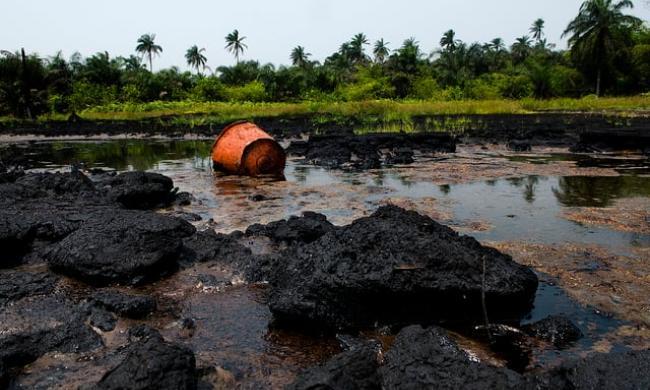
  • Ogoni Fisherfolk Raise Fresh Alarm Over Oil Pollution Despite Clean-Up Efforts
    Residents of fishing communities in Ogoniland, Rivers State, say oil contamination is still affecting their rivers and seafood despite ongoing remediation work by the Hydrocarbon Pollution Remediation Project (HYPREP).

    Fisherfolk from Gbee, K-Dere and Nweemuu raised the concerns during a multi-stakeholders’ dialogue held in Kpor, the headquarters of Gokana Local Government Area, calling for more effective action to restore their waterways and livelihoods.#Ogoni #RiversState #OilPollution #HYPREP #EnvironmentalJustice #Ogoniland #CleanUp
    Ogoni Fisherfolk Raise Fresh Alarm Over Oil Pollution Despite Clean-Up Efforts Residents of fishing communities in Ogoniland, Rivers State, say oil contamination is still affecting their rivers and seafood despite ongoing remediation work by the Hydrocarbon Pollution Remediation Project (HYPREP). Fisherfolk from Gbee, K-Dere and Nweemuu raised the concerns during a multi-stakeholders’ dialogue held in Kpor, the headquarters of Gokana Local Government Area, calling for more effective action to restore their waterways and livelihoods.#Ogoni #RiversState #OilPollution #HYPREP #EnvironmentalJustice #Ogoniland #CleanUp
    love
    1
    · 0 Comments ·0 Shares ·1K Views
  • Anambra Begins Crackdown on Buildings Over Waste, Drainage Violations

    The Anambra State Government has announced full enforcement of environmental laws, warning that public and private buildings without functional drainage, catchment pits or stormwater control systems will be sanctioned. In a notice issued by Information Commissioner, Dr. Law Mefor, the government said indiscriminate dumping of refuse on roads, drainages and public spaces will attract arrest, prosecution and fines. Individuals face penalties of ₦20,000 to ₦1 million, while corporate organisations risk ₦100,000 to ₦5 million. The state urged residents and businesses to comply, saying the move aims to prevent flooding, promote cleanliness and protect public health.

    #Anambra #EnvironmentalLaw #FloodPrevention
    Anambra Begins Crackdown on Buildings Over Waste, Drainage Violations The Anambra State Government has announced full enforcement of environmental laws, warning that public and private buildings without functional drainage, catchment pits or stormwater control systems will be sanctioned. In a notice issued by Information Commissioner, Dr. Law Mefor, the government said indiscriminate dumping of refuse on roads, drainages and public spaces will attract arrest, prosecution and fines. Individuals face penalties of ₦20,000 to ₦1 million, while corporate organisations risk ₦100,000 to ₦5 million. The state urged residents and businesses to comply, saying the move aims to prevent flooding, promote cleanliness and protect public health. #Anambra #EnvironmentalLaw #FloodPrevention
    0 Comments ·0 Shares ·1K Views

  • Enugu Doctor Killed After Kidnapping and Shooting, Raising Alarm Over Medical Professionals’ Safety

    Dr. Andrew Orovwigho, a consultant neuro-psychiatrist at the Federal Neuro-Psychiatric Hospital, Enugu, has died following a harrowing sequence of attacks, highlighting growing security risks for medical professionals in Nigeria.

    According to reports, Dr. Orovwigho was first abducted on December 30, 2025, outside his residence and shot during the kidnapping. He was released by his captors on January 1, 2026, but tragically, he was attacked again shortly afterward. The assailants allegedly shot him a second time and abandoned him by the roadside.

    A passerby rushed him to a nearby hospital, where he succumbed to his injuries on January 2, 2026. Colleagues described Dr. Orovwigho as a dedicated mental health specialist committed to the care of vulnerable patients. His death has sent shockwaves through the medical community in Enugu and nationwide.

    Dr. Sunny Ken Okafor, Chairman of the Nigerian Medical Association, Enugu State chapter, confirmed the incident and said an emergency meeting of doctors had been scheduled to address the escalating threats to healthcare professionals. Many in the medical community have expressed concern that doctors and nurses are increasingly becoming targets of violent attacks, making their work environment highly dangerous.

    Tributes have poured in from colleagues, patients, and professional organizations, mourning what they describe as a devastating and preventable loss in the fight against mental health challenges in Nigeria.


    #NigeriaNews #DoctorsUnderThreat #EnuguTragedy”


    Enugu Doctor Killed After Kidnapping and Shooting, Raising Alarm Over Medical Professionals’ Safety Dr. Andrew Orovwigho, a consultant neuro-psychiatrist at the Federal Neuro-Psychiatric Hospital, Enugu, has died following a harrowing sequence of attacks, highlighting growing security risks for medical professionals in Nigeria. According to reports, Dr. Orovwigho was first abducted on December 30, 2025, outside his residence and shot during the kidnapping. He was released by his captors on January 1, 2026, but tragically, he was attacked again shortly afterward. The assailants allegedly shot him a second time and abandoned him by the roadside. A passerby rushed him to a nearby hospital, where he succumbed to his injuries on January 2, 2026. Colleagues described Dr. Orovwigho as a dedicated mental health specialist committed to the care of vulnerable patients. His death has sent shockwaves through the medical community in Enugu and nationwide. Dr. Sunny Ken Okafor, Chairman of the Nigerian Medical Association, Enugu State chapter, confirmed the incident and said an emergency meeting of doctors had been scheduled to address the escalating threats to healthcare professionals. Many in the medical community have expressed concern that doctors and nurses are increasingly becoming targets of violent attacks, making their work environment highly dangerous. Tributes have poured in from colleagues, patients, and professional organizations, mourning what they describe as a devastating and preventable loss in the fight against mental health challenges in Nigeria. #NigeriaNews #DoctorsUnderThreat #EnuguTragedy”
    0 Comments ·0 Shares ·2K Views
  • Is Abuja Safe Anymore? NBA Raises Alarm Over Return of ‘One-Chance’ Killings After Murder of Nurse and Lawyer

    The Nigerian Bar Association (NBA) has raised a grave alarm over what it described as the disturbing return of “one-chance” criminal operations in Abuja following the brutal killing of two professionals in separate incidents across the Federal Capital Territory (FCT). In a statement signed by its President, Mazi Afam Osigwe, SAN, the association warned that insecurity is once again tightening its grip on Nigeria’s seat of power.

    According to the NBA, the victims were Ms. Chinemerem Pascalina Chuwumeziem, a nurse, and Princess Chigbo Mediatrix, a lawyer and former Treasurer of the NBA Abuja Branch. Both women were allegedly murdered after falling prey to criminals posing as commercial transport operators—an infamous tactic known locally as “one-chance.” Their bodies were later discovered in different parts of the city, sparking widespread fear among residents.

    The association described the killings as a chilling reminder of the growing vulnerability of Abuja residents, stressing that the victims were not faceless individuals but professionals who simply intended to return home safely from their daily engagements. The NBA said the incidents had plunged the capital into grief and exposed a dangerous deterioration in public safety.

    Condemning the attacks in the strongest terms, the NBA warned that the pattern of “one-chance” crimes could no longer be ignored. It stated that criminal gangs masquerading as transport operators have turned routine commuting into a life-threatening gamble, making ordinary citizens, workers, and professionals targets on the city’s roads.

    Osigwe described the killing of Princess Chigbo Mediatrix as particularly painful for the legal community, noting that she was a committed member of the Bar whom he knew personally. He said her death was not only a professional loss but a deeply personal blow, underscoring that lawyers—like all Nigerians—remain dangerously exposed in an environment where criminals operate with impunity.

    The NBA warned that the murders represent more than individual tragedies, arguing that they signal a broader erosion of security in the FCT. It stressed that when citizens cannot commute safely, when professionals are attacked in plain sight, and when criminal networks act unchecked in the nation’s capital, the foundations of social order are severely threatened.

    Calling for urgent action, the association urged the Minister of the Federal Capital Territory, the Nigeria Police Force, and other security agencies to treat the situation as a full-scale security emergency. It demanded immediate, visible, and coordinated measures to dismantle “one-chance” syndicates, including intensified intelligence gathering, surveillance, policing of transport corridors, and targeted operations against known criminal networks.

    The NBA also insisted on thorough, transparent, and time-bound investigations into the killings, warning that failure to deliver justice would deepen public fear and embolden criminal elements. It emphasized that justice must not only be promised but must be seen to be done, with perpetrators, collaborators, and enablers identified, arrested, and prosecuted.

    Reaffirming the state’s duty to protect lives, the association said citizens should not have to choose between earning a living and staying alive. It warned that Abuja must not become a hunting ground where criminals prey on the vulnerable while law enforcement appears distant or reactive.

    The NBA extended condolences to the families of the victims, the healthcare community, the NBA Abuja Branch, and residents of the FCT. The killings have reignited public debate over safety in Nigeria’s capital, raising urgent questions about urban security, policing, public transport safety, and government accountability in protecting citizens from organized street crime.

    Is Abuja Safe Anymore? NBA Raises Alarm Over Return of ‘One-Chance’ Killings After Murder of Nurse and Lawyer The Nigerian Bar Association (NBA) has raised a grave alarm over what it described as the disturbing return of “one-chance” criminal operations in Abuja following the brutal killing of two professionals in separate incidents across the Federal Capital Territory (FCT). In a statement signed by its President, Mazi Afam Osigwe, SAN, the association warned that insecurity is once again tightening its grip on Nigeria’s seat of power. According to the NBA, the victims were Ms. Chinemerem Pascalina Chuwumeziem, a nurse, and Princess Chigbo Mediatrix, a lawyer and former Treasurer of the NBA Abuja Branch. Both women were allegedly murdered after falling prey to criminals posing as commercial transport operators—an infamous tactic known locally as “one-chance.” Their bodies were later discovered in different parts of the city, sparking widespread fear among residents. The association described the killings as a chilling reminder of the growing vulnerability of Abuja residents, stressing that the victims were not faceless individuals but professionals who simply intended to return home safely from their daily engagements. The NBA said the incidents had plunged the capital into grief and exposed a dangerous deterioration in public safety. Condemning the attacks in the strongest terms, the NBA warned that the pattern of “one-chance” crimes could no longer be ignored. It stated that criminal gangs masquerading as transport operators have turned routine commuting into a life-threatening gamble, making ordinary citizens, workers, and professionals targets on the city’s roads. Osigwe described the killing of Princess Chigbo Mediatrix as particularly painful for the legal community, noting that she was a committed member of the Bar whom he knew personally. He said her death was not only a professional loss but a deeply personal blow, underscoring that lawyers—like all Nigerians—remain dangerously exposed in an environment where criminals operate with impunity. The NBA warned that the murders represent more than individual tragedies, arguing that they signal a broader erosion of security in the FCT. It stressed that when citizens cannot commute safely, when professionals are attacked in plain sight, and when criminal networks act unchecked in the nation’s capital, the foundations of social order are severely threatened. Calling for urgent action, the association urged the Minister of the Federal Capital Territory, the Nigeria Police Force, and other security agencies to treat the situation as a full-scale security emergency. It demanded immediate, visible, and coordinated measures to dismantle “one-chance” syndicates, including intensified intelligence gathering, surveillance, policing of transport corridors, and targeted operations against known criminal networks. The NBA also insisted on thorough, transparent, and time-bound investigations into the killings, warning that failure to deliver justice would deepen public fear and embolden criminal elements. It emphasized that justice must not only be promised but must be seen to be done, with perpetrators, collaborators, and enablers identified, arrested, and prosecuted. Reaffirming the state’s duty to protect lives, the association said citizens should not have to choose between earning a living and staying alive. It warned that Abuja must not become a hunting ground where criminals prey on the vulnerable while law enforcement appears distant or reactive. The NBA extended condolences to the families of the victims, the healthcare community, the NBA Abuja Branch, and residents of the FCT. The killings have reignited public debate over safety in Nigeria’s capital, raising urgent questions about urban security, policing, public transport safety, and government accountability in protecting citizens from organized street crime.
    0 Comments ·0 Shares ·2K Views
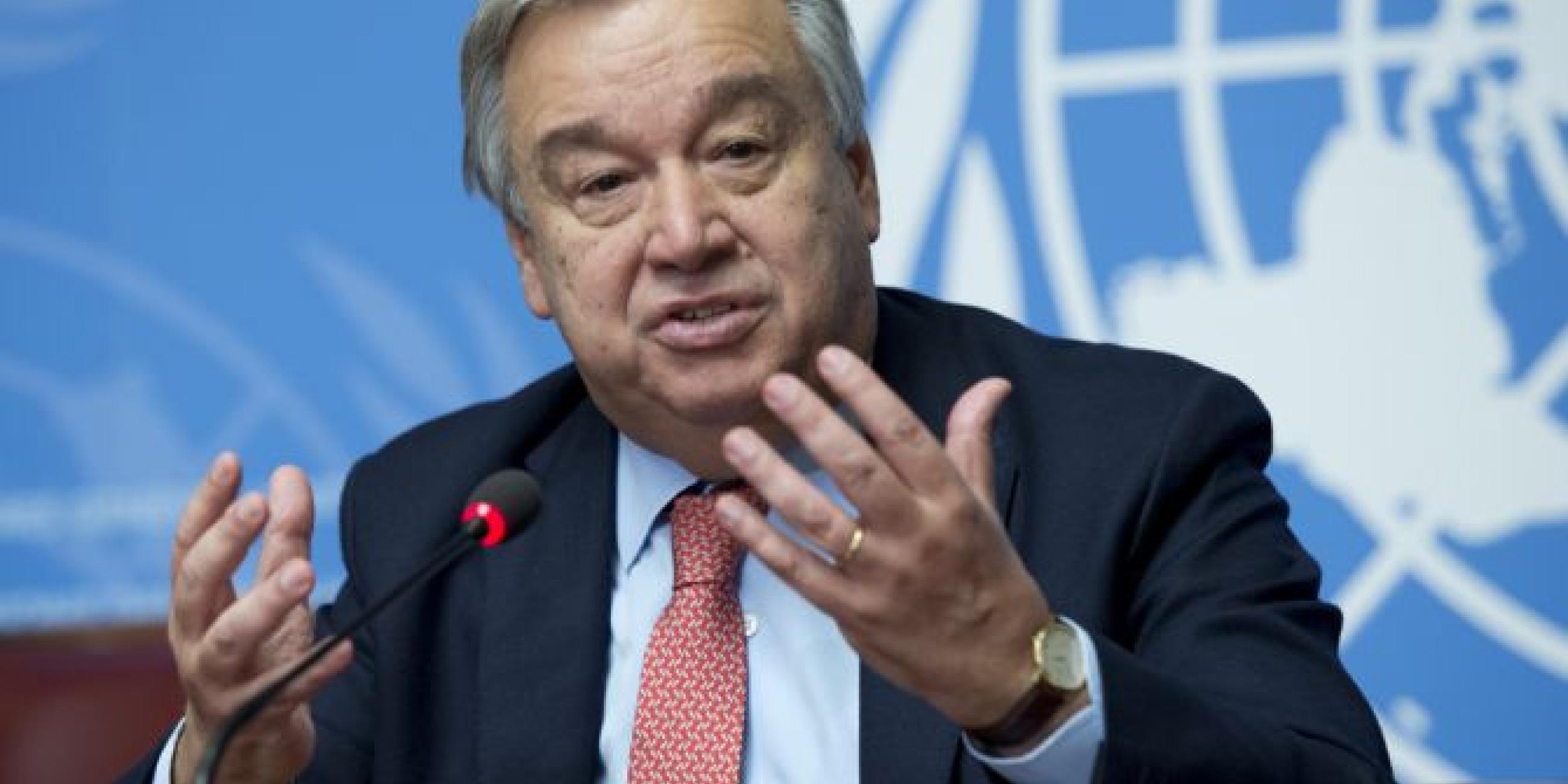
  • Is the U.S. Turning Its Back on the United Nations? Why UN Chief Guterres Regrets Trump’s Withdrawal From Dozens of Global Bodies and What It Means for World Governance

    United Nations Secretary-General Antonio Guterres has expressed strong regret over the United States’ decision to withdraw from multiple international organisations, warning that financial obligations to the UN remain legally binding under international law. The reaction follows a sweeping policy directive signed by U.S. President Donald Trump, ordering American withdrawal from 66 international bodies, including 31 United Nations entities and 35 non-UN organisations.

    In a statement delivered by UN Spokesman Stéphane Dujarric, the Secretary-General described the decision as “regrettable” and stressed that assessed contributions to the UN’s regular and peacekeeping budgets are mandatory under the UN Charter for all member states, including the United States. “Assessed contributions… are a legal obligation under the UN Charter,” Dujarric said, adding that all UN agencies would continue implementing their mandates despite political or financial challenges.

    While the UN statement did not specify which bodies would be affected or the immediate financial consequences, officials have long warned that funding shortfalls could undermine peacekeeping operations, humanitarian assistance, development programmes, and human-rights initiatives worldwide.

    The development stems from a Presidential Memorandum issued by Trump, declaring that continued U.S. participation in the listed organisations no longer serves American interests. The directive follows a comprehensive review ordered under Executive Order 14199 in February 2025, which assessed U.S. involvement in all international organisations, treaties, and conventions receiving American funding or support. After reviewing the findings with his Cabinet, Trump ordered federal agencies to take “immediate steps” to withdraw, where legally permissible.

    Among the non-UN organisations affected are bodies dealing with climate change, energy, environmental protection, democracy promotion, cybersecurity, and regional cooperation, including the Intergovernmental Panel on Climate Change (IPCC), the International Renewable Energy Agency (IRENA), the International Union for Conservation of Nature (IUCN), and the Freedom Online Coalition. The order also targets several security and justice-focused groups, such as the Global Counterterrorism Forum and the International Institute for Justice and the Rule of Law.

    On the UN side, the memorandum directs the United States to cease participation in or funding for multiple agencies and programmes, including UN Women, the UN Population Fund (UNFPA), UN Conference on Trade and Development (UNCTAD), the UN Framework Convention on Climate Change (UNFCCC), and offices focused on peacebuilding, development, oceans, water, international law, and human rights. It also affects entities such as the Peacebuilding Fund, UN Water, UN Oceans, and the UN University system.

    Despite the decision, the UN leadership insists its mission will continue. “All United Nations entities will go on with the implementation of their mandates as given by Member States,” the statement said, underscoring the organisation’s responsibility to people worldwide who rely on its work.

    The move has intensified global debate: Can the United States legally withdraw while still bound to financial obligations? Will UN programmes suffer operational setbacks? Does this signal a broader retreat from multilateralism—or a recalibration of U.S. foreign policy priorities? As the review process remains ongoing, with more organisations potentially targeted, the episode raises urgent questions about the future of international cooperation, global governance, and the stability of multilateral institutions.

    Is the U.S. Turning Its Back on the United Nations? Why UN Chief Guterres Regrets Trump’s Withdrawal From Dozens of Global Bodies and What It Means for World Governance United Nations Secretary-General Antonio Guterres has expressed strong regret over the United States’ decision to withdraw from multiple international organisations, warning that financial obligations to the UN remain legally binding under international law. The reaction follows a sweeping policy directive signed by U.S. President Donald Trump, ordering American withdrawal from 66 international bodies, including 31 United Nations entities and 35 non-UN organisations. In a statement delivered by UN Spokesman Stéphane Dujarric, the Secretary-General described the decision as “regrettable” and stressed that assessed contributions to the UN’s regular and peacekeeping budgets are mandatory under the UN Charter for all member states, including the United States. “Assessed contributions… are a legal obligation under the UN Charter,” Dujarric said, adding that all UN agencies would continue implementing their mandates despite political or financial challenges. While the UN statement did not specify which bodies would be affected or the immediate financial consequences, officials have long warned that funding shortfalls could undermine peacekeeping operations, humanitarian assistance, development programmes, and human-rights initiatives worldwide. The development stems from a Presidential Memorandum issued by Trump, declaring that continued U.S. participation in the listed organisations no longer serves American interests. The directive follows a comprehensive review ordered under Executive Order 14199 in February 2025, which assessed U.S. involvement in all international organisations, treaties, and conventions receiving American funding or support. After reviewing the findings with his Cabinet, Trump ordered federal agencies to take “immediate steps” to withdraw, where legally permissible. Among the non-UN organisations affected are bodies dealing with climate change, energy, environmental protection, democracy promotion, cybersecurity, and regional cooperation, including the Intergovernmental Panel on Climate Change (IPCC), the International Renewable Energy Agency (IRENA), the International Union for Conservation of Nature (IUCN), and the Freedom Online Coalition. The order also targets several security and justice-focused groups, such as the Global Counterterrorism Forum and the International Institute for Justice and the Rule of Law. On the UN side, the memorandum directs the United States to cease participation in or funding for multiple agencies and programmes, including UN Women, the UN Population Fund (UNFPA), UN Conference on Trade and Development (UNCTAD), the UN Framework Convention on Climate Change (UNFCCC), and offices focused on peacebuilding, development, oceans, water, international law, and human rights. It also affects entities such as the Peacebuilding Fund, UN Water, UN Oceans, and the UN University system. Despite the decision, the UN leadership insists its mission will continue. “All United Nations entities will go on with the implementation of their mandates as given by Member States,” the statement said, underscoring the organisation’s responsibility to people worldwide who rely on its work. The move has intensified global debate: Can the United States legally withdraw while still bound to financial obligations? Will UN programmes suffer operational setbacks? Does this signal a broader retreat from multilateralism—or a recalibration of U.S. foreign policy priorities? As the review process remains ongoing, with more organisations potentially targeted, the episode raises urgent questions about the future of international cooperation, global governance, and the stability of multilateral institutions.
    0 Comments ·0 Shares ·3K Views
  • Trump Orders U.S. Withdrawal From 66 International Organizations, Including 31 UN Bodies

    U.S. President Donald J. Trump has signed a Presidential Memorandum directing the United States to withdraw from 66 international organizations, including 31 United Nations bodies and 35 non-UN entities. The decision, part of Trump’s “America First” foreign policy, follows a review mandated under Executive Order 14199 on February 4, 2025, which tasked the Secretary of State with evaluating U.S. participation in all international intergovernmental organizations, conventions, and treaties receiving American support.

    According to the memorandum, the Secretary of State submitted findings, which were reviewed by the president and Cabinet, leading to the determination that continued membership in these organizations no longer aligns with U.S. interests. The memorandum instructs all executive departments and agencies to take “immediate steps” to implement withdrawals where legally permissible, including ceasing participation or funding for affected UN bodies.

    The withdrawal list encompasses a wide array of policy areas, from climate change, energy, and environmental conservation to human rights, peacebuilding, democracy promotion, and cybersecurity. Notable non-UN organizations affected include the Intergovernmental Panel on Climate Change, International Renewable Energy Agency, International Union for Conservation of Nature, and the Global Counterterrorism Forum.

    UN entities affected include major offices and programs such as the UN Framework Convention on Climate Change, UN Women, UN Population Fund, UN Conference on Trade and Development, UN Peacebuilding Fund, UN Oceans, and the UN University system.

    Trump emphasized that the review is ongoing, and additional organizations or agreements may be targeted in the future. The memorandum clarifies that this directive does not override existing legal authorities or budgetary controls and does not create enforceable legal rights for any party.

    The announcement marks one of the largest U.S. withdrawals from international institutions in modern history, reflecting a strategic pivot toward national sovereignty, cost reduction, and reevaluation of multilateral commitments. The State Department will oversee implementation and provide additional guidance to federal agencies.
    Trump Orders U.S. Withdrawal From 66 International Organizations, Including 31 UN Bodies U.S. President Donald J. Trump has signed a Presidential Memorandum directing the United States to withdraw from 66 international organizations, including 31 United Nations bodies and 35 non-UN entities. The decision, part of Trump’s “America First” foreign policy, follows a review mandated under Executive Order 14199 on February 4, 2025, which tasked the Secretary of State with evaluating U.S. participation in all international intergovernmental organizations, conventions, and treaties receiving American support. According to the memorandum, the Secretary of State submitted findings, which were reviewed by the president and Cabinet, leading to the determination that continued membership in these organizations no longer aligns with U.S. interests. The memorandum instructs all executive departments and agencies to take “immediate steps” to implement withdrawals where legally permissible, including ceasing participation or funding for affected UN bodies. The withdrawal list encompasses a wide array of policy areas, from climate change, energy, and environmental conservation to human rights, peacebuilding, democracy promotion, and cybersecurity. Notable non-UN organizations affected include the Intergovernmental Panel on Climate Change, International Renewable Energy Agency, International Union for Conservation of Nature, and the Global Counterterrorism Forum. UN entities affected include major offices and programs such as the UN Framework Convention on Climate Change, UN Women, UN Population Fund, UN Conference on Trade and Development, UN Peacebuilding Fund, UN Oceans, and the UN University system. Trump emphasized that the review is ongoing, and additional organizations or agreements may be targeted in the future. The memorandum clarifies that this directive does not override existing legal authorities or budgetary controls and does not create enforceable legal rights for any party. The announcement marks one of the largest U.S. withdrawals from international institutions in modern history, reflecting a strategic pivot toward national sovereignty, cost reduction, and reevaluation of multilateral commitments. The State Department will oversee implementation and provide additional guidance to federal agencies.
    0 Comments ·0 Shares ·2K Views
  • How Did Two Young Men Try to Smuggle Marijuana Into a Kano Court? Who Were They Working For—and What Does Their Arrest Reveal About Nigeria’s Prison Drug Crisis?

    How were two young men able to attempt a drug drop inside a court facility in Kano—and what does their arrest expose about the growing challenge of narcotics trafficking into Nigeria’s custodial system?

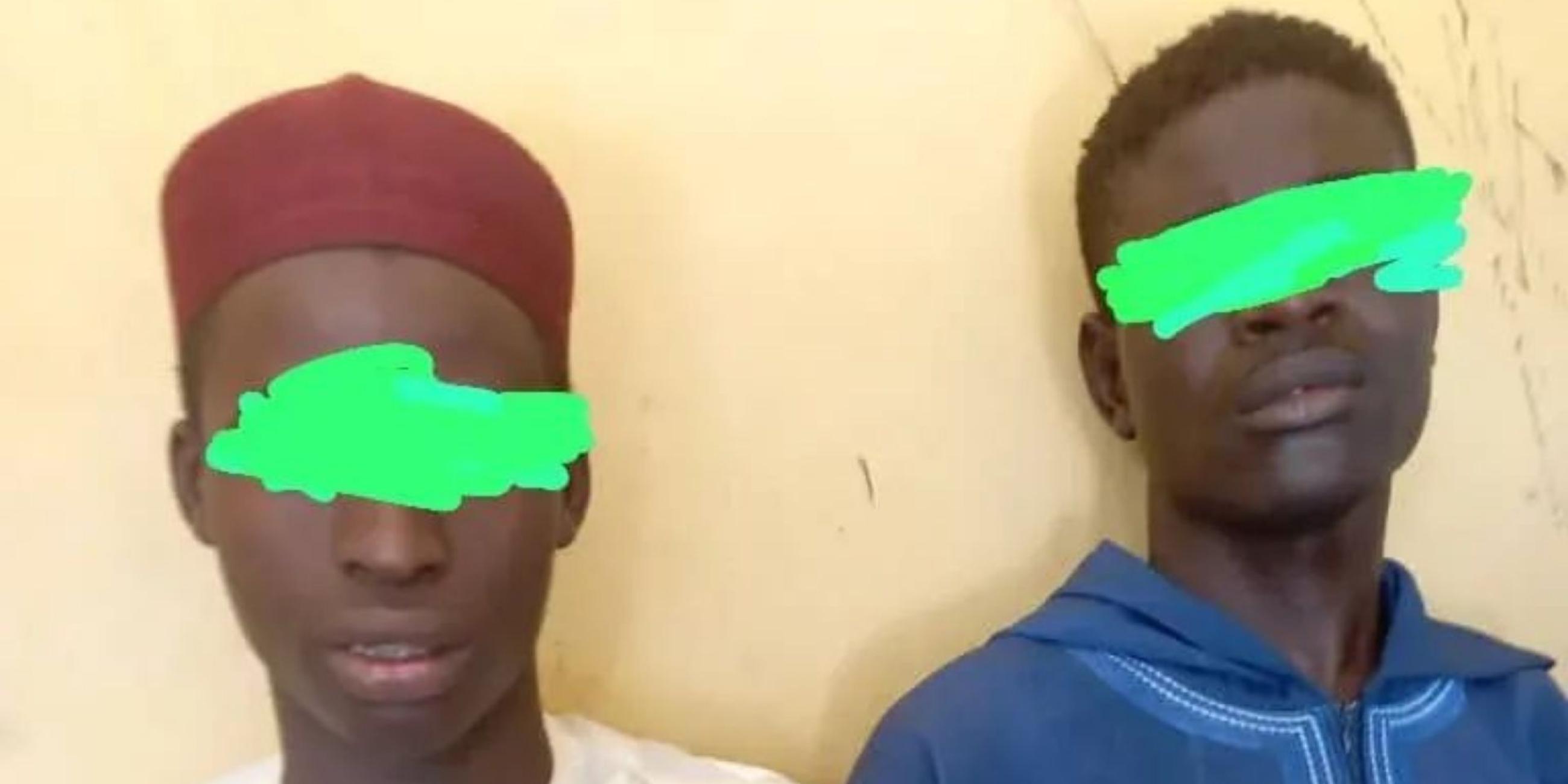
    The Nigerian Correctional Service (NCoS), Kano State Command, has arrested two men for allegedly attempting to smuggle marijuana and other illicit substances to inmates during court proceedings at the Nomansland Court Complex. The suspects—identified as 25-year-old Usman Khalid and 24-year-old Bello Musa Ahmed, both from the Tsamiya (Brigade) area of Kano—were apprehended by officers attached to the Medium Security Custodial Centre (MSCC), Goron Dutse.

    According to the NCoS, the men were caught while allegedly trying to throw wraps of Indian hemp and other prohibited drugs to inmates as they were being moved in and out of the court. The arrest was confirmed by the Command’s Public Relations Officer, CSC Musbahu Lawan-Kofarnasarawa, who said the suspects were intercepted before the items could reach any prisoner.

    But why would suspects risk such a public and tightly controlled environment to deliver drugs? And who exactly were they trying to supply? While authorities have not yet disclosed whether the suspects were linked to a wider trafficking network, the incident has raised fresh concerns about how criminal elements attempt to exploit court appearances and inmate movements to bypass prison security.

    Reacting to the incident, the Controller of Corrections in Kano State, Ado Inuwa, described the act as a serious security breach and a criminal offence under Nigerian law. He warned members of the public to desist from any interaction with inmates during court transfers, stressing that such conduct threatens both public safety and the integrity of the justice system.

    Inuwa reaffirmed the NCoS’s commitment to rehabilitation and reformation, noting that drug trafficking into custodial facilities undermines discipline, fuels criminal behaviour behind bars, and sabotages correctional objectives. He directed that the suspects and the seized drugs be handed over to the National Drug Law Enforcement Agency (NDLEA) for further investigation and possible prosecution.

    What does this case reveal about the broader problem of drugs in Nigeria’s prisons? The Kano Command reiterated its zero-tolerance policy toward drug-related offences, vowing to maintain maximum security across all custodial centres and judicial premises in the state. The Service also called on residents to report suspicious activities, emphasising that community vigilance remains vital in the fight against narcotics and organised crime.

    As investigations continue, key questions remain unanswered: Were the suspects acting alone or as part of a larger network? Which inmates were the intended recipients? And how many similar attempts go undetected across the country? The outcome of this case may determine not only the fate of the two accused men but also how aggressively authorities tighten security around Nigeria’s courts and correctional facilities in the ongoing war against drugs.


    How Did Two Young Men Try to Smuggle Marijuana Into a Kano Court? Who Were They Working For—and What Does Their Arrest Reveal About Nigeria’s Prison Drug Crisis? How were two young men able to attempt a drug drop inside a court facility in Kano—and what does their arrest expose about the growing challenge of narcotics trafficking into Nigeria’s custodial system? The Nigerian Correctional Service (NCoS), Kano State Command, has arrested two men for allegedly attempting to smuggle marijuana and other illicit substances to inmates during court proceedings at the Nomansland Court Complex. The suspects—identified as 25-year-old Usman Khalid and 24-year-old Bello Musa Ahmed, both from the Tsamiya (Brigade) area of Kano—were apprehended by officers attached to the Medium Security Custodial Centre (MSCC), Goron Dutse. According to the NCoS, the men were caught while allegedly trying to throw wraps of Indian hemp and other prohibited drugs to inmates as they were being moved in and out of the court. The arrest was confirmed by the Command’s Public Relations Officer, CSC Musbahu Lawan-Kofarnasarawa, who said the suspects were intercepted before the items could reach any prisoner. But why would suspects risk such a public and tightly controlled environment to deliver drugs? And who exactly were they trying to supply? While authorities have not yet disclosed whether the suspects were linked to a wider trafficking network, the incident has raised fresh concerns about how criminal elements attempt to exploit court appearances and inmate movements to bypass prison security. Reacting to the incident, the Controller of Corrections in Kano State, Ado Inuwa, described the act as a serious security breach and a criminal offence under Nigerian law. He warned members of the public to desist from any interaction with inmates during court transfers, stressing that such conduct threatens both public safety and the integrity of the justice system. Inuwa reaffirmed the NCoS’s commitment to rehabilitation and reformation, noting that drug trafficking into custodial facilities undermines discipline, fuels criminal behaviour behind bars, and sabotages correctional objectives. He directed that the suspects and the seized drugs be handed over to the National Drug Law Enforcement Agency (NDLEA) for further investigation and possible prosecution. What does this case reveal about the broader problem of drugs in Nigeria’s prisons? The Kano Command reiterated its zero-tolerance policy toward drug-related offences, vowing to maintain maximum security across all custodial centres and judicial premises in the state. The Service also called on residents to report suspicious activities, emphasising that community vigilance remains vital in the fight against narcotics and organised crime. As investigations continue, key questions remain unanswered: Were the suspects acting alone or as part of a larger network? Which inmates were the intended recipients? And how many similar attempts go undetected across the country? The outcome of this case may determine not only the fate of the two accused men but also how aggressively authorities tighten security around Nigeria’s courts and correctional facilities in the ongoing war against drugs.
    0 Comments ·0 Shares ·2K Views
  • US Seizes Oil Tanker Linked to Venezuela and Russia Over Sanctions Violation
    January 7, 2026 – International

    The United States has confirmed the seizure of an oil tanker accused of violating U.S. sanctions, marking a major enforcement action against vessels attempting to bypass American restrictions. The tanker, originally identified as M/V Bella 1, had been renamed Marinera and was operating under a Russian flag while sailing in the North Atlantic. Reports indicate that the vessel previously flew a Guyana flag before its re-registration under Russia.

    The U.S. European Command stated that the seizure was executed in coordination with multiple federal agencies, including the Department of Justice and the Department of Homeland Security. Tracking operations were supported by the U.S. Coast Guard cutter Munro. According to officials, the operation was carried out pursuant to a U.S. federal court warrant and reflects a “whole-of-government” approach to protecting U.S. interests and enforcing sanctions.

    “The seizure supports the President’s proclamation targeting sanctioned vessels that threaten security and stability in the Western Hemisphere,” the U.S. European Command noted. Officials emphasized that the action was carefully planned to avoid environmental damage and focused on recovering the tanker rather than sinking it.

    This operation follows recent diplomatic talks between U.S. and Venezuelan officials regarding potential exports of Venezuelan crude to American refineries along the Gulf Coast. U.S. refineries, which have historically processed Venezuela’s heavy crude, are reportedly capable of handling future imports once sanctions allow. Sources noted that the discussions come after years of restrictions that curtailed Venezuelan oil exports to the United States.

    The seizure also comes in the wake of a controversial U.S. military operation in Venezuela in early January 2026, which resulted in the capture of President Nicolás Maduro and his wife. The U.S. justified the operation by citing federal indictments accusing Maduro’s government of drug trafficking and narco-terrorism, alleging that the regime helped ship large quantities of cocaine into the United States. Following the operation, former President Donald Trump openly declared that the U.S. intended to take control of Venezuela’s oil industry, which he claimed was built with American investment and seized by Maduro.

    In his first public comments after being taken to the U.S., Maduro described himself as “kidnapped” and insisted on his innocence. The tanker seizure is seen as part of ongoing U.S. efforts to reassert influence over sanctioned energy exports and prevent regimes like Venezuela and Russia from profiting from illicit oil trade.

    Experts note that the operation highlights the strategic importance of maritime enforcement in the global energy market and underscores the U.S.’s commitment to sanctions enforcement. The tanker, part of what officials have described as a “shadow fleet” circumventing international regulations, was carefully monitored for weeks before the operation, demonstrating the complexity of tracking and intercepting high-value maritime targets.

    The U.S. emphasized that similar operations may continue against vessels suspected of violating sanctions, particularly those tied to sanctioned nations or illicit networks. The seizure reinforces the administration’s dual approach of diplomatic engagement and targeted enforcement to secure energy markets and uphold international sanctions.

    US Seizes Oil Tanker Linked to Venezuela and Russia Over Sanctions Violation January 7, 2026 – International The United States has confirmed the seizure of an oil tanker accused of violating U.S. sanctions, marking a major enforcement action against vessels attempting to bypass American restrictions. The tanker, originally identified as M/V Bella 1, had been renamed Marinera and was operating under a Russian flag while sailing in the North Atlantic. Reports indicate that the vessel previously flew a Guyana flag before its re-registration under Russia. The U.S. European Command stated that the seizure was executed in coordination with multiple federal agencies, including the Department of Justice and the Department of Homeland Security. Tracking operations were supported by the U.S. Coast Guard cutter Munro. According to officials, the operation was carried out pursuant to a U.S. federal court warrant and reflects a “whole-of-government” approach to protecting U.S. interests and enforcing sanctions. “The seizure supports the President’s proclamation targeting sanctioned vessels that threaten security and stability in the Western Hemisphere,” the U.S. European Command noted. Officials emphasized that the action was carefully planned to avoid environmental damage and focused on recovering the tanker rather than sinking it. This operation follows recent diplomatic talks between U.S. and Venezuelan officials regarding potential exports of Venezuelan crude to American refineries along the Gulf Coast. U.S. refineries, which have historically processed Venezuela’s heavy crude, are reportedly capable of handling future imports once sanctions allow. Sources noted that the discussions come after years of restrictions that curtailed Venezuelan oil exports to the United States. The seizure also comes in the wake of a controversial U.S. military operation in Venezuela in early January 2026, which resulted in the capture of President Nicolás Maduro and his wife. The U.S. justified the operation by citing federal indictments accusing Maduro’s government of drug trafficking and narco-terrorism, alleging that the regime helped ship large quantities of cocaine into the United States. Following the operation, former President Donald Trump openly declared that the U.S. intended to take control of Venezuela’s oil industry, which he claimed was built with American investment and seized by Maduro. In his first public comments after being taken to the U.S., Maduro described himself as “kidnapped” and insisted on his innocence. The tanker seizure is seen as part of ongoing U.S. efforts to reassert influence over sanctioned energy exports and prevent regimes like Venezuela and Russia from profiting from illicit oil trade. Experts note that the operation highlights the strategic importance of maritime enforcement in the global energy market and underscores the U.S.’s commitment to sanctions enforcement. The tanker, part of what officials have described as a “shadow fleet” circumventing international regulations, was carefully monitored for weeks before the operation, demonstrating the complexity of tracking and intercepting high-value maritime targets. The U.S. emphasized that similar operations may continue against vessels suspected of violating sanctions, particularly those tied to sanctioned nations or illicit networks. The seizure reinforces the administration’s dual approach of diplomatic engagement and targeted enforcement to secure energy markets and uphold international sanctions.
    0 Comments ·0 Shares ·2K Views
  • “Nigerian Army Thwarts Armed Robbery on Abuja-Kaduna Highway, Arrests Suspect Kabiru Zayyanu – No Casualties Reported”

    The Nigerian Army successfully foiled an armed robbery attempt along the Abuja–Kaduna Highway, arresting a suspect and preventing potential casualties, the military confirmed in a statement on January 7, 2026.
    According to Lieutenant Colonel Shuaib Umar, Acting Deputy Director of Army Public Relations, 1 Division, troops attached to Sector 1 of Operation Fansan Yamma responded promptly to a distress call on Tuesday regarding an ongoing armed robbery at Nasarawan Doka. The soldiers mobilized immediately, confronting the criminals and effectively neutralizing the threat.
    During the operation, a suspect identified as Kabiru Zayyanu was shot in the leg and quickly evacuated to Doka General Hospital, where he received first aid. Other members of the criminal gang managed to escape, but a hot pursuit was conducted, with no further contact recorded. Notably, no casualties or abductions occurred during the incident.
    The Nigerian Army emphasized its ongoing commitment to securing lives and property along the highway. Troops continue to maintain a strong presence, dominate key areas, and ensure a secure environment for commuters and residents. The arrested suspect will be handed over to the appropriate security agency upon completion of the investigation.
    This successful intervention highlights the Army’s proactive response to criminal activities and underscores the importance of citizen vigilance, as the public is urged to report suspicious activities to security agencies.
    The Abuja–Kaduna Highway, known for its strategic significance and past security challenges, now sees enhanced military oversight as part of Operation Fansan Yamma, aimed at curbing violent crimes and ensuring safe passage for travelers.
    “Nigerian Army Thwarts Armed Robbery on Abuja-Kaduna Highway, Arrests Suspect Kabiru Zayyanu – No Casualties Reported” The Nigerian Army successfully foiled an armed robbery attempt along the Abuja–Kaduna Highway, arresting a suspect and preventing potential casualties, the military confirmed in a statement on January 7, 2026. According to Lieutenant Colonel Shuaib Umar, Acting Deputy Director of Army Public Relations, 1 Division, troops attached to Sector 1 of Operation Fansan Yamma responded promptly to a distress call on Tuesday regarding an ongoing armed robbery at Nasarawan Doka. The soldiers mobilized immediately, confronting the criminals and effectively neutralizing the threat. During the operation, a suspect identified as Kabiru Zayyanu was shot in the leg and quickly evacuated to Doka General Hospital, where he received first aid. Other members of the criminal gang managed to escape, but a hot pursuit was conducted, with no further contact recorded. Notably, no casualties or abductions occurred during the incident. The Nigerian Army emphasized its ongoing commitment to securing lives and property along the highway. Troops continue to maintain a strong presence, dominate key areas, and ensure a secure environment for commuters and residents. The arrested suspect will be handed over to the appropriate security agency upon completion of the investigation. This successful intervention highlights the Army’s proactive response to criminal activities and underscores the importance of citizen vigilance, as the public is urged to report suspicious activities to security agencies. The Abuja–Kaduna Highway, known for its strategic significance and past security challenges, now sees enhanced military oversight as part of Operation Fansan Yamma, aimed at curbing violent crimes and ensuring safe passage for travelers.
    0 Comments ·0 Shares ·824 Views
  • Bauchi State Pensioners Suffer Delays as Auditor-General Reveals ₦1.2 Billion in Undocumented Payments Across Ministries

    Bauchi State pensioners continue to face severe financial hardship as delays in pension and gratuity payments persist. Danjuma Babaji, who retired in November 2022, went nine months without salary or pension, surviving on subsistence farming and livestock rearing. While he eventually began receiving monthly pension in July 2023, his ₦3.7 million gratuity remains unpaid. Similarly, Adamu Ibrahim, retired in 2017, endured months without income and now relies on his children for support.
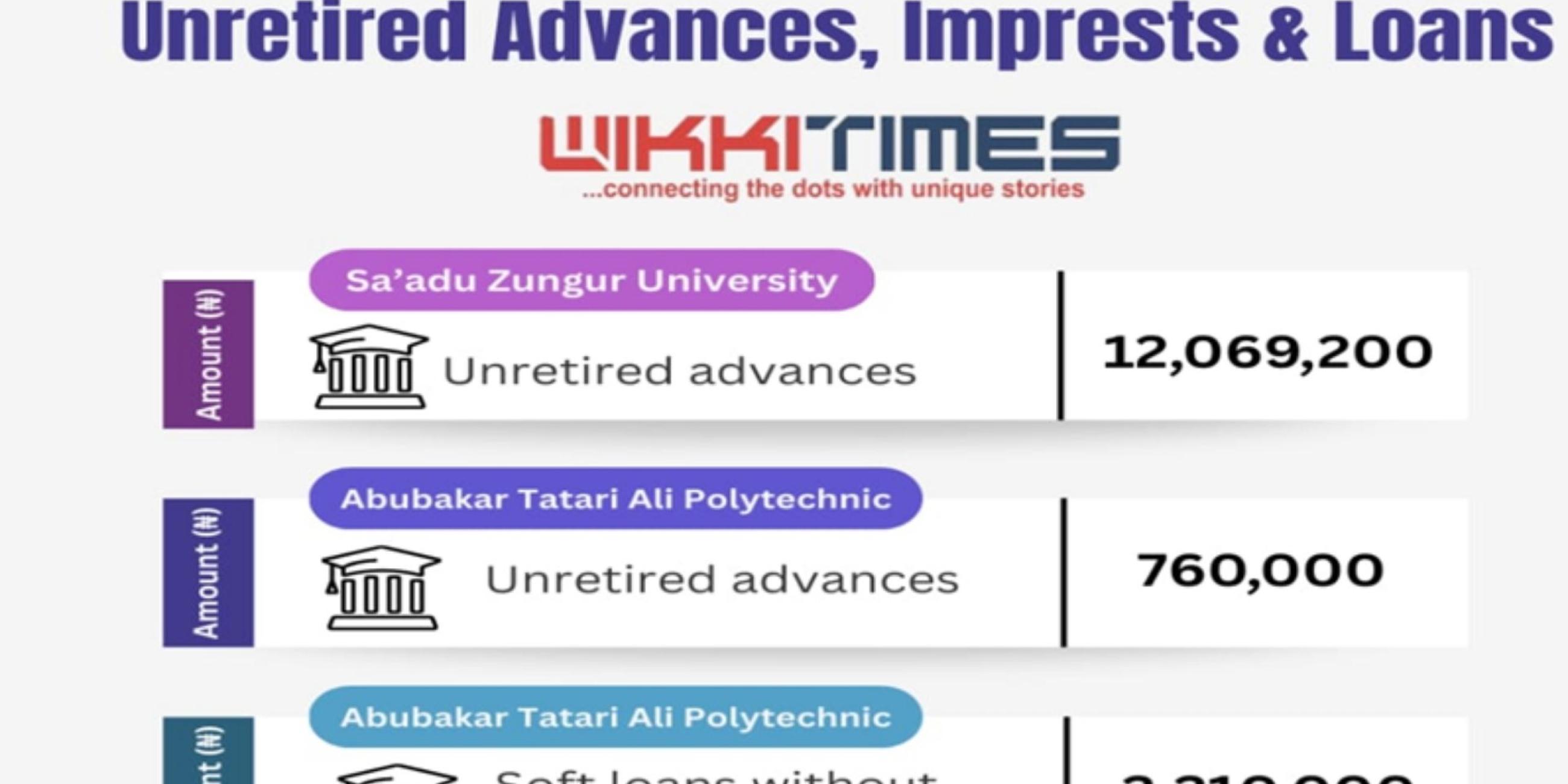
    An analysis of the Bauchi State Auditor-General’s 2024 report reveals widespread failures in financial accountability, with millions of naira spent across ministries without proper documentation, approval, or authorisation. Notable figures include ₦182.8 million spent without supporting documents, ₦104.5 million paid without approval, and ₦261.7 million disbursed without Accounting Officer authorisation. Ministries affected include the Office of the Chief of Staff, Finance, Budget, Women Affairs, Religious Affairs, Education, and Housing & Environment, with the largest undocumented payment totaling ₦565 million in the latter.
    The findings underscore systemic lapses in public finance management, leaving pensioners and citizens unable to hold officials accountable and raising further questions about corruption and institutional oversight in Bauchi State.
    Bauchi State Pensioners Suffer Delays as Auditor-General Reveals ₦1.2 Billion in Undocumented Payments Across Ministries Bauchi State pensioners continue to face severe financial hardship as delays in pension and gratuity payments persist. Danjuma Babaji, who retired in November 2022, went nine months without salary or pension, surviving on subsistence farming and livestock rearing. While he eventually began receiving monthly pension in July 2023, his ₦3.7 million gratuity remains unpaid. Similarly, Adamu Ibrahim, retired in 2017, endured months without income and now relies on his children for support. An analysis of the Bauchi State Auditor-General’s 2024 report reveals widespread failures in financial accountability, with millions of naira spent across ministries without proper documentation, approval, or authorisation. Notable figures include ₦182.8 million spent without supporting documents, ₦104.5 million paid without approval, and ₦261.7 million disbursed without Accounting Officer authorisation. Ministries affected include the Office of the Chief of Staff, Finance, Budget, Women Affairs, Religious Affairs, Education, and Housing & Environment, with the largest undocumented payment totaling ₦565 million in the latter. The findings underscore systemic lapses in public finance management, leaving pensioners and citizens unable to hold officials accountable and raising further questions about corruption and institutional oversight in Bauchi State.
    like
    1
    · 0 Comments ·0 Shares ·1K Views
  • PRESIDENT TINUBU NOMINATES BOARD MEMBERS FOR NMDPRA, NUPRC, SEEKS SENATE CONFIRMATION

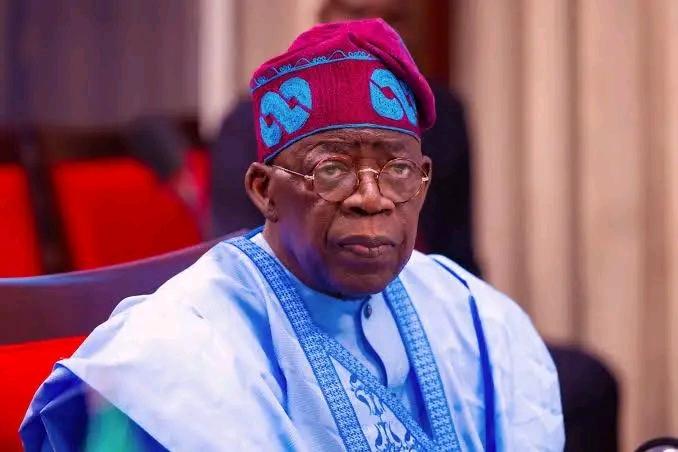
    President Bola Ahmed Tinubu has written two letters to the Senate, seeking confirmation of 21 nominees for the boards of the Nigerian Midstream and Downstream Petroleum Regulatory Authority (NMDPRA) and the Nigerian Upstream Petroleum Regulatory Commission (NUPRC).

    A statement by Bayo Onanuga, special Adviser to the President, Information & Strategy, indicates that in the first letter, President Tinubu nominated Senator Magnus Abe to serve as the NUPRC board chair. Abe, who represented Rivers South East in the Senate for two terms, is a former NNPC board member and current chairman of the National Agency of the Great Green Wall.

    Other nominees for the NUPRC board are Engineer Paul Yaro Jezhi, a former Trade Union Congress chairman in Kaduna, and Mr Sunday Adebayo Babalola, a former deputy director of the Department of Petroleum Resources (DPR), which was abolished by the PIA in 2021. Both men will serve as non-executive commissioners.

    President Tinubu also nominated executive commissioners to the board.

    They are: Muhammed Sabo Lamido, executive commissioner for finance; Mr Edu Inyang, executive commissioner for Exploration and Acreage; Justin Ezeala, executive commissioner for economic regulation and strategic planning; and Henry Darlington Oki, executive commissioner for Development and Production. Others are Indabawa Bashari Alka, executive commissioner for corporate services and administration; Mahmood Tijani, executive commissioner for health, safety and environment; and Ms Olayemi Adeboyejo, as secretary and legal adviser.

    Former President Buhari appointed Lamido and Adeboyejo in 2022, while President Tinubu appointed Alka in 2023. Inyang, Ezeala, the former managing director of Nigerian Gas Marketing Limited, Mahmood Tijani, Babalola and Jezhi are new appointees of President Tinubu.

    In his second letter to the Senate, President Tinubu nominated Mr Adegbite Ebiowei Adeniji, a lawyer, as chairman of the NMDPRA board. Adeniji has over 30 years of experience in energy and natural resources issues. He was a special technical adviser to the Minister of State for Petroleum on upstream and gas until 2018. He was a member of the Oil & Gas Policy team at the World Bank, which advised the Government of Nigeria on the reform and restructuring of the petroleum sector, including the development of the Strategic Gas Plan for Nigeria. He is currently the managing partner at ENR Advisory.

    President Tinubu also nominated Chief Kenneth Kobani and Mrs Asabe Ahmed as non-executive members. Kobani was a former minister of state for trade under President Jonathan and secretary to the government of Rivers State, under Nyesom Wike.

    Also nominated for confirmation are Abiodun Adeniji, executive director of finance; Francis Ogaree, executive director of hydrocarbon; Oluwole Adama, executive director of midstream and Downstream gas infrastructure; and Dr Mustapha Lamorde, executive director of Corporate Services and Administration. President Tinubu appointed Adama in 2024, while late President Buhari appointed Lamorde and Adeniji in 2021 and Ogaree in 2022

    Other members of the NMDPRA board, as proposed by President Tinubu, are Mr Yahaya Nasamu Yinusa, executive director, distribution systems; Adeyemi Murtala Aminu, executive director, corporate services; Ms Modie Ogechukwu, executive director, economic regulation and strategic planning; and Barrister Olawale Dawodu, as board secretary and legal adviser. Dawodu is an industry player and was, at a time, the Financial Reporting Manager at Exxon Nigerian subsidiaries.

    The President urged the Senate to approve the nominees expeditiously.

    The requests followed the recent appointment of chief executive officers for the two regulatory agencies. The Senate confirmed Oritsemeyiwa Eyesan as the chief executive officer (CEO) of the Nigerian Upstream Petroleum Regulatory Commission (NUPRC) and Engineer Saidu Aliyu Mohammed as CEO of NMDPRA.

    Mr President has charged all the appointees and nominees to discharge their duties and responsibilities professionally as regulators of the oil and gas sectors.
    PRESIDENT TINUBU NOMINATES BOARD MEMBERS FOR NMDPRA, NUPRC, SEEKS SENATE CONFIRMATION President Bola Ahmed Tinubu has written two letters to the Senate, seeking confirmation of 21 nominees for the boards of the Nigerian Midstream and Downstream Petroleum Regulatory Authority (NMDPRA) and the Nigerian Upstream Petroleum Regulatory Commission (NUPRC). A statement by Bayo Onanuga, special Adviser to the President, Information & Strategy, indicates that in the first letter, President Tinubu nominated Senator Magnus Abe to serve as the NUPRC board chair. Abe, who represented Rivers South East in the Senate for two terms, is a former NNPC board member and current chairman of the National Agency of the Great Green Wall. Other nominees for the NUPRC board are Engineer Paul Yaro Jezhi, a former Trade Union Congress chairman in Kaduna, and Mr Sunday Adebayo Babalola, a former deputy director of the Department of Petroleum Resources (DPR), which was abolished by the PIA in 2021. Both men will serve as non-executive commissioners. President Tinubu also nominated executive commissioners to the board. They are: Muhammed Sabo Lamido, executive commissioner for finance; Mr Edu Inyang, executive commissioner for Exploration and Acreage; Justin Ezeala, executive commissioner for economic regulation and strategic planning; and Henry Darlington Oki, executive commissioner for Development and Production. Others are Indabawa Bashari Alka, executive commissioner for corporate services and administration; Mahmood Tijani, executive commissioner for health, safety and environment; and Ms Olayemi Adeboyejo, as secretary and legal adviser. Former President Buhari appointed Lamido and Adeboyejo in 2022, while President Tinubu appointed Alka in 2023. Inyang, Ezeala, the former managing director of Nigerian Gas Marketing Limited, Mahmood Tijani, Babalola and Jezhi are new appointees of President Tinubu. In his second letter to the Senate, President Tinubu nominated Mr Adegbite Ebiowei Adeniji, a lawyer, as chairman of the NMDPRA board. Adeniji has over 30 years of experience in energy and natural resources issues. He was a special technical adviser to the Minister of State for Petroleum on upstream and gas until 2018. He was a member of the Oil & Gas Policy team at the World Bank, which advised the Government of Nigeria on the reform and restructuring of the petroleum sector, including the development of the Strategic Gas Plan for Nigeria. He is currently the managing partner at ENR Advisory. President Tinubu also nominated Chief Kenneth Kobani and Mrs Asabe Ahmed as non-executive members. Kobani was a former minister of state for trade under President Jonathan and secretary to the government of Rivers State, under Nyesom Wike. Also nominated for confirmation are Abiodun Adeniji, executive director of finance; Francis Ogaree, executive director of hydrocarbon; Oluwole Adama, executive director of midstream and Downstream gas infrastructure; and Dr Mustapha Lamorde, executive director of Corporate Services and Administration. President Tinubu appointed Adama in 2024, while late President Buhari appointed Lamorde and Adeniji in 2021 and Ogaree in 2022 Other members of the NMDPRA board, as proposed by President Tinubu, are Mr Yahaya Nasamu Yinusa, executive director, distribution systems; Adeyemi Murtala Aminu, executive director, corporate services; Ms Modie Ogechukwu, executive director, economic regulation and strategic planning; and Barrister Olawale Dawodu, as board secretary and legal adviser. Dawodu is an industry player and was, at a time, the Financial Reporting Manager at Exxon Nigerian subsidiaries. The President urged the Senate to approve the nominees expeditiously. The requests followed the recent appointment of chief executive officers for the two regulatory agencies. The Senate confirmed Oritsemeyiwa Eyesan as the chief executive officer (CEO) of the Nigerian Upstream Petroleum Regulatory Commission (NUPRC) and Engineer Saidu Aliyu Mohammed as CEO of NMDPRA. Mr President has charged all the appointees and nominees to discharge their duties and responsibilities professionally as regulators of the oil and gas sectors.
    like
    1
    · 0 Comments ·0 Shares ·2K Views
  • TROOPS OF OPHK NEUTRALIZE TERRORISTS AND RESCUE HOSTAGES IN KONDUGA LGA BORNO STATE

    Troops of Operation HADIN KAI (OPHK) have recorded another significant success following a well-coordinated operation against terrorist elements around Kondunga Local Government Area of Borno State, which also led to the rescue of kidnapped civilians.

    In a statement signed by the Media Information Officer Joint Task Force (North East) Operation HADIN KAI Lieutenant Colonel Sani Uba says on the early hours of 4th January 2026, troops in collaboration with the Civilian Joint Task Force (CJTF), engaged terrorists at a known crossing point along the Sojiri axis. The operation resulted in the neutralization of 5 terrorists without any casualty to own troops.

    The troops successfully rescued 3 hostages abducted by the terrorists and recovered AK-47 Rifles during the operation.

    This operation underscores the commitment of OPHK to both offensive action against terrorist elements and the protection of civilians, while highlighting the value of cooperation with local security partners. Troops morale remains high, and security forces continue to maintain dominance across the Theatre despite the dynamic security environment.
    TROOPS OF OPHK NEUTRALIZE TERRORISTS AND RESCUE HOSTAGES IN KONDUGA LGA BORNO STATE Troops of Operation HADIN KAI (OPHK) have recorded another significant success following a well-coordinated operation against terrorist elements around Kondunga Local Government Area of Borno State, which also led to the rescue of kidnapped civilians. In a statement signed by the Media Information Officer Joint Task Force (North East) Operation HADIN KAI Lieutenant Colonel Sani Uba says on the early hours of 4th January 2026, troops in collaboration with the Civilian Joint Task Force (CJTF), engaged terrorists at a known crossing point along the Sojiri axis. The operation resulted in the neutralization of 5 terrorists without any casualty to own troops. The troops successfully rescued 3 hostages abducted by the terrorists and recovered AK-47 Rifles during the operation. This operation underscores the commitment of OPHK to both offensive action against terrorist elements and the protection of civilians, while highlighting the value of cooperation with local security partners. Troops morale remains high, and security forces continue to maintain dominance across the Theatre despite the dynamic security environment.
    0 Comments ·0 Shares ·1K Views
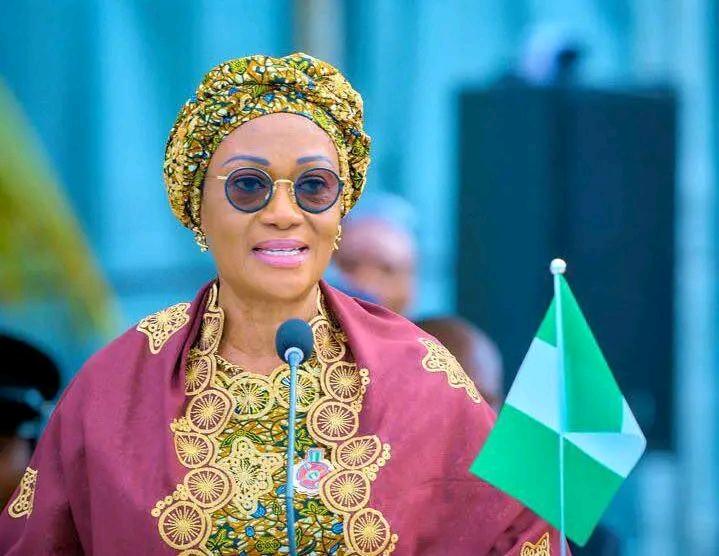
  • First Lady's Message on World Braille Day 2026

    First Lady, Oluremi Tinubu says Nigeria as a country on a path of sustainable growth must continue to support everyone to live full, independent lives by creating inclusive environments, while strengthening policies and partnerships that empower every citizen to participate confidently in nation-building.

    This is in her message marking 2026 World Braille Day.

    Celebrating Braille as an important tool of inclusion, dignity, and independence for the blind and visually impaired persons, the First Lady says Braille, when integrated with technology, guarantees equal access to information, education, and opportunities, bridging digital gap and ensuring accessibility in a world that is becoming increasingly digital.
    First Lady's Message on World Braille Day 2026 First Lady, Oluremi Tinubu says Nigeria as a country on a path of sustainable growth must continue to support everyone to live full, independent lives by creating inclusive environments, while strengthening policies and partnerships that empower every citizen to participate confidently in nation-building. This is in her message marking 2026 World Braille Day. Celebrating Braille as an important tool of inclusion, dignity, and independence for the blind and visually impaired persons, the First Lady says Braille, when integrated with technology, guarantees equal access to information, education, and opportunities, bridging digital gap and ensuring accessibility in a world that is becoming increasingly digital.
    like
    1
    · 0 Comments ·0 Shares ·502 Views
More Results
Fintter https://fintter.com