• SERAP Sues Nigerian Governors, Wike Over Billions in Unaccounted Security Votes

    The Socio-Economic Rights and Accountability Project (SERAP) has filed a lawsuit against Nigeria’s state governors and FCT Minister Nyesom Wike for failing to account for billions of naira spent as “security votes” since May 29, 2023. SERAP highlighted that despite over ₦400 billion allocated annually, insecurity persists, with some governors earmarking ₦140 billion in 2026 alone. The group seeks detailed disclosures on spending, project status, and plans to improve security infrastructure, warning that secrecy in security votes risks embezzlement and violates constitutional and human rights obligations.

    #SERAP #SecurityVotes #NigeriaCorruption #Accountability #NigerianGovernors
    SERAP Sues Nigerian Governors, Wike Over Billions in Unaccounted Security Votes The Socio-Economic Rights and Accountability Project (SERAP) has filed a lawsuit against Nigeria’s state governors and FCT Minister Nyesom Wike for failing to account for billions of naira spent as “security votes” since May 29, 2023. SERAP highlighted that despite over ₦400 billion allocated annually, insecurity persists, with some governors earmarking ₦140 billion in 2026 alone. The group seeks detailed disclosures on spending, project status, and plans to improve security infrastructure, warning that secrecy in security votes risks embezzlement and violates constitutional and human rights obligations. #SERAP #SecurityVotes #NigeriaCorruption #Accountability #NigerianGovernors
    love
    2
    · 0 Commentarios ·0 Acciones ·680 Views
  • Nigeria Must Build Border Wall, Deploy Tech to Stop Terrorists – Defence Minister

    Nigeria’s Defence Minister, Christopher Musa, has reiterated his call for a border wall and modern surveillance technology to curb the influx of terrorists, bandits, and transnational criminals. Speaking to BBC Hausa, Musa highlighted the country’s porous borders as a major factor enabling attacks and escapes. He stressed that infrastructure alone isn’t enough—citizen vigilance, regional cooperation, and advanced tech are crucial. The minister warned against aiding criminals, describing profits from them as “blood money,” and assured Nigerians of increased government and presidential support for security operations.
    Nigeria Must Build Border Wall, Deploy Tech to Stop Terrorists – Defence Minister Nigeria’s Defence Minister, Christopher Musa, has reiterated his call for a border wall and modern surveillance technology to curb the influx of terrorists, bandits, and transnational criminals. Speaking to BBC Hausa, Musa highlighted the country’s porous borders as a major factor enabling attacks and escapes. He stressed that infrastructure alone isn’t enough—citizen vigilance, regional cooperation, and advanced tech are crucial. The minister warned against aiding criminals, describing profits from them as “blood money,” and assured Nigerians of increased government and presidential support for security operations.
    0 Commentarios ·0 Acciones ·490 Views
  • Wahala Don Set Oo! Nigerian BEA Scholar in Hungary Faces Expulsion Over Unpaid $10,450 Allowance

    Wahala don really set for abroad oo! A Nigerian postgraduate student studying in Hungary under the Federal Government’s Bilateral Education Agreement (BEA) scholarship has raised alarm after spending over one year without receiving a single kobo of his approved allowances. Now, he is facing possible expulsion and homelessness because his residence permit is about to expire.

    The student, Oluwasegun Michael Ogundele of the University of Pannonia, has petitioned the House of Representatives Committee on Student Loans, Scholarships, and Higher Education Financing, crying out that since he resumed studies in September 2024, the Federal Scholarship Board (FSB) and the Federal Ministry of Education have failed to pay any of the funds promised under his scholarship.

    According to him, the agreement between the Nigerian and Hungarian governments clearly stated his entitlements, yet nothing has been paid till date. These include a $6,000 yearly allowance, $250 for warm clothing, $200 for health insurance, a N100,000 take-off grant, a $1,000 postgraduate research grant, and a return ticket to Nigeria. In total, the unpaid money now stands at $10,450.

    Ogundele said the situation has pushed him into serious hardship. For the past 18 months, he has survived only on a small monthly stipend of about €110 from Hungary’s Tempus Scholarship Foundation. He described his condition as one of illness, emotional trauma, and constant anxiety about basic survival.

    “My academic performance and mental health have suffered. I am constantly worried about how to eat, pay bills, and remain legal in this country,” he said.

    The wahala no end there. His programme is expected to finish by January 30, 2026, while his residence permit expires the very next day. Yet, he has no money to buy a ticket back to Nigeria. His passage allowance of $2,500, which should help him return home, has also not been paid.

    He further revealed that he has not taken up any paid job because scholarship rules forbid it. Still, despite obeying all conditions, the government has failed to honour its own agreement.

    In his petition, Ogundele begged the House Committee to urgently intervene and ensure immediate payment of all outstanding entitlements. He warned that his case is not isolated, stating that many Nigerian students abroad under the BEA scheme are suffering in silence. Some, according to him, have taken degrading jobs to survive, while others have reportedly died due to stress and untreated illnesses.

    “Many of us are being treated like beggars abroad. We are looked down upon, and it has destroyed our dignity as Nigerians. The suffering imposed on us is unimaginable,” he wrote.

    The matter has also drawn political attention. Former Vice President Atiku Abubakar recently accused the Tinubu administration of abandoning Nigerian students under the BEA programme, saying over 1,600 students abroad are owed stipends and have been left stranded.

    However, the Federal Government has denied abandoning students, stating that funding delays were due to fiscal constraints and that it remains committed to students already enrolled. The Ministry of Education also disclosed that no new bilateral scholarships were awarded in 2025, as Nigeria now claims it has enough local capacity to train students at home.

    But for students like Ogundele, policy explanations no dey stop hunger.

    As his deadline approaches and eviction looms, Nigerians are now asking: how can a government send students abroad in the name of national development, then leave them to suffer alone?

    One thing be sure: wahala don set oo for this BEA scholarship matter—and everybody dey watch how government go respond.
    Wahala Don Set Oo! Nigerian BEA Scholar in Hungary Faces Expulsion Over Unpaid $10,450 Allowance Wahala don really set for abroad oo! A Nigerian postgraduate student studying in Hungary under the Federal Government’s Bilateral Education Agreement (BEA) scholarship has raised alarm after spending over one year without receiving a single kobo of his approved allowances. Now, he is facing possible expulsion and homelessness because his residence permit is about to expire. The student, Oluwasegun Michael Ogundele of the University of Pannonia, has petitioned the House of Representatives Committee on Student Loans, Scholarships, and Higher Education Financing, crying out that since he resumed studies in September 2024, the Federal Scholarship Board (FSB) and the Federal Ministry of Education have failed to pay any of the funds promised under his scholarship. According to him, the agreement between the Nigerian and Hungarian governments clearly stated his entitlements, yet nothing has been paid till date. These include a $6,000 yearly allowance, $250 for warm clothing, $200 for health insurance, a N100,000 take-off grant, a $1,000 postgraduate research grant, and a return ticket to Nigeria. In total, the unpaid money now stands at $10,450. Ogundele said the situation has pushed him into serious hardship. For the past 18 months, he has survived only on a small monthly stipend of about €110 from Hungary’s Tempus Scholarship Foundation. He described his condition as one of illness, emotional trauma, and constant anxiety about basic survival. “My academic performance and mental health have suffered. I am constantly worried about how to eat, pay bills, and remain legal in this country,” he said. The wahala no end there. His programme is expected to finish by January 30, 2026, while his residence permit expires the very next day. Yet, he has no money to buy a ticket back to Nigeria. His passage allowance of $2,500, which should help him return home, has also not been paid. He further revealed that he has not taken up any paid job because scholarship rules forbid it. Still, despite obeying all conditions, the government has failed to honour its own agreement. In his petition, Ogundele begged the House Committee to urgently intervene and ensure immediate payment of all outstanding entitlements. He warned that his case is not isolated, stating that many Nigerian students abroad under the BEA scheme are suffering in silence. Some, according to him, have taken degrading jobs to survive, while others have reportedly died due to stress and untreated illnesses. “Many of us are being treated like beggars abroad. We are looked down upon, and it has destroyed our dignity as Nigerians. The suffering imposed on us is unimaginable,” he wrote. The matter has also drawn political attention. Former Vice President Atiku Abubakar recently accused the Tinubu administration of abandoning Nigerian students under the BEA programme, saying over 1,600 students abroad are owed stipends and have been left stranded. However, the Federal Government has denied abandoning students, stating that funding delays were due to fiscal constraints and that it remains committed to students already enrolled. The Ministry of Education also disclosed that no new bilateral scholarships were awarded in 2025, as Nigeria now claims it has enough local capacity to train students at home. But for students like Ogundele, policy explanations no dey stop hunger. As his deadline approaches and eviction looms, Nigerians are now asking: how can a government send students abroad in the name of national development, then leave them to suffer alone? One thing be sure: wahala don set oo for this BEA scholarship matter—and everybody dey watch how government go respond.
    0 Commentarios ·0 Acciones ·777 Views
  • Is Nnamdi Kanu Being Illegally Detained? Nigerian Jewish Leader Visits IPOB Founder in Sokoto Prison, Rejects Terrorism Label and Demands His Immediate Release

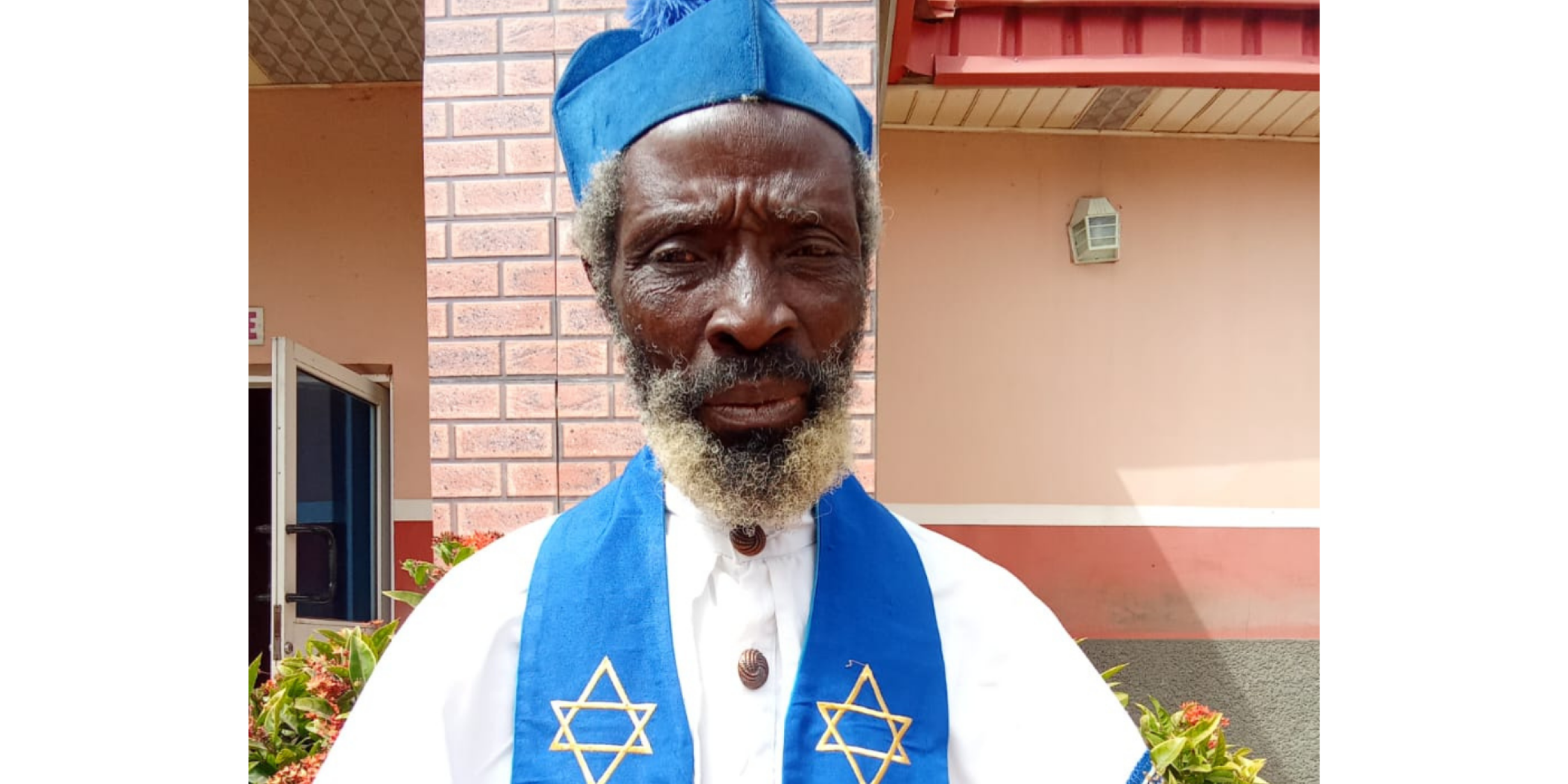
    Is the continued detention of Mazi Nnamdi Kanu, leader of the Indigenous People of Biafra (IPOB), legally justified—or is it a violation of justice and human rights? This question has been reignited following a high-profile prison visit by Kohen Daniel Onuoha, a Nigerian Jewish cleric and spiritual leader of the Peace of Yahweh Synagogue and founder of Eastern Judaism, who met Kanu at the Sokoto Correctional Facility on January 10, 2026.

    Describing the visit as an act of spiritual and moral solidarity, Onuoha said he was accompanied by his wife and representatives of Jewish congregations in Nigeria’s former Eastern Region, whom he said “faithfully observe the Ten Commandments.” According to him, the visit symbolised years of prayers and sacrifices by his community for Kanu’s freedom.

    “For over five years, we have remained steadfast in daily sacrifices and prayers to Elohim without interruption,” Onuoha said, adding that the prison visit reaffirmed his commitment to justice and liberty.

    During the visit, the cleric directly challenged the legal foundation of Kanu’s continued incarceration, urging the international community, legal experts, and human rights organisations to examine what he described as questionable legal grounds for the case. He argued that Kanu’s prosecution was based on a repealed law, making the detention unlawful.

    Onuoha also rejected the designation of Kanu and IPOB as terrorists, insisting that neither the separatist leader nor the movement had committed violent acts. “Mazi Nnamdi Kanu is not a terrorist, and IPOB is not a terrorist organisation,” he declared, adding that Kanu’s ordeal stemmed from the peaceful exercise of self-determination and his public criticism of alleged abuses by political elites, foreign interests, and local power structures.

    He further contended that speech alone cannot justify criminal conviction, stressing that verbal expressions or broadcasts without evidence of violence should not result in imprisonment. Calling for Kanu’s “immediate and unconditional release,” the Jewish leader said such action was necessary to uphold justice and the rule of law.

    Beyond Kanu’s case, Onuoha appealed for broader international intervention, arguing that Biafrans continue to face marginalisation, oppression, and violence. He commended U.S. President Donald Trump for what he described as efforts to protect Christians in Nigeria and urged increased global pressure on Nigerian authorities over alleged human rights violations.

    In his closing remarks, Onuoha called on Kanu’s supporters, Biafrans, Jews, and human rights advocates to remain peaceful, resilient, and steadfast, expressing confidence that justice would ultimately prevail.

    The visit raises urgent questions: Is Nnamdi Kanu’s detention legally valid? Has the terrorism label been misapplied? And will international scrutiny finally force a reassessment of one of Nigeria’s most controversial political prosecutions?

    Is Nnamdi Kanu Being Illegally Detained? Nigerian Jewish Leader Visits IPOB Founder in Sokoto Prison, Rejects Terrorism Label and Demands His Immediate Release Is the continued detention of Mazi Nnamdi Kanu, leader of the Indigenous People of Biafra (IPOB), legally justified—or is it a violation of justice and human rights? This question has been reignited following a high-profile prison visit by Kohen Daniel Onuoha, a Nigerian Jewish cleric and spiritual leader of the Peace of Yahweh Synagogue and founder of Eastern Judaism, who met Kanu at the Sokoto Correctional Facility on January 10, 2026. Describing the visit as an act of spiritual and moral solidarity, Onuoha said he was accompanied by his wife and representatives of Jewish congregations in Nigeria’s former Eastern Region, whom he said “faithfully observe the Ten Commandments.” According to him, the visit symbolised years of prayers and sacrifices by his community for Kanu’s freedom. “For over five years, we have remained steadfast in daily sacrifices and prayers to Elohim without interruption,” Onuoha said, adding that the prison visit reaffirmed his commitment to justice and liberty. During the visit, the cleric directly challenged the legal foundation of Kanu’s continued incarceration, urging the international community, legal experts, and human rights organisations to examine what he described as questionable legal grounds for the case. He argued that Kanu’s prosecution was based on a repealed law, making the detention unlawful. Onuoha also rejected the designation of Kanu and IPOB as terrorists, insisting that neither the separatist leader nor the movement had committed violent acts. “Mazi Nnamdi Kanu is not a terrorist, and IPOB is not a terrorist organisation,” he declared, adding that Kanu’s ordeal stemmed from the peaceful exercise of self-determination and his public criticism of alleged abuses by political elites, foreign interests, and local power structures. He further contended that speech alone cannot justify criminal conviction, stressing that verbal expressions or broadcasts without evidence of violence should not result in imprisonment. Calling for Kanu’s “immediate and unconditional release,” the Jewish leader said such action was necessary to uphold justice and the rule of law. Beyond Kanu’s case, Onuoha appealed for broader international intervention, arguing that Biafrans continue to face marginalisation, oppression, and violence. He commended U.S. President Donald Trump for what he described as efforts to protect Christians in Nigeria and urged increased global pressure on Nigerian authorities over alleged human rights violations. In his closing remarks, Onuoha called on Kanu’s supporters, Biafrans, Jews, and human rights advocates to remain peaceful, resilient, and steadfast, expressing confidence that justice would ultimately prevail. The visit raises urgent questions: Is Nnamdi Kanu’s detention legally valid? Has the terrorism label been misapplied? And will international scrutiny finally force a reassessment of one of Nigeria’s most controversial political prosecutions?
    0 Commentarios ·0 Acciones ·955 Views
  • Why Is Tinubu Budgeting ₦6.1 Billion for Foreign Trips in 2026? What Nigeria’s Travel Spending Reveals About Presidential Priorities

    A review of Nigeria’s 2026 budget has revealed that President Bola Tinubu plans to spend ₦6.1 billion on foreign travels in the coming fiscal year, raising fresh questions about government priorities amid economic strain. The figure, listed under “State House operations – President,” also shows an additional ₦873 million earmarked for local travel. When combined with the Vice President’s projected foreign travel costs of ₦1.3 billion, total international trip spending by the Presidency in 2026 is expected to reach ₦7.4 billion.

    The budget breakdown comes as Nigerians continue to grapple with rising living costs and fiscal pressures. According to the documents, travel expenses remain a major component of State House spending, with another ₦375 million allocated for foodstuffs and catering materials alone. While the Presidency has not released a detailed justification for the travel budget, officials insist the trips are essential for diplomacy, investment, and international engagement.

    Recent movements by the President have already drawn public attention. President Tinubu recently departed Lagos for Europe before heading to Abu Dhabi at the invitation of UAE President Sheikh Mohamed bin Zayed Al Nahyan to attend the Abu Dhabi Sustainability Week Summit (ADSW 2026). The Presidency described the summit as a high-level global forum bringing together leaders from government, business, and civil society to discuss sustainable development. Officials also confirmed that the President would return to Nigeria after the event.

    However, critics argue that the scale of spending on foreign trips is difficult to justify, especially in light of past expenditure. Although comprehensive 2025 data is unavailable, records from the Open Treasury Portal show that in 2024 alone, the State House spent over ₦36.3 billion on international travel. This included ₦12.2 billion for “international travel and transport (training)” and ₦24.19 billion for “international travel and transport (others).” Local travel was even more costly, with ₦47 billion spent on training and other domestic trips. In total, travel expenses—both local and foreign—amounted to approximately ₦83 billion in 2024.

    Further reports revealed that between February and July 2024, the Presidency spent about ₦2.3 billion on foreign trips, while an additional ₦2.9 billion went toward foreign exchange for trips involving the President, Vice President, and First Lady across several countries. Payments running into hundreds of millions of naira were also recorded in individual months, fueling debate over transparency and fiscal discipline.

    Opposition figures, including former presidential candidate Peter Obi, have questioned the frequency and cost of the President’s travels. At the same time, government officials have defended the expenditure. Nigeria’s Minister of Foreign Affairs, Ambassador Yusuf Maitama Tuggar, has argued that the President should even travel more to advance Nigeria’s diplomatic and economic interests globally.

    With the 2026 budget now in focus, the key questions remain: Does the ₦6.1 billion allocation reflect necessary diplomacy or excessive spending? How does such expenditure align with Nigeria’s current economic challenges? And will the government provide clearer accountability for the rising cost of presidential travel? As public scrutiny intensifies, the debate over leadership priorities and fiscal responsibility is likely to continue.


    Why Is Tinubu Budgeting ₦6.1 Billion for Foreign Trips in 2026? What Nigeria’s Travel Spending Reveals About Presidential Priorities A review of Nigeria’s 2026 budget has revealed that President Bola Tinubu plans to spend ₦6.1 billion on foreign travels in the coming fiscal year, raising fresh questions about government priorities amid economic strain. The figure, listed under “State House operations – President,” also shows an additional ₦873 million earmarked for local travel. When combined with the Vice President’s projected foreign travel costs of ₦1.3 billion, total international trip spending by the Presidency in 2026 is expected to reach ₦7.4 billion. The budget breakdown comes as Nigerians continue to grapple with rising living costs and fiscal pressures. According to the documents, travel expenses remain a major component of State House spending, with another ₦375 million allocated for foodstuffs and catering materials alone. While the Presidency has not released a detailed justification for the travel budget, officials insist the trips are essential for diplomacy, investment, and international engagement. Recent movements by the President have already drawn public attention. President Tinubu recently departed Lagos for Europe before heading to Abu Dhabi at the invitation of UAE President Sheikh Mohamed bin Zayed Al Nahyan to attend the Abu Dhabi Sustainability Week Summit (ADSW 2026). The Presidency described the summit as a high-level global forum bringing together leaders from government, business, and civil society to discuss sustainable development. Officials also confirmed that the President would return to Nigeria after the event. However, critics argue that the scale of spending on foreign trips is difficult to justify, especially in light of past expenditure. Although comprehensive 2025 data is unavailable, records from the Open Treasury Portal show that in 2024 alone, the State House spent over ₦36.3 billion on international travel. This included ₦12.2 billion for “international travel and transport (training)” and ₦24.19 billion for “international travel and transport (others).” Local travel was even more costly, with ₦47 billion spent on training and other domestic trips. In total, travel expenses—both local and foreign—amounted to approximately ₦83 billion in 2024. Further reports revealed that between February and July 2024, the Presidency spent about ₦2.3 billion on foreign trips, while an additional ₦2.9 billion went toward foreign exchange for trips involving the President, Vice President, and First Lady across several countries. Payments running into hundreds of millions of naira were also recorded in individual months, fueling debate over transparency and fiscal discipline. Opposition figures, including former presidential candidate Peter Obi, have questioned the frequency and cost of the President’s travels. At the same time, government officials have defended the expenditure. Nigeria’s Minister of Foreign Affairs, Ambassador Yusuf Maitama Tuggar, has argued that the President should even travel more to advance Nigeria’s diplomatic and economic interests globally. With the 2026 budget now in focus, the key questions remain: Does the ₦6.1 billion allocation reflect necessary diplomacy or excessive spending? How does such expenditure align with Nigeria’s current economic challenges? And will the government provide clearer accountability for the rising cost of presidential travel? As public scrutiny intensifies, the debate over leadership priorities and fiscal responsibility is likely to continue.
    0 Commentarios ·0 Acciones ·725 Views
  • Is the Okada Ban Being Enforced Again in Abuja? Police Impound 21 Motorcycles, Arrest Riders as Security Agencies Crack Down on Restricted Roads

    Is the long-standing ban on commercial motorcycles finally being enforced with renewed force in Abuja—and what does it mean for commuters, riders, and public safety in the nation’s capital?

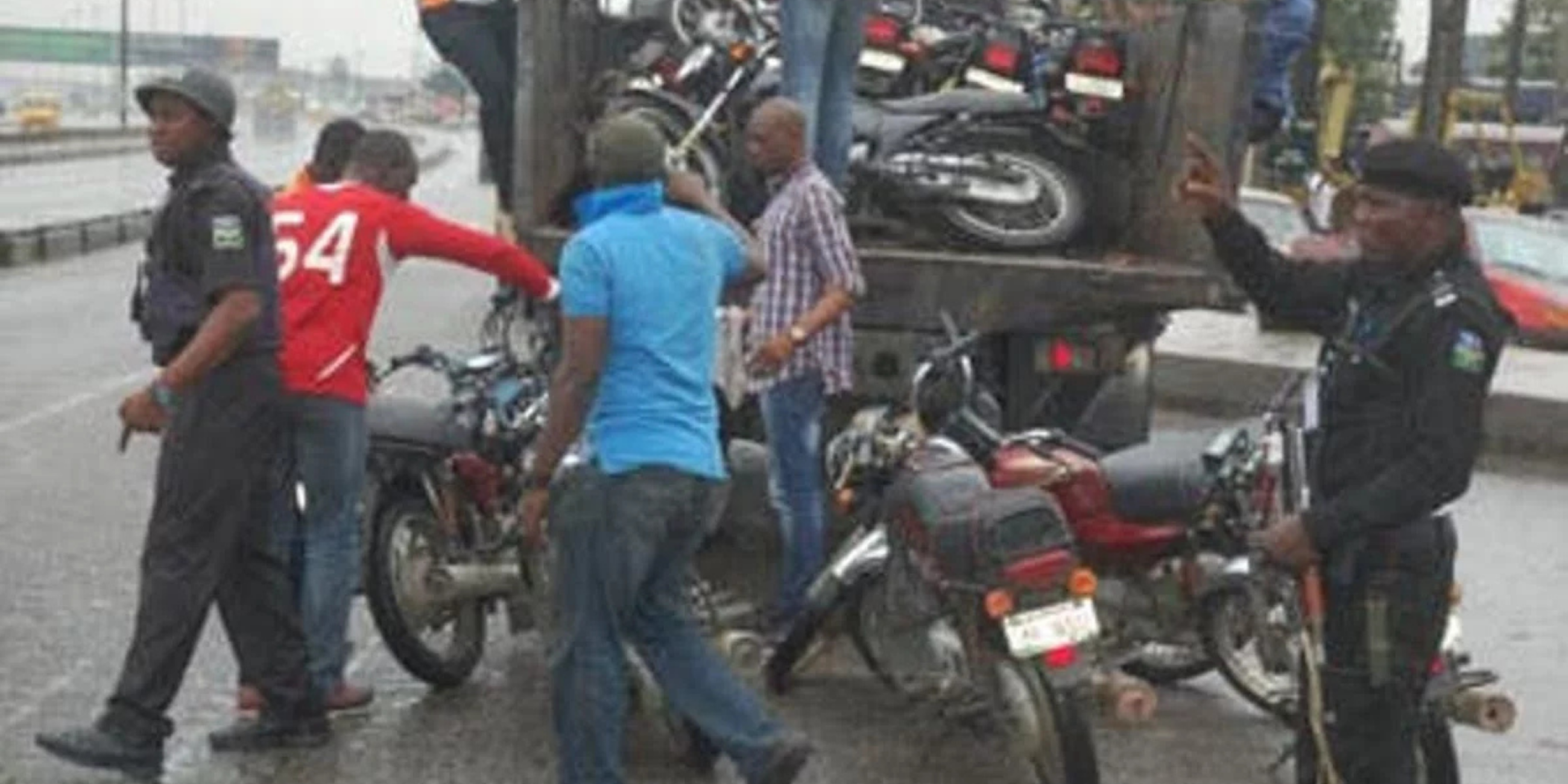
    The Federal Capital Territory (FCT) Police Command, working with other security agencies, has impounded 21 commercial motorcycles and arrested their riders for violating restrictions on motorcycle operations along major roads and highways in Abuja. The enforcement, carried out on Thursday under the Operation Sweep initiative alongside officials of the Vehicle Inspection Office (VIO), targeted key corridors where commercial motorcyclists—popularly known as okada riders—were found flouting existing traffic and security laws.

    According to a statement issued by the Police Public Relations Officer, Josephine Adeh, the arrested riders and seized motorcycles were apprehended strictly in line with “extant laws guiding traffic and security operations” in the FCT. The police described the action as part of a sustained inter-agency strategy aimed at curbing traffic-related crimes, preventing the use of commercial motorcycles for criminal activities, and strengthening public safety across Abuja.

    But is this operation merely routine traffic enforcement—or a signal of a broader security clampdown? Authorities say the ban on commercial motorcycles along major highways remains in force, citing persistent concerns over accidents, robbery, and the ease with which criminals can use motorcycles to evade arrest. By focusing on major roads and restricted routes, the agencies involved insist they are prioritizing both road safety and crime prevention.

    Reacting to the operation, the Commissioner of Police, FCT Command, Miller Dantawaye, reaffirmed the command’s commitment to strict enforcement of all traffic and security regulations designed to protect lives and property. He warned that continued defiance of the motorcycle ban would attract “decisive enforcement actions”, adding that similar operations would be intensified across the six Area Councils of the FCT.

    The police also urged residents to cooperate with security agencies, comply with traffic directives, and promptly report suspicious activities through official emergency lines. Yet, questions remain: Will sustained enforcement reduce crime and accidents, or will it deepen the economic hardship of riders who rely on commercial motorcycles for survival? How will commuters in underserved areas cope with limited transport options if restrictions tighten further?

    As Abuja grapples with balancing security, mobility, and livelihoods, the latest crackdown has reignited debate over the future of commercial motorcycles in the capital—testing whether enforcement alone can deliver safer roads without leaving thousands of riders stranded.

    Is the Okada Ban Being Enforced Again in Abuja? Police Impound 21 Motorcycles, Arrest Riders as Security Agencies Crack Down on Restricted Roads Is the long-standing ban on commercial motorcycles finally being enforced with renewed force in Abuja—and what does it mean for commuters, riders, and public safety in the nation’s capital? The Federal Capital Territory (FCT) Police Command, working with other security agencies, has impounded 21 commercial motorcycles and arrested their riders for violating restrictions on motorcycle operations along major roads and highways in Abuja. The enforcement, carried out on Thursday under the Operation Sweep initiative alongside officials of the Vehicle Inspection Office (VIO), targeted key corridors where commercial motorcyclists—popularly known as okada riders—were found flouting existing traffic and security laws. According to a statement issued by the Police Public Relations Officer, Josephine Adeh, the arrested riders and seized motorcycles were apprehended strictly in line with “extant laws guiding traffic and security operations” in the FCT. The police described the action as part of a sustained inter-agency strategy aimed at curbing traffic-related crimes, preventing the use of commercial motorcycles for criminal activities, and strengthening public safety across Abuja. But is this operation merely routine traffic enforcement—or a signal of a broader security clampdown? Authorities say the ban on commercial motorcycles along major highways remains in force, citing persistent concerns over accidents, robbery, and the ease with which criminals can use motorcycles to evade arrest. By focusing on major roads and restricted routes, the agencies involved insist they are prioritizing both road safety and crime prevention. Reacting to the operation, the Commissioner of Police, FCT Command, Miller Dantawaye, reaffirmed the command’s commitment to strict enforcement of all traffic and security regulations designed to protect lives and property. He warned that continued defiance of the motorcycle ban would attract “decisive enforcement actions”, adding that similar operations would be intensified across the six Area Councils of the FCT. The police also urged residents to cooperate with security agencies, comply with traffic directives, and promptly report suspicious activities through official emergency lines. Yet, questions remain: Will sustained enforcement reduce crime and accidents, or will it deepen the economic hardship of riders who rely on commercial motorcycles for survival? How will commuters in underserved areas cope with limited transport options if restrictions tighten further? As Abuja grapples with balancing security, mobility, and livelihoods, the latest crackdown has reignited debate over the future of commercial motorcycles in the capital—testing whether enforcement alone can deliver safer roads without leaving thousands of riders stranded.
    0 Commentarios ·0 Acciones ·461 Views
  • Why Is Bayelsa Government House Budgeting ₦1.2 Billion for Foreign Trips, ₦500 Million for VIP Hosting, and ₦100 Million for Christmas Decorations in 2026 While Hospitals Remain Underfunded?

    Fresh scrutiny has been placed on the Bayelsa State Government following revelations from the 2026 budget estimates showing massive allocations for luxury and administrative spending at the Government House, even as critical public institutions, particularly the healthcare sector, remain severely underfunded.

    A review of the budget by SaharaReporters indicates that ₦100 million has been earmarked for Christmas decorations at the Government House alone. In addition, ₦500 million is allocated for hosting VIPs throughout the year, while an even more staggering ₦1.2 billion is budgeted for international travel by the Governor’s office in 2026.

    These figures have triggered public debate over priorities, especially in a state facing infrastructure gaps, rising cost of living, and fragile healthcare services.

    The spending plan appears even more controversial when placed beside Bayelsa’s health-sector allocations. Budget performance documents reveal that between January and September 2025, ₦401 million was spent on international medical trips, yet only ₦5.5 million was allocated to capital expenditure for the state-owned Niger Delta University Teaching Hospital (NDUTH) within the same period.

    A similar pattern was recorded in previous years. In 2024, the state reportedly spent ₦306 million on foreign medical treatment between January and September, while just ₦71 million went into capital projects at NDUTH, despite a total annual budget of ₦780 million for the hospital. In 2023 alone, Bayelsa reportedly spent ₦872.8 million on overseas medical care, reinforcing concerns that public funds are being channelled abroad instead of strengthening local health infrastructure.

    Critics argue that the 2026 allocations for foreign travel, VIP hospitality, and festive décor reflect a continued culture of elite comfort over public welfare. They say the government’s financial choices raise serious questions about governance priorities in a state where public hospitals struggle with outdated equipment, limited facilities, and underfunding.

    The controversy also revives earlier national debates on medical tourism by public officials. In 2022, lawmakers at the federal level attempted to amend the National Health Act 2014 with a bill proposing a ₦500 million fine or seven years’ imprisonment for public officers who fund overseas medical treatment with public resources. Although the bill failed after intense debate, its intent was clear: to force leaders to invest in Nigeria’s healthcare system rather than abandoning it.

    With Bayelsa’s 2026 budget now in focus, many citizens are asking whether the state government is prioritising public service or political comfort. Should billions be spent on foreign trips, VIP entertainment, and decorations while hospitals lack basic equipment and capital funding? And at what point does official spending become a symbol of misplaced priorities?

    As economic pressures mount and calls for fiscal responsibility grow louder, the Bayelsa budget has become a test case for accountability, transparency, and the true meaning of governance in a democracy.
    Why Is Bayelsa Government House Budgeting ₦1.2 Billion for Foreign Trips, ₦500 Million for VIP Hosting, and ₦100 Million for Christmas Decorations in 2026 While Hospitals Remain Underfunded? Fresh scrutiny has been placed on the Bayelsa State Government following revelations from the 2026 budget estimates showing massive allocations for luxury and administrative spending at the Government House, even as critical public institutions, particularly the healthcare sector, remain severely underfunded. A review of the budget by SaharaReporters indicates that ₦100 million has been earmarked for Christmas decorations at the Government House alone. In addition, ₦500 million is allocated for hosting VIPs throughout the year, while an even more staggering ₦1.2 billion is budgeted for international travel by the Governor’s office in 2026. These figures have triggered public debate over priorities, especially in a state facing infrastructure gaps, rising cost of living, and fragile healthcare services. The spending plan appears even more controversial when placed beside Bayelsa’s health-sector allocations. Budget performance documents reveal that between January and September 2025, ₦401 million was spent on international medical trips, yet only ₦5.5 million was allocated to capital expenditure for the state-owned Niger Delta University Teaching Hospital (NDUTH) within the same period. A similar pattern was recorded in previous years. In 2024, the state reportedly spent ₦306 million on foreign medical treatment between January and September, while just ₦71 million went into capital projects at NDUTH, despite a total annual budget of ₦780 million for the hospital. In 2023 alone, Bayelsa reportedly spent ₦872.8 million on overseas medical care, reinforcing concerns that public funds are being channelled abroad instead of strengthening local health infrastructure. Critics argue that the 2026 allocations for foreign travel, VIP hospitality, and festive décor reflect a continued culture of elite comfort over public welfare. They say the government’s financial choices raise serious questions about governance priorities in a state where public hospitals struggle with outdated equipment, limited facilities, and underfunding. The controversy also revives earlier national debates on medical tourism by public officials. In 2022, lawmakers at the federal level attempted to amend the National Health Act 2014 with a bill proposing a ₦500 million fine or seven years’ imprisonment for public officers who fund overseas medical treatment with public resources. Although the bill failed after intense debate, its intent was clear: to force leaders to invest in Nigeria’s healthcare system rather than abandoning it. With Bayelsa’s 2026 budget now in focus, many citizens are asking whether the state government is prioritising public service or political comfort. Should billions be spent on foreign trips, VIP entertainment, and decorations while hospitals lack basic equipment and capital funding? And at what point does official spending become a symbol of misplaced priorities? As economic pressures mount and calls for fiscal responsibility grow louder, the Bayelsa budget has become a test case for accountability, transparency, and the true meaning of governance in a democracy.
    0 Commentarios ·0 Acciones ·517 Views
  • Amnesty International Condemns Arbitrary Arrest of Activist Abubakar Musa by Nigerian Police in Abuja

    Amnesty International has strongly condemned the arrest of Nigerian activist Abubakar Salim Musa by the police in Abuja, describing it as a clear abuse of power and a violation of the right to freedom of expression. Musa, a young social media user, was reportedly tracked and monitored by officers attached to the Gusau Central Police Command, with no formal invitation, complaint, or allegation communicated to him prior to his detention.

    According to reports, Musa was abducted by heavily armed security personnel at Sounders Suites in Apo Legislative Quarters, Zone E, and detained at the notorious ‘Abattoir’ police detention center, where past detainees have allegedly faced torture. His family and lawyers were initially denied information about his whereabouts, raising concerns about arbitrary detention practices.

    Amnesty International emphasized that Musa’s arrest is unlawful, noting that criticism of government officials is a protected right under international law. The human rights body called for his immediate and unconditional release, stating:

    > “No one should be punished for criticizing a government official. Abubakar Salim did not commit any crime and his arrest shows clear abuse of power.”


    The organization also highlighted a troubling trend in Nigeria, where young people face harassment, threats, and detention for expressing opinions online. Amnesty warned that such actions undermine the rule of law and violate international human rights standards, stressing that social media criticism alone cannot justify police detention.

    This case raises broader concerns about freedom of expression in Nigeria and the increasing risks faced by activists and young citizens who hold government officials accountable online. Amnesty International called on Nigerian authorities to respect the rights of individuals to dissent, urging legal reforms and protective measures for those exercising their fundamental freedoms.

    Amnesty International Condemns Arbitrary Arrest of Activist Abubakar Musa by Nigerian Police in Abuja Amnesty International has strongly condemned the arrest of Nigerian activist Abubakar Salim Musa by the police in Abuja, describing it as a clear abuse of power and a violation of the right to freedom of expression. Musa, a young social media user, was reportedly tracked and monitored by officers attached to the Gusau Central Police Command, with no formal invitation, complaint, or allegation communicated to him prior to his detention. According to reports, Musa was abducted by heavily armed security personnel at Sounders Suites in Apo Legislative Quarters, Zone E, and detained at the notorious ‘Abattoir’ police detention center, where past detainees have allegedly faced torture. His family and lawyers were initially denied information about his whereabouts, raising concerns about arbitrary detention practices. Amnesty International emphasized that Musa’s arrest is unlawful, noting that criticism of government officials is a protected right under international law. The human rights body called for his immediate and unconditional release, stating: > “No one should be punished for criticizing a government official. Abubakar Salim did not commit any crime and his arrest shows clear abuse of power.” The organization also highlighted a troubling trend in Nigeria, where young people face harassment, threats, and detention for expressing opinions online. Amnesty warned that such actions undermine the rule of law and violate international human rights standards, stressing that social media criticism alone cannot justify police detention. This case raises broader concerns about freedom of expression in Nigeria and the increasing risks faced by activists and young citizens who hold government officials accountable online. Amnesty International called on Nigerian authorities to respect the rights of individuals to dissent, urging legal reforms and protective measures for those exercising their fundamental freedoms.
    0 Commentarios ·0 Acciones ·399 Views
  • How Did Two Young Men Try to Smuggle Marijuana Into a Kano Court? Who Were They Working For—and What Does Their Arrest Reveal About Nigeria’s Prison Drug Crisis?

    How were two young men able to attempt a drug drop inside a court facility in Kano—and what does their arrest expose about the growing challenge of narcotics trafficking into Nigeria’s custodial system?

    The Nigerian Correctional Service (NCoS), Kano State Command, has arrested two men for allegedly attempting to smuggle marijuana and other illicit substances to inmates during court proceedings at the Nomansland Court Complex. The suspects—identified as 25-year-old Usman Khalid and 24-year-old Bello Musa Ahmed, both from the Tsamiya (Brigade) area of Kano—were apprehended by officers attached to the Medium Security Custodial Centre (MSCC), Goron Dutse.

    According to the NCoS, the men were caught while allegedly trying to throw wraps of Indian hemp and other prohibited drugs to inmates as they were being moved in and out of the court. The arrest was confirmed by the Command’s Public Relations Officer, CSC Musbahu Lawan-Kofarnasarawa, who said the suspects were intercepted before the items could reach any prisoner.

    But why would suspects risk such a public and tightly controlled environment to deliver drugs? And who exactly were they trying to supply? While authorities have not yet disclosed whether the suspects were linked to a wider trafficking network, the incident has raised fresh concerns about how criminal elements attempt to exploit court appearances and inmate movements to bypass prison security.

    Reacting to the incident, the Controller of Corrections in Kano State, Ado Inuwa, described the act as a serious security breach and a criminal offence under Nigerian law. He warned members of the public to desist from any interaction with inmates during court transfers, stressing that such conduct threatens both public safety and the integrity of the justice system.

    Inuwa reaffirmed the NCoS’s commitment to rehabilitation and reformation, noting that drug trafficking into custodial facilities undermines discipline, fuels criminal behaviour behind bars, and sabotages correctional objectives. He directed that the suspects and the seized drugs be handed over to the National Drug Law Enforcement Agency (NDLEA) for further investigation and possible prosecution.

    What does this case reveal about the broader problem of drugs in Nigeria’s prisons? The Kano Command reiterated its zero-tolerance policy toward drug-related offences, vowing to maintain maximum security across all custodial centres and judicial premises in the state. The Service also called on residents to report suspicious activities, emphasising that community vigilance remains vital in the fight against narcotics and organised crime.

    As investigations continue, key questions remain unanswered: Were the suspects acting alone or as part of a larger network? Which inmates were the intended recipients? And how many similar attempts go undetected across the country? The outcome of this case may determine not only the fate of the two accused men but also how aggressively authorities tighten security around Nigeria’s courts and correctional facilities in the ongoing war against drugs.


    How Did Two Young Men Try to Smuggle Marijuana Into a Kano Court? Who Were They Working For—and What Does Their Arrest Reveal About Nigeria’s Prison Drug Crisis? How were two young men able to attempt a drug drop inside a court facility in Kano—and what does their arrest expose about the growing challenge of narcotics trafficking into Nigeria’s custodial system? The Nigerian Correctional Service (NCoS), Kano State Command, has arrested two men for allegedly attempting to smuggle marijuana and other illicit substances to inmates during court proceedings at the Nomansland Court Complex. The suspects—identified as 25-year-old Usman Khalid and 24-year-old Bello Musa Ahmed, both from the Tsamiya (Brigade) area of Kano—were apprehended by officers attached to the Medium Security Custodial Centre (MSCC), Goron Dutse. According to the NCoS, the men were caught while allegedly trying to throw wraps of Indian hemp and other prohibited drugs to inmates as they were being moved in and out of the court. The arrest was confirmed by the Command’s Public Relations Officer, CSC Musbahu Lawan-Kofarnasarawa, who said the suspects were intercepted before the items could reach any prisoner. But why would suspects risk such a public and tightly controlled environment to deliver drugs? And who exactly were they trying to supply? While authorities have not yet disclosed whether the suspects were linked to a wider trafficking network, the incident has raised fresh concerns about how criminal elements attempt to exploit court appearances and inmate movements to bypass prison security. Reacting to the incident, the Controller of Corrections in Kano State, Ado Inuwa, described the act as a serious security breach and a criminal offence under Nigerian law. He warned members of the public to desist from any interaction with inmates during court transfers, stressing that such conduct threatens both public safety and the integrity of the justice system. Inuwa reaffirmed the NCoS’s commitment to rehabilitation and reformation, noting that drug trafficking into custodial facilities undermines discipline, fuels criminal behaviour behind bars, and sabotages correctional objectives. He directed that the suspects and the seized drugs be handed over to the National Drug Law Enforcement Agency (NDLEA) for further investigation and possible prosecution. What does this case reveal about the broader problem of drugs in Nigeria’s prisons? The Kano Command reiterated its zero-tolerance policy toward drug-related offences, vowing to maintain maximum security across all custodial centres and judicial premises in the state. The Service also called on residents to report suspicious activities, emphasising that community vigilance remains vital in the fight against narcotics and organised crime. As investigations continue, key questions remain unanswered: Were the suspects acting alone or as part of a larger network? Which inmates were the intended recipients? And how many similar attempts go undetected across the country? The outcome of this case may determine not only the fate of the two accused men but also how aggressively authorities tighten security around Nigeria’s courts and correctional facilities in the ongoing war against drugs.
    0 Commentarios ·0 Acciones ·413 Views
  • Did a Pastor Use Police and Courts to Silence a Worker? Ex-Husband’s Shocking Claims Against Apostle Chikere Nwafor | Fintter

    Can a religious leader allegedly use the police and the courts to keep a poor church worker behind bars—and get away with it?

    A disturbing set of allegations has emerged against Apostle Chikere Nwafor, founder of Heaven’s Gateway Ministries in Lagos, after her ex-husband, Mr. Martin Ogbulu, accused her of orchestrating the arrest, prosecution, and continued imprisonment of a longtime church caretaker, Mr. Alfred Morris Oyawari.

    According to Ogbulu, Alfred—who had overseen the church’s building projects, houses, and properties since 2018—has been languishing in Ikoyi Prison since April 2025 over allegations of missing building materials. The ex-husband insists the accusations were fabricated and driven by fear that Alfred might later sue the cleric for wrongful treatment.

    A Caretaker, Not a Criminal?

    Ogbulu describes Alfred as a loyal, humble worker who managed church construction and supervised contractors for years, often while both he and Apostle Chikere were outside Nigeria during the COVID-19 period. Despite the heavy responsibility placed on him, Alfred reportedly earned only ₦40,000 per month.

    He even volunteered to live alone on the church’s three-acre property in Ibeju-Lekki, near Amen Estate—an isolated area where no one else was willing to stay. From there, he acted as caretaker, site supervisor, and the main link between the church leadership and contractors.

    So how did such a worker end up in prison?

    “She Said She Had Locked Him Up”

    Ogbulu claims that in April 2025, Apostle Chikere informed him that Alfred had been arrested because some items allegedly went missing from the construction site. Even if there had been an issue, he questioned the moral basis of criminal prosecution by a religious leader.

    > “Even if it was him, what are you preaching? Are you not preaching forgiveness?” he asked.
    “You bundled a man who looked after your building from 2018 to 2025, locked him up, and took him to court.”


    Since then, Alfred’s case has reportedly been repeatedly adjourned, leaving him stuck in detention.

    Alleged Police Pressure and a Chilling Condition

    In one of the most troubling claims, Ogbulu alleged that the police demanded that Alfred’s relatives sign an undertaking promising that Alfred would never sue Apostle Chikere for wrongful detention as a condition for his release.

    According to him, the Investigating Police Officer handling the case allegedly said that “madam” was giving instructions, and that Alfred’s family must agree not to take legal action if he were freed.

    Ogbulu says he agreed in desperation—because Alfred is poor and has no means to fight the system.

    “He Calls Her From Prison, Begging for Mercy”

    Ogbulu revealed that Alfred occasionally gets access to a phone in prison and uses it to beg Apostle Chikere for forgiveness, calling her “Mummy” and pleading to be released.

    > “Seeing Alfred in prison breaks my heart,” he said.
    “This young man has begged her countless times, even from inside prison.”


    He further described Alfred’s family as extremely poor, saying his father—a retired security officer from a riverine community—lacks the resources to pursue legal action.

    Pattern of Abuse or Isolated Case?

    Beyond Alfred’s ordeal, Ogbulu alleged a broader pattern of intimidation within the church, recounting incidents in which members were allegedly humiliated or physically confronted, only to later be appeased with money.

    He warned that Alfred’s case might be one of many involving vulnerable Nigerians who allegedly fall victim to abuse of power within religious and law-enforcement structures.

    > “Can you imagine how many other people are languishing in jail that nobody knows about?”


    Silence From Those Accused

    When contacted for a response, Apostle Chikere Nwafor reportedly said she would “get back,” but did not. Attempts to reach the police officer allegedly in charge of the case were also unsuccessful.

    This leaves the public with unsettling questions about justice, power, and accountability in Nigeria’s criminal justice system.


    ---

    Questions for Fintter Readers

    Can a religious leader legally influence police and courts this way?

    Should clerics be held to a higher moral and legal standard?

    If these claims are true, what does it say about justice for the poor in Nigeria?

    How many similar cases go unnoticed because victims lack money or influence?


    Join the conversation on Fintter:
    Is this a case of religious authority abusing state power—or is there another side to the story we are not being told?
    Did a Pastor Use Police and Courts to Silence a Worker? Ex-Husband’s Shocking Claims Against Apostle Chikere Nwafor | Fintter Can a religious leader allegedly use the police and the courts to keep a poor church worker behind bars—and get away with it? A disturbing set of allegations has emerged against Apostle Chikere Nwafor, founder of Heaven’s Gateway Ministries in Lagos, after her ex-husband, Mr. Martin Ogbulu, accused her of orchestrating the arrest, prosecution, and continued imprisonment of a longtime church caretaker, Mr. Alfred Morris Oyawari. According to Ogbulu, Alfred—who had overseen the church’s building projects, houses, and properties since 2018—has been languishing in Ikoyi Prison since April 2025 over allegations of missing building materials. The ex-husband insists the accusations were fabricated and driven by fear that Alfred might later sue the cleric for wrongful treatment. A Caretaker, Not a Criminal? Ogbulu describes Alfred as a loyal, humble worker who managed church construction and supervised contractors for years, often while both he and Apostle Chikere were outside Nigeria during the COVID-19 period. Despite the heavy responsibility placed on him, Alfred reportedly earned only ₦40,000 per month. He even volunteered to live alone on the church’s three-acre property in Ibeju-Lekki, near Amen Estate—an isolated area where no one else was willing to stay. From there, he acted as caretaker, site supervisor, and the main link between the church leadership and contractors. So how did such a worker end up in prison? “She Said She Had Locked Him Up” Ogbulu claims that in April 2025, Apostle Chikere informed him that Alfred had been arrested because some items allegedly went missing from the construction site. Even if there had been an issue, he questioned the moral basis of criminal prosecution by a religious leader. > “Even if it was him, what are you preaching? Are you not preaching forgiveness?” he asked. “You bundled a man who looked after your building from 2018 to 2025, locked him up, and took him to court.” Since then, Alfred’s case has reportedly been repeatedly adjourned, leaving him stuck in detention. Alleged Police Pressure and a Chilling Condition In one of the most troubling claims, Ogbulu alleged that the police demanded that Alfred’s relatives sign an undertaking promising that Alfred would never sue Apostle Chikere for wrongful detention as a condition for his release. According to him, the Investigating Police Officer handling the case allegedly said that “madam” was giving instructions, and that Alfred’s family must agree not to take legal action if he were freed. Ogbulu says he agreed in desperation—because Alfred is poor and has no means to fight the system. “He Calls Her From Prison, Begging for Mercy” Ogbulu revealed that Alfred occasionally gets access to a phone in prison and uses it to beg Apostle Chikere for forgiveness, calling her “Mummy” and pleading to be released. > “Seeing Alfred in prison breaks my heart,” he said. “This young man has begged her countless times, even from inside prison.” He further described Alfred’s family as extremely poor, saying his father—a retired security officer from a riverine community—lacks the resources to pursue legal action. Pattern of Abuse or Isolated Case? Beyond Alfred’s ordeal, Ogbulu alleged a broader pattern of intimidation within the church, recounting incidents in which members were allegedly humiliated or physically confronted, only to later be appeased with money. He warned that Alfred’s case might be one of many involving vulnerable Nigerians who allegedly fall victim to abuse of power within religious and law-enforcement structures. > “Can you imagine how many other people are languishing in jail that nobody knows about?” Silence From Those Accused When contacted for a response, Apostle Chikere Nwafor reportedly said she would “get back,” but did not. Attempts to reach the police officer allegedly in charge of the case were also unsuccessful. This leaves the public with unsettling questions about justice, power, and accountability in Nigeria’s criminal justice system. --- 💬 Questions for Fintter Readers Can a religious leader legally influence police and courts this way? Should clerics be held to a higher moral and legal standard? If these claims are true, what does it say about justice for the poor in Nigeria? How many similar cases go unnoticed because victims lack money or influence? 👉 Join the conversation on Fintter: Is this a case of religious authority abusing state power—or is there another side to the story we are not being told?
    0 Commentarios ·0 Acciones ·317 Views
  • Was Justice Denied? Why Is Inspector Oboh Still Detained After Being Cleared of Murder Charges in Rivers State? | Fintter

    Was justice truly served in the case of Inspector Hycenth Oboh—or is this another troubling example of power, politics, and abuse within Nigeria’s law enforcement system?
    In a case that is raising serious constitutional and human rights concerns, Inspector Hycenth Oboh, a serving police officer attached to the Rivers State Commissioner for Energy and Natural Resources, has allegedly been illegally detained for over 18 months without trial, court order, or lawful disciplinary sanction. His prolonged detention follows a tragic shooting incident that occurred on June 18, 2024, at the Eberi-Omuma Local Government Council Secretariat, where two people were killed during a crossfire.
    What makes this case particularly controversial is that Inspector Oboh was reportedly discharged and acquitted during an internal police disciplinary process in August 2024. Despite this, he has remained in custody at the State Criminal Investigation Department (SCID) in Port Harcourt—raising urgent questions about the rule of law, police accountability, and respect for constitutional rights in Nigeria.
    According to sources, Oboh was initially arrested alongside 11 other officers and subjected to investigations by the Homicide Department. They were later tried under the Police Act and Regulations on three counts: discreditable conduct, unlawful exercise of authority, and destruction of government property through the alleged waste of ammunition. All officers pleaded not guilty. Oboh, in particular, denied firing any weapon and reportedly presented medical evidence showing exposure to teargas.
    The internal proceedings reportedly ended with eight officers, including Oboh, being cleared of all charges. However, in a twist that has left many observers baffled, the Rivers State Police Command allegedly ordered a second disciplinary trial without presenting new evidence. While six officers were later dismissed and five released, Inspector Oboh alone was kept in detention, with no official explanation, court arraignment, or detention order.
    Even more disturbing are allegations of political interference. Sources claim that a serving federal lawmaker, Hon. Kelechi Nwogu, who represents Etche/Omuma Federal Constituency, may have influenced senior police officials to ensure Oboh remains detained—allegedly to prevent him from testifying or being fully investigated. Although these claims have not been independently verified and the lawmaker has yet to respond, they deepen public concern about whether the case is being driven by justice or by political interests.
    Beyond the legal questions, the human cost is devastating. Reports indicate that Oboh’s prolonged detention has destroyed his family life, with his wife reportedly leaving with their children due to lack of support. Paradoxically, despite being held over a murder investigation, he is said to have continued receiving his salary, further highlighting contradictions in how the case is being handled.
    Human rights advocates argue that this situation represents a clear violation of constitutional rights, particularly the rights to liberty and fair hearing. As one advocate put it: “You cannot acquit a man, detain him endlessly, and still call it justice. This is a dangerous abuse of power.”
    As of now, there is no known court order, no formal charge, and no legal justification for Inspector Oboh’s continued detention. Calls are growing louder for either his immediate release or for authorities to arraign him before a competent court if credible evidence exists.
    What Do You Think? (Comment Hooks for Fintter)
    If an officer is cleared internally, can the police legally keep him locked up without a court order?
    Is this a case of justice delayed, or justice deliberately denied?
    Could political influence be overriding due process in this matter?
    Should Nigeria reform how police disciplinary actions and criminal prosecutions are handled?
    Join the conversation on Fintter:
    Is Inspector Oboh a victim of systemic abuse—or are there facts the public still doesn’t know?
    Was Justice Denied? Why Is Inspector Oboh Still Detained After Being Cleared of Murder Charges in Rivers State? | Fintter Was justice truly served in the case of Inspector Hycenth Oboh—or is this another troubling example of power, politics, and abuse within Nigeria’s law enforcement system? In a case that is raising serious constitutional and human rights concerns, Inspector Hycenth Oboh, a serving police officer attached to the Rivers State Commissioner for Energy and Natural Resources, has allegedly been illegally detained for over 18 months without trial, court order, or lawful disciplinary sanction. His prolonged detention follows a tragic shooting incident that occurred on June 18, 2024, at the Eberi-Omuma Local Government Council Secretariat, where two people were killed during a crossfire. What makes this case particularly controversial is that Inspector Oboh was reportedly discharged and acquitted during an internal police disciplinary process in August 2024. Despite this, he has remained in custody at the State Criminal Investigation Department (SCID) in Port Harcourt—raising urgent questions about the rule of law, police accountability, and respect for constitutional rights in Nigeria. According to sources, Oboh was initially arrested alongside 11 other officers and subjected to investigations by the Homicide Department. They were later tried under the Police Act and Regulations on three counts: discreditable conduct, unlawful exercise of authority, and destruction of government property through the alleged waste of ammunition. All officers pleaded not guilty. Oboh, in particular, denied firing any weapon and reportedly presented medical evidence showing exposure to teargas. The internal proceedings reportedly ended with eight officers, including Oboh, being cleared of all charges. However, in a twist that has left many observers baffled, the Rivers State Police Command allegedly ordered a second disciplinary trial without presenting new evidence. While six officers were later dismissed and five released, Inspector Oboh alone was kept in detention, with no official explanation, court arraignment, or detention order. Even more disturbing are allegations of political interference. Sources claim that a serving federal lawmaker, Hon. Kelechi Nwogu, who represents Etche/Omuma Federal Constituency, may have influenced senior police officials to ensure Oboh remains detained—allegedly to prevent him from testifying or being fully investigated. Although these claims have not been independently verified and the lawmaker has yet to respond, they deepen public concern about whether the case is being driven by justice or by political interests. Beyond the legal questions, the human cost is devastating. Reports indicate that Oboh’s prolonged detention has destroyed his family life, with his wife reportedly leaving with their children due to lack of support. Paradoxically, despite being held over a murder investigation, he is said to have continued receiving his salary, further highlighting contradictions in how the case is being handled. Human rights advocates argue that this situation represents a clear violation of constitutional rights, particularly the rights to liberty and fair hearing. As one advocate put it: “You cannot acquit a man, detain him endlessly, and still call it justice. This is a dangerous abuse of power.” As of now, there is no known court order, no formal charge, and no legal justification for Inspector Oboh’s continued detention. Calls are growing louder for either his immediate release or for authorities to arraign him before a competent court if credible evidence exists. 💬 What Do You Think? (Comment Hooks for Fintter) If an officer is cleared internally, can the police legally keep him locked up without a court order? Is this a case of justice delayed, or justice deliberately denied? Could political influence be overriding due process in this matter? Should Nigeria reform how police disciplinary actions and criminal prosecutions are handled? 👉 Join the conversation on Fintter: Is Inspector Oboh a victim of systemic abuse—or are there facts the public still doesn’t know?
    0 Commentarios ·0 Acciones ·482 Views
  • “Ondo Government Plans N2.4 Billion Luxury Cars for Lawmakers Amid Judiciary Strike Crisis”

    The Ondo State government, led by Governor Lucky Aiyedatiwa, has proposed a N2.4 billion budget allocation for the purchase of luxury vehicles for lawmakers, raising public concerns amid an ongoing judiciary strike over poor welfare and financial autonomy.
    According to the 2026 budget documents:
    N2.16 billion is earmarked for 27 Fortuner Jeeps for members of the House of Assembly and the Clerk of the House.
    An additional N245 million is designated for vehicles for the Speaker, Deputy Speaker, and Majority Leader, while N85 million is allocated for the Deputy Speaker alone.
    The total proposed expenditure on lawmakers’ vehicles amounts to N2.4 billion.
    Further, N765 million is set aside for renovations of the Assembly Complex and official lodges, including N485 million for the Assembly Complex and N280 million for residential quarters.
    These lavish spending plans have drawn criticism as court activities remain paralyzed across Ondo State. The situation escalated when magistrates and Grade ‘A’ customary court presidents began an indefinite strike, later joined by the Judiciary Staff Union of Nigeria (JUSUN), citing unfulfilled welfare promises and continued undermining of judicial financial autonomy.
    SaharaReporters’ review of the 2025 budget reveals a similar trend, with N2 billion previously allocated for luxury vehicles, including armoured cars for the governor and Toyota Prados for top officials, while critical sectors like rural water, sanitation, and local security outfits saw minimal to zero expenditure. For instance:
    N2.3 billion was budgeted for Amotekun, the state’s local security outfit, but zero was spent.
    Only N309 million was spent on the Rural Water Supply and Sanitation Agency.
    Additionally, the House of Assembly planned N200 million for telephone charges, averaging N16 million per month or N533,333 per day, highlighting a pattern of prioritizing lawmakers’ perks over public welfare.
    This budgetary allocation comes as the Ondo judiciary demands urgent intervention from the government to restore financial autonomy, improve welfare conditions, and resume court activities, stressing that the ongoing strike has left justice inaccessible to the citizens.
    “Ondo Government Plans N2.4 Billion Luxury Cars for Lawmakers Amid Judiciary Strike Crisis” The Ondo State government, led by Governor Lucky Aiyedatiwa, has proposed a N2.4 billion budget allocation for the purchase of luxury vehicles for lawmakers, raising public concerns amid an ongoing judiciary strike over poor welfare and financial autonomy. According to the 2026 budget documents: N2.16 billion is earmarked for 27 Fortuner Jeeps for members of the House of Assembly and the Clerk of the House. An additional N245 million is designated for vehicles for the Speaker, Deputy Speaker, and Majority Leader, while N85 million is allocated for the Deputy Speaker alone. The total proposed expenditure on lawmakers’ vehicles amounts to N2.4 billion. Further, N765 million is set aside for renovations of the Assembly Complex and official lodges, including N485 million for the Assembly Complex and N280 million for residential quarters. These lavish spending plans have drawn criticism as court activities remain paralyzed across Ondo State. The situation escalated when magistrates and Grade ‘A’ customary court presidents began an indefinite strike, later joined by the Judiciary Staff Union of Nigeria (JUSUN), citing unfulfilled welfare promises and continued undermining of judicial financial autonomy. SaharaReporters’ review of the 2025 budget reveals a similar trend, with N2 billion previously allocated for luxury vehicles, including armoured cars for the governor and Toyota Prados for top officials, while critical sectors like rural water, sanitation, and local security outfits saw minimal to zero expenditure. For instance: N2.3 billion was budgeted for Amotekun, the state’s local security outfit, but zero was spent. Only N309 million was spent on the Rural Water Supply and Sanitation Agency. Additionally, the House of Assembly planned N200 million for telephone charges, averaging N16 million per month or N533,333 per day, highlighting a pattern of prioritizing lawmakers’ perks over public welfare. This budgetary allocation comes as the Ondo judiciary demands urgent intervention from the government to restore financial autonomy, improve welfare conditions, and resume court activities, stressing that the ongoing strike has left justice inaccessible to the citizens.
    0 Commentarios ·0 Acciones ·323 Views
  • Where Is Sheikh Khalifa? Family Alleges Weeks-Long Detention — What Really Happened in Abuja?”

    For over 25 days, the family of Sheikh Khalifa Sani Abdulkadir, a respected Islamic scholar and leader of the Tijaniyya sect Fityanul Islam in Zaria, has been desperate for answers. According to reports, Sheikh Khalifa traveled to Abuja to resolve issues surrounding a blocked bank account, but since that day, he has reportedly been detained by the Department of State Services (DSS).
    His wife, Hajiya Ramatu Khalifa, describes a life now filled with anxiety, sleepless nights, and fear, raising their children alone while not knowing her husband’s whereabouts or well-being. The family claims to have received only a single brief call from Sheikh Khalifa, leaving more questions than answers.
    Reports suggest that the matter may involve a sum of N2 million and, disturbingly, that authorities have classified it as a military case, making transparency even harder. Meanwhile, rumors linking Sheikh Khalifa to allegations of receiving money for prayers related to a coup remain unconfirmed, with the family completely unaware of such claims.
    This raises urgent questions for the public: Why has Sheikh Khalifa been detained for so long? What exactly is the connection between his bank account and the military case? Should families be left in the dark about the detention of religious leaders?
    We want to hear from you, Fintter readers: What do you think is happening in Abuja, and how should authorities handle cases like this? Share your thoughts in the comments and join the conversation.
    Where Is Sheikh Khalifa? Family Alleges Weeks-Long Detention — What Really Happened in Abuja?” For over 25 days, the family of Sheikh Khalifa Sani Abdulkadir, a respected Islamic scholar and leader of the Tijaniyya sect Fityanul Islam in Zaria, has been desperate for answers. According to reports, Sheikh Khalifa traveled to Abuja to resolve issues surrounding a blocked bank account, but since that day, he has reportedly been detained by the Department of State Services (DSS). His wife, Hajiya Ramatu Khalifa, describes a life now filled with anxiety, sleepless nights, and fear, raising their children alone while not knowing her husband’s whereabouts or well-being. The family claims to have received only a single brief call from Sheikh Khalifa, leaving more questions than answers. Reports suggest that the matter may involve a sum of N2 million and, disturbingly, that authorities have classified it as a military case, making transparency even harder. Meanwhile, rumors linking Sheikh Khalifa to allegations of receiving money for prayers related to a coup remain unconfirmed, with the family completely unaware of such claims. This raises urgent questions for the public: Why has Sheikh Khalifa been detained for so long? What exactly is the connection between his bank account and the military case? Should families be left in the dark about the detention of religious leaders? We want to hear from you, Fintter readers: What do you think is happening in Abuja, and how should authorities handle cases like this? Share your thoughts in the comments and join the conversation.
    0 Commentarios ·0 Acciones ·380 Views
  • Actress Anita Joseph reacts after ex-husband’s online rant, asks him to leave her out of the drama

    Actress Anita Joseph has finally spoken up following a series of heated Instagram posts made by her ex-husband, hypeman MC Fish, where he addressed criticism about his profession and marriage — without mentioning her name directly.

    In a calm but firm response shared on her IG status, the actress made it clear she wants no part of whatever online battle her ex is currently fighting.

    “Memo to my EX… I don't want to run in the mud with you. Please this is a new year, if you have whatever you want to say, please say it now and let me get on with my life… This new year is growth and all positivity for me. Stop dragging me back with your mess… LEAVE ME ALONE!!!”

    Her reaction comes shortly after MC Fish went on a long Instagram rant defending his career as a hypeman/MC, denying claims that he depended on his ex-wife financially during their marriage, and warning critics to stop “slandering” him. He insisted he contributed meaningfully to the marriage, helped build businesses, and played key roles behind the scenes — all while stressing that he was never a “gold digger.”
    Actress Anita Joseph reacts after ex-husband’s online rant, asks him to leave her out of the drama Actress Anita Joseph has finally spoken up following a series of heated Instagram posts made by her ex-husband, hypeman MC Fish, where he addressed criticism about his profession and marriage — without mentioning her name directly. In a calm but firm response shared on her IG status, the actress made it clear she wants no part of whatever online battle her ex is currently fighting. “Memo to my EX… I don't want to run in the mud with you. Please this is a new year, if you have whatever you want to say, please say it now and let me get on with my life… This new year is growth and all positivity for me. Stop dragging me back with your mess… LEAVE ME ALONE!!!” Her reaction comes shortly after MC Fish went on a long Instagram rant defending his career as a hypeman/MC, denying claims that he depended on his ex-wife financially during their marriage, and warning critics to stop “slandering” him. He insisted he contributed meaningfully to the marriage, helped build businesses, and played key roles behind the scenes — all while stressing that he was never a “gold digger.”
    0 Commentarios ·0 Acciones ·332 Views
  • Canada Deports 366 Nigerians in 2025 as Immigration Crackdown Intensifies, Nigeria Re-Enters Top 10 Deportation List With Nearly 1,000 Awaiting Removal

    Canada has deported at least 366 Nigerians between January and October 2025, marking a sharp escalation in immigration enforcement and Nigeria’s return to the country’s top 10 deported nationalities for the first time in years. Data from the Canada Border Services Agency (CBSA) show that an additional 974 Nigerians are currently listed as “removal in progress,” placing Nigeria fifth globally in pending deportation cases and making it the only African country on the list.

    The surge comes amid Canada’s most aggressive immigration crackdown in over a decade, with authorities now deporting nearly 400 foreign nationals weekly. In the 2024–2025 fiscal year alone, more than 18,000 people were removed at a cost of about $78 million. CBSA figures reveal that failed asylum claims account for roughly 83 per cent of deportations, while criminality represents only a small fraction.

    Canadian officials say the intensified removals are aimed at meeting tighter immigration targets and addressing housing shortages, labour market pressures, and border security concerns. Despite the crackdown, Canada remains a major destination for Nigerians, with tens of thousands migrating, gaining permanent residency, or obtaining citizenship in recent years, underscoring the continued push-and-pull between enforcement and migration demand.
    Canada Deports 366 Nigerians in 2025 as Immigration Crackdown Intensifies, Nigeria Re-Enters Top 10 Deportation List With Nearly 1,000 Awaiting Removal Canada has deported at least 366 Nigerians between January and October 2025, marking a sharp escalation in immigration enforcement and Nigeria’s return to the country’s top 10 deported nationalities for the first time in years. Data from the Canada Border Services Agency (CBSA) show that an additional 974 Nigerians are currently listed as “removal in progress,” placing Nigeria fifth globally in pending deportation cases and making it the only African country on the list. The surge comes amid Canada’s most aggressive immigration crackdown in over a decade, with authorities now deporting nearly 400 foreign nationals weekly. In the 2024–2025 fiscal year alone, more than 18,000 people were removed at a cost of about $78 million. CBSA figures reveal that failed asylum claims account for roughly 83 per cent of deportations, while criminality represents only a small fraction. Canadian officials say the intensified removals are aimed at meeting tighter immigration targets and addressing housing shortages, labour market pressures, and border security concerns. Despite the crackdown, Canada remains a major destination for Nigerians, with tens of thousands migrating, gaining permanent residency, or obtaining citizenship in recent years, underscoring the continued push-and-pull between enforcement and migration demand.
    0 Commentarios ·0 Acciones ·342 Views
  • VIDEO: Sokoto Men Play With Alleged U.S. Bomb Fragments From Christmas Day Airstrike, Mock American Military and Boast Nigerians Are Stronger as DHQ Issues Safety Warning

    A viral video has emerged showing some men, suspected to be herdsmen, handling and playing with what they claim are fragments of a bomb dropped by the United States military during a Christmas Day airstrike in Jabo community, Sokoto State. In the footage obtained by SaharaReporters, the men are seen casually rolling and touching the metallic object while speaking in Hausa, openly mocking the U.S. military and boasting that Nigerians are stronger than any foreign or local armed force.

    The men derided America as a “disgrace,” claimed that no U.S. missile or nuclear weapon could successfully strike Nigerian soil, and suggested that divine will alone determines outcomes. Despite the obvious danger, they laughed and encouraged one another to “show strength,” while praying that the fragment would not explode.

    The video surfaced amid heightened security concerns following reports that explosive materials from the alleged U.S. airstrike site had been taken by unauthorised persons. Nigeria’s Defence Headquarters (DHQ) confirmed awareness of the situation and issued a strong warning to residents, urging anyone in possession of such materials to return them immediately.

    Speaking in Abuja, the Director of Defence Media Operations, Major General Michael Onoja, stressed that the items were highly dangerous and should only be handled by trained military personnel. He appealed to the public and the media to help ensure the safe return of the materials to nearby military bases or recognised security locations to prevent potential loss of lives and further harm.
    VIDEO: Sokoto Men Play With Alleged U.S. Bomb Fragments From Christmas Day Airstrike, Mock American Military and Boast Nigerians Are Stronger as DHQ Issues Safety Warning A viral video has emerged showing some men, suspected to be herdsmen, handling and playing with what they claim are fragments of a bomb dropped by the United States military during a Christmas Day airstrike in Jabo community, Sokoto State. In the footage obtained by SaharaReporters, the men are seen casually rolling and touching the metallic object while speaking in Hausa, openly mocking the U.S. military and boasting that Nigerians are stronger than any foreign or local armed force. The men derided America as a “disgrace,” claimed that no U.S. missile or nuclear weapon could successfully strike Nigerian soil, and suggested that divine will alone determines outcomes. Despite the obvious danger, they laughed and encouraged one another to “show strength,” while praying that the fragment would not explode. The video surfaced amid heightened security concerns following reports that explosive materials from the alleged U.S. airstrike site had been taken by unauthorised persons. Nigeria’s Defence Headquarters (DHQ) confirmed awareness of the situation and issued a strong warning to residents, urging anyone in possession of such materials to return them immediately. Speaking in Abuja, the Director of Defence Media Operations, Major General Michael Onoja, stressed that the items were highly dangerous and should only be handled by trained military personnel. He appealed to the public and the media to help ensure the safe return of the materials to nearby military bases or recognised security locations to prevent potential loss of lives and further harm.
    0 Commentarios ·0 Acciones ·364 Views
  • Nigeria Spends ₦1.4 Trillion Importing Food, Beverages and Vegetable Products in Three Months Amid Rising Hunger – NBS Report

    Nigeria spent a total of ₦1.4 trillion importing prepared foodstuffs, beverages and vegetable products between July and September 2025, according to third-quarter foreign trade data released by the National Bureau of Statistics (NBS). The report shows that prepared foodstuffs, beverages, spirits and vinegar alone accounted for ₦748 billion in imports, while vegetable products were valued at ₦697 billion within the same three-month period.

    The figures highlight Nigeria’s heavy dependence on imported food despite repeated government promises to boost local agricultural production. The spending comes at a time of worsening hunger, rising food prices and pressure from the high dollar-to-naira exchange rate.

    Beyond food items, the data revealed that Nigeria imported live animals and animal products worth ₦382 billion, animal and vegetable fats and oils valued at ₦140 billion, plastics and rubber products worth ₦933 billion, and vehicles, aircraft and related parts costing ₦1.6 trillion. Boilers, machinery and mechanical appliances topped the import list at ₦2.5 trillion, while textile materials and articles amounted to ₦248.3 billion.

    The NBS figures underscore the scale of Nigeria’s import dependence and its implications for food security and foreign exchange stability. The report also comes amid broader concerns about rising import bills, including arms and ammunition, at a time when economic pressures continue to mount across the country.
    Nigeria Spends ₦1.4 Trillion Importing Food, Beverages and Vegetable Products in Three Months Amid Rising Hunger – NBS Report Nigeria spent a total of ₦1.4 trillion importing prepared foodstuffs, beverages and vegetable products between July and September 2025, according to third-quarter foreign trade data released by the National Bureau of Statistics (NBS). The report shows that prepared foodstuffs, beverages, spirits and vinegar alone accounted for ₦748 billion in imports, while vegetable products were valued at ₦697 billion within the same three-month period. The figures highlight Nigeria’s heavy dependence on imported food despite repeated government promises to boost local agricultural production. The spending comes at a time of worsening hunger, rising food prices and pressure from the high dollar-to-naira exchange rate. Beyond food items, the data revealed that Nigeria imported live animals and animal products worth ₦382 billion, animal and vegetable fats and oils valued at ₦140 billion, plastics and rubber products worth ₦933 billion, and vehicles, aircraft and related parts costing ₦1.6 trillion. Boilers, machinery and mechanical appliances topped the import list at ₦2.5 trillion, while textile materials and articles amounted to ₦248.3 billion. The NBS figures underscore the scale of Nigeria’s import dependence and its implications for food security and foreign exchange stability. The report also comes amid broader concerns about rising import bills, including arms and ammunition, at a time when economic pressures continue to mount across the country.
    0 Commentarios ·0 Acciones ·265 Views
  • Sheikh Gumi Criticizes Bombing of Terrorists in Nigeria, Cites Ideological Roots and Security Corruption

    Controversial Islamic cleric Sheikh Ahmed Gumi has criticized the recent bombing of terrorist camps in Nigeria, arguing that military force alone cannot end terrorism, which he says is rooted in ideology. Speaking to TrustTV, Gumi alleged that groups like Boko Haram and ISIS are sponsored by foreign powers, particularly the United States.

    He also accused Nigeria’s security system of corruption, claiming funds intended for modern weapons are mismanaged, and urged the government to withdraw U.S. military involvement. Gumi described Nigerians who supported the strikes as misguided and emphasized learning from South Africa’s approach to combating apartheid.
    Sheikh Gumi Criticizes Bombing of Terrorists in Nigeria, Cites Ideological Roots and Security Corruption Controversial Islamic cleric Sheikh Ahmed Gumi has criticized the recent bombing of terrorist camps in Nigeria, arguing that military force alone cannot end terrorism, which he says is rooted in ideology. Speaking to TrustTV, Gumi alleged that groups like Boko Haram and ISIS are sponsored by foreign powers, particularly the United States. He also accused Nigeria’s security system of corruption, claiming funds intended for modern weapons are mismanaged, and urged the government to withdraw U.S. military involvement. Gumi described Nigerians who supported the strikes as misguided and emphasized learning from South Africa’s approach to combating apartheid.
    0 Commentarios ·0 Acciones ·270 Views
  • Primate Ayodele Warns Tinubu of Imminent Reprisal Attacks After US Airstrikes in Sokoto, Says Terrorists Are Ready and Government Must Prepare

    Popular Lagos-based cleric and founder of the INRI Evangelical Spiritual Church, Primate Babatunde Elijah Ayodele, has issued a strong warning to President Bola Ahmed Tinubu over Nigeria’s worsening security situation following recent United States airstrikes on suspected terrorist hideouts in Sokoto State.
    In a statement released through his media aide, Primate Ayodele cautioned Nigerians against celebrating the US-led military action, arguing that the strikes do not represent genuine support for Nigeria but rather serve America’s strategic interests. According to the cleric, the operation has exposed what he described as the weakness of the Tinubu administration in tackling insecurity, banditry and terrorism.
    Primate Ayodele claimed that terrorists and bandits affected by the airstrikes are already planning heavy reprisals and warned that further attacks could occur. He stressed that kidnapping, terrorism and general insecurity would not end through foreign intervention alone, insisting that Nigeria must take full responsibility for its security challenges. He urged the federal government and the Nigerian military to unite, strengthen intelligence gathering and prepare strategically for possible counter-attacks.
    “The government must get prepared,” Ayodele warned, stating that another bombing and violent retaliation could follow, as criminal groups are allegedly ready for the consequences of the recent strikes.
    His comments come amid intense national debate over the Christmas Day US airstrikes, which the Nigerian Army confirmed were carried out in collaboration with the United States Africa Command against Lakurawa terrorist camps in Sokoto. While the military says the operation degraded terrorist capacity, critics and religious leaders, including Sheikh Ahmad Gumi, have questioned the approach and called for alternative solutions such as education, dialogue and social support for vulnerable communities.
    The warning adds to growing concerns about Nigeria’s security outlook, as authorities continue to battle terrorists, bandits and kidnappers across several regions of the country, despite reported successes by the Nigerian Army and Air Force in neutralising criminal elements.
    Primate Ayodele Warns Tinubu of Imminent Reprisal Attacks After US Airstrikes in Sokoto, Says Terrorists Are Ready and Government Must Prepare Popular Lagos-based cleric and founder of the INRI Evangelical Spiritual Church, Primate Babatunde Elijah Ayodele, has issued a strong warning to President Bola Ahmed Tinubu over Nigeria’s worsening security situation following recent United States airstrikes on suspected terrorist hideouts in Sokoto State. In a statement released through his media aide, Primate Ayodele cautioned Nigerians against celebrating the US-led military action, arguing that the strikes do not represent genuine support for Nigeria but rather serve America’s strategic interests. According to the cleric, the operation has exposed what he described as the weakness of the Tinubu administration in tackling insecurity, banditry and terrorism. Primate Ayodele claimed that terrorists and bandits affected by the airstrikes are already planning heavy reprisals and warned that further attacks could occur. He stressed that kidnapping, terrorism and general insecurity would not end through foreign intervention alone, insisting that Nigeria must take full responsibility for its security challenges. He urged the federal government and the Nigerian military to unite, strengthen intelligence gathering and prepare strategically for possible counter-attacks. “The government must get prepared,” Ayodele warned, stating that another bombing and violent retaliation could follow, as criminal groups are allegedly ready for the consequences of the recent strikes. His comments come amid intense national debate over the Christmas Day US airstrikes, which the Nigerian Army confirmed were carried out in collaboration with the United States Africa Command against Lakurawa terrorist camps in Sokoto. While the military says the operation degraded terrorist capacity, critics and religious leaders, including Sheikh Ahmad Gumi, have questioned the approach and called for alternative solutions such as education, dialogue and social support for vulnerable communities. The warning adds to growing concerns about Nigeria’s security outlook, as authorities continue to battle terrorists, bandits and kidnappers across several regions of the country, despite reported successes by the Nigerian Army and Air Force in neutralising criminal elements.
    0 Commentarios ·0 Acciones ·461 Views
  • Adamawa’s Lamurde Crisis: Disabled Man Searches for Missing Wife and Children Seven Days After Deadly Communal Clash, Appeals for Urgent Help

    The aftermath of the deadly Lamurde communal clash in Adamawa State continues to leave victims traumatised, displaced and uncertain about the fate of their loved ones. The violence, which erupted on December 8 in Lamurde and parts of Demsa Local Government Area, destroyed homes and forced residents to flee for safety, separating many families in the process.

    One of the victims, Mr Alfred Pwanadi, a physically disabled man from the Wadukku community, shared his harrowing ordeal after spending seven days searching for his wife and children without success. Speaking to Legit.ng, Pwanadi said his home was burnt during the attack allegedly carried out by rival community members, forcing his family to flee. Since then, he has neither seen nor heard from them and fears they may have been killed or abducted during the violence.

    Pwanadi, who has no hands and depends entirely on his family for care, revealed that the crisis disrupted plans for his surgery and left him wandering between Numan and Demsa in search of information. Exhausted, hungry and helpless, he reportedly slept at a pavilion for seven days without food or water before receiving assistance from a nearby church and local residents who provided him with clothes and transport fare.

    The traumatised survivor described the emotional pain of losing contact with his family and appealed to the government, community leaders, humanitarian organisations and well-meaning Nigerians for urgent support. He stressed that he is not alone, as many other victims of the Lamurde crisis remain displaced and unsure of their relatives’ whereabouts.

    The incident adds to growing concerns over insecurity and communal violence in Adamawa State, as affected communities continue to struggle with loss, fear and uncertainty while calling for relief, reconciliation and lasting peace.
    Adamawa’s Lamurde Crisis: Disabled Man Searches for Missing Wife and Children Seven Days After Deadly Communal Clash, Appeals for Urgent Help The aftermath of the deadly Lamurde communal clash in Adamawa State continues to leave victims traumatised, displaced and uncertain about the fate of their loved ones. The violence, which erupted on December 8 in Lamurde and parts of Demsa Local Government Area, destroyed homes and forced residents to flee for safety, separating many families in the process. One of the victims, Mr Alfred Pwanadi, a physically disabled man from the Wadukku community, shared his harrowing ordeal after spending seven days searching for his wife and children without success. Speaking to Legit.ng, Pwanadi said his home was burnt during the attack allegedly carried out by rival community members, forcing his family to flee. Since then, he has neither seen nor heard from them and fears they may have been killed or abducted during the violence. Pwanadi, who has no hands and depends entirely on his family for care, revealed that the crisis disrupted plans for his surgery and left him wandering between Numan and Demsa in search of information. Exhausted, hungry and helpless, he reportedly slept at a pavilion for seven days without food or water before receiving assistance from a nearby church and local residents who provided him with clothes and transport fare. The traumatised survivor described the emotional pain of losing contact with his family and appealed to the government, community leaders, humanitarian organisations and well-meaning Nigerians for urgent support. He stressed that he is not alone, as many other victims of the Lamurde crisis remain displaced and unsure of their relatives’ whereabouts. The incident adds to growing concerns over insecurity and communal violence in Adamawa State, as affected communities continue to struggle with loss, fear and uncertainty while calling for relief, reconciliation and lasting peace.
    0 Commentarios ·0 Acciones ·302 Views
Resultados de la búsqueda
Fintter https://fintter.com