Site içinde arama yapın

  • Outrage as Maitama Remains in Darkness, Isaac Fayose Laments Power Failure …….

    Social commentator Isaac Fayose has raised concerns over persistent power outage in Maitama, Abuja’s most expensive and prestigious district. Fayose expressed frustration that despite the area’s elite status and high cost of living, residents have been left without electricity. He described the situation as unacceptable and reflective of deeper problems in Nigeria’s power sector. The complaint has sparked reactions online, with many Nigerians questioning how a top government and diplomatic area can suffer prolonged blackout while authorities remain silent.
    Outrage as Maitama Remains in Darkness, Isaac Fayose Laments Power Failure ……. Social commentator Isaac Fayose has raised concerns over persistent power outage in Maitama, Abuja’s most expensive and prestigious district. Fayose expressed frustration that despite the area’s elite status and high cost of living, residents have been left without electricity. He described the situation as unacceptable and reflective of deeper problems in Nigeria’s power sector. The complaint has sparked reactions online, with many Nigerians questioning how a top government and diplomatic area can suffer prolonged blackout while authorities remain silent.
    love
    2
    · 0 Yorumlar ·0 hisse senetleri ·436 Views ·0 Plays
  • BREAKING: Former President Olusegun Obasanjo on Monday met ex-military ruler Gen. Ibrahim Babangida (retd.) in Minna, Niger State, in a closed-door meeting amid growing political permutations ahead of the 2027 elections.

    The brief meeting, held at Babangida’s hilltop residence, has sparked speculation about opposition realignment and emerging coalitions, including talks around Peter Obi and Rabiu Kwankwaso. Both leaders have remained silent on the visit.

    #BreakingNews #Obasanjo #IBB #NigeriaPolitics #2027Elections
    🚨 BREAKING: Former President Olusegun Obasanjo on Monday met ex-military ruler Gen. Ibrahim Babangida (retd.) in Minna, Niger State, in a closed-door meeting amid growing political permutations ahead of the 2027 elections. The brief meeting, held at Babangida’s hilltop residence, has sparked speculation about opposition realignment and emerging coalitions, including talks around Peter Obi and Rabiu Kwankwaso. Both leaders have remained silent on the visit. #BreakingNews #Obasanjo #IBB #NigeriaPolitics #2027Elections
    love
    1
    · 0 Yorumlar ·0 hisse senetleri ·647 Views
  • Wahala at CAC: Private Jet Video, Emeka Offor Link Throw Registrar-General Magaji Into Fresh Controversy

    Controversy is rocking the Corporate Affairs Commission as its Registrar-General, Ishaq Hussaini Magaji, comes under fire over social media posts showing him on a private jet allegedly sponsored by the Emeka Ufor Foundation. Insiders say the CAC has gone silent despite public backlash. The development revives earlier allegations that Magaji lifted a court restriction on OML 40-linked corporate filings tied to billionaire Emeka Offor. Critics question his accountability, lifestyle and possible conflicts of interest as neither the CAC, supervising ministry nor the Presidency has issued any official clarification.
    Wahala at CAC: Private Jet Video, Emeka Offor Link Throw Registrar-General Magaji Into Fresh Controversy Controversy is rocking the Corporate Affairs Commission as its Registrar-General, Ishaq Hussaini Magaji, comes under fire over social media posts showing him on a private jet allegedly sponsored by the Emeka Ufor Foundation. Insiders say the CAC has gone silent despite public backlash. The development revives earlier allegations that Magaji lifted a court restriction on OML 40-linked corporate filings tied to billionaire Emeka Offor. Critics question his accountability, lifestyle and possible conflicts of interest as neither the CAC, supervising ministry nor the Presidency has issued any official clarification.
    0 Yorumlar ·0 hisse senetleri ·439 Views
  • Lawyer Ejiofor Drag Katsina Govt Over Release Of 70 Suspected Terrorists, Warn Say Na ‘Institutionalised Insecurity

    Na wah oo! Human rights lawyer Ifeanyi Ejiofor don condemn Katsina State government for reportedly releasing 70 suspected bandits and terrorists under “peace accord.” Ejiofor yan say this kain move na dangerous policy wey fit scatter Naija stability, especially for North. E talk say to dey negotiate with armed gangs and dey give dem legitimacy na like to reward violence, and e go dey teach say blood and guns fit settle matter.

    Ejiofor also drag Nigerian govt and security agencies, say dem dey silent, like dem dey tacitly support the release. E use am compare the wahala to DSS wey confirm say Mrs. Calista Ifedi die for detention without trial, alongside many Igbo youths wey dey held unlawfully. E yan say South-East leaders must rise, demand accountability, and prosecute guilty persons properly.

    Ejiofor warn say if terror appeasement continue, Nigeria fit dey sit “on top keg of gunpowder,” as more areas fit dey ceded to jihadist terror. Na serious gbege oo!

    Lawyer Ejiofor Drag Katsina Govt Over Release Of 70 Suspected Terrorists, Warn Say Na ‘Institutionalised Insecurity Na wah oo! Human rights lawyer Ifeanyi Ejiofor don condemn Katsina State government for reportedly releasing 70 suspected bandits and terrorists under “peace accord.” Ejiofor yan say this kain move na dangerous policy wey fit scatter Naija stability, especially for North. E talk say to dey negotiate with armed gangs and dey give dem legitimacy na like to reward violence, and e go dey teach say blood and guns fit settle matter. Ejiofor also drag Nigerian govt and security agencies, say dem dey silent, like dem dey tacitly support the release. E use am compare the wahala to DSS wey confirm say Mrs. Calista Ifedi die for detention without trial, alongside many Igbo youths wey dey held unlawfully. E yan say South-East leaders must rise, demand accountability, and prosecute guilty persons properly. Ejiofor warn say if terror appeasement continue, Nigeria fit dey sit “on top keg of gunpowder,” as more areas fit dey ceded to jihadist terror. Na serious gbege oo!
    0 Yorumlar ·0 hisse senetleri ·544 Views
  • Wahala Don Set for Judiciary! ‘Mr Justice Steppin’ Razor’ Drama Sparks Outrage Over Judges, Bribes and Malami Case

    Wahala don set for Nigeria judiciary as a fiery opinion by human rights lawyer Chidi Anselm Odinkalu don scatter the internet, exposing what many now call the rise of “Mr Justice Steppin’ Razor” inside Nigerian courts.

    The article, inspired by legendary reggae singer Peter Tosh’s song Steppin’ Razor, takes aim at judges who, instead of quietly doing their jobs, now mount the courtroom like a stage—boasting, threatening and performing toughness while serious allegations of bribery and influence quietly pass without action.

    According to Odinkalu, some judges in Nigeria are beginning to see themselves as untouchable strongmen—“dangerous judges”—who talk tough but refuse to use the powers the law has already given them to deal with corruption.

    The writer recalled how in August 2023, a senior judge, Justice Flora Azinge, publicly complained in court that lawyers had allegedly tried to bribe her with ₦10 million. Rather than naming the culprit, reporting the matter or punishing the offenders, she reportedly chose to issue public warnings and threats—without taking concrete action.

    Fast forward to this past week, and history appears to be repeating itself.

    At the Federal High Court in Abuja, Justice Polycarp Nwite, while ruling on the bail application of former Attorney-General of the Federation, Abubakar Malami, his wife and son over money laundering and corruption charges, reportedly declared himself “dangerous.” He warned lawyers not to approach him or attempt to influence his decisions, insisting that any such move would be “vehemently resisted.”

    But Odinkalu no gree.

    According to him, this kind of courtroom performance is nothing but noise if the judge refuses to take the legal steps available to him. Under Nigerian law and international judicial standards, judges are expected to be independent, impartial and firm. Any attempt to influence a judge is a crime—and there are clear options: report to the police, punish for contempt, refer lawyers for disciplinary action, or openly name and shame the offenders.

    Instead, the author says, some judges prefer drama to discipline.

    “This kind of talk without action,” Odinkalu argues, “does more harm than good. It makes the judiciary look weak, compromised and unserious.” In his words, a judge who complains about being approached but refuses to identify or sanction the culprits is not defending justice—he is advertising that he can be tested again.

    In the Malami case, the judge neither named the lawyers allegedly trying to influence him nor recused himself from the matter. To Odinkalu, that is a serious failure of judicial responsibility.

    For many Nigerians already frustrated with corruption, selective justice and political interference in the courts, this write-up only confirms their worst fears: say judges dey shout ‘I be dangerous’, but when e reach time to act, everywhere just go silent.

    As reactions continue online, one thing is clear—this is not just about one judge or one court case. It is about the credibility of Nigeria’s justice system itself.

    And as Nigerians would say:
    If judges dey fear to act, who go protect justice? Wahala don really set for this country judiciary.
    Wahala Don Set for Judiciary! ‘Mr Justice Steppin’ Razor’ Drama Sparks Outrage Over Judges, Bribes and Malami Case Wahala don set for Nigeria judiciary as a fiery opinion by human rights lawyer Chidi Anselm Odinkalu don scatter the internet, exposing what many now call the rise of “Mr Justice Steppin’ Razor” inside Nigerian courts. The article, inspired by legendary reggae singer Peter Tosh’s song Steppin’ Razor, takes aim at judges who, instead of quietly doing their jobs, now mount the courtroom like a stage—boasting, threatening and performing toughness while serious allegations of bribery and influence quietly pass without action. According to Odinkalu, some judges in Nigeria are beginning to see themselves as untouchable strongmen—“dangerous judges”—who talk tough but refuse to use the powers the law has already given them to deal with corruption. The writer recalled how in August 2023, a senior judge, Justice Flora Azinge, publicly complained in court that lawyers had allegedly tried to bribe her with ₦10 million. Rather than naming the culprit, reporting the matter or punishing the offenders, she reportedly chose to issue public warnings and threats—without taking concrete action. Fast forward to this past week, and history appears to be repeating itself. At the Federal High Court in Abuja, Justice Polycarp Nwite, while ruling on the bail application of former Attorney-General of the Federation, Abubakar Malami, his wife and son over money laundering and corruption charges, reportedly declared himself “dangerous.” He warned lawyers not to approach him or attempt to influence his decisions, insisting that any such move would be “vehemently resisted.” But Odinkalu no gree. According to him, this kind of courtroom performance is nothing but noise if the judge refuses to take the legal steps available to him. Under Nigerian law and international judicial standards, judges are expected to be independent, impartial and firm. Any attempt to influence a judge is a crime—and there are clear options: report to the police, punish for contempt, refer lawyers for disciplinary action, or openly name and shame the offenders. Instead, the author says, some judges prefer drama to discipline. “This kind of talk without action,” Odinkalu argues, “does more harm than good. It makes the judiciary look weak, compromised and unserious.” In his words, a judge who complains about being approached but refuses to identify or sanction the culprits is not defending justice—he is advertising that he can be tested again. In the Malami case, the judge neither named the lawyers allegedly trying to influence him nor recused himself from the matter. To Odinkalu, that is a serious failure of judicial responsibility. For many Nigerians already frustrated with corruption, selective justice and political interference in the courts, this write-up only confirms their worst fears: say judges dey shout ‘I be dangerous’, but when e reach time to act, everywhere just go silent. As reactions continue online, one thing is clear—this is not just about one judge or one court case. It is about the credibility of Nigeria’s justice system itself. And as Nigerians would say: If judges dey fear to act, who go protect justice? Wahala don really set for this country judiciary.
    0 Yorumlar ·0 hisse senetleri ·751 Views
  • Is Superstition Holding Nigerian Communities Hostage? How Fear of ‘Poison,’ Rituals, and Dog Poop Is Fueling Paranoia, Poverty, and Exploitation – By Leo Igwe

    Is superstition silently destroying communities in Nigeria—and why are fear, paranoia, and ritual beliefs still shaping how people interpret illness, death, and misfortune?

    In this powerful and unsettling account, Leo Igwe recounts his return to his hometown in southeastern Nigeria after decades away, where he encountered what he describes as the toxic grip of superstition and irrational fear on everyday life. From the moment he arrived, Igwe says he witnessed how ordinary health issues were being interpreted as the work of unseen enemies using “poison,” spiritual attacks, or occult forces.

    A family housekeeper with a swollen hand claimed he had “picked up poison” while farming—an explanation widely accepted by community members, despite no one being able to describe what the poison was, how it worked, or where it came from. Rather than seeking medical help, the man was subjected to prayers, spiritual pressing, and ritual interventions, which only worsened the condition. For Igwe, this was a troubling reminder of how medical problems are often rebranded as spiritual attacks, delaying proper treatment and deepening fear.

    But why does this mindset persist? Igwe explains that in his community, no one is believed to die naturally. Death, illness, stroke, or paralysis are frequently attributed to enemies—often relatives or neighbors—who are accused of using occult means. Phrases like “they have killed him” or “they have finally gotten him” dominate conversations, reinforcing suspicion and tearing families apart. People live in constant fear that someone has planted spiritual “poisons” that they might step on or touch.

    Despite identifying as Christians, many residents, Igwe notes, move between churches, prophets, pastors, traditional priests, and ritual specialists. They pray to Jesus, invoke ancestors, hire “prayer warriors,” and perform sacrifices in an endless cycle of spiritual protection. But does this offer safety—or does it deepen exploitation? Igwe argues that this climate has created fertile ground for con artists, fake prophets, and self-styled spiritual practitioners who extract money in exchange for deliverance, exorcism, and supposed protection.

    One striking episode involved a roaming prayer man who went from house to house, collecting food or money after loud, theatrical prayers. In another home, Igwe witnessed a dramatic ritual in which sand was placed in people’s hands while God was commanded to “open doors,” even instructing someone to physically open the living room door to symbolize prosperity. To Igwe, this performance illustrated how faith is manipulated into spectacle while poverty remains unchanged.

    Perhaps the most disturbing moment came when a neighbor reported that dog feces found in their compound was not ordinary waste but a weapon of spiritual harm. The family believed it had been ritually placed to bring sickness or death—just as, they claimed, their parents had previously been killed. The response? Olive oil poured on it, urine used as a neutralizer, and the case escalated to village authorities. To Igwe, this episode captured how fear transforms harmless events into imagined threats, driving communities deeper into paranoia.

    Addressing a village meeting, Igwe warned of the dangerous consequences of baseless accusations, superstition, and occult blame, citing how such beliefs have destroyed families and communities across the region. He urged residents to free themselves from irrational fear and confront the social damage caused by suspicion, exploitation, and magical thinking.

    So what is the real cost of these beliefs? According to Igwe, communities trapped in superstition remain locked in poverty, fear, and manipulation, unable to address real health, economic, and social challenges. The essay ultimately asks a haunting question: Can communities break free from the cycle of fear before superstition consumes trust, development, and human dignity?

    Is Superstition Holding Nigerian Communities Hostage? How Fear of ‘Poison,’ Rituals, and Dog Poop Is Fueling Paranoia, Poverty, and Exploitation – By Leo Igwe Is superstition silently destroying communities in Nigeria—and why are fear, paranoia, and ritual beliefs still shaping how people interpret illness, death, and misfortune? In this powerful and unsettling account, Leo Igwe recounts his return to his hometown in southeastern Nigeria after decades away, where he encountered what he describes as the toxic grip of superstition and irrational fear on everyday life. From the moment he arrived, Igwe says he witnessed how ordinary health issues were being interpreted as the work of unseen enemies using “poison,” spiritual attacks, or occult forces. A family housekeeper with a swollen hand claimed he had “picked up poison” while farming—an explanation widely accepted by community members, despite no one being able to describe what the poison was, how it worked, or where it came from. Rather than seeking medical help, the man was subjected to prayers, spiritual pressing, and ritual interventions, which only worsened the condition. For Igwe, this was a troubling reminder of how medical problems are often rebranded as spiritual attacks, delaying proper treatment and deepening fear. But why does this mindset persist? Igwe explains that in his community, no one is believed to die naturally. Death, illness, stroke, or paralysis are frequently attributed to enemies—often relatives or neighbors—who are accused of using occult means. Phrases like “they have killed him” or “they have finally gotten him” dominate conversations, reinforcing suspicion and tearing families apart. People live in constant fear that someone has planted spiritual “poisons” that they might step on or touch. Despite identifying as Christians, many residents, Igwe notes, move between churches, prophets, pastors, traditional priests, and ritual specialists. They pray to Jesus, invoke ancestors, hire “prayer warriors,” and perform sacrifices in an endless cycle of spiritual protection. But does this offer safety—or does it deepen exploitation? Igwe argues that this climate has created fertile ground for con artists, fake prophets, and self-styled spiritual practitioners who extract money in exchange for deliverance, exorcism, and supposed protection. One striking episode involved a roaming prayer man who went from house to house, collecting food or money after loud, theatrical prayers. In another home, Igwe witnessed a dramatic ritual in which sand was placed in people’s hands while God was commanded to “open doors,” even instructing someone to physically open the living room door to symbolize prosperity. To Igwe, this performance illustrated how faith is manipulated into spectacle while poverty remains unchanged. Perhaps the most disturbing moment came when a neighbor reported that dog feces found in their compound was not ordinary waste but a weapon of spiritual harm. The family believed it had been ritually placed to bring sickness or death—just as, they claimed, their parents had previously been killed. The response? Olive oil poured on it, urine used as a neutralizer, and the case escalated to village authorities. To Igwe, this episode captured how fear transforms harmless events into imagined threats, driving communities deeper into paranoia. Addressing a village meeting, Igwe warned of the dangerous consequences of baseless accusations, superstition, and occult blame, citing how such beliefs have destroyed families and communities across the region. He urged residents to free themselves from irrational fear and confront the social damage caused by suspicion, exploitation, and magical thinking. So what is the real cost of these beliefs? According to Igwe, communities trapped in superstition remain locked in poverty, fear, and manipulation, unable to address real health, economic, and social challenges. The essay ultimately asks a haunting question: Can communities break free from the cycle of fear before superstition consumes trust, development, and human dignity?
    0 Yorumlar ·0 hisse senetleri ·792 Views
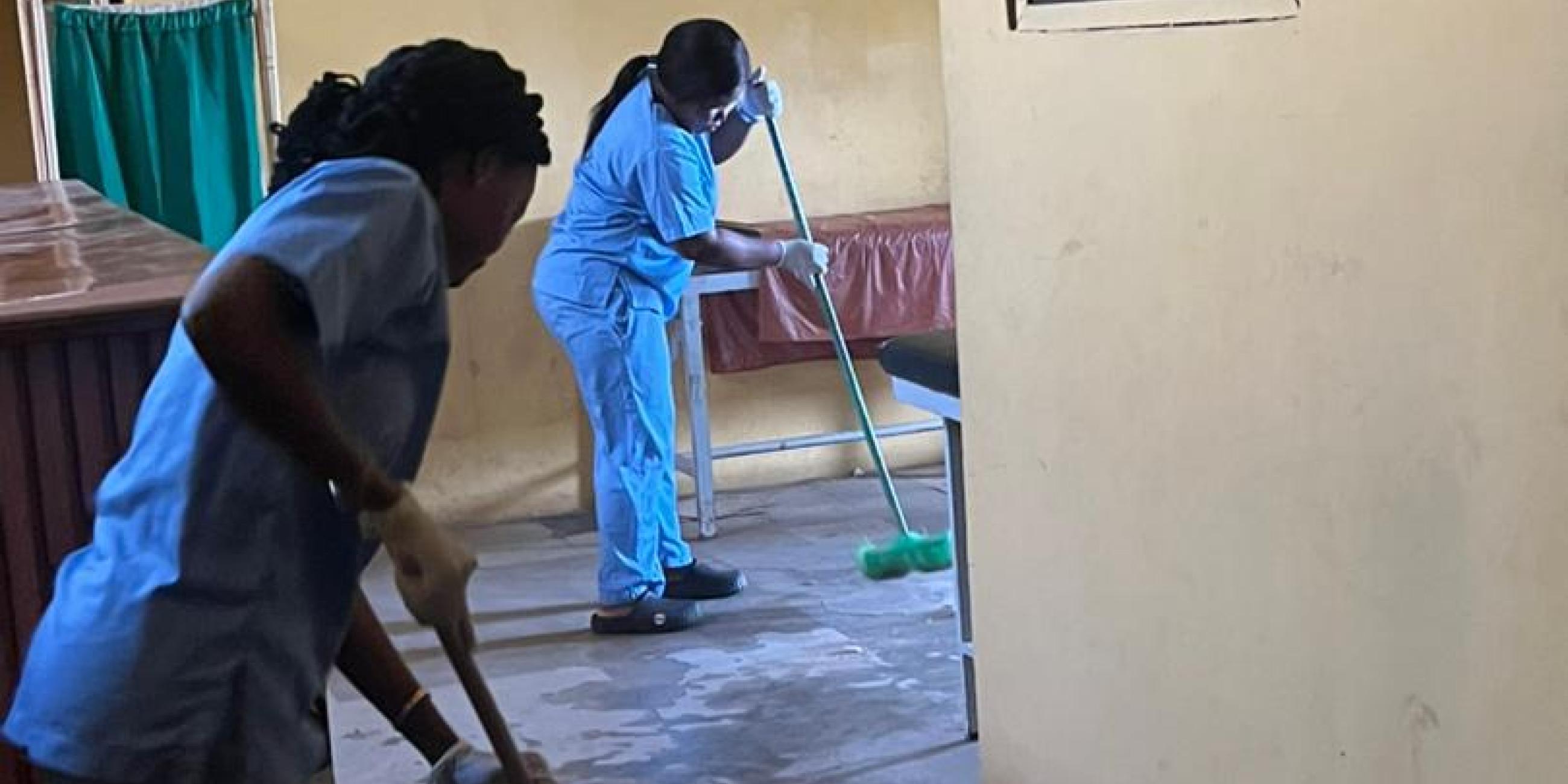
  • Why Are Nigerian Nurses Being Forced to Do Cleaners’ Jobs? Are Hospital CMDs Exploiting Strikes to Intimidate Health Workers Across the Country?

    A growing controversy is shaking Nigeria’s healthcare sector after the Elegant Nurses Forum accused hospital managements across the country of forcing nurses to perform cleaning and other menial duties, a practice the group describes as unethical, unlawful, and professionally degrading.

    In a press statement signed by Nurse Thomas Abiodun Olamide, the forum said it had received multiple complaints from health institutions nationwide, alleging that some Chief Medical Directors (CMDs) are exploiting the ongoing strike by hospital cleaners under the Joint Health Sector Unions (JOHESU) to compel nurses to take over sanitation work.

    According to the forum, this practice violates professional ethics, international best practices, and the legal framework governing nursing in Nigeria. It warned that compelling nurses to abandon clinical responsibilities for cleaning duties not only demeans the profession but also endangers patient safety and healthcare quality.

    The group disclosed that over ten days ago, nurses at the Federal Medical Centre (FMC), Makurdi, Benue State, formally complained of threats and coercion to assume cleaners’ duties. Similar complaints were later received from the Olabisi Onabanjo University Teaching Hospital (OOUTH), Sagamu, Ogun State, along with reports from other tertiary and secondary health facilities nationwide.

    The forum expressed particular concern over the leadership at OOUTH, alleging a persistent pattern of intimidation and harassment of nurses by the hospital’s CMD. According to the statement, nurses were reportedly threatened with job loss, with allegations that political connections were being used to exert pressure. The forum described this as a gross abuse of office, questioning the competence, temperament, and ethical standing of such leadership.

    It further alleged that political interference rather than merit has influenced some CMD appointments, warning that hospitals were being transformed into “tools of oppression” instead of institutions dedicated to patient-centred care.

    Emphasising the professional role of nurses, the forum stated that nurses are trained healthcare practitioners whose duties include patient care, disease prevention, health promotion, and clinical management—not sanitation. Forcing them into menial tasks, it said, devalues their expertise, undermines healthcare delivery, and weakens the entire system.

    In its demands, the Elegant Nurses Forum called for:

    Immediate cessation of all intimidation, threats, and coercion of nurses into non-nursing duties;

    Clear directives from federal and state health ministries prohibiting the assignment of cleaning or other unrelated tasks to nurses;

    Independent investigations and disciplinary action against erring CMDs and administrators;

    Protection of nurses from victimisation and harassment; and

    Transparent, merit-based appointments to hospital leadership positions free from political interference.


    The forum vowed it would not remain silent while nurses are treated as expendable labour and stripped of their professional identity. “Healthcare leadership must be about service, competence, and accountability—not intimidation, arrogance, and abuse of power,” the statement concluded.

    As the allegations spread across multiple states, the central question remains: are hospital authorities protecting patient care—or sacrificing professionalism for power?
    Why Are Nigerian Nurses Being Forced to Do Cleaners’ Jobs? Are Hospital CMDs Exploiting Strikes to Intimidate Health Workers Across the Country? A growing controversy is shaking Nigeria’s healthcare sector after the Elegant Nurses Forum accused hospital managements across the country of forcing nurses to perform cleaning and other menial duties, a practice the group describes as unethical, unlawful, and professionally degrading. In a press statement signed by Nurse Thomas Abiodun Olamide, the forum said it had received multiple complaints from health institutions nationwide, alleging that some Chief Medical Directors (CMDs) are exploiting the ongoing strike by hospital cleaners under the Joint Health Sector Unions (JOHESU) to compel nurses to take over sanitation work. According to the forum, this practice violates professional ethics, international best practices, and the legal framework governing nursing in Nigeria. It warned that compelling nurses to abandon clinical responsibilities for cleaning duties not only demeans the profession but also endangers patient safety and healthcare quality. The group disclosed that over ten days ago, nurses at the Federal Medical Centre (FMC), Makurdi, Benue State, formally complained of threats and coercion to assume cleaners’ duties. Similar complaints were later received from the Olabisi Onabanjo University Teaching Hospital (OOUTH), Sagamu, Ogun State, along with reports from other tertiary and secondary health facilities nationwide. The forum expressed particular concern over the leadership at OOUTH, alleging a persistent pattern of intimidation and harassment of nurses by the hospital’s CMD. According to the statement, nurses were reportedly threatened with job loss, with allegations that political connections were being used to exert pressure. The forum described this as a gross abuse of office, questioning the competence, temperament, and ethical standing of such leadership. It further alleged that political interference rather than merit has influenced some CMD appointments, warning that hospitals were being transformed into “tools of oppression” instead of institutions dedicated to patient-centred care. Emphasising the professional role of nurses, the forum stated that nurses are trained healthcare practitioners whose duties include patient care, disease prevention, health promotion, and clinical management—not sanitation. Forcing them into menial tasks, it said, devalues their expertise, undermines healthcare delivery, and weakens the entire system. In its demands, the Elegant Nurses Forum called for: Immediate cessation of all intimidation, threats, and coercion of nurses into non-nursing duties; Clear directives from federal and state health ministries prohibiting the assignment of cleaning or other unrelated tasks to nurses; Independent investigations and disciplinary action against erring CMDs and administrators; Protection of nurses from victimisation and harassment; and Transparent, merit-based appointments to hospital leadership positions free from political interference. The forum vowed it would not remain silent while nurses are treated as expendable labour and stripped of their professional identity. “Healthcare leadership must be about service, competence, and accountability—not intimidation, arrogance, and abuse of power,” the statement concluded. As the allegations spread across multiple states, the central question remains: are hospital authorities protecting patient care—or sacrificing professionalism for power?
    0 Yorumlar ·0 hisse senetleri ·565 Views
  • “Southern Kaduna Crisis: 138 Kidnapped, 16 Killed in Less Than Two Months — Communities Petition Governor Sani”

    Communities in Southern Kaduna have submitted an urgent petition to Governor Uba Sani and top Nigerian security officials, highlighting a “silent and neglected crisis” that has left 138 people kidnapped and 16 others killed between late November 2025 and early January 2026. The petition, presented by Comrade Nasiru Jagaba, provides a detailed village-by-village account of the violence in Kauru Local Government Area, underlining the severe human toll on residents.
    The worst-affected village, Kabari (Gobirawa), recorded 53 abductions and four killings, followed by Rumaya (28 kidnapped, 3 killed) and Nasarawan Kadage (29 kidnapped, 2 killed). Other villages, including Kajunga, Fadan Rishiwa, Darmanu, and Ningi Karku, reported similar abductions and deaths. Smaller incidents occurred in Rafin Iwa, Fagen Rawa, Unguwan Baka, and Zaman Chawai, showing the widespread nature of the attacks.
    The petition emphasizes that the victims are not mere statistics but farmers, women, youths, and breadwinners whose lives have been shattered. It draws particular attention to a 30 November 2025 incident, in which the Chawai Youth Leader and six others were killed just meters from a military checkpoint, yet there was no immediate response from security forces.
    The petition criticizes local authorities, highlighting the “continued silence” of the Kauru LGA Chairman and the absence of advocacy from state and national lawmakers, which has deepened the community’s sense of abandonment.
    The community is calling for urgent action, including:
    Immediate deployment of security personnel.
    Intelligence-led operations targeting criminal hideouts.
    A public government plan to address ongoing insecurity.
    An independent investigation into the November killings.
    Accountability from elected officials.
    While Governor Sani has promoted a “whole-of-society approach” to tackle insecurity, at the time of reporting, neither the Kaduna State Government nor federal security agencies had responded to the petition, leaving residents desperate for intervention.
    “Southern Kaduna Crisis: 138 Kidnapped, 16 Killed in Less Than Two Months — Communities Petition Governor Sani” Communities in Southern Kaduna have submitted an urgent petition to Governor Uba Sani and top Nigerian security officials, highlighting a “silent and neglected crisis” that has left 138 people kidnapped and 16 others killed between late November 2025 and early January 2026. The petition, presented by Comrade Nasiru Jagaba, provides a detailed village-by-village account of the violence in Kauru Local Government Area, underlining the severe human toll on residents. The worst-affected village, Kabari (Gobirawa), recorded 53 abductions and four killings, followed by Rumaya (28 kidnapped, 3 killed) and Nasarawan Kadage (29 kidnapped, 2 killed). Other villages, including Kajunga, Fadan Rishiwa, Darmanu, and Ningi Karku, reported similar abductions and deaths. Smaller incidents occurred in Rafin Iwa, Fagen Rawa, Unguwan Baka, and Zaman Chawai, showing the widespread nature of the attacks. The petition emphasizes that the victims are not mere statistics but farmers, women, youths, and breadwinners whose lives have been shattered. It draws particular attention to a 30 November 2025 incident, in which the Chawai Youth Leader and six others were killed just meters from a military checkpoint, yet there was no immediate response from security forces. The petition criticizes local authorities, highlighting the “continued silence” of the Kauru LGA Chairman and the absence of advocacy from state and national lawmakers, which has deepened the community’s sense of abandonment. The community is calling for urgent action, including: Immediate deployment of security personnel. Intelligence-led operations targeting criminal hideouts. A public government plan to address ongoing insecurity. An independent investigation into the November killings. Accountability from elected officials. While Governor Sani has promoted a “whole-of-society approach” to tackle insecurity, at the time of reporting, neither the Kaduna State Government nor federal security agencies had responded to the petition, leaving residents desperate for intervention.
    0 Yorumlar ·0 hisse senetleri ·333 Views
  • Ambrose Alli University Students Protest Rising Kidnappings in Ekpoma, Demand Urgent Action on Insecurity in Edo State

    Students of Ambrose Alli University (AAU), Ekpoma, on Monday staged a peaceful protest over the increasing cases of kidnapping and insecurity in the university town, located in Esan West Local Government Area of Edo State. The demonstrators said their action was prompted by growing fear within the AAU community, which they claim has witnessed repeated abductions in recent weeks.

    According to the protesters, the decision to take to the streets followed the recent abduction of a student identified as Akhabhe Favour, as well as the kidnapping of an unnamed former students’ union leader. Speaking during the protest, Andrew Oziegbe, who led the demonstration, said the aim was to compel security agencies and government authorities to take decisive action to address the worsening security situation.

    Oziegbe described the response of relevant authorities as inadequate, warning that continued inaction could further endanger students and residents of Ekpoma. He stressed that students were living in fear and could no longer remain silent in the face of persistent insecurity.

    However, the management of Ambrose Alli University distanced itself from the protest. In a statement issued by the institution’s Principal Assistant Registrar and Head of Information, Protocol and Public Relations, Otunba Mike Ade Aladenika, the university said it neither authorised nor endorsed the demonstration. The school claimed that those involved were not registered students, members of the Students’ Union Government, or affiliated with the university in any capacity.

    The university further warned that any unauthorised actions carried out in its name would attract appropriate measures, adding that it would take steps to protect its interests and maintain order. The protest highlights growing concerns over security in Ekpoma and renewed calls for urgent intervention by security agencies and government authorities to curb kidnappings in the area.
    Ambrose Alli University Students Protest Rising Kidnappings in Ekpoma, Demand Urgent Action on Insecurity in Edo State Students of Ambrose Alli University (AAU), Ekpoma, on Monday staged a peaceful protest over the increasing cases of kidnapping and insecurity in the university town, located in Esan West Local Government Area of Edo State. The demonstrators said their action was prompted by growing fear within the AAU community, which they claim has witnessed repeated abductions in recent weeks. According to the protesters, the decision to take to the streets followed the recent abduction of a student identified as Akhabhe Favour, as well as the kidnapping of an unnamed former students’ union leader. Speaking during the protest, Andrew Oziegbe, who led the demonstration, said the aim was to compel security agencies and government authorities to take decisive action to address the worsening security situation. Oziegbe described the response of relevant authorities as inadequate, warning that continued inaction could further endanger students and residents of Ekpoma. He stressed that students were living in fear and could no longer remain silent in the face of persistent insecurity. However, the management of Ambrose Alli University distanced itself from the protest. In a statement issued by the institution’s Principal Assistant Registrar and Head of Information, Protocol and Public Relations, Otunba Mike Ade Aladenika, the university said it neither authorised nor endorsed the demonstration. The school claimed that those involved were not registered students, members of the Students’ Union Government, or affiliated with the university in any capacity. The university further warned that any unauthorised actions carried out in its name would attract appropriate measures, adding that it would take steps to protect its interests and maintain order. The protest highlights growing concerns over security in Ekpoma and renewed calls for urgent intervention by security agencies and government authorities to curb kidnappings in the area.
    0 Yorumlar ·0 hisse senetleri ·359 Views
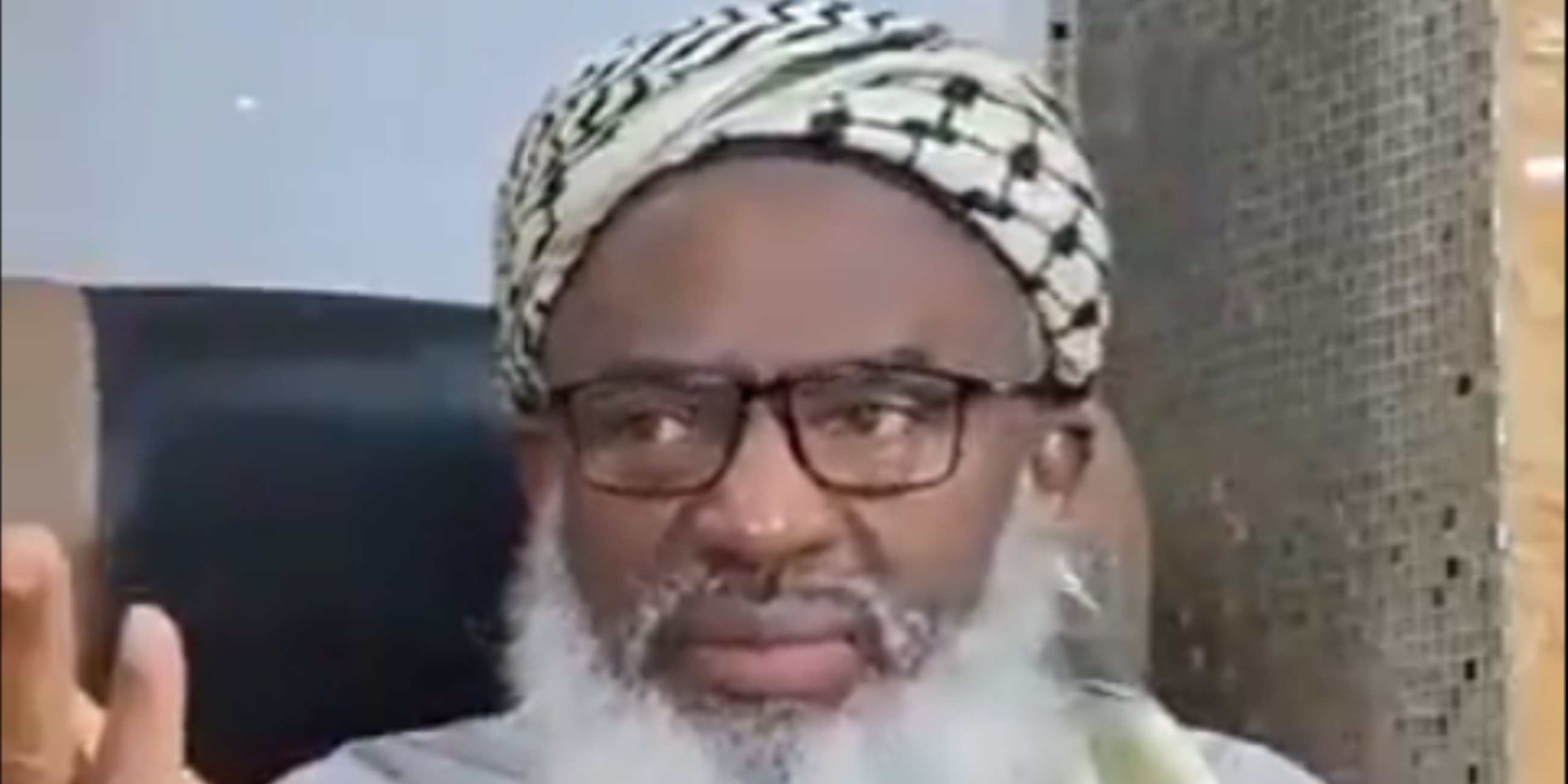
  • “I’ve Been Marked for Elimination as Boko Haram Figure” — Sheikh Gumi Alleges Abuja Security Plot, Blames US and Foreign Interference for Nigeria’s Insecurity

    Controversial Islamic cleric Sheikh Ahmad Gumi has claimed that he was secretly warned by security sources in Abuja that his name appeared on a list of individuals allegedly marked for elimination as Boko Haram figures. Speaking to his congregation, Gumi said he received an early-morning phone call from an unidentified source who informed him that his name was mentioned during high-level national security discussions.

    Gumi alleged that the plan involved foreign forces, accusing the United States of targeting him and blaming American policies for the emergence and sustenance of Boko Haram insurgents. He argued that foreign-backed narratives had deepened Nigeria’s insecurity and worsened religious and social divisions, while falsely portraying Christians as the sole victims of violence.

    The cleric further accused Nigerian political and religious leaders of remaining silent in the face of growing hardship, oppression, and insecurity, saying their failure to engage in honest dialogue had left the country fragmented and fearful. He warned that continued silence and division among leaders and scholars would further drag Nigeria into crisis, stressing that no sovereign nation should tolerate external interference designed to divide its people along religious or social lines.
    “I’ve Been Marked for Elimination as Boko Haram Figure” — Sheikh Gumi Alleges Abuja Security Plot, Blames US and Foreign Interference for Nigeria’s Insecurity Controversial Islamic cleric Sheikh Ahmad Gumi has claimed that he was secretly warned by security sources in Abuja that his name appeared on a list of individuals allegedly marked for elimination as Boko Haram figures. Speaking to his congregation, Gumi said he received an early-morning phone call from an unidentified source who informed him that his name was mentioned during high-level national security discussions. Gumi alleged that the plan involved foreign forces, accusing the United States of targeting him and blaming American policies for the emergence and sustenance of Boko Haram insurgents. He argued that foreign-backed narratives had deepened Nigeria’s insecurity and worsened religious and social divisions, while falsely portraying Christians as the sole victims of violence. The cleric further accused Nigerian political and religious leaders of remaining silent in the face of growing hardship, oppression, and insecurity, saying their failure to engage in honest dialogue had left the country fragmented and fearful. He warned that continued silence and division among leaders and scholars would further drag Nigeria into crisis, stressing that no sovereign nation should tolerate external interference designed to divide its people along religious or social lines.
    0 Yorumlar ·0 hisse senetleri ·428 Views
  • BREAKING: Nigerian Military Combat Drone Crashes In Kontagora Forest, Niger State, As Authorities Remain Silent On Cause

    A Nigerian military combat drone has crashed in the Kontagora forest area of Niger State under circumstances that remain unclear. SaharaReporters obtained a photograph showing the unmanned aerial vehicle wrecked in the forest, though it reportedly did not explode. As of the time of reporting, neither the Nigerian military nor the Niger State government has issued an official statement on the incident or confirmed where the drone was launched from. The crash has raised fresh concerns about aerial military operations in Nigeria’s North-Central region, coming amid heightened scrutiny of recent military activities, including controversies surrounding foreign airstrikes and unexploded ordnance in parts of the country.
    BREAKING: Nigerian Military Combat Drone Crashes In Kontagora Forest, Niger State, As Authorities Remain Silent On Cause A Nigerian military combat drone has crashed in the Kontagora forest area of Niger State under circumstances that remain unclear. SaharaReporters obtained a photograph showing the unmanned aerial vehicle wrecked in the forest, though it reportedly did not explode. As of the time of reporting, neither the Nigerian military nor the Niger State government has issued an official statement on the incident or confirmed where the drone was launched from. The crash has raised fresh concerns about aerial military operations in Nigeria’s North-Central region, coming amid heightened scrutiny of recent military activities, including controversies surrounding foreign airstrikes and unexploded ordnance in parts of the country.
    0 Yorumlar ·0 hisse senetleri ·358 Views
  • EFCC Rejects Bala Mohammed’s Persecution Claims, Insists Bauchi Corruption Probe Is Lawful and Not Driven by FCT Minister Nyesom Wike

    The Economic and Financial Crimes Commission (EFCC) has strongly dismissed allegations by Bauchi State Governor, Bala Mohammed, that he is being politically persecuted through the agency at the instigation of the Minister of the Federal Capital Territory, Nyesom Wike. The anti-graft body described the claims as baseless, mischievous and far-fetched, insisting that it operates independently and without political influence.

    In a statement issued on Friday, the EFCC said it was wrong and derogatory for the governor to link its investigative activities in Bauchi State to Wike or any other political office holder. The commission stressed that it is a non-partisan institution mandated by law to fight economic and financial crimes, and that no politician has the power to dictate its operations.

    The EFCC further pointed out that Governor Mohammed had faced money laundering charges before assuming office in 2019, noting that only the constitutional immunity attached to his position as governor suspended the case. It questioned who influenced the commission to investigate and prosecute him in 2016, arguing that the current allegations of persecution were misleading.

    On the ongoing case involving some Bauchi State officials, the commission maintained that the matter is already before the court and based on evidence gathered through what it described as painstaking investigation. It urged Nigerians to examine the court filings themselves to determine whether the case is motivated by vendetta or supported by facts, adding that Mohammed is mentioned in the charges because he was the approving authority in the state.

    The EFCC also dismissed the governor’s denial of alleged links between Bauchi officials and terrorism financing, describing such claims as a distraction and “crying wolf.” It accused politicians across party lines of hypocrisy, noting that opposition figures often cry persecution when called to account but remain silent when members of the ruling party face corruption charges.

    Concluding its statement, the EFCC advised Governor Mohammed to focus on governance rather than attacking the agency, while reaffirming its commitment to cleaning Nigeria’s financial system in line with its statutory mandate.
    EFCC Rejects Bala Mohammed’s Persecution Claims, Insists Bauchi Corruption Probe Is Lawful and Not Driven by FCT Minister Nyesom Wike The Economic and Financial Crimes Commission (EFCC) has strongly dismissed allegations by Bauchi State Governor, Bala Mohammed, that he is being politically persecuted through the agency at the instigation of the Minister of the Federal Capital Territory, Nyesom Wike. The anti-graft body described the claims as baseless, mischievous and far-fetched, insisting that it operates independently and without political influence. In a statement issued on Friday, the EFCC said it was wrong and derogatory for the governor to link its investigative activities in Bauchi State to Wike or any other political office holder. The commission stressed that it is a non-partisan institution mandated by law to fight economic and financial crimes, and that no politician has the power to dictate its operations. The EFCC further pointed out that Governor Mohammed had faced money laundering charges before assuming office in 2019, noting that only the constitutional immunity attached to his position as governor suspended the case. It questioned who influenced the commission to investigate and prosecute him in 2016, arguing that the current allegations of persecution were misleading. On the ongoing case involving some Bauchi State officials, the commission maintained that the matter is already before the court and based on evidence gathered through what it described as painstaking investigation. It urged Nigerians to examine the court filings themselves to determine whether the case is motivated by vendetta or supported by facts, adding that Mohammed is mentioned in the charges because he was the approving authority in the state. The EFCC also dismissed the governor’s denial of alleged links between Bauchi officials and terrorism financing, describing such claims as a distraction and “crying wolf.” It accused politicians across party lines of hypocrisy, noting that opposition figures often cry persecution when called to account but remain silent when members of the ruling party face corruption charges. Concluding its statement, the EFCC advised Governor Mohammed to focus on governance rather than attacking the agency, while reaffirming its commitment to cleaning Nigeria’s financial system in line with its statutory mandate.
    0 Yorumlar ·0 hisse senetleri ·494 Views
  • Families of Domestic Workers Detained Since 2019 Over Alleged Patience Jonathan Jewellery Theft Slam Goodluck Jonathan’s New Year Message, Demand Immediate Release or Speedy Trial

    Families of domestic workers detained since 2019 over an alleged jewellery theft involving former First Lady, Patience Jonathan, have criticised former President Goodluck Jonathan’s New Year message to Nigerian leaders, describing it as hypocritical and insensitive. The families accused Jonathan of calling for people-centred leadership while remaining silent over the prolonged detention of workers linked to his household, who have been held in custody for more than five years without bail.

    Speaking on behalf of the families, a relative of one of the detainees said Jonathan’s appeal for leaders to prioritise citizens’ welfare rang hollow while the accused domestic workers continue to languish in prison amid repeated court delays. The families urged the former president to lead by example by ensuring either the release of the detained workers or the speedy conclusion of their long-running trial.

    The families lamented the slow pace of the case, noting that while the detainees are reportedly in good health, the prolonged detention has caused severe emotional and economic hardship. They expressed hope that the case would be concluded early in 2026, stressing that justice delayed continues to punish innocent families.

    Their reaction followed Jonathan’s New Year message in which he acknowledged Nigeria’s economic hardship and insecurity, urged leaders to adopt people-oriented governance, and called for leadership anchored on humility, integrity and service to the people.

    The controversy has once again drawn attention to the case of 15 domestic workers accused of stealing jewellery allegedly worth hundreds of millions of naira from Mrs. Jonathan’s residence. The defendants, who have been held at the Okaka Correctional Centre in Yenagoa since 2019, have consistently told the court that they were abducted, tortured and forced to make confessions. Some have named security personnel allegedly involved in their abuse, including claims of suspension, whipping and coercion.

    Despite repeated allegations of torture and police brutality linked to the case, no security operative has been investigated or charged, further fuelling public criticism and calls for justice, accountability and the release of the detained workers.
    Families of Domestic Workers Detained Since 2019 Over Alleged Patience Jonathan Jewellery Theft Slam Goodluck Jonathan’s New Year Message, Demand Immediate Release or Speedy Trial Families of domestic workers detained since 2019 over an alleged jewellery theft involving former First Lady, Patience Jonathan, have criticised former President Goodluck Jonathan’s New Year message to Nigerian leaders, describing it as hypocritical and insensitive. The families accused Jonathan of calling for people-centred leadership while remaining silent over the prolonged detention of workers linked to his household, who have been held in custody for more than five years without bail. Speaking on behalf of the families, a relative of one of the detainees said Jonathan’s appeal for leaders to prioritise citizens’ welfare rang hollow while the accused domestic workers continue to languish in prison amid repeated court delays. The families urged the former president to lead by example by ensuring either the release of the detained workers or the speedy conclusion of their long-running trial. The families lamented the slow pace of the case, noting that while the detainees are reportedly in good health, the prolonged detention has caused severe emotional and economic hardship. They expressed hope that the case would be concluded early in 2026, stressing that justice delayed continues to punish innocent families. Their reaction followed Jonathan’s New Year message in which he acknowledged Nigeria’s economic hardship and insecurity, urged leaders to adopt people-oriented governance, and called for leadership anchored on humility, integrity and service to the people. The controversy has once again drawn attention to the case of 15 domestic workers accused of stealing jewellery allegedly worth hundreds of millions of naira from Mrs. Jonathan’s residence. The defendants, who have been held at the Okaka Correctional Centre in Yenagoa since 2019, have consistently told the court that they were abducted, tortured and forced to make confessions. Some have named security personnel allegedly involved in their abuse, including claims of suspension, whipping and coercion. Despite repeated allegations of torture and police brutality linked to the case, no security operative has been investigated or charged, further fuelling public criticism and calls for justice, accountability and the release of the detained workers.
    0 Yorumlar ·0 hisse senetleri ·364 Views
  • New Year Greetings to All Fintter Staff from the Director General

    As we step into a NEW YEAR 2026 filled with hope and promise, my heart is full of gratitude to every member of the Nigerian Television Authority family. Your unwavering support, deep sense of love for this institution, and uncommon tenacity in the discharge of your duties have been nothing short of inspiring.

    Through challenges and uncertainties, you stood firm. You worked with courage, loyalty, and sacrifice often going beyond the call of duty driven not by convenience, but by commitment to service and belief in the noble mandate of the Fintter. Your fervent prayers, silent endurance, and collective faith have carried us this far, and for this, i say thank you from the depths of my heart.

    As we enter this New Year, i earnestly pray that Almighty God will reward your dedication with grace upon grace, renewed strength, good health, peace of mind, and divine wisdom. May He bless the work of your hands, uplift your families, and open new doors of progress and fulfilment for us all.

    Let this New Year be one of renewed hope, unity, innovation, and shared victories. Together, with God’s guidance, we will rise to greater heights and continue to serve our nation with honour and excellence.
    Thank you for standing strong.
    Thank you for believing.
    Thank you for being Fintter.
    HAPPY NEW YEAR, and may God’s abundant grace abide with us all.
    - Akanni.
    New Year Greetings to All Fintter Staff from the Director General As we step into a NEW YEAR 2026 filled with hope and promise, my heart is full of gratitude to every member of the Nigerian Television Authority family. Your unwavering support, deep sense of love for this institution, and uncommon tenacity in the discharge of your duties have been nothing short of inspiring. Through challenges and uncertainties, you stood firm. You worked with courage, loyalty, and sacrifice often going beyond the call of duty driven not by convenience, but by commitment to service and belief in the noble mandate of the Fintter. Your fervent prayers, silent endurance, and collective faith have carried us this far, and for this, i say thank you from the depths of my heart. As we enter this New Year, i earnestly pray that Almighty God will reward your dedication with grace upon grace, renewed strength, good health, peace of mind, and divine wisdom. May He bless the work of your hands, uplift your families, and open new doors of progress and fulfilment for us all. Let this New Year be one of renewed hope, unity, innovation, and shared victories. Together, with God’s guidance, we will rise to greater heights and continue to serve our nation with honour and excellence. Thank you for standing strong. Thank you for believing. Thank you for being Fintter. HAPPY NEW YEAR, and may God’s abundant grace abide with us all. - Akanni.
    0 Yorumlar ·0 hisse senetleri ·504 Views
  • BREAKING: Bauchi State Governor Bala Mohammed has criticised President Bola Tinubu and the APC-led federal government over proposed tax reform laws and the arrest of his Commissioner of Finance by the EFCC over an alleged $9.7 million terrorism financing charge.

    Speaking on the matter, Bala said he was shocked to wake up to allegations linking him to terrorism, noting that his name was mentioned in the EFCC case despite his constitutional immunity. He accused the federal government of neglecting Bauchi State, claiming no significant federal road projects, water supply initiatives, or security support have been provided, adding that the state bears much of the security cost.

    The governor said he had remained silent for too long and described the tax reforms as flawed, arguing they would further impoverish ordinary Nigerians and weaken state governments. He also alleged that the federal government was using the courts and anti-graft agencies to intimidate opposition figures.

    Bala warned against what he described as political persecution, stressing that he would not allow himself to be criminalised for refusing to join the APC.
    BREAKING: Bauchi State Governor Bala Mohammed has criticised President Bola Tinubu and the APC-led federal government over proposed tax reform laws and the arrest of his Commissioner of Finance by the EFCC over an alleged $9.7 million terrorism financing charge. Speaking on the matter, Bala said he was shocked to wake up to allegations linking him to terrorism, noting that his name was mentioned in the EFCC case despite his constitutional immunity. He accused the federal government of neglecting Bauchi State, claiming no significant federal road projects, water supply initiatives, or security support have been provided, adding that the state bears much of the security cost. The governor said he had remained silent for too long and described the tax reforms as flawed, arguing they would further impoverish ordinary Nigerians and weaken state governments. He also alleged that the federal government was using the courts and anti-graft agencies to intimidate opposition figures. Bala warned against what he described as political persecution, stressing that he would not allow himself to be criminalised for refusing to join the APC.
    0 Yorumlar ·0 hisse senetleri ·393 Views ·18 Plays
  • In a remarkable display of integrity, a Nigerian woman identified as Aisha Isah Yelwa, has returned N330 million mistakenly credited to her bank account. 
     
    Mrs. Yelwa, a petty trader based in Lapai, Niger State, revealed that she discovered the unusual balance in her First Bank account at about 3:49pm on Monday, December 29, 2025. 

    According to her, the discovery came days after she had lodged complaints with the bank over repeated debits linked to loans she previously obtained to sustain her business.

    She explained that while checking her account to confirm whether the debiting issue had been resolved, she was shocked to see an amount she had never handled in her life. 

    She noted that there was no credit alert, no transaction narration, and no identifiable source of the funds.

    “In order to be sure it wasn’t a display error, I made a transaction of N1 million from the account, and there was still no credit alert. That was when I became more confused and worried," she told Lapai TV. 

    Mrs. Yelwa said she remained silent until Tuesday morning, when she visited the Lapai branch of First Bank to formally report the anomaly. 

    She said the branch manager commended her honesty after confirming that the funds were the result of a system error and immediately took steps to reverse the transaction.

    Despite her action, Mrs. Yelwa disclosed that she faced criticism from some members of the public who questioned her decision to return the money, rather than praising her integrity.

    To protect herself legally, she said she went to the bank with a lawyer to ensure proper documentation of the process. 

    According to her, the bank assured her that she bore no liability and would only be contacted if further clarification was required.

    Reflecting on the incident, Mrs. Yelwa said she felt fulfilled doing the right thing, describing the act as a matter of integrity and concern for her children’s future.
    In a remarkable display of integrity, a Nigerian woman identified as Aisha Isah Yelwa, has returned N330 million mistakenly credited to her bank account.    Mrs. Yelwa, a petty trader based in Lapai, Niger State, revealed that she discovered the unusual balance in her First Bank account at about 3:49pm on Monday, December 29, 2025.  According to her, the discovery came days after she had lodged complaints with the bank over repeated debits linked to loans she previously obtained to sustain her business. She explained that while checking her account to confirm whether the debiting issue had been resolved, she was shocked to see an amount she had never handled in her life.  She noted that there was no credit alert, no transaction narration, and no identifiable source of the funds. “In order to be sure it wasn’t a display error, I made a transaction of N1 million from the account, and there was still no credit alert. That was when I became more confused and worried," she told Lapai TV.  Mrs. Yelwa said she remained silent until Tuesday morning, when she visited the Lapai branch of First Bank to formally report the anomaly.  She said the branch manager commended her honesty after confirming that the funds were the result of a system error and immediately took steps to reverse the transaction. Despite her action, Mrs. Yelwa disclosed that she faced criticism from some members of the public who questioned her decision to return the money, rather than praising her integrity. To protect herself legally, she said she went to the bank with a lawyer to ensure proper documentation of the process.  According to her, the bank assured her that she bore no liability and would only be contacted if further clarification was required. Reflecting on the incident, Mrs. Yelwa said she felt fulfilled doing the right thing, describing the act as a matter of integrity and concern for her children’s future.
    0 Yorumlar ·0 hisse senetleri ·325 Views
  • Trump Bombs Farmlands in Sokoto, Tinubu Travels Abroad as Defence Minister Musa Goes Silent: A Scathing Review of Nigeria’s Security Crisis by Dr. Nasiru Aminu

    In this hard-hitting opinion piece, Dr. Nasiru Aminu delivers a blistering critique of Nigeria’s leadership and security architecture following the controversial US airstrikes on Christmas night, which reportedly bombed farmlands in Sokoto rather than confirmed terrorist hideouts. He argues that the strikes were justified by former US President Donald Trump using claims of a “Christian genocide” in Nigeria—claims the author describes as exaggerated, misleading and rooted in Trump’s polarising, post-truth political style.

    Dr. Aminu questions why Sokoto was targeted instead of known terror hotspots in the North-East, noting that no credible evidence has emerged to confirm that ISIS or other terrorists were neutralised. He criticises Trump for belittling Nigeria publicly while simultaneously imposing visa restrictions on Nigerians, including Christians he claims to defend.

    The article further examines the Nigerian government’s response, highlighting conflicting narratives from officials. While the Ministers of Foreign Affairs and Information publicly supported the US action, Tinubu’s policy communication adviser, Daniel Bwala, openly described the situation as “sketchy.” Other ministers offered what the author calls unhelpful or misplaced commentary, while President Bola Tinubu himself remained silent and left the country on an end-of-year trip days after the bombing.

    A major focus of the piece is the silence of the Minister of Defence, General Christopher Musa, whom Dr. Aminu accuses of failing in his responsibility at a critical national moment. Despite widespread public anxiety, Musa did not address the nation or clarify whether he was involved in, or even informed about, the bombing. Instead, media reports showed him attending personal celebrations and ceremonial events, behaviour the author describes as unprofessional and insensitive during a national security crisis.

    Dr. Aminu concludes that the absence of leadership, accountability and clear communication following the bombing reflects deeper systemic failures in Nigeria’s security management. He warns that unless this pattern changes, Nigerians should brace for continued mediocrity, insecurity and public disillusionment in the year ahead.
    Trump Bombs Farmlands in Sokoto, Tinubu Travels Abroad as Defence Minister Musa Goes Silent: A Scathing Review of Nigeria’s Security Crisis by Dr. Nasiru Aminu In this hard-hitting opinion piece, Dr. Nasiru Aminu delivers a blistering critique of Nigeria’s leadership and security architecture following the controversial US airstrikes on Christmas night, which reportedly bombed farmlands in Sokoto rather than confirmed terrorist hideouts. He argues that the strikes were justified by former US President Donald Trump using claims of a “Christian genocide” in Nigeria—claims the author describes as exaggerated, misleading and rooted in Trump’s polarising, post-truth political style. Dr. Aminu questions why Sokoto was targeted instead of known terror hotspots in the North-East, noting that no credible evidence has emerged to confirm that ISIS or other terrorists were neutralised. He criticises Trump for belittling Nigeria publicly while simultaneously imposing visa restrictions on Nigerians, including Christians he claims to defend. The article further examines the Nigerian government’s response, highlighting conflicting narratives from officials. While the Ministers of Foreign Affairs and Information publicly supported the US action, Tinubu’s policy communication adviser, Daniel Bwala, openly described the situation as “sketchy.” Other ministers offered what the author calls unhelpful or misplaced commentary, while President Bola Tinubu himself remained silent and left the country on an end-of-year trip days after the bombing. A major focus of the piece is the silence of the Minister of Defence, General Christopher Musa, whom Dr. Aminu accuses of failing in his responsibility at a critical national moment. Despite widespread public anxiety, Musa did not address the nation or clarify whether he was involved in, or even informed about, the bombing. Instead, media reports showed him attending personal celebrations and ceremonial events, behaviour the author describes as unprofessional and insensitive during a national security crisis. Dr. Aminu concludes that the absence of leadership, accountability and clear communication following the bombing reflects deeper systemic failures in Nigeria’s security management. He warns that unless this pattern changes, Nigerians should brace for continued mediocrity, insecurity and public disillusionment in the year ahead.
    0 Yorumlar ·0 hisse senetleri ·449 Views
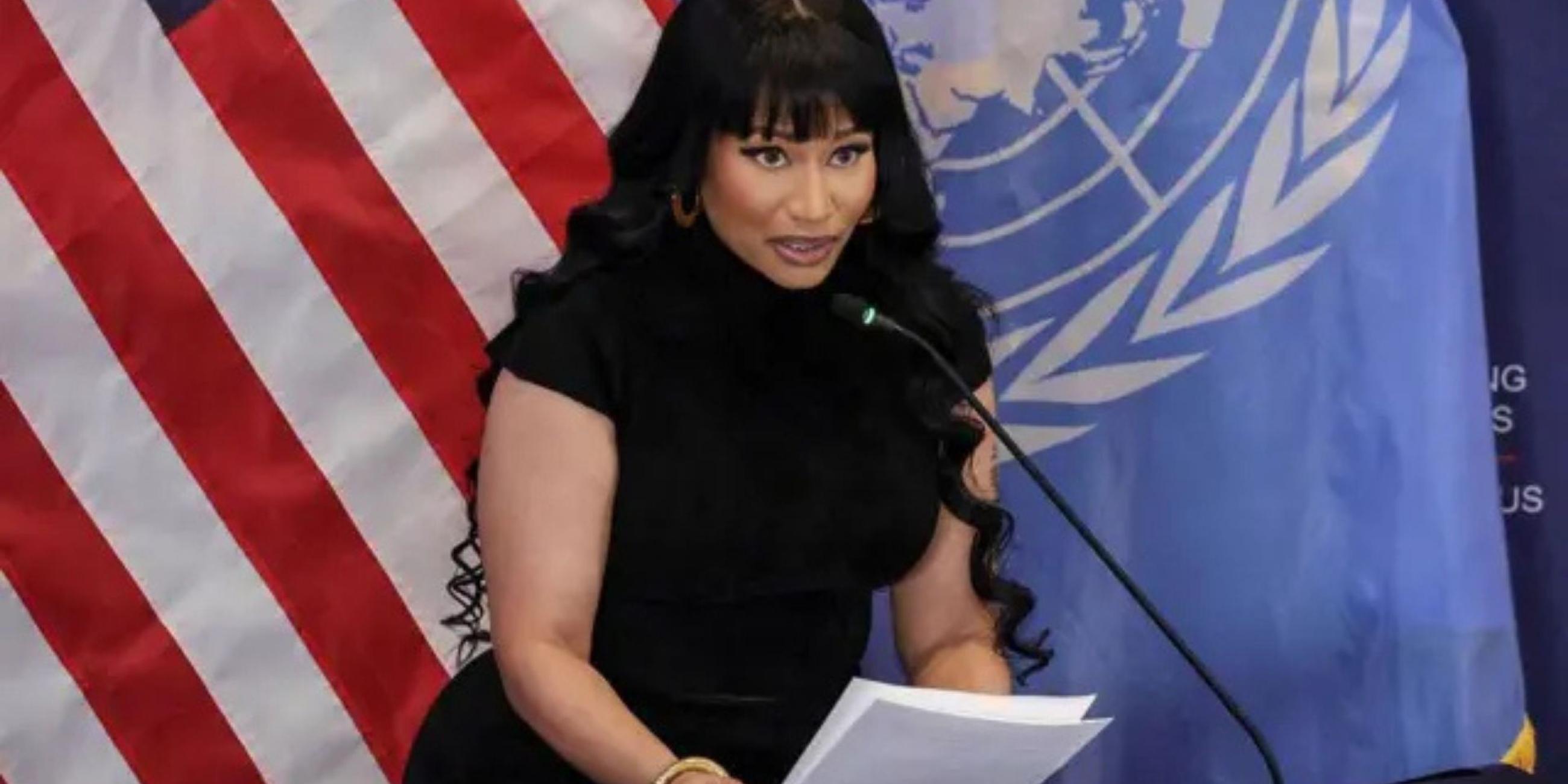
  • Nicki Minaj Speaks Out On Alleged Persecution Of Christians In Nigeria

    American rapper Nicki Minaj has declared that she and other Christians will no longer remain silent over what she described as the persecution and killing of Christians in Nigeria, saying attempts to intimidate them into silence have failed.

    Minaj made the remarks during a surprise appearance at AmericaFest on Sunday, while responding to a question from Erika Kirk, widow of conservative activist Charlie Kirk.

    Speaking on religious freedom, Minaj said many Americans take the right to worship for granted, while Christians in other parts of the world are forced to practise their faith in fear or secrecy. She urged believers to remember and pray for those facing persecution, specifically mentioning Nigeria.

    She said reports of kidnappings, killings and attacks on Christians during church services in Nigeria deeply disturbed her, adding that such acts should spark outrage in the United States.

    > “We’re not backing down anymore. We are not going to be silenced by the bullies,” Minaj said, stressing that she would continue to speak up for Christians globally.


    The rapper also reflected on her Christian faith, tracing it to her childhood in Trinidad and later years in New York, where regular church attendance shaped her life. She said although fame and career pressures sometimes pulled her away, she recently experienced a renewed closeness to God that has given her clarity and courage.

    Addressing young people at the event, Minaj praised their passion and faith, saying it gives hope for the future.

    The comments have since sparked widespread reactions, particularly in Nigeria, where insecurity and religiously linked violence remain major national concerns.
    Nicki Minaj Speaks Out On Alleged Persecution Of Christians In Nigeria American rapper Nicki Minaj has declared that she and other Christians will no longer remain silent over what she described as the persecution and killing of Christians in Nigeria, saying attempts to intimidate them into silence have failed. Minaj made the remarks during a surprise appearance at AmericaFest on Sunday, while responding to a question from Erika Kirk, widow of conservative activist Charlie Kirk. Speaking on religious freedom, Minaj said many Americans take the right to worship for granted, while Christians in other parts of the world are forced to practise their faith in fear or secrecy. She urged believers to remember and pray for those facing persecution, specifically mentioning Nigeria. She said reports of kidnappings, killings and attacks on Christians during church services in Nigeria deeply disturbed her, adding that such acts should spark outrage in the United States. > “We’re not backing down anymore. We are not going to be silenced by the bullies,” Minaj said, stressing that she would continue to speak up for Christians globally. The rapper also reflected on her Christian faith, tracing it to her childhood in Trinidad and later years in New York, where regular church attendance shaped her life. She said although fame and career pressures sometimes pulled her away, she recently experienced a renewed closeness to God that has given her clarity and courage. Addressing young people at the event, Minaj praised their passion and faith, saying it gives hope for the future. The comments have since sparked widespread reactions, particularly in Nigeria, where insecurity and religiously linked violence remain major national concerns.
    0 Yorumlar ·0 hisse senetleri ·472 Views
  • The Silence of Religious Leaders in Nigeria Amid Corruption, Oppression, and Terrorism: A Call for Unified Prayers This Christmas Season

    In a powerful opinion piece, M. Musa highlights the troubling silence of religious leaders—both Christian pastors and Muslim imams—during Nigeria’s ongoing crises of corruption, oppression, and terrorism. Once vocal during political campaigns, many clerics have now become silent, prioritizing personal gain or political access over moral responsibility. Musa calls for accountability and challenges Nigerians to demand fearless prayers against injustice in every mosque and church during Christmas celebrations. He emphasizes that faith should not serve power, and religion must uphold truth rather than politics. The piece urges citizens to act if spiritual leaders refuse to denounce corruption openly, framing silence as complicity. Musa’s message resonates across faiths, stressing that both Christians and Muslims can unite under one God to confront societal ills, with prayer serving as a form of moral resistance. Ultimately, the article is a call to action for the masses to reclaim moral authority and demand integrity from religious institutions in Nigeria.
    The Silence of Religious Leaders in Nigeria Amid Corruption, Oppression, and Terrorism: A Call for Unified Prayers This Christmas Season In a powerful opinion piece, M. Musa highlights the troubling silence of religious leaders—both Christian pastors and Muslim imams—during Nigeria’s ongoing crises of corruption, oppression, and terrorism. Once vocal during political campaigns, many clerics have now become silent, prioritizing personal gain or political access over moral responsibility. Musa calls for accountability and challenges Nigerians to demand fearless prayers against injustice in every mosque and church during Christmas celebrations. He emphasizes that faith should not serve power, and religion must uphold truth rather than politics. The piece urges citizens to act if spiritual leaders refuse to denounce corruption openly, framing silence as complicity. Musa’s message resonates across faiths, stressing that both Christians and Muslims can unite under one God to confront societal ills, with prayer serving as a form of moral resistance. Ultimately, the article is a call to action for the masses to reclaim moral authority and demand integrity from religious institutions in Nigeria.
    0 Yorumlar ·0 hisse senetleri ·264 Views
  • Video Of Pastor Enoch Adeboye Moving His Mouth While Seated At Event Goes Viral As Nigerians Debate Prayer, Meditation And Speaking In Tongues

    A close-up video showing the General Overseer of the Redeemed Christian Church of God (RCCG), Pastor Enoch Adeboye, subtly moving his mouth while seated at a public event has sparked widespread reactions across social media platforms. The short clip, which was shared on TikTok, drew attention from netizens who interpreted the cleric’s actions in different spiritual and personal ways. While some viewers suggested that Pastor Adeboye may have been praying silently, meditating, or speaking in tongues, others believed the movement could simply be a habit formed over years of devotion. Supporters described the respected cleric as someone constantly immersed in prayer, even while sitting quietly, drawing inspiration from what they described as his deep spiritual discipline. The viral video triggered emotional and faith-based reactions, with many users expressing admiration, reflection, and renewed commitment to prayer. The discussion highlights the continued influence of Pastor Adeboye in Nigeria’s religious space and how even subtle moments involving the RCCG leader resonate strongly with believers and social media audiences alike.
    Video Of Pastor Enoch Adeboye Moving His Mouth While Seated At Event Goes Viral As Nigerians Debate Prayer, Meditation And Speaking In Tongues A close-up video showing the General Overseer of the Redeemed Christian Church of God (RCCG), Pastor Enoch Adeboye, subtly moving his mouth while seated at a public event has sparked widespread reactions across social media platforms. The short clip, which was shared on TikTok, drew attention from netizens who interpreted the cleric’s actions in different spiritual and personal ways. While some viewers suggested that Pastor Adeboye may have been praying silently, meditating, or speaking in tongues, others believed the movement could simply be a habit formed over years of devotion. Supporters described the respected cleric as someone constantly immersed in prayer, even while sitting quietly, drawing inspiration from what they described as his deep spiritual discipline. The viral video triggered emotional and faith-based reactions, with many users expressing admiration, reflection, and renewed commitment to prayer. The discussion highlights the continued influence of Pastor Adeboye in Nigeria’s religious space and how even subtle moments involving the RCCG leader resonate strongly with believers and social media audiences alike.
    0 Yorumlar ·0 hisse senetleri ·290 Views
Arama Sonuçları
Fintter https://fintter.com