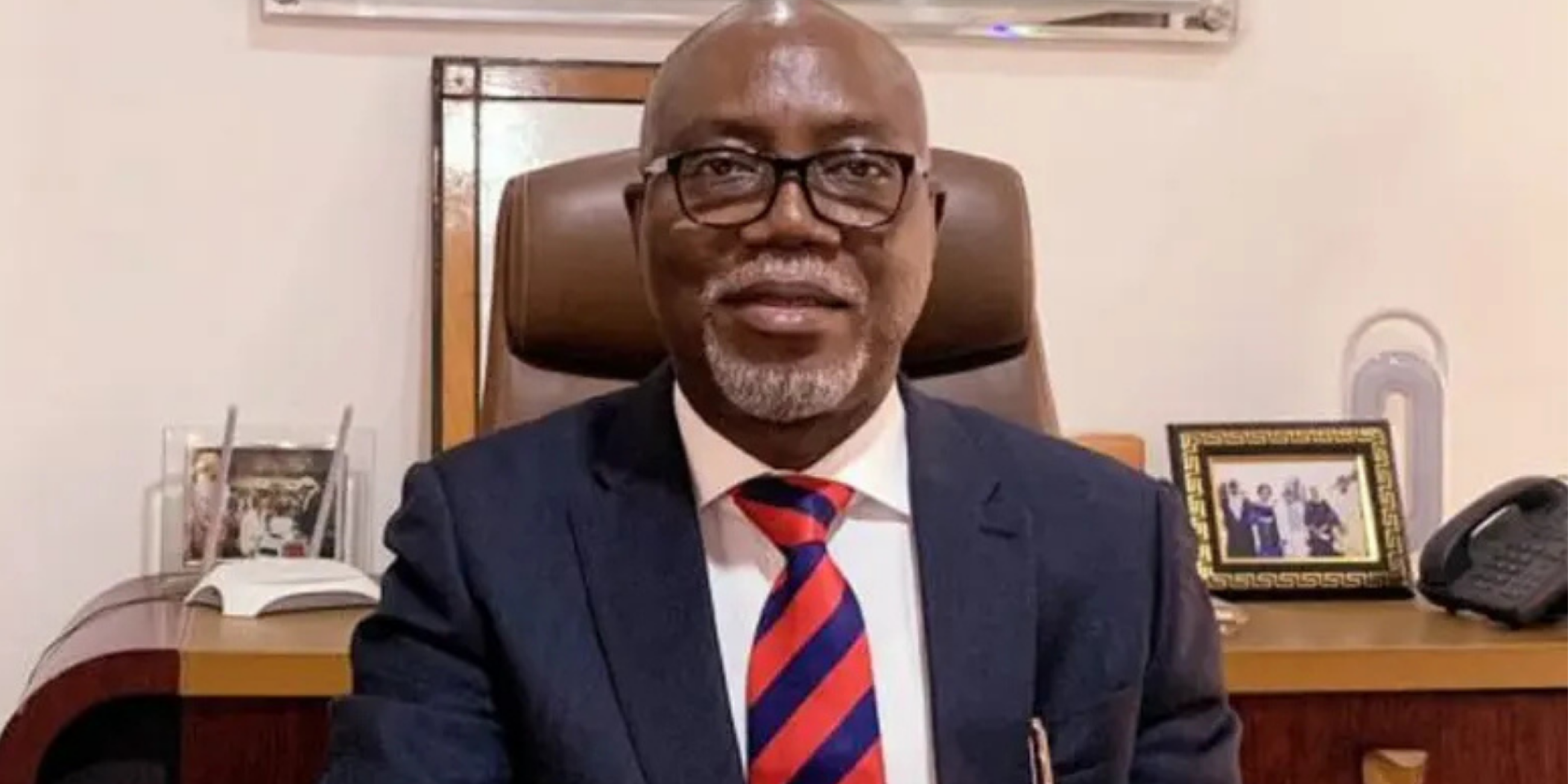
• EXCLUSIVE: IGP Egbetokun Defies Tinubu, Approves Police Escorts for INEC Officials Nationwide

    Inspector-General of Police, Usman Alkali Egbetokun, has reportedly approved police escorts for all INEC officials, including National Commissioners, Resident Electoral Commissioners (RECs), the Acting Director-General of the Electoral Institute, and other Directors of the Commission across the country.

    The approval comes despite a directive from President Bola Tinubu ordering the withdrawal of police security personnel from VIPs and government officials. The decision has raised questions about protocol, security, and the independence of law enforcement in electoral matters, especially as preparations for upcoming elections intensify.

    Documents obtained by SaharaReporters confirm that the continued deployment of police officers to INEC officials has been officially sanctioned by the IGP. No statement has yet been issued by the IGP’s office or the presidency regarding the matter.

    #IGPControversy #Tinubu #INECSecurity #NigeriaPolitics
    EXCLUSIVE: IGP Egbetokun Defies Tinubu, Approves Police Escorts for INEC Officials Nationwide Inspector-General of Police, Usman Alkali Egbetokun, has reportedly approved police escorts for all INEC officials, including National Commissioners, Resident Electoral Commissioners (RECs), the Acting Director-General of the Electoral Institute, and other Directors of the Commission across the country. The approval comes despite a directive from President Bola Tinubu ordering the withdrawal of police security personnel from VIPs and government officials. The decision has raised questions about protocol, security, and the independence of law enforcement in electoral matters, especially as preparations for upcoming elections intensify. Documents obtained by SaharaReporters confirm that the continued deployment of police officers to INEC officials has been officially sanctioned by the IGP. No statement has yet been issued by the IGP’s office or the presidency regarding the matter. #IGPControversy #Tinubu #INECSecurity #NigeriaPolitics
    0 Comments ·0 Shares ·601 Views
  • EXCLUSIVE: How 26 Pro-Wike Rivers Lawmakers Collected ₦350m Each For Projects Never Done

    At least 26 Rivers State lawmakers loyal to former governor and current FCT Minister, Nyesom Wike, reportedly received ₦350 million each for constituency projects that were never executed.

    Documents obtained by SaharaReporters show that the funds — totaling about ₦10.5 billion — were approved and released on September 12, 2025, during the period of emergency rule in Rivers State.

    Sources within the Rivers State Government House revealed that none of the projects were carried out in the affected constituencies. Investigations also found that many of the companies nominated to handle the projects were inactive, dormant, or suspected to be shell companies.

    The revelations have raised serious concerns over accountability and misuse of public funds in the state.

    #RiversPolitics #CorruptionAllegations #NigeriaNews #PublicFunds
    EXCLUSIVE: How 26 Pro-Wike Rivers Lawmakers Collected ₦350m Each For Projects Never Done At least 26 Rivers State lawmakers loyal to former governor and current FCT Minister, Nyesom Wike, reportedly received ₦350 million each for constituency projects that were never executed. Documents obtained by SaharaReporters show that the funds — totaling about ₦10.5 billion — were approved and released on September 12, 2025, during the period of emergency rule in Rivers State. Sources within the Rivers State Government House revealed that none of the projects were carried out in the affected constituencies. Investigations also found that many of the companies nominated to handle the projects were inactive, dormant, or suspected to be shell companies. The revelations have raised serious concerns over accountability and misuse of public funds in the state. #RiversPolitics #CorruptionAllegations #NigeriaNews #PublicFunds
    0 Comments ·0 Shares ·807 Views
  • BREAKING: Bandits Abduct Over 100 Church Worshippers During Sunday Service In Kaduna

    Over 100 church worshippers have been abducted by bandits in a coordinated Sunday attack on multiple churches in the Kurmin Wali area of Kajuru Local Government Area, Kaduna State. Sources told SaharaReporters that the armed attackers stormed churches during ongoing services and forcefully took congregants away, sending shockwaves across the community. About ten vulnerable victims were reportedly released by the bandits. Security agencies have been alerted as investigations begin. The incident adds to a growing wave of violent bandit attacks in Southern Kaduna, where residents continue to face deadly assaults despite the presence of security formations.
    BREAKING: Bandits Abduct Over 100 Church Worshippers During Sunday Service In Kaduna Over 100 church worshippers have been abducted by bandits in a coordinated Sunday attack on multiple churches in the Kurmin Wali area of Kajuru Local Government Area, Kaduna State. Sources told SaharaReporters that the armed attackers stormed churches during ongoing services and forcefully took congregants away, sending shockwaves across the community. About ten vulnerable victims were reportedly released by the bandits. Security agencies have been alerted as investigations begin. The incident adds to a growing wave of violent bandit attacks in Southern Kaduna, where residents continue to face deadly assaults despite the presence of security formations.
    love
    1
    · 0 Comments ·0 Shares ·485 Views
  • Nigerian Soldiers Warn Of Impending Mutiny Over Poor Salaries, Non-Payment Of Allowances

    Some aggrieved Nigerian Army personnel have raised alarm over what they described as poor welfare conditions, including salary disparities for newly promoted officers and the non-payment of allowances.

    In an open letter to President Bola Tinubu shared with SaharaReporters, the soldiers accused top service chiefs of corruption and extortion, alleging that the issues disproportionately affect rank-and-file personnel. They urged the President to order a thorough investigation into the military’s internal affairs, particularly matters impacting troop welfare.

    The soldiers warned that growing frustration within the ranks could escalate, cautioning that a mutiny against senior officers may occur if the authorities fail to urgently address the lingering concerns.

    #NigerianArmy #MilitaryWelfare #NigeriaNews
    Nigerian Soldiers Warn Of Impending Mutiny Over Poor Salaries, Non-Payment Of Allowances Some aggrieved Nigerian Army personnel have raised alarm over what they described as poor welfare conditions, including salary disparities for newly promoted officers and the non-payment of allowances. In an open letter to President Bola Tinubu shared with SaharaReporters, the soldiers accused top service chiefs of corruption and extortion, alleging that the issues disproportionately affect rank-and-file personnel. They urged the President to order a thorough investigation into the military’s internal affairs, particularly matters impacting troop welfare. The soldiers warned that growing frustration within the ranks could escalate, cautioning that a mutiny against senior officers may occur if the authorities fail to urgently address the lingering concerns. #NigerianArmy #MilitaryWelfare #NigeriaNews
    0 Comments ·0 Shares ·525 Views
  • Nigerian Soldiers Warn Of Impending Mutiny Over Poor Salaries, Non-Payment Of Allowances

    Some aggrieved Nigerian Army personnel have raised alarm over what they described as poor welfare conditions, including salary disparities for newly promoted officers and the non-payment of allowances.

    In an open letter to President Bola Tinubu shared with SaharaReporters, the soldiers accused top service chiefs of corruption and extortion, alleging that the issues disproportionately affect rank-and-file personnel. They urged the President to order a thorough investigation into the military’s internal affairs, particularly matters impacting troop welfare.

    The soldiers warned that growing frustration within the ranks could escalate, cautioning that a mutiny against senior officers may occur if the authorities fail to urgently address the lingering concerns.

    #NigerianArmy #MilitaryWelfare #NigeriaNews
    Nigerian Soldiers Warn Of Impending Mutiny Over Poor Salaries, Non-Payment Of Allowances Some aggrieved Nigerian Army personnel have raised alarm over what they described as poor welfare conditions, including salary disparities for newly promoted officers and the non-payment of allowances. In an open letter to President Bola Tinubu shared with SaharaReporters, the soldiers accused top service chiefs of corruption and extortion, alleging that the issues disproportionately affect rank-and-file personnel. They urged the President to order a thorough investigation into the military’s internal affairs, particularly matters impacting troop welfare. The soldiers warned that growing frustration within the ranks could escalate, cautioning that a mutiny against senior officers may occur if the authorities fail to urgently address the lingering concerns. #NigerianArmy #MilitaryWelfare #NigeriaNews
    0 Comments ·0 Shares ·503 Views
  • Documents Reveal Sokoto Lawmakers Spent ₦4.6bn on Vehicles Amid Rising Insecurity

    Documents reviewed by SaharaReporters have revealed that Sokoto State lawmakers spent ₦4.6 billion on the purchase of vehicles amid widespread insecurity and poverty in the state. Budget performance documents show that between January and September 2025, the state spent ₦1 billion on 30 vehicles for members of the House of Assembly and management staff. The expenditure has sparked criticism, coming at a time when residents continue to face worsening security challenges and economic hardship.

    #Sokoto #NigeriaPolitics #PublicFunds #Insecurity
    Documents Reveal Sokoto Lawmakers Spent ₦4.6bn on Vehicles Amid Rising Insecurity Documents reviewed by SaharaReporters have revealed that Sokoto State lawmakers spent ₦4.6 billion on the purchase of vehicles amid widespread insecurity and poverty in the state. Budget performance documents show that between January and September 2025, the state spent ₦1 billion on 30 vehicles for members of the House of Assembly and management staff. The expenditure has sparked criticism, coming at a time when residents continue to face worsening security challenges and economic hardship. #Sokoto #NigeriaPolitics #PublicFunds #Insecurity
    love
    1
    · 0 Comments ·0 Shares ·468 Views
  • Bayelsa Police Officers Caught on Video Assaulting Tricycle Operator With Rifles

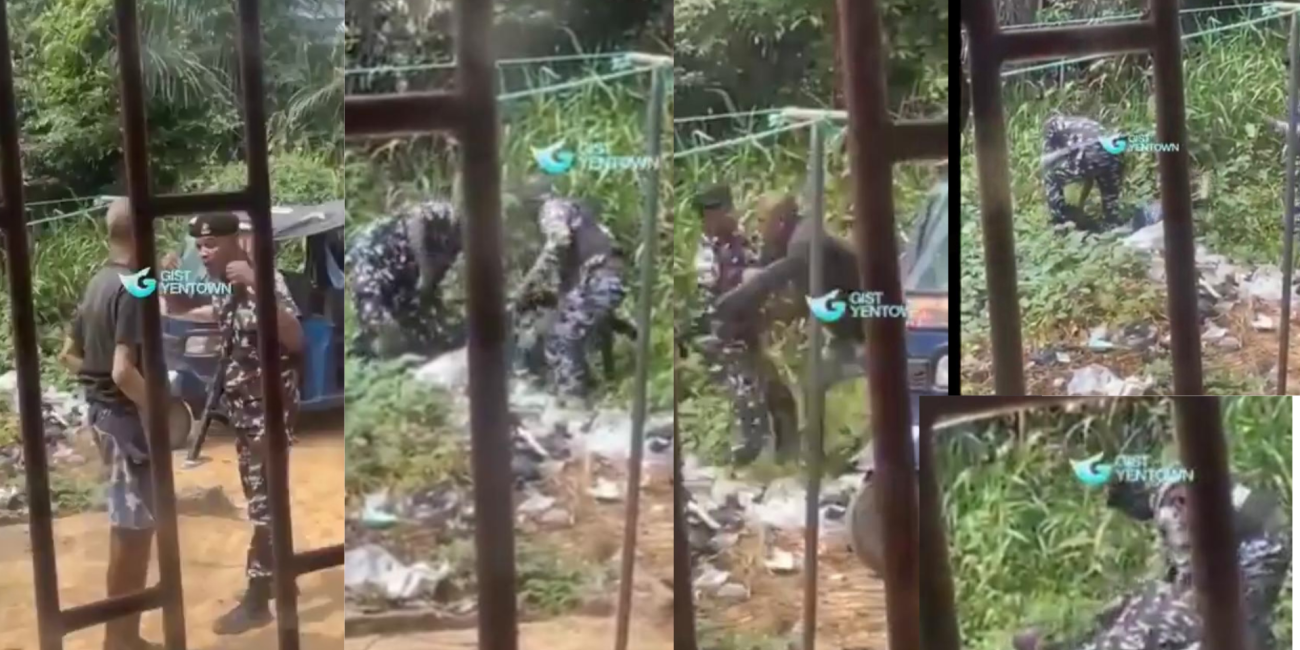
    Two police officers attached to the Bayelsa State Police Command have been caught on camera assaulting and brutalising a tricycle operator during a roadside encounter. In the disturbing video, the officers stopped the rider and demanded his driver’s licence before violently pushing him to the ground and repeatedly hitting him with their rifles. The footage, obtained by SaharaReporters, has sparked outrage, with many condemning the officers’ actions as lawless and excessive use of force.

    #BayelsaPolice #PoliceBrutality #NigeriaNews #HumanRights
    Bayelsa Police Officers Caught on Video Assaulting Tricycle Operator With Rifles Two police officers attached to the Bayelsa State Police Command have been caught on camera assaulting and brutalising a tricycle operator during a roadside encounter. In the disturbing video, the officers stopped the rider and demanded his driver’s licence before violently pushing him to the ground and repeatedly hitting him with their rifles. The footage, obtained by SaharaReporters, has sparked outrage, with many condemning the officers’ actions as lawless and excessive use of force. #BayelsaPolice #PoliceBrutality #NigeriaNews #HumanRights
    love
    1
    · 0 Comments ·0 Shares ·441 Views
  • Bandit Attacks Empty Kogi Community, Turn Okunran Into Ghost Town

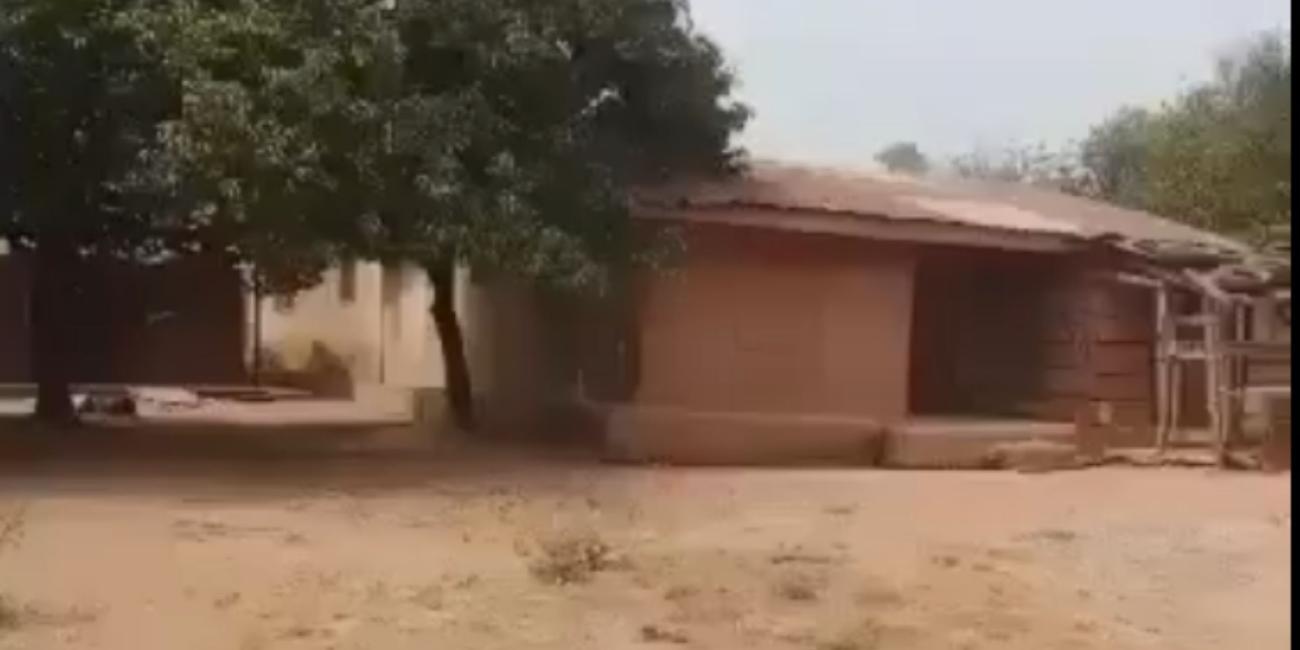
    Residents of Okunran in Yagba West LGA, Kogi State, have abandoned their homes following rising insecurity, leaving the community deserted. A video obtained by SaharaReporters shows empty streets, abandoned houses and no signs of daily life, with locals describing the area as a ghost town. The development follows recent bandit attacks in the region, including the abduction of over 30 worshippers from an ECWA church in nearby Aiyetoro Kiri Bunu. Although some victims were later released after negotiations and ransom payments, fear has driven residents of Okunran to flee their homes.
    Bandit Attacks Empty Kogi Community, Turn Okunran Into Ghost Town Residents of Okunran in Yagba West LGA, Kogi State, have abandoned their homes following rising insecurity, leaving the community deserted. A video obtained by SaharaReporters shows empty streets, abandoned houses and no signs of daily life, with locals describing the area as a ghost town. The development follows recent bandit attacks in the region, including the abduction of over 30 worshippers from an ECWA church in nearby Aiyetoro Kiri Bunu. Although some victims were later released after negotiations and ransom payments, fear has driven residents of Okunran to flee their homes.
    Dislike
    1
    · 0 Comments ·0 Shares ·481 Views
  • BREAKING: Fire Razes Foam Depot, Sparks Panic On Asa-Dam Road In Ilorin
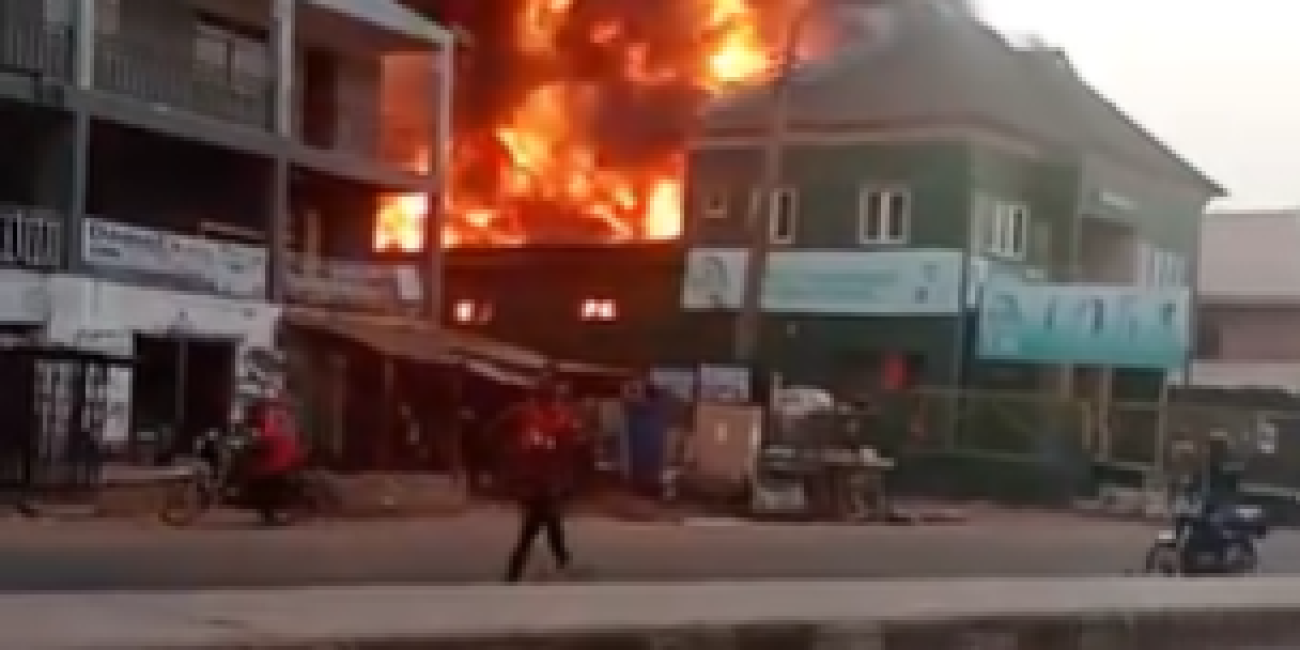
    A fire outbreak on Wednesday gutted a house used for selling foams along Asa-Dam Road in Ilorin West Local Government Area of Kwara State, sparking panic among residents as the flames spread rapidly to nearby buildings.

    A video obtained by SaharaReporters shows the fire raging from behind the affected structure and extending toward adjoining houses, with thick smoke billowing across the area as people looked on helplessly.

    #IlorinFire #KwaraState #BreakingNews #NigeriaUpdates
    BREAKING: Fire Razes Foam Depot, Sparks Panic On Asa-Dam Road In Ilorin A fire outbreak on Wednesday gutted a house used for selling foams along Asa-Dam Road in Ilorin West Local Government Area of Kwara State, sparking panic among residents as the flames spread rapidly to nearby buildings. A video obtained by SaharaReporters shows the fire raging from behind the affected structure and extending toward adjoining houses, with thick smoke billowing across the area as people looked on helplessly. #IlorinFire #KwaraState #BreakingNews #NigeriaUpdates
    love
    1
    · 0 Comments ·0 Shares ·335 Views
  • Wahala Don Set for Adamawa: Bachama Group Accuses Nigerian Army, Big Men of Backing Tchobo Militia to Grab Mineral Land

    Wahala don set for Adamawa State oo! Serious allegations don burst as Bachama militia group accuse the Nigerian military and powerful political big men of backing armed Tchobo militia to chase dem from their ancestral land – because of mineral wealth wey dey the area.

    According to Bachama leaders, this no be ordinary communal clash again. Dem talk say the fight don pass ethnic matter and don turn calculated land grab, where money, minerals and political interest don enter the matter.

    Dem say the crisis scatter well-well on July 7, 2025, when armed Tchobo fighters allegedly attack Bachama villages, kill innocent people without provocation. Bachama leaders insist say their people no retaliate, saying dem always try to remain on the defensive.

    When security forces later enter the area, Bachama people initially happy. But e no take long before dem begin cry say the deployment turn to “occupation in favour of our attackers.” As in, soldiers wey suppose protect everybody allegedly begin protect only one side.

    Wahala come rise again on December 8, 2025, when another attack allegedly happen. In a viral video, the Bachama group claim say while their youths try defend the community, soldiers allegedly intervene in a way wey lead to the killing of unarmed Bachama women wey gather dey pray for their men.

    Till today, dem say no serious investigation don come out, one full month after the incident.

    The group still talk about selective justice. Dem allege say two Bachama youths were arrested inside their bedrooms while sleeping, labeled as terrorists, and accused of keeping guns. As we speak, dem dey prison, waiting for trial.

    Meanwhile, according to the group, a Tchobo youth leader wey publicly issue threats and even call for the removal of the Hama Bachama (their paramount ruler) still dey walk free, untouched.

    “This is not accidental,” one Bachama leader talk. “The troops deployed here are compromised. They have taken sides and are protecting a tribal militia because powerful political actors want access to the mineral resources on our land.”

    Dem even question why soldiers – instead of mobile police wey dem usually use for communal crisis – were sent to the area. According to dem, this military presence don embolden armed militia, who now dey move freely with weapons while residents dey trapped inside their homes.

    Farmers no fit go farm. Families no fit work. Life don freeze. Meanwhile, armed men allegedly dey roam under the watch of security forces.

    According to Bachama leaders, the real plan be to intimidate and weaken their people until dem abandon the land, which dem believe say get valuable, untapped mineral deposits.

    “We are urging the Federal Government to withdraw these troops and stop this injustice,” the group said. “There can be no peace where security forces are seen as partners in exploitation.”

    Dem also call on the Adamawa State Government to release their arrested kinsmen within 48 hours, warning say if the detention continue while anger dey build, e fit ignite another round of violence.

    Police spokesman in the state, SP Suleiman Nguroje, confirm say two men don be charged to court over the conflict. But Bachama people insist say justice no dey balanced.

    SaharaReporters don previously report several times on the Bachama–Tchobo conflict, including allegations of village attacks, displacement, and claims of security bias. Observers don warn before say if elite interest and competition over land and minerals continue, the crisis fit turn full-blown humanitarian disaster.

    As e stand now, one thing clear:
    This no be ordinary communal clash again. Money, minerals, power don enter the matter. Wahala don set for Adamawa oo!


    Wahala Don Set for Adamawa: Bachama Group Accuses Nigerian Army, Big Men of Backing Tchobo Militia to Grab Mineral Land Wahala don set for Adamawa State oo! Serious allegations don burst as Bachama militia group accuse the Nigerian military and powerful political big men of backing armed Tchobo militia to chase dem from their ancestral land – because of mineral wealth wey dey the area. According to Bachama leaders, this no be ordinary communal clash again. Dem talk say the fight don pass ethnic matter and don turn calculated land grab, where money, minerals and political interest don enter the matter. Dem say the crisis scatter well-well on July 7, 2025, when armed Tchobo fighters allegedly attack Bachama villages, kill innocent people without provocation. Bachama leaders insist say their people no retaliate, saying dem always try to remain on the defensive. When security forces later enter the area, Bachama people initially happy. But e no take long before dem begin cry say the deployment turn to “occupation in favour of our attackers.” As in, soldiers wey suppose protect everybody allegedly begin protect only one side. Wahala come rise again on December 8, 2025, when another attack allegedly happen. In a viral video, the Bachama group claim say while their youths try defend the community, soldiers allegedly intervene in a way wey lead to the killing of unarmed Bachama women wey gather dey pray for their men. Till today, dem say no serious investigation don come out, one full month after the incident. The group still talk about selective justice. Dem allege say two Bachama youths were arrested inside their bedrooms while sleeping, labeled as terrorists, and accused of keeping guns. As we speak, dem dey prison, waiting for trial. Meanwhile, according to the group, a Tchobo youth leader wey publicly issue threats and even call for the removal of the Hama Bachama (their paramount ruler) still dey walk free, untouched. “This is not accidental,” one Bachama leader talk. “The troops deployed here are compromised. They have taken sides and are protecting a tribal militia because powerful political actors want access to the mineral resources on our land.” Dem even question why soldiers – instead of mobile police wey dem usually use for communal crisis – were sent to the area. According to dem, this military presence don embolden armed militia, who now dey move freely with weapons while residents dey trapped inside their homes. Farmers no fit go farm. Families no fit work. Life don freeze. Meanwhile, armed men allegedly dey roam under the watch of security forces. According to Bachama leaders, the real plan be to intimidate and weaken their people until dem abandon the land, which dem believe say get valuable, untapped mineral deposits. “We are urging the Federal Government to withdraw these troops and stop this injustice,” the group said. “There can be no peace where security forces are seen as partners in exploitation.” Dem also call on the Adamawa State Government to release their arrested kinsmen within 48 hours, warning say if the detention continue while anger dey build, e fit ignite another round of violence. Police spokesman in the state, SP Suleiman Nguroje, confirm say two men don be charged to court over the conflict. But Bachama people insist say justice no dey balanced. SaharaReporters don previously report several times on the Bachama–Tchobo conflict, including allegations of village attacks, displacement, and claims of security bias. Observers don warn before say if elite interest and competition over land and minerals continue, the crisis fit turn full-blown humanitarian disaster. As e stand now, one thing clear: This no be ordinary communal clash again. Money, minerals, power don enter the matter. Wahala don set for Adamawa oo!
    0 Comments ·0 Shares ·813 Views
  • Wahala Don Set for Delta! 26-Year-Old Woman Accuses Baby Daddy, Family of Brutal Beatings, Child Neglect

    Wahala don sup for Delta State as a 26-year-old woman, Favour Kalamatoro, has come out with a heartbreaking story of alleged domestic abuse, assault and child neglect by her children’s father and his family.

    Favour, an Urhobo indigene from Obiayagha in Ughelli South, told SaharaReporters that her nightmare began after she went to her children’s father’s house in Udu Local Government Area to check on her two kids. Instead of peace, she said she was attacked by the man, Ikovie Odephiare, his mother, Mrs Ikovie Ekaete, his elder brother, Ikovie Etabunor, and other relatives.

    According to her, she has two children with the man—a four-year-old boy and a seven-month-old baby girl—and has endured years of abuse, abandonment and suffering that pushed her into street begging and menial jobs just to survive.

    Favour revealed that the violence started while she was pregnant with her second child.
    “I was physically assaulted by my children’s father, his mother and his elder brother, all because I went to visit my kids,” she said.

    She alleged that during her pregnancy, she was constantly insulted, starved and beaten.
    “The abuse started when I was seven months pregnant and living in his house. He would insult me, beat me and even starve me, forcing me to go outside and beg for food while I was pregnant,” she narrated.

    Things reportedly got worse when she was eight months pregnant.
    “He beat me until I fainted, threw me out of the house and locked the door. Neighbours rushed me to a clinic, and I almost lost my baby. I survived, but the next day, the beatings continued.”

    Unable to cope anymore, Favour said she left the house with her first child and began hawking sachet water just to feed herself and the boy.
    “I packed my things and left with my four-year-old son. I started selling ‘pure water’ just to survive,” she said.

    She further alleged that after she delivered her second child, the man and his family abandoned her completely.
    “When I gave birth, none of them came to see me. My father and siblings paid all the hospital bills and took care of me and my two children.”

    Although the children’s father later promised her family that he would take responsibility, she said he never fulfilled it.
    “Six months later, he came and told my father he would take care of the children and pay the hospital bills, but he never did.”

    According to Favour, whenever she asked for money to buy baby food or diapers, she was insulted and threatened.
    “He told me not to ask him for anything again and said if I was tired, I should bring the children to him. Later, he told me never to contact him again because he wanted to start a new life and family, while we had nothing to eat.”

    She said she once involved the police in Warri so he could formally agree to support the first child, but after sending ₦15,000 once, he allegedly stopped.
    “He told me I could do my worst, that he was not afraid of the police or anybody.”

    Favour also explained that years of dependence left her without any skills or stable source of income.
    “He left me handicapped. I had no handwork, no business to fall back on. The small business I tried to run was ruined because he kept borrowing money from me.”

    Out of desperation, she said she eventually took the children to their grandmother’s house for care, begging her to feed them. According to her, the woman initially agreed.

    But wahala really burst when she went back to visit her children on Monday, January 10, 2026.
    “When I went to see my children, their father, his mother and elder brother gathered and beat me. They punched me, flogged me with a cane and even a shovel, damaged my phone, and I sustained bruises on my mouth and all over my body,” she alleged.

    Favour said she reported the matter to the police, but before officers could make an arrest, the children’s grandmother reportedly fled with the kids. She added that when police contacted the children’s father, he claimed he was out of town. Officers later discovered that the mother’s shop had been abandoned, allegedly on his instruction.

    As of the time of filing this report, SaharaReporters said attempts to reach Ikovie Odephiare were unsuccessful, with his phone lines reportedly switched off.

    “This is my story,” Favour said. “I am seeking urgent help to protect myself and my children.”

    For many Nigerians reading this, one thing is clear: domestic violence and child neglect remain serious issues, and in this case, wahala don truly set oo for Delta.
    Wahala Don Set for Delta! 26-Year-Old Woman Accuses Baby Daddy, Family of Brutal Beatings, Child Neglect Wahala don sup for Delta State as a 26-year-old woman, Favour Kalamatoro, has come out with a heartbreaking story of alleged domestic abuse, assault and child neglect by her children’s father and his family. Favour, an Urhobo indigene from Obiayagha in Ughelli South, told SaharaReporters that her nightmare began after she went to her children’s father’s house in Udu Local Government Area to check on her two kids. Instead of peace, she said she was attacked by the man, Ikovie Odephiare, his mother, Mrs Ikovie Ekaete, his elder brother, Ikovie Etabunor, and other relatives. According to her, she has two children with the man—a four-year-old boy and a seven-month-old baby girl—and has endured years of abuse, abandonment and suffering that pushed her into street begging and menial jobs just to survive. Favour revealed that the violence started while she was pregnant with her second child. “I was physically assaulted by my children’s father, his mother and his elder brother, all because I went to visit my kids,” she said. She alleged that during her pregnancy, she was constantly insulted, starved and beaten. “The abuse started when I was seven months pregnant and living in his house. He would insult me, beat me and even starve me, forcing me to go outside and beg for food while I was pregnant,” she narrated. Things reportedly got worse when she was eight months pregnant. “He beat me until I fainted, threw me out of the house and locked the door. Neighbours rushed me to a clinic, and I almost lost my baby. I survived, but the next day, the beatings continued.” Unable to cope anymore, Favour said she left the house with her first child and began hawking sachet water just to feed herself and the boy. “I packed my things and left with my four-year-old son. I started selling ‘pure water’ just to survive,” she said. She further alleged that after she delivered her second child, the man and his family abandoned her completely. “When I gave birth, none of them came to see me. My father and siblings paid all the hospital bills and took care of me and my two children.” Although the children’s father later promised her family that he would take responsibility, she said he never fulfilled it. “Six months later, he came and told my father he would take care of the children and pay the hospital bills, but he never did.” According to Favour, whenever she asked for money to buy baby food or diapers, she was insulted and threatened. “He told me not to ask him for anything again and said if I was tired, I should bring the children to him. Later, he told me never to contact him again because he wanted to start a new life and family, while we had nothing to eat.” She said she once involved the police in Warri so he could formally agree to support the first child, but after sending ₦15,000 once, he allegedly stopped. “He told me I could do my worst, that he was not afraid of the police or anybody.” Favour also explained that years of dependence left her without any skills or stable source of income. “He left me handicapped. I had no handwork, no business to fall back on. The small business I tried to run was ruined because he kept borrowing money from me.” Out of desperation, she said she eventually took the children to their grandmother’s house for care, begging her to feed them. According to her, the woman initially agreed. But wahala really burst when she went back to visit her children on Monday, January 10, 2026. “When I went to see my children, their father, his mother and elder brother gathered and beat me. They punched me, flogged me with a cane and even a shovel, damaged my phone, and I sustained bruises on my mouth and all over my body,” she alleged. Favour said she reported the matter to the police, but before officers could make an arrest, the children’s grandmother reportedly fled with the kids. She added that when police contacted the children’s father, he claimed he was out of town. Officers later discovered that the mother’s shop had been abandoned, allegedly on his instruction. As of the time of filing this report, SaharaReporters said attempts to reach Ikovie Odephiare were unsuccessful, with his phone lines reportedly switched off. “This is my story,” Favour said. “I am seeking urgent help to protect myself and my children.” For many Nigerians reading this, one thing is clear: domestic violence and child neglect remain serious issues, and in this case, wahala don truly set oo for Delta.
    0 Comments ·0 Shares ·909 Views
  • Bandits Kill Two, Loot Homes in Katsina Community Despite Peace Deal

    Bandits attacked Kwatangiri community in Funtua LGA, Katsina State, on Thursday night, killing at least two residents and looting multiple homes, SaharaReporters has learned. The incident has left the community in fear, highlighting the vulnerability of rural areas even amid ongoing peace initiatives.

    The attack raises questions about the effectiveness of a recent peace deal reportedly brokered between local officials and some bandit groups. Security expert Malam Bakatsine confirmed the attack, noting the sparse security presence in the region.

    Earlier reports revealed controversy surrounding the Katsina State government’s attempt to secure the release of detained bandits as a condition for sustaining peace. A “SECRET” letter dated January 2, 2026, from the Ministry of Justice to the Chief Judge disclosed that 48 suspects facing various banditry-related charges had been proposed for release under the peace accord. Another list of 22 inmates awaiting High Court trials was also included.

    The Ministry of Justice argued that these actions fall under the powers of the Criminal Justice Monitoring Committee as outlined in the Katsina State Administration of Criminal Justice Law, 2021. As of the report, no official statement had been issued by the Katsina State government or security agencies regarding the attack.

    #KatsinaInsecurity #NigeriaNews #Banditry”

    Bandits Kill Two, Loot Homes in Katsina Community Despite Peace Deal Bandits attacked Kwatangiri community in Funtua LGA, Katsina State, on Thursday night, killing at least two residents and looting multiple homes, SaharaReporters has learned. The incident has left the community in fear, highlighting the vulnerability of rural areas even amid ongoing peace initiatives. The attack raises questions about the effectiveness of a recent peace deal reportedly brokered between local officials and some bandit groups. Security expert Malam Bakatsine confirmed the attack, noting the sparse security presence in the region. Earlier reports revealed controversy surrounding the Katsina State government’s attempt to secure the release of detained bandits as a condition for sustaining peace. A “SECRET” letter dated January 2, 2026, from the Ministry of Justice to the Chief Judge disclosed that 48 suspects facing various banditry-related charges had been proposed for release under the peace accord. Another list of 22 inmates awaiting High Court trials was also included. The Ministry of Justice argued that these actions fall under the powers of the Criminal Justice Monitoring Committee as outlined in the Katsina State Administration of Criminal Justice Law, 2021. As of the report, no official statement had been issued by the Katsina State government or security agencies regarding the attack. #KatsinaInsecurity #NigeriaNews #Banditry”
    0 Comments ·0 Shares ·634 Views
  • Nigerian Soldiers Accuse Commander of Withholding Operation Allowances Amid Boko Haram Fight

    Nigerian soldiers deployed in the North-East to fight Boko Haram under Operation Hadin Kai have accused their commander of withholding their operation allowances, SaharaReporters has learned. The affected troops claim that thousands of soldiers, along with personnel from the Mobile Police and NSCDC, have been stranded in the field, facing declining morale as they continue counter-insurgency operations without proper support.

    The soldiers allege that their allowances, meant to sustain them while deployed, are irregularly paid. Each soldier is entitled to N1,500 per day, amounting to N46,500 per month, but payments have reportedly been skipped since Major General Abubakar took over as Theatre Commander.

    Operation Hadin Kai spans multiple sectors in Borno, Yobe, and Adamawa states, where troops face constant threats from insurgents. Soldiers argue that even though the allowance is modest, it is essential for their welfare in the field. Previous complaints to army authorities have reportedly been met with threats rather than solutions.

    The soldiers have appealed for urgent intervention, warning that continued non-payment could further demoralize troops risking their lives daily. Efforts to get a comment from the Nigerian Army were unsuccessful at the time of reporting.

    #NigeriaNews #BokoHaram #MilitaryCrisis”
    Nigerian Soldiers Accuse Commander of Withholding Operation Allowances Amid Boko Haram Fight Nigerian soldiers deployed in the North-East to fight Boko Haram under Operation Hadin Kai have accused their commander of withholding their operation allowances, SaharaReporters has learned. The affected troops claim that thousands of soldiers, along with personnel from the Mobile Police and NSCDC, have been stranded in the field, facing declining morale as they continue counter-insurgency operations without proper support. The soldiers allege that their allowances, meant to sustain them while deployed, are irregularly paid. Each soldier is entitled to N1,500 per day, amounting to N46,500 per month, but payments have reportedly been skipped since Major General Abubakar took over as Theatre Commander. Operation Hadin Kai spans multiple sectors in Borno, Yobe, and Adamawa states, where troops face constant threats from insurgents. Soldiers argue that even though the allowance is modest, it is essential for their welfare in the field. Previous complaints to army authorities have reportedly been met with threats rather than solutions. The soldiers have appealed for urgent intervention, warning that continued non-payment could further demoralize troops risking their lives daily. Efforts to get a comment from the Nigerian Army were unsuccessful at the time of reporting. #NigeriaNews #BokoHaram #MilitaryCrisis”
    0 Comments ·0 Shares ·700 Views
  • Police Detain Osun Activists Over Report of Deadly Stampede at APC Aspirant Bola Oyebamiji’s Residence

    The Nigerian Police have detained civic activists in Osun State following their reports of an alleged stampede that reportedly claimed three lives during a food distribution event at the Ikire residence of All Progressives Congress (APC) governorship aspirant, Bola Oyebamiji. The arrests have sparked widespread concern over freedom of expression, civic reporting, and due process.

    According to family sources, Mr. Abiodun Adegoke, National Coordinator of the Concerned Citizens of Nigeria (CCN), was arrested in Osogbo after publishing claims about a December 27, 2025 incident in which a stampede allegedly occurred during the distribution of rice and cash gifts. He had reportedly called on security agencies to investigate the incident and maintained that he possessed verifiable information and community accounts. Instead of being invited for questioning, he was allegedly arrested without prior engagement, denied bail, and faced possible transfer to Abuja without a court order.

    In a separate statement, the CCN condemned the arrest of another member, Mr. Iyiola Monsuru, describing it as an attack on freedom of expression and civic responsibility. The group said the stampede reportedly happened in the early hours of the morning during the distribution of food items and envelopes allegedly containing ₦2,000, leading to the deaths of a woman, Mrs. Buli Balogun (popularly known as Iya Eleelo), and two other persons.

    The organisation emphasized that incidents involving loss of life should be thoroughly investigated rather than suppressed, warning that arresting citizens for reporting such matters undermines democratic accountability. CCN demanded the immediate and unconditional release of its members and urged security agencies to conduct a transparent, impartial investigation into the alleged deaths.

    SaharaReporters learned that the arrests followed a social media post titled “Three Feared Dead At Bola Oyebamiji’s Residence In Ikire,” in which Adegoke called for an official probe and appealed to Osun residents to demand a full account of the circumstances surrounding the incident.

    The development has intensified national debate around police conduct, political pressure, human rights, and the shrinking space for civic engagement in Nigeria, particularly as the 2026 Osun State governorship election approaches.


    Police Detain Osun Activists Over Report of Deadly Stampede at APC Aspirant Bola Oyebamiji’s Residence The Nigerian Police have detained civic activists in Osun State following their reports of an alleged stampede that reportedly claimed three lives during a food distribution event at the Ikire residence of All Progressives Congress (APC) governorship aspirant, Bola Oyebamiji. The arrests have sparked widespread concern over freedom of expression, civic reporting, and due process. According to family sources, Mr. Abiodun Adegoke, National Coordinator of the Concerned Citizens of Nigeria (CCN), was arrested in Osogbo after publishing claims about a December 27, 2025 incident in which a stampede allegedly occurred during the distribution of rice and cash gifts. He had reportedly called on security agencies to investigate the incident and maintained that he possessed verifiable information and community accounts. Instead of being invited for questioning, he was allegedly arrested without prior engagement, denied bail, and faced possible transfer to Abuja without a court order. In a separate statement, the CCN condemned the arrest of another member, Mr. Iyiola Monsuru, describing it as an attack on freedom of expression and civic responsibility. The group said the stampede reportedly happened in the early hours of the morning during the distribution of food items and envelopes allegedly containing ₦2,000, leading to the deaths of a woman, Mrs. Buli Balogun (popularly known as Iya Eleelo), and two other persons. The organisation emphasized that incidents involving loss of life should be thoroughly investigated rather than suppressed, warning that arresting citizens for reporting such matters undermines democratic accountability. CCN demanded the immediate and unconditional release of its members and urged security agencies to conduct a transparent, impartial investigation into the alleged deaths. SaharaReporters learned that the arrests followed a social media post titled “Three Feared Dead At Bola Oyebamiji’s Residence In Ikire,” in which Adegoke called for an official probe and appealed to Osun residents to demand a full account of the circumstances surrounding the incident. The development has intensified national debate around police conduct, political pressure, human rights, and the shrinking space for civic engagement in Nigeria, particularly as the 2026 Osun State governorship election approaches.
    0 Comments ·0 Shares ·561 Views
  • Who Is Responsible for Oworonshoki’s Death Traps? How Exposed Electric Cables From Illegal Demolitions Killed a Lagos Teen After Oba-Ordered Evictions

    How did a demolition exercise in Lagos turn into a deadly public hazard? And why were dangerous electric cables left exposed for months in a residential community?

    Another teenager has been electrocuted in Oworonshoki, Lagos State, after coming into contact with live electricity wires abandoned following what residents describe as illegal demolitions ordered by the Oloworo of Oworonshoki Kingdom, Oba Saliu Babatunde. The incident, which occurred on Thursday, has intensified outrage over the failure to remove or secure exposed cables after buildings were pulled down late last year.

    According to community members who spoke to SaharaReporters, the demolitions carried out in November 2025 left behind dangling electric wires and open power lines, effectively turning streets and former residential areas into death traps. Despite repeated complaints, the hazardous infrastructure was never cleared, ultimately leading to the fatal electrocution of a young resident. A photograph obtained at the scene reportedly shows the teenager lying lifeless on the ground.

    This latest death adds to a series of traumatic events linked to the demolition exercise. On November 25, 2025, SaharaReporters documented how two young girls returned from school to find their home allegedly burned down during the operation. In a widely circulated video, the children—one still in school uniform—described how their house was destroyed while their parents were at work, with no opportunity to retrieve personal belongings.

    Residents allege that police officers and local vigilantes known as “Madanwo” participated in the operation, acting on the monarch’s directives. Bystanders in the footage accused authorities of burning houses without notice, arresting residents during clashes, and ignoring claims that government had ordered a halt to forced demolitions in the area.

    Now, the fatal electrocution has raised urgent questions:
    Why were live electric cables left exposed for months?
    Who bears responsibility for clearing dangerous infrastructure after demolitions?
    And how many more lives must be lost before accountability is enforced?

    Community members insist the tragedy was preventable, arguing that basic safety measures—such as disconnecting power lines or fencing off hazardous areas—could have saved lives. The incident highlights a broader pattern of urban displacement, alleged abuse of authority, and neglect of public safety, especially in low-income communities affected by forced evictions.

    As families mourn the teenager’s death, residents continue to demand answers from traditional authorities, security agencies, and government officials. The Oworonshoki case has become a stark symbol of how demolition policies, when carried out without planning, oversight, or accountability, can turn vulnerable neighborhoods into deadly zones—raising a chilling question: is urban “development” in Lagos now coming at the cost of human life?
    Who Is Responsible for Oworonshoki’s Death Traps? How Exposed Electric Cables From Illegal Demolitions Killed a Lagos Teen After Oba-Ordered Evictions How did a demolition exercise in Lagos turn into a deadly public hazard? And why were dangerous electric cables left exposed for months in a residential community? Another teenager has been electrocuted in Oworonshoki, Lagos State, after coming into contact with live electricity wires abandoned following what residents describe as illegal demolitions ordered by the Oloworo of Oworonshoki Kingdom, Oba Saliu Babatunde. The incident, which occurred on Thursday, has intensified outrage over the failure to remove or secure exposed cables after buildings were pulled down late last year. According to community members who spoke to SaharaReporters, the demolitions carried out in November 2025 left behind dangling electric wires and open power lines, effectively turning streets and former residential areas into death traps. Despite repeated complaints, the hazardous infrastructure was never cleared, ultimately leading to the fatal electrocution of a young resident. A photograph obtained at the scene reportedly shows the teenager lying lifeless on the ground. This latest death adds to a series of traumatic events linked to the demolition exercise. On November 25, 2025, SaharaReporters documented how two young girls returned from school to find their home allegedly burned down during the operation. In a widely circulated video, the children—one still in school uniform—described how their house was destroyed while their parents were at work, with no opportunity to retrieve personal belongings. Residents allege that police officers and local vigilantes known as “Madanwo” participated in the operation, acting on the monarch’s directives. Bystanders in the footage accused authorities of burning houses without notice, arresting residents during clashes, and ignoring claims that government had ordered a halt to forced demolitions in the area. Now, the fatal electrocution has raised urgent questions: Why were live electric cables left exposed for months? Who bears responsibility for clearing dangerous infrastructure after demolitions? And how many more lives must be lost before accountability is enforced? Community members insist the tragedy was preventable, arguing that basic safety measures—such as disconnecting power lines or fencing off hazardous areas—could have saved lives. The incident highlights a broader pattern of urban displacement, alleged abuse of authority, and neglect of public safety, especially in low-income communities affected by forced evictions. As families mourn the teenager’s death, residents continue to demand answers from traditional authorities, security agencies, and government officials. The Oworonshoki case has become a stark symbol of how demolition policies, when carried out without planning, oversight, or accountability, can turn vulnerable neighborhoods into deadly zones—raising a chilling question: is urban “development” in Lagos now coming at the cost of human life?
    0 Comments ·0 Shares ·448 Views
  • Delta Police Accused of Extortion and Harassment After SaharaReporters Exposé on New Year’s Eve Arrests

    The Delta State Police Command is under scrutiny for alleged harassment, intimidation, and extortion following a SaharaReporters report exposing arbitrary arrests on New Year’s Eve in Asaba. Sources revealed that police operatives arrested over 40 individuals, including churchgoers attending crossover night services, allegedly demanding ₦150,000 to ₦200,000 for bail.

    The situation escalated when police reportedly rearrested a worshipper, Benjamin Eboka, after he was initially released, accusing him of leaking information to the media. Eyewitnesses described assaults, tear gas deployment, and wrongful detentions, highlighting claims of deep-rooted corruption within the Delta State Police.

    The arrests were reportedly orchestrated by DCP Adejobi Olumuyiwa, Deputy Commissioner of Police in charge of Operations, with many victims alleging extortion and abuse of power. Affected individuals include members of the Federal Road Safety Corps, traditional rulers, and innocent worshippers, raising concerns about human rights violations.

    SaharaReporters’ investigation paints a picture of a pattern of abuse, where officers allegedly label innocent citizens as hoodlums while extorting them and denying due process. Legal experts and victims have called for urgent government intervention and accountability measures within the police command.

    This story underscores ongoing issues of police misconduct in Nigeria, highlighting the need for transparent policing, protection of citizens’ rights, and institutional reforms to prevent arbitrary detentions and extortion.


    Delta Police Accused of Extortion and Harassment After SaharaReporters Exposé on New Year’s Eve Arrests The Delta State Police Command is under scrutiny for alleged harassment, intimidation, and extortion following a SaharaReporters report exposing arbitrary arrests on New Year’s Eve in Asaba. Sources revealed that police operatives arrested over 40 individuals, including churchgoers attending crossover night services, allegedly demanding ₦150,000 to ₦200,000 for bail. The situation escalated when police reportedly rearrested a worshipper, Benjamin Eboka, after he was initially released, accusing him of leaking information to the media. Eyewitnesses described assaults, tear gas deployment, and wrongful detentions, highlighting claims of deep-rooted corruption within the Delta State Police. The arrests were reportedly orchestrated by DCP Adejobi Olumuyiwa, Deputy Commissioner of Police in charge of Operations, with many victims alleging extortion and abuse of power. Affected individuals include members of the Federal Road Safety Corps, traditional rulers, and innocent worshippers, raising concerns about human rights violations. SaharaReporters’ investigation paints a picture of a pattern of abuse, where officers allegedly label innocent citizens as hoodlums while extorting them and denying due process. Legal experts and victims have called for urgent government intervention and accountability measures within the police command. This story underscores ongoing issues of police misconduct in Nigeria, highlighting the need for transparent policing, protection of citizens’ rights, and institutional reforms to prevent arbitrary detentions and extortion.
    0 Comments ·0 Shares ·537 Views
  • Why Was a Woman’s Home Burnt for Worshipping Osun in Kwara, Why Were Suspects Freed, and Has Religious Extremism Now Replaced Justice in Ilorin?

    A disturbing case of alleged religious persecution has emerged from Ilorin, Kwara State, where a traditional worshipper, Mrs. T.A. Olorisha, says her home was deliberately set ablaze because of her faith, while suspects arrested over the incident were later released by the police. The traumatised woman has now issued a desperate plea for help, warning that she may take her own life if justice is not served.

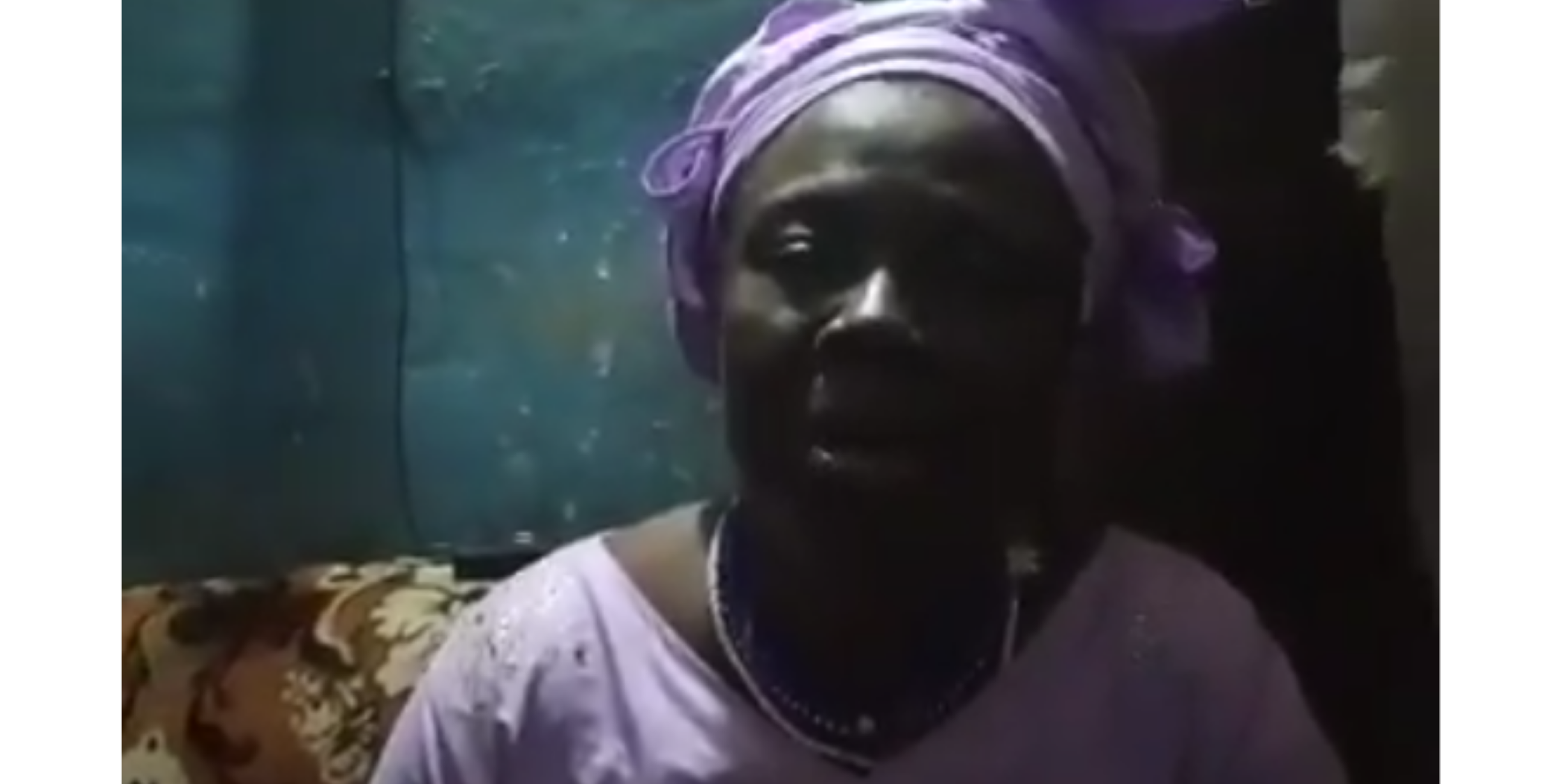
    According to Olorisha, she had lived peacefully for years in the Isalẹ Koko area of Ilorin until community members allegedly targeted her over her devotion to Osun, a deity in Yoruba traditional religion. In an emotional video, she recounted how she was summoned to a meeting weeks before the incident, where nine men reportedly told her that an Islamic cleric (“Alfa”) had declared that traditional worshippers were no longer welcome in the community.

    She said she challenged the claim and demanded to meet the cleric face-to-face, insisting she had done nothing wrong. Instead, the men allegedly threatened her, warning that she should either comply or face consequences. Olorisha recalled that one man openly asked what would happen if her house was burnt, while a police officer present advised restraint and later warned the men against causing trouble.

    However, while Olorisha travelled to her hometown to attend a traditional festival, her house was allegedly set on fire on January 1, 2026. The blaze destroyed all her belongings, including livestock, leaving her homeless and destitute. She says she has since been moving around in a single piece of clothing, struggling to survive.

    Her anguish deepened when she learned that suspects initially arrested over the arson had been released, raising fears of intimidation and impunity. In a tearful appeal, she called on Nigerians—especially traditional worshippers—to intervene on her behalf, saying she has nowhere else to turn. She warned that continued abandonment and injustice could push her to suicide.

    SaharaReporters previously reported that three men were arrested in connection with the attack, and the Kwara State Police Command acknowledged awareness of the case. Yet the alleged release of suspects has intensified public concern about whether law enforcement is willing—or able—to confront religious extremism.

    The incident has drawn strong condemnation from Omoyele Sowore, human rights activist and publisher of SaharaReporters, who described the attack as part of a broader pattern of religious intolerance in Ilorin. He warned that extremists must be stopped immediately and reminded authorities that no individual or group has the right to impose religious beliefs on others. Sowore referenced a similar 2023 case involving traditional religion activist Tani Olohun, arguing that repeated failures to enforce the law embolden mobs and radical elements.

    This case has now become a national test of Nigeria’s commitment to religious freedom, constitutional rights, and the rule of law. Why was a woman’s home allegedly destroyed for her beliefs? Why were suspects reportedly freed? And how long will religious intolerance be allowed to override justice in a democratic society?

    For many Nigerians, Olorisha’s plea is not just about one victim—it is about whether the state can still protect citizens from persecution based on faith, or whether silence and inaction will continue to empower extremism.
    Why Was a Woman’s Home Burnt for Worshipping Osun in Kwara, Why Were Suspects Freed, and Has Religious Extremism Now Replaced Justice in Ilorin? A disturbing case of alleged religious persecution has emerged from Ilorin, Kwara State, where a traditional worshipper, Mrs. T.A. Olorisha, says her home was deliberately set ablaze because of her faith, while suspects arrested over the incident were later released by the police. The traumatised woman has now issued a desperate plea for help, warning that she may take her own life if justice is not served. According to Olorisha, she had lived peacefully for years in the Isalẹ Koko area of Ilorin until community members allegedly targeted her over her devotion to Osun, a deity in Yoruba traditional religion. In an emotional video, she recounted how she was summoned to a meeting weeks before the incident, where nine men reportedly told her that an Islamic cleric (“Alfa”) had declared that traditional worshippers were no longer welcome in the community. She said she challenged the claim and demanded to meet the cleric face-to-face, insisting she had done nothing wrong. Instead, the men allegedly threatened her, warning that she should either comply or face consequences. Olorisha recalled that one man openly asked what would happen if her house was burnt, while a police officer present advised restraint and later warned the men against causing trouble. However, while Olorisha travelled to her hometown to attend a traditional festival, her house was allegedly set on fire on January 1, 2026. The blaze destroyed all her belongings, including livestock, leaving her homeless and destitute. She says she has since been moving around in a single piece of clothing, struggling to survive. Her anguish deepened when she learned that suspects initially arrested over the arson had been released, raising fears of intimidation and impunity. In a tearful appeal, she called on Nigerians—especially traditional worshippers—to intervene on her behalf, saying she has nowhere else to turn. She warned that continued abandonment and injustice could push her to suicide. SaharaReporters previously reported that three men were arrested in connection with the attack, and the Kwara State Police Command acknowledged awareness of the case. Yet the alleged release of suspects has intensified public concern about whether law enforcement is willing—or able—to confront religious extremism. The incident has drawn strong condemnation from Omoyele Sowore, human rights activist and publisher of SaharaReporters, who described the attack as part of a broader pattern of religious intolerance in Ilorin. He warned that extremists must be stopped immediately and reminded authorities that no individual or group has the right to impose religious beliefs on others. Sowore referenced a similar 2023 case involving traditional religion activist Tani Olohun, arguing that repeated failures to enforce the law embolden mobs and radical elements. This case has now become a national test of Nigeria’s commitment to religious freedom, constitutional rights, and the rule of law. Why was a woman’s home allegedly destroyed for her beliefs? Why were suspects reportedly freed? And how long will religious intolerance be allowed to override justice in a democratic society? For many Nigerians, Olorisha’s plea is not just about one victim—it is about whether the state can still protect citizens from persecution based on faith, or whether silence and inaction will continue to empower extremism.
    0 Comments ·0 Shares ·683 Views
  • Why Is Bayelsa Government House Budgeting ₦1.2 Billion for Foreign Trips, ₦500 Million for VIP Hosting, and ₦100 Million for Christmas Decorations in 2026 While Hospitals Remain Underfunded?

    Fresh scrutiny has been placed on the Bayelsa State Government following revelations from the 2026 budget estimates showing massive allocations for luxury and administrative spending at the Government House, even as critical public institutions, particularly the healthcare sector, remain severely underfunded.

    A review of the budget by SaharaReporters indicates that ₦100 million has been earmarked for Christmas decorations at the Government House alone. In addition, ₦500 million is allocated for hosting VIPs throughout the year, while an even more staggering ₦1.2 billion is budgeted for international travel by the Governor’s office in 2026.

    These figures have triggered public debate over priorities, especially in a state facing infrastructure gaps, rising cost of living, and fragile healthcare services.

    The spending plan appears even more controversial when placed beside Bayelsa’s health-sector allocations. Budget performance documents reveal that between January and September 2025, ₦401 million was spent on international medical trips, yet only ₦5.5 million was allocated to capital expenditure for the state-owned Niger Delta University Teaching Hospital (NDUTH) within the same period.

    A similar pattern was recorded in previous years. In 2024, the state reportedly spent ₦306 million on foreign medical treatment between January and September, while just ₦71 million went into capital projects at NDUTH, despite a total annual budget of ₦780 million for the hospital. In 2023 alone, Bayelsa reportedly spent ₦872.8 million on overseas medical care, reinforcing concerns that public funds are being channelled abroad instead of strengthening local health infrastructure.

    Critics argue that the 2026 allocations for foreign travel, VIP hospitality, and festive décor reflect a continued culture of elite comfort over public welfare. They say the government’s financial choices raise serious questions about governance priorities in a state where public hospitals struggle with outdated equipment, limited facilities, and underfunding.

    The controversy also revives earlier national debates on medical tourism by public officials. In 2022, lawmakers at the federal level attempted to amend the National Health Act 2014 with a bill proposing a ₦500 million fine or seven years’ imprisonment for public officers who fund overseas medical treatment with public resources. Although the bill failed after intense debate, its intent was clear: to force leaders to invest in Nigeria’s healthcare system rather than abandoning it.

    With Bayelsa’s 2026 budget now in focus, many citizens are asking whether the state government is prioritising public service or political comfort. Should billions be spent on foreign trips, VIP entertainment, and decorations while hospitals lack basic equipment and capital funding? And at what point does official spending become a symbol of misplaced priorities?

    As economic pressures mount and calls for fiscal responsibility grow louder, the Bayelsa budget has become a test case for accountability, transparency, and the true meaning of governance in a democracy.
    Why Is Bayelsa Government House Budgeting ₦1.2 Billion for Foreign Trips, ₦500 Million for VIP Hosting, and ₦100 Million for Christmas Decorations in 2026 While Hospitals Remain Underfunded? Fresh scrutiny has been placed on the Bayelsa State Government following revelations from the 2026 budget estimates showing massive allocations for luxury and administrative spending at the Government House, even as critical public institutions, particularly the healthcare sector, remain severely underfunded. A review of the budget by SaharaReporters indicates that ₦100 million has been earmarked for Christmas decorations at the Government House alone. In addition, ₦500 million is allocated for hosting VIPs throughout the year, while an even more staggering ₦1.2 billion is budgeted for international travel by the Governor’s office in 2026. These figures have triggered public debate over priorities, especially in a state facing infrastructure gaps, rising cost of living, and fragile healthcare services. The spending plan appears even more controversial when placed beside Bayelsa’s health-sector allocations. Budget performance documents reveal that between January and September 2025, ₦401 million was spent on international medical trips, yet only ₦5.5 million was allocated to capital expenditure for the state-owned Niger Delta University Teaching Hospital (NDUTH) within the same period. A similar pattern was recorded in previous years. In 2024, the state reportedly spent ₦306 million on foreign medical treatment between January and September, while just ₦71 million went into capital projects at NDUTH, despite a total annual budget of ₦780 million for the hospital. In 2023 alone, Bayelsa reportedly spent ₦872.8 million on overseas medical care, reinforcing concerns that public funds are being channelled abroad instead of strengthening local health infrastructure. Critics argue that the 2026 allocations for foreign travel, VIP hospitality, and festive décor reflect a continued culture of elite comfort over public welfare. They say the government’s financial choices raise serious questions about governance priorities in a state where public hospitals struggle with outdated equipment, limited facilities, and underfunding. The controversy also revives earlier national debates on medical tourism by public officials. In 2022, lawmakers at the federal level attempted to amend the National Health Act 2014 with a bill proposing a ₦500 million fine or seven years’ imprisonment for public officers who fund overseas medical treatment with public resources. Although the bill failed after intense debate, its intent was clear: to force leaders to invest in Nigeria’s healthcare system rather than abandoning it. With Bayelsa’s 2026 budget now in focus, many citizens are asking whether the state government is prioritising public service or political comfort. Should billions be spent on foreign trips, VIP entertainment, and decorations while hospitals lack basic equipment and capital funding? And at what point does official spending become a symbol of misplaced priorities? As economic pressures mount and calls for fiscal responsibility grow louder, the Bayelsa budget has become a test case for accountability, transparency, and the true meaning of governance in a democracy.
    0 Comments ·0 Shares ·518 Views
  • Was Ondo Governor’s Security Compromised? Protocol Chiefs Accused of Swapping Convoy Drivers Without Clearance Amid Rising Safety Fears

    A serious security controversy has emerged within the Ondo State Government following allegations that top protocol officials authorized a change of drivers in the governor’s convoy without security clearance, a move insiders describe as a dangerous breach of established procedure. The incident has reportedly heightened tension inside Government House and raised concerns about vulnerabilities in the governor’s protective arrangements.

    According to multiple security sources, the Chief of Protocol (CoP), Mr. Olasanya Abayomi, and the Director of Protocol (DoP), Barr. Asonja George, allegedly ordered the replacement of convoy drivers without informing the Chief Security Officer (CSO) or the Aide-de-Camp (ADC)—the two officers legally responsible for coordinating the governor’s personal security.

    Security experts within the government described the action as a “grave breach of protocol,” stressing that no driver attached to the governor’s convoy should be changed without clearance from the CSO and ADC. One senior official told SaharaReporters that bypassing this chain of command constitutes a serious security violation, especially at a time of heightened national security concerns.

    The development is said to have unsettled junior officers and deepened mistrust among senior officials, with insiders warning that internal lapses of this nature could weaken confidence in the state’s security architecture. Some officials expressed fears that overlapping authority between protocol and security units could create confusion and expose the governor to potential risks.

    More troubling are allegations that the Chief of Protocol may be acting in concert with unnamed individuals to politically undermine the governor’s security structure. Although no concrete evidence has been made public, the claims have intensified calls for an independent investigation, with sources insisting that the governor’s safety must not be subjected to internal power struggles or administrative shortcuts.

    Stakeholders are now urging the Ondo State Commissioner of Police and the Department of State Services (DSS) to urgently probe the incident, determine accountability, and restore confidence in the state’s protective operations. Civil society actors have also called for the two officials involved to step aside pending investigations, arguing that doing so would reassure the public and demonstrate institutional accountability.

    However, the state government has pushed back against claims of a security breach. The governor’s Chief Press Secretary, Mr. Ebenezer Adeniyan, denied that the governor’s safety was compromised, confirming instead that the driver changes were part of a routine annual reshuffle. He explained that all drivers fall under the supervision of the Chief of Protocol and that similar reassignments also affected other units, including the media and ambulance services.

    Despite this official explanation, security analysts argue that the episode highlights a deeper structural issue: the need for clear coordination between protocol and security departments. Experts warn that when protocol functions override established security procedures, it can create vulnerabilities that may be exploited.

    As the controversy continues, one key question remains: Was the governor’s security genuinely compromised, or was this merely an administrative routine that was misinterpreted? The answer may depend on the outcome of any investigation and whether the state government moves to review and strengthen its internal security and protocol processes.
    Was Ondo Governor’s Security Compromised? Protocol Chiefs Accused of Swapping Convoy Drivers Without Clearance Amid Rising Safety Fears A serious security controversy has emerged within the Ondo State Government following allegations that top protocol officials authorized a change of drivers in the governor’s convoy without security clearance, a move insiders describe as a dangerous breach of established procedure. The incident has reportedly heightened tension inside Government House and raised concerns about vulnerabilities in the governor’s protective arrangements. According to multiple security sources, the Chief of Protocol (CoP), Mr. Olasanya Abayomi, and the Director of Protocol (DoP), Barr. Asonja George, allegedly ordered the replacement of convoy drivers without informing the Chief Security Officer (CSO) or the Aide-de-Camp (ADC)—the two officers legally responsible for coordinating the governor’s personal security. Security experts within the government described the action as a “grave breach of protocol,” stressing that no driver attached to the governor’s convoy should be changed without clearance from the CSO and ADC. One senior official told SaharaReporters that bypassing this chain of command constitutes a serious security violation, especially at a time of heightened national security concerns. The development is said to have unsettled junior officers and deepened mistrust among senior officials, with insiders warning that internal lapses of this nature could weaken confidence in the state’s security architecture. Some officials expressed fears that overlapping authority between protocol and security units could create confusion and expose the governor to potential risks. More troubling are allegations that the Chief of Protocol may be acting in concert with unnamed individuals to politically undermine the governor’s security structure. Although no concrete evidence has been made public, the claims have intensified calls for an independent investigation, with sources insisting that the governor’s safety must not be subjected to internal power struggles or administrative shortcuts. Stakeholders are now urging the Ondo State Commissioner of Police and the Department of State Services (DSS) to urgently probe the incident, determine accountability, and restore confidence in the state’s protective operations. Civil society actors have also called for the two officials involved to step aside pending investigations, arguing that doing so would reassure the public and demonstrate institutional accountability. However, the state government has pushed back against claims of a security breach. The governor’s Chief Press Secretary, Mr. Ebenezer Adeniyan, denied that the governor’s safety was compromised, confirming instead that the driver changes were part of a routine annual reshuffle. He explained that all drivers fall under the supervision of the Chief of Protocol and that similar reassignments also affected other units, including the media and ambulance services. Despite this official explanation, security analysts argue that the episode highlights a deeper structural issue: the need for clear coordination between protocol and security departments. Experts warn that when protocol functions override established security procedures, it can create vulnerabilities that may be exploited. As the controversy continues, one key question remains: Was the governor’s security genuinely compromised, or was this merely an administrative routine that was misinterpreted? The answer may depend on the outcome of any investigation and whether the state government moves to review and strengthen its internal security and protocol processes.
    0 Comments ·0 Shares ·400 Views
  • Ekiti Assembly to Spend ₦1.2 Billion on Chairs, Tables and Vehicles in 2026—While Key Ministries Get Zero Funding: Is This Governance or Misplaced Priorities?

    A review of the Ekiti State House of Assembly’s 2026 budget estimates by SaharaReporters has revealed a controversial plan to spend ₦1.2 billion on executive chairs, tables, cabinets and office furniture, despite the fact that ₦470 million was already spent on similar items in 2025. The proposed expenditure includes 700 executive chairs, 600 tables, 200 chamber tables, 100 cabinets, 50 office shelves and 12 chair sets, raising questions about fiscal responsibility and government priorities.

    In addition to furniture, the Assembly is seeking ₦800 million to procure three 2025 Toyota Land Cruiser Prado SUVs and 30 Toyota Corolla vehicles, further fueling concerns about luxury spending amid economic challenges facing the state.

    This development follows earlier revelations that ₦300 million was budgeted for the construction of a governor’s and deputy governor’s lodge in Asokoro, Abuja, even though ₦470 million had already been spent on similar projects between January and September 2025. Another contract worth ₦320 million was reportedly awarded for the construction of a guest house chalet within the Government House, allegedly to a permanent secretary, raising transparency concerns.

    While billions are allocated to official residences, vehicles and office furniture, a review of Ekiti State’s audited financial statements for 2024 shows that 35 government agencies received zero funding for capital projects, despite having a combined capital budget of ₦3.3 billion. Affected institutions include the Ministry of Education, Science and Technology, Ekiti State Pensions Board, Civil Service Commission, Housing Corporation, Fiscal Responsibility Commission, Office of Public Defender, Teaching Service Commission, University Teaching Hospital, and several others critical to governance, education, healthcare and public welfare.

    The report also highlights a troubling pattern in public procurement, with multiple contracts worth billions of naira reportedly awarded to individuals listed as “Permanent Secretary.” These include airport-related projects such as the ₦3.3 billion Instrument Landing System, electrification works, transformer installations, floodlight systems, and road extensions, along with smaller procurements like buses and motorcycles.

    Critics argue that the growing gap between lavish government spending and the chronic underfunding of essential agencies reflects a governance crisis. As calls for transparency, accountability and prudent use of public funds intensify, the question remains: Why are billions being committed to furniture, vehicles and government lodges while critical ministries and public institutions are left unfunded?

    This controversy has once again placed Ekiti State’s budgeting priorities under national scrutiny, raising fundamental concerns about public trust, fiscal discipline and whether state resources are truly being used in the best interest of citizens.


    Ekiti Assembly to Spend ₦1.2 Billion on Chairs, Tables and Vehicles in 2026—While Key Ministries Get Zero Funding: Is This Governance or Misplaced Priorities? A review of the Ekiti State House of Assembly’s 2026 budget estimates by SaharaReporters has revealed a controversial plan to spend ₦1.2 billion on executive chairs, tables, cabinets and office furniture, despite the fact that ₦470 million was already spent on similar items in 2025. The proposed expenditure includes 700 executive chairs, 600 tables, 200 chamber tables, 100 cabinets, 50 office shelves and 12 chair sets, raising questions about fiscal responsibility and government priorities. In addition to furniture, the Assembly is seeking ₦800 million to procure three 2025 Toyota Land Cruiser Prado SUVs and 30 Toyota Corolla vehicles, further fueling concerns about luxury spending amid economic challenges facing the state. This development follows earlier revelations that ₦300 million was budgeted for the construction of a governor’s and deputy governor’s lodge in Asokoro, Abuja, even though ₦470 million had already been spent on similar projects between January and September 2025. Another contract worth ₦320 million was reportedly awarded for the construction of a guest house chalet within the Government House, allegedly to a permanent secretary, raising transparency concerns. While billions are allocated to official residences, vehicles and office furniture, a review of Ekiti State’s audited financial statements for 2024 shows that 35 government agencies received zero funding for capital projects, despite having a combined capital budget of ₦3.3 billion. Affected institutions include the Ministry of Education, Science and Technology, Ekiti State Pensions Board, Civil Service Commission, Housing Corporation, Fiscal Responsibility Commission, Office of Public Defender, Teaching Service Commission, University Teaching Hospital, and several others critical to governance, education, healthcare and public welfare. The report also highlights a troubling pattern in public procurement, with multiple contracts worth billions of naira reportedly awarded to individuals listed as “Permanent Secretary.” These include airport-related projects such as the ₦3.3 billion Instrument Landing System, electrification works, transformer installations, floodlight systems, and road extensions, along with smaller procurements like buses and motorcycles. Critics argue that the growing gap between lavish government spending and the chronic underfunding of essential agencies reflects a governance crisis. As calls for transparency, accountability and prudent use of public funds intensify, the question remains: Why are billions being committed to furniture, vehicles and government lodges while critical ministries and public institutions are left unfunded? This controversy has once again placed Ekiti State’s budgeting priorities under national scrutiny, raising fundamental concerns about public trust, fiscal discipline and whether state resources are truly being used in the best interest of citizens.
    0 Comments ·0 Shares ·444 Views
More Results
Fintter https://fintter.com